






 We do what's right for you...


Understanding Cancer Under Tongue: Symptoms, Stages & Treatments
Dr. Akriti Rastogi
Common advice says to wait and watch any mouth sore. That guidance is risky for lesions beneath the tongue. Early assessment saves function, time, and sometimes life. I focus here on how to recognise cancer under tongue promptly, how oral cancer stages work, and which treatments to expect. The aim is straightforward. Equip you to act early and discuss options with confidence.
Early Warning Signs and Symptoms of Cancer Under Tongue
Visible Sores and Ulcers That Don’t Heal
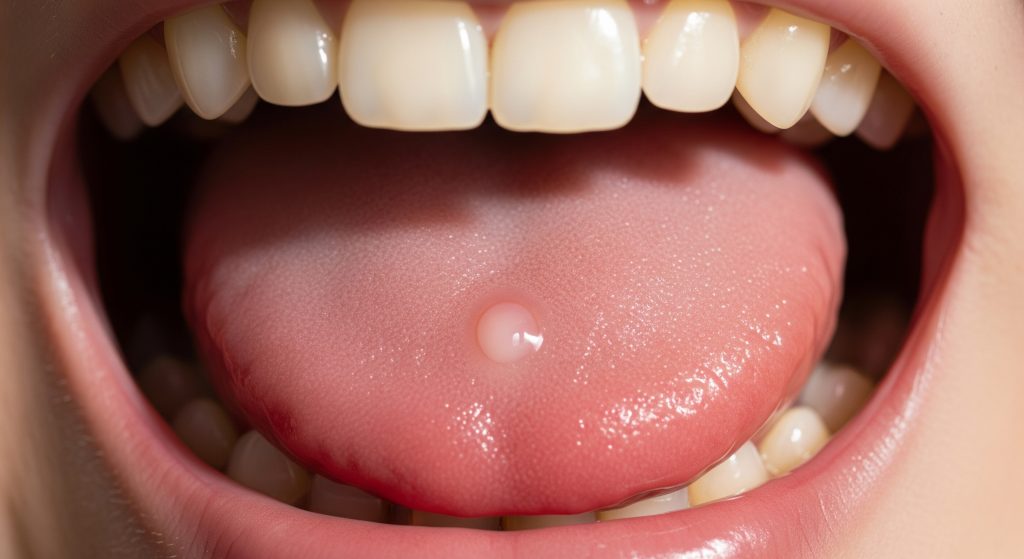
Non-healing ulcers under the tongue for more than two weeks warrant review. I look for indurated edges, a rolled border, or a mixed red-white surface. Those features raise suspicion for cancer under tongue and justify urgent referral. A benign aphthous ulcer usually improves quickly and remains soft to touch. A persistent ulcer that bleeds easily is different.
Persistent Pain and Numbness
Ongoing pain at rest, or pain that radiates to the ear, deserves attention. Numbness beneath the tongue or along the floor of mouth can indicate neural involvement. In my experience, pain alone is not diagnostic, yet pain plus a visible lesion increases concern for cancer under tongue. Manage dental causes, but do not delay specialist review if symptoms persist.
Red or White Patches on Tongue
Leukoplakia (white) and erythroplakia (red) patches need careful evaluation. Mixed red-white lesions carry a higher risk of dysplasia. If a patch under the tongue thickens, becomes speckled, or changes rapidly, I consider biopsy. These changes may precede cancer under tongue, so surveillance with a clear timeframe is prudent.
Difficulty Swallowing and Speaking
Dysphagia, a new speech lisp, or altered tongue mobility can arise from a mass effect. Chewing discomfort or pain when moving the tongue against teeth also matters. When these functional signs accompany a visible lesion, I escalate. They can reflect deeper infiltration from cancer under tongue into muscle or nerve planes.
Unexplained Bleeding from Tongue
Spot bleeding when brushing is common. Spontaneous bleeding from a localised ulcer is not. Fragile surface vessels over a firm base suggest malignant change. Any repeated bleeding from the same site below the tongue should be assessed for cancer under tongue after simple causes are excluded.
Swelling and Lumps Under Tongue
Nodules in the floor of mouth or a firm sublingual swelling need review. Salivary stones can mimic these signs, though stones typically have colicky pain. A fixed, hard mass, especially with mucosal change, pushes suspicion toward cancer under tongue. Palpation of both the lesion and neck nodes adds essential context.
Oral Cancer Stages and Progression
Stage I: Early-Stage Tumour Development
Stage I typically involves a small tumour limited to the tongue without nodal spread. At this point, function-sparing surgery is often feasible. Detection at Stage I significantly reduces the impact of cancer under tongue on speech and swallowing. Early completeness of excision shapes long-term outcomes.
Stage II: Moderate Tumour Growth
Stage II reflects larger primary disease without clinical nodal involvement. Depth of invasion starts to matter more for prognosis. I discuss margin strategy and the possible need for selective neck dissection. This is where the conversation shifts from minimal to combined therapy for cancer under tongue.
Stage III: Advanced Local Spread
Stage III usually indicates deeper tissue invasion or single-node involvement. At this stage, combined modality treatment becomes likely. Surgery may be broader, followed by adjuvant radiotherapy. The goal remains clear margins, nodal control, and function preservation where possible.
Stage IV: Metastatic Cancer
Stage IV encompasses extensive local disease, multiple nodes, or distant metastasis. Management focuses on disease control, symptom relief, and quality of life. For some, aggressive multimodal therapy is justified. For others, targeted systemic therapy or palliative care aligns better with goals.
TNM Classification System Explained
The TNM system anchors staging for oral cavity disease. It breaks disease into tumour size and depth (T), regional lymph nodes (N), and distant metastasis (M). I keep it simple for colleagues with this quick table.
|
Component |
Definition in practice |
|
T (Tumour) |
Size and depth of invasion of the primary tongue lesion. |
|
N (Nodes) |
Presence, size, and laterality of cervical lymph node involvement. |
|
M (Metastasis) |
Evidence of distant spread beyond the head and neck region. |
When people ask about oral cancer stages, the TNM summary often clarifies risk and guides the multidisciplinary plan. Staging informs both survival estimates and side effect profiles.
Treatment Options for Tongue Cancer
Surgical Removal Procedures
Surgery remains the primary treatment for most localised lesions. Options range from local excision to partial glossectomy with selective neck dissection. I discuss clear margins, depth-driven decisions, and reconstructive planning upfront. Early resection can eradicate cancer under tongue and preserve function with targeted rehabilitation.
Radiation Therapy Approaches
Radiotherapy treats microscopic residual disease and selected primary tumours. Techniques include intensity modulated radiation therapy to spare salivary glands. Side effects include mucositis, dry mouth, and taste changes. When cancer under tongue is close to critical structures, precise planning limits long-term harm.
Chemotherapy Protocols
Chemotherapy is often used with radiotherapy for advanced disease. Regimens commonly include platinum agents and may add 5-FU or taxanes. The aim is to sensitise tumour cells to radiation or control systemic risk. I weigh benefit against toxicity for each case.
Targeted Drug Therapy
Targeted agents, such as EGFR inhibitors, are considered in defined scenarios. These therapies aim at tumour-specific pathways. They may assist when conventional options are limited or used as adjuncts. For persistent or recurrent cancer under tongue, targeted therapy can provide incremental control.
Immunotherapy Treatments
Checkpoint inhibitors have changed options for recurrent or metastatic disease. They work by releasing an immune brake, allowing anti-tumour activity to resume. Responses can be durable, though not universal. Patient selection and biomarker context guide their use.
Reconstructive Surgery Options
Reconstruction seeks to restore speech and swallowing after resection. Free flaps, local flaps, and grafts provide tissue volume and mobility. I prioritise flap choice based on defect size, expected function, and donor site morbidity. Good reconstruction can mitigate the functional impact of cancer under tongue treatment.
Palliative Care Considerations
Palliative care is not an afterthought. It addresses pain control, nutrition, speech support, and psychosocial needs. Early palliative involvement improves quality of life during active treatment. For advanced cancer under tongue, it anchors care to individual goals.
Oral Cancer Risk Factors and Prevention Strategies
Tobacco Use and Smoking
Smoking and smokeless tobacco are major contributors. Risk rises with duration and intensity. I advise complete cessation and support with pharmacotherapy when needed. Reducing exposure reduces risk for cancer under tongue and other oral cavity sites.
Alcohol Consumption Impact
Alcohol acts synergistically with tobacco. High intake damages mucosa and heightens carcinogen penetration. Counselling on reduction helps, even when abstinence is difficult. This is a preventable component of oral cancer risk factors with clear behavioural leverage.
HPV Infection Connection
HPV is a significant driver for oropharyngeal tumours. The association with anterior tongue is weaker, though not absent. Vaccination reduces overall HPV-related burden. In discussions on tongue cancer causes, I still screen for HPV history and patterns.
Poor Oral Hygiene Effects
Chronic irritation, broken teeth, and ill-fitting dentures can cause mucosal trauma. Inflammation and micro-injury do not cause cancer alone, but they compound risk. Regular dental care and prompt repair of rough edges reduce triggers for cancer under tongue over time.
Dietary Factors and Nutrition
Low fruit and vegetable intake correlates with higher oral cancer risk, roughly speaking. Antioxidant-rich diets support mucosal health. Alcohol calories and nutritional deficits can coexist, worsening outcomes. Dietary change is slow, but it compounds benefit with cessation efforts.
Regular Screening Importance
Screening picks up subtle lesions that patients miss. Oral visual examination and palpation remain the core methods. Any suspicious area persists beyond two weeks should be assessed. Early detection interrupts progression and limits the footprint of cancer under tongue.
Taking Action Against Cancer Under Tongue
I recommend a simple, decisive pathway. First, set a two-week rule for any suspicious mouth lesion. If it persists, arrange an oral examination with a clinician experienced in head and neck disease. Second, document with photos and note pain, bleeding, or numbness. Third, accept biopsy early rather than cycling antibiotics repeatedly. This is practical and safe.
If results confirm cancer under tongue, request an MDT review that includes surgery, oncology, radiology, and speech therapy. Ask for the TNM summary, margin plan, and likely rehabilitation needs. Then weigh options against personal priorities. Function and cure both matter. But still, timely action matters more.
Frequently Asked Questions
How quickly does cancer under tongue spread?
Growth rates vary by tumour biology and host factors. Some lesions remain indolent for months. Others progress across muscle planes more quickly. I advise using the two-week rule for assessment and then moving to biopsy if doubt remains. This approach reduces the window for cancer under tongue to advance unnoticed.
Can tongue cancer be completely cured?
Yes, early-stage disease can be cured with surgery, sometimes with adjuvant therapy. Even locally advanced cases can achieve remission with combined treatment. Cure is most likely when clear margins are obtained and nodes are controlled. The earlier cancer under tongue is treated, the better the odds of durable control.
What age groups are most at risk for tongue cancer?
Risk increases with age, though younger adults are not exempt. Tobacco and alcohol exposure patterns shape risk over decades. HPV-related disease affects younger people in oropharyngeal sites. Regardless of age, persistent lesions under the tongue deserve evaluation for cancer under tongue without delay.
How is cancer under tongue diagnosed?
Diagnosis rests on clinical examination and tissue confirmation. Incisional or punch biopsy provides histology. Imaging defines depth and nodal status. I add dental assessment early to plan for treatment effects. This sequence limits delays and clarifies the extent of cancer under tongue before definitive therapy.
What is the survival rate for tongue cancer patients?
Outcomes depend on stage, depth, nodes, margins, and comorbidities. Survival is meaningfully higher for early-stage disease than for advanced stages. Precise figures vary by registry and methodology. What this means is simple. Early detection of cancer under tongue materially improves long-term survival and function.
Are there genetic factors that increase tongue cancer risk?
Familial clustering is uncommon, though genetic susceptibility exists to an extent. Polymorphisms affecting carcinogen metabolism have been studied. No single inherited pattern dominates clinical practice. Behavioural risks and local mucosal changes still drive most cases of cancer under tongue.

