






 We do what's right for you...


Understanding Cancer Diet: Food Choices That Make a Difference
Dr. Bimlesh Thakur
Most cancer diet advice since it started appearing online has centred on superfoods and miracle cures. For years, that approach dominated the conversation. Today, that advice is not just outdated – it is actively harmful, offering false hope while ignoring the practical, evidence-based strategies that genuinely support treatment and recovery.
The truth about a cancer diet is messier and more nuanced than any headline would have you believe. It is less about finding that one magical ingredient and more about building consistent patterns – choosing the right foods, preparing them safely, and adapting when your body is struggling through treatment. What drives me crazy is watching patients chase expensive supplements while ignoring basic nutrition principles that could actually make a difference to their energy levels and immune function.
This guide breaks down what the research actually says about food choices during cancer treatment, the genuine connection between alcohol consumption and cancer risk, and how to build sustainable eating habits that support both recovery and long-term prevention. No miracle claims. Just practical guidance grounded in current cancer nutrition guidelines.
Essential Foods to Include and Avoid in Your Cancer Diet
Building an effective cancer diet starts with understanding which foods genuinely support your body during treatment and which ones work against it. The good news? This is not about perfection or restriction – it is about making consistently better choices.
Plant-Based Foods That Support Cancer Treatment
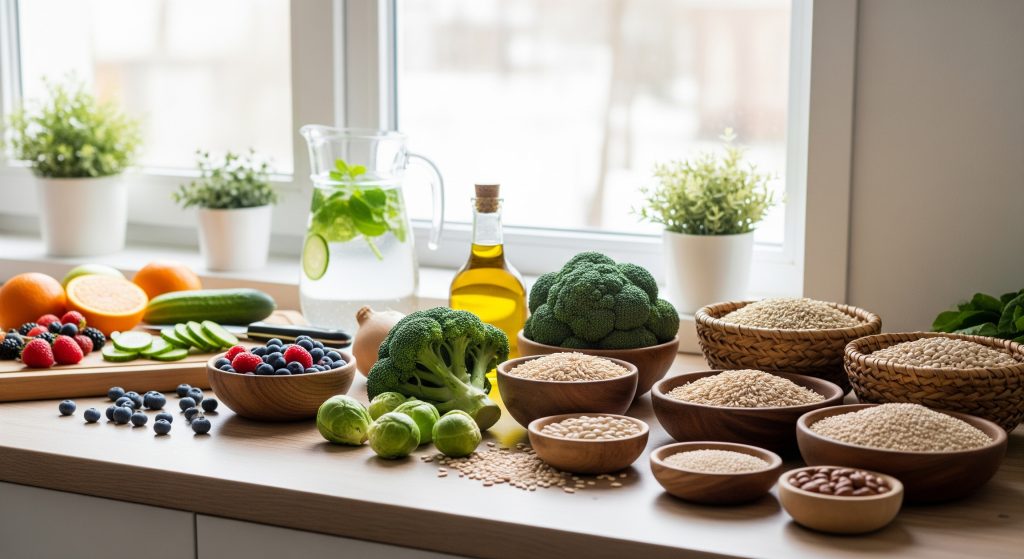
Plants are the foundation of any sensible cancer diet, and the science here is pretty clear. A plant-based approach emphasises fruits and vegetables, which are associated with reduced cancer risk and improved recovery outcomes. But here is the thing – this does not mean becoming a strict vegan overnight.
Cruciferous vegetables deserve special attention. Broccoli and Brussels sprouts contain sulforaphane, a compound that Mayo Clinic Comprehensive Cancer Center Blog notes has potential to inhibit cancer cell growth. These are the workhorses of cancer nutrition.
What makes plant foods so valuable during treatment?
-
They are exclusive sources of dietary fibre, which plays a significant role in reducing cancer risk by aiding digestion and maintaining healthy weight
-
Foods rich in phytochemicals help combat inflammation – crucial for managing treatment side effects
-
They protect cells from damage and support immune system function
-
Plant-based proteins and healthy fats maintain energy throughout treatment
The approach does not require complete exclusion of animal products. It should prioritise plant foods while keeping the immune system strong during treatment.
Processed and Red Meats to Eliminate
Let me be direct about this one. Processed meats have been classified as carcinogenic – Group 1, the same category as tobacco smoking. This is not about moderate enjoyment. This is about understanding risk.
Higher consumption of red and processed meats is linked to greater colorectal cancer risk and other chronic diseases. American Cancer Society recommends limiting red meat intake specifically to reduce cancer risk.
The foods to avoid during cancer treatment (or limit severely) include:
|
Food Type |
Examples |
Risk Level |
|---|---|---|
|
Processed Meats |
Bacon, sausages, hot dogs, deli meats |
Carcinogenic (eliminate) |
|
Red Meats |
Beef, pork, lamb |
Probably carcinogenic (limit strictly) |
Think of processed meat like a credit card with a terrible interest rate. Every serving adds up, compounding risk over time.
Whole Grains and Fibre-Rich Options
Whole grains are not glamorous. They do not get featured on wellness influencer accounts. But they work.
Meta-analyses suggest whole grain intake is associated with lower risks of various cancers, including reduced cancer-specific mortality. The benefits come from their essential nutrients – fibre, vitamins, and minerals working together to support digestion and maintain healthy weight during treatment.
Dietary fibre, particularly from whole grains, is crucial for digestive health and has been linked to reduced colorectal cancer risk. Good nutrition, including whole grains, plays a crucial role in cancer care, aiding recovery and minimising treatment side effects.
The best whole grain options include:
-
Brown rice – versatile, gentle on the stomach
-
Quinoa – complete protein, excellent for energy
-
Oats – soluble fibre supports gut health
-
Whole wheat bread – avoid refined white versions
-
Barley – particularly high in beta-glucan fibre
Fibre-rich foods help prevent malnutrition and support nutrient absorption essential for maintaining health during treatment. That is the real magic.
Sugar-Sweetened Beverages and Calorie-Dense Foods to Limit
There is a persistent myth that sugar directly feeds cancer cells. The reality is more nuanced, but the practical advice remains the same – limit sugar-sweetened beverages and calorie-dense processed foods.
Why? Because excess sugar consumption contributes to weight gain, and obesity is itself a cancer risk factor. These foods also tend to displace genuinely nutritious options from your diet.
Foods to limit or avoid:
-
Fizzy drinks and fruit juices with added sugar
-
Sweets, biscuits, and pastries
-
Highly processed snack foods
-
Foods with high glycaemic index and low nutritional value
But what about when treatment makes eating difficult and calories are hard to come by? That changes the calculation – in those moments, getting any calories in might take priority. Context matters enormously.
Safe Food Preparation Methods During Treatment
Cancer treatments can compromise the immune system, making food safety absolutely critical. I have seen patients do everything right nutritionally and then get knocked sideways by a foodborne illness. It is frustrating to watch.
Safe food handling practices during treatment:
-
Wash hands frequently – before, during, and after food preparation
-
Cook food thoroughly – use a food thermometer, do not guess
-
Keep raw and cooked foods separate – dedicated cutting boards help
-
Refrigerate perishables promptly – within two hours maximum
-
Avoid raw or undercooked foods – including meats, eggs, and unpasteurised products
Food left out too long or past its expiration should be strictly avoided. Preparing meals at home using safe handling techniques minimises contamination risk and supports the healing process.
Managing Treatment Side Effects Through Nutrition
Treatment side effects can make eating feel like an impossible task. The nausea hits and suddenly even your favourite foods become repulsive. Your mouth is so sore that swallowing feels like punishment. This is where practical dietary strategies become essential.
Dietary Strategies for Nausea and Vomiting
The single most frustrating part of nausea management is that everyone responds differently. What settles one person’s stomach might worsen another’s. That said, some principles hold fairly consistently.
Strategies that often help:
-
Small, frequent meals – five to six mini-meals rather than three large ones
-
Bland, dry foods – crackers, toast, plain rice
-
Cold or room temperature foods – hot foods have stronger smells that can trigger nausea
-
Ginger – ginger tea, crystallised ginger, ginger biscuits
-
Eating slowly – rushing makes everything worse
-
Staying upright after eating – do not lie down immediately
Avoid greasy, fatty, or overly spicy foods when nausea is active. Strong cooking odours can trigger symptoms – consider having someone else prepare food or eating pre-prepared cold meals.
Soft Food Options for Mouth and Throat Problems
Mouth sores (mucositis) and throat problems are common during chemotherapy and radiotherapy. The pain can be severe enough to make eating feel impossible.
Soft food options that minimise discomfort:
-
Smoothies and milkshakes (avoid citrus)
-
Mashed potatoes and pureed vegetables
-
Scrambled eggs
-
Soft-cooked fish
-
Yoghurt and puddings
-
Soups (not too hot, avoid tomato-based)
-
Porridge made smooth
Foods to avoid when experiencing mouth problems include acidic items (citrus, tomatoes), spicy foods, rough or crunchy textures, alcohol-based mouthwashes, and very hot foods.
The key is maintaining adequate nutrition even when eating is painful. Sometimes that means temporarily prioritising calorie density over optimal nutrition choices.
Managing Diarrhoea and Constipation
Treatment can swing your digestion in either direction. Sometimes both, at different points in the treatment cycle. Understanding how to respond to each is essential.
For diarrhoea:
-
Follow the BRAT approach – bananas, rice, apple sauce, toast
-
Increase fluid intake to prevent dehydration
-
Avoid high-fibre foods temporarily
-
Limit caffeine and alcohol
-
Avoid fatty and greasy foods
For constipation:
-
Gradually increase fibre intake (not suddenly)
-
Drink plenty of water
-
Include prunes, figs, and other natural laxative foods
-
Move your body if possible – even gentle walking helps
-
Warm liquids in the morning can stimulate bowel movement
Maintaining Weight and Energy Levels
Weight loss during cancer treatment is common and concerning. Losing muscle mass (cachexia) affects treatment tolerance and recovery outcomes. This is where the usual healthy eating advice sometimes needs to be set aside.
When calories are the priority:
-
Add healthy fats – olive oil, avocado, nut butters
-
Include protein at every meal and snack
-
Use fortified milkshakes or nutritional supplements if solid food is difficult
-
Do not fill up on low-calorie foods when struggling to maintain weight
-
Small portions of calorie-dense foods beat large portions of low-calorie options
Track your weight regularly. If unintentional weight loss exceeds 5% of body weight, speak with your oncology team or a registered dietitian urgently.
Hydration Guidelines During Treatment
Staying hydrated sounds simple until treatment makes drinking water feel like a chore. Yet hydration affects everything – energy levels, kidney function, treatment tolerance, and recovery speed.
Aim for approximately 8 glasses (about 2 litres) daily, but adjust based on:
-
Vomiting or diarrhoea (increase intake)
-
Fever (increase intake)
-
Fluid restrictions from your medical team (follow their guidance)
If plain water is unpalatable, try:
-
Herbal teas (cooled or room temperature)
-
Water infused with cucumber or mint
-
Ice chips or lollies
-
Diluted fruit juices
-
Clear broths
Alcohol Consumption and Cancer Risk: Current Evidence
Here is where the evidence becomes uncomfortable for many people. The relationship between alcohol consumption and cancer risk is stronger and more direct than most realise. It is not just heavy drinking that poses problems.
Seven Cancers Directly Linked to Alcohol
Alcohol consumption is directly linked to seven cancer types:
-
Mouth cancer
-
Pharyngeal cancer (upper throat)
-
Laryngeal cancer (voice box)
-
Oesophageal cancer
-
Breast cancer
-
Bowel cancer (colorectal)
-
Liver cancer
Notice that breast and bowel cancer are on this list. These are common cancers, not rare conditions. The risk is real and well-documented across multiple large-scale studies.
Risk Levels at Different Consumption Amounts
Let me be honest, we’ve all been burned by the changing advice on alcohol over the years. First moderate drinking was supposedly protective, then it wasn’t. The current evidence is clear – there is no safe level of alcohol consumption when it comes to cancer risk.
The risk increases in a dose-dependent manner:
|
Consumption Level |
Risk Increase |
|---|---|
|
Light drinking (up to 1 drink daily) |
Small but measurable increase in breast cancer risk |
|
Moderate drinking (1-2 drinks daily) |
Increased risk across multiple cancer types |
|
Heavy drinking (3+ drinks daily) |
Substantially elevated risk, particularly mouth, throat, and liver cancers |
Every drink counts. There is no threshold below which alcohol is risk-free for cancer.
Gender Differences in Alcohol-Related Cancer Risk
Women face higher alcohol-related cancer risks than men, even at equivalent consumption levels. This is not about fairness – it is about biology.
Several factors contribute to this disparity:
-
Women typically have lower body water content, leading to higher blood alcohol concentrations
-
Hormonal interactions – alcohol affects oestrogen levels, increasing breast cancer risk
-
Different enzyme patterns affecting alcohol metabolism
Breast cancer risk specifically increases with any regular alcohol consumption. For women with existing breast cancer risk factors, this consideration becomes even more critical.
Biological Mechanisms of Alcohol-Induced Cancer
Understanding the mechanisms helps explain why the relationship is causal, not just correlational.
Alcohol causes cancer through multiple pathways:
-
Acetaldehyde production – when alcohol breaks down, it produces this toxic compound that damages DNA
-
Oxidative stress – alcohol metabolism generates reactive oxygen species that harm cells
-
Hormone disruption – particularly oestrogen and other hormones linked to cancer growth
-
Nutrient absorption interference – alcohol reduces absorption of folate and other protective nutrients
-
Direct tissue damage – particularly in the mouth, throat, and oesophagus
Sounds grim, right? The good news is that reducing or eliminating alcohol consumption reduces risk over time, though the benefit takes years to fully materialise.
Long-Term Cancer Prevention Through Diet
Prevention is where dietary choices have their most significant long-term impact. The day-to-day decisions compound over decades.
Daily Fruit and Vegetable Requirements
The recommendation is straightforward – aim for at least five portions of fruit and vegetables daily. More is better, up to about ten portions, after which benefits plateau.
What counts as a portion?
-
80g of fresh, frozen, or canned fruit or vegetables
-
30g of dried fruit (only counts as one portion daily maximum)
-
150ml of fruit or vegetable juice (only counts as one portion daily)
Variety matters as much as quantity. Different colours indicate different phytonutrients – eating the rainbow is actually sensible advice. Purple foods (aubergines, red cabbage) provide different benefits than orange foods (carrots, squash) or green foods (spinach, broccoli).
Mediterranean Diet Patterns for Prevention
Don’t even bother with complicated named diets until you’ve understood the Mediterranean pattern. Most people waste time on trendy approaches, but the real experts focus on this evidence-based foundation.
The Mediterranean diet consistently shows cancer prevention benefits. Its key components:
-
Olive oil as the primary fat source
-
Abundant vegetables, fruits, legumes, and nuts
-
Whole grains rather than refined
-
Fish and poultry in moderate amounts
-
Limited red meat
-
Moderate wine consumption with meals (though cancer nutrition guidelines increasingly suggest avoiding alcohol entirely)
This pattern reduces inflammation, provides antioxidants, and maintains healthy body weight – all factors in cancer prevention.
Weight Management and Cancer Risk Reduction
Excess body weight is linked to at least 13 cancer types. Honestly, the only one that really matters from a modifiable risk factor perspective (after not smoking) is maintaining healthy weight.
The relationship between body fat and cancer involves:
-
Hormonal changes – fat tissue produces oestrogen and other hormones
-
Chronic inflammation – obesity creates persistent low-level inflammation
-
Insulin resistance – affects cell growth and division
-
Altered immune function
Even modest weight loss (5-10% of body weight) can reduce cancer risk factors. The approach matters less than the outcome – whether through calorie reduction, increased activity, or both.
Building Sustainable Eating Habits Post-Treatment
The week after treatment ends, the temptation is to return immediately to old habits or swing to extreme restriction. Neither works long-term. That’s when I knew the real challenge begins – not during treatment, but after.
Building sustainable habits requires:
-
Gradual changes – one or two modifications at a time, not complete overhaul
-
Enjoyment – food that tastes good is food you will continue eating
-
Flexibility – allowing for social occasions and treats without guilt
-
Structure – regular meal times and planned shopping
-
Support – involving family or friends in the changes
Perfectionism is the enemy of progress. A consistently good diet beats a perfect diet that lasts two weeks.
Creating Your Personalised Cancer Diet Plan
Every cancer journey is different, and every body responds differently to treatment and nutrition. A personalised cancer diet plan accounts for your specific cancer type, treatment protocol, side effects, food preferences, cultural background, and practical circumstances.
Steps to create your plan:
-
Consult with specialists – request referral to an oncology dietitian who understands cancer-specific nutritional needs
-
Assess your current eating patterns – keep a food diary for a week before making changes
-
Identify priority areas – what matters most right now? Weight maintenance? Managing side effects? Long-term prevention?
-
Set realistic goals – small, achievable targets build momentum
-
Plan for difficult days – have easy, tolerable foods available when treatment hits hard
-
Review and adjust regularly – what works in week one of a treatment cycle might not work in week three
Your oncology team is your best resource. They know your specific situation and can provide tailored advice that generic information cannot match.
Frequently Asked Questions
Can specific foods cure cancer or stop tumour growth?
No single food can cure cancer or stop tumour growth. While certain foods contain compounds that show promise in laboratory studies, the body is far more complex than a petri dish. A healthy cancer diet supports treatment and overall health but should never replace conventional medical care. Be wary of anyone claiming miracle cures through nutrition alone.
How much alcohol is safe to consume during cancer treatment?
The safest amount during treatment is none. Alcohol can interact with medications, worsen side effects like nausea and mouth sores, and strain the liver when it is already processing chemotherapy drugs. After treatment, discuss any alcohol consumption with your oncologist, keeping in mind the established link between alcohol consumption and cancer risk.
Should I follow a neutropenic diet during chemotherapy?
A neutropenic diet (avoiding raw foods and potential bacterial sources) was traditionally recommended when white blood cell counts dropped. Current evidence suggests standard food safety practices are sufficient for most patients. Your oncology team will advise if stricter precautions are needed based on your specific blood counts and treatment protocol.
What are the best protein sources for cancer patients?
Focus on lean proteins that are easy to digest – eggs, fish, poultry, legumes, tofu, and dairy products. When appetite is poor, protein-fortified smoothies or commercial supplements can help meet needs. Plant-based proteins offer additional fibre and phytonutrients, making them particularly valuable in a cancer diet.
How can I maintain my weight when experiencing treatment side effects?
Prioritise calorie-dense foods when eating is difficult – add olive oil to vegetables, nut butters to smoothies, cheese to dishes. Eat small amounts frequently rather than three large meals. Consider nutritional supplements if solid food is consistently challenging. Report significant weight loss to your medical team promptly.
Are organic foods better for cancer prevention?
Current evidence does not conclusively show that organic foods reduce cancer risk compared to conventionally grown produce. The most important factor is eating enough fruits and vegetables, regardless of how they are grown. If budget is limited, prioritise variety and quantity over organic certification.
Which supplements should I avoid during cancer treatment?
Avoid antioxidant supplements in high doses during chemotherapy and radiotherapy – these treatments sometimes work by creating oxidative stress in cancer cells, and antioxidants might theoretically interfere. St John’s Wort interacts with many cancer drugs. Always disclose all supplements to your oncologist before starting treatment and avoid taking new supplements without discussion.

