






 We do what's right for you...


Understanding Blood in Urine: Key Causes and What to Watch For
Dr. Mohammed Tabish Rayee
Dismiss the idea that a single infection explains every episode of red or brown urine. The reality is more varied, and sometimes serious. I set out the main blood in urine causes, the core investigations, and the practical steps to take. The goal is simple. Recognise patterns early, use the right blood in urine tests, and reduce avoidable risk.
Common Causes of Blood in Urine
Urinary Tract Infections
Infections irritate the bladder or kidneys, which can allow red cells to leak into urine. I look for burning, urgency, and frequency alongside discoloured urine. A prompt urine test and treatment usually resolve the bleeding.
Kidney Stones and Bladder Stones
Stones scrape the urinary lining as they move. That friction causes visible or microscopic blood. Pain often arrives in waves, sometimes with nausea. Small stones may pass with fluids; larger ones can require procedures.
Kidney Disease and Glomerulonephritis
Inflammation within the kidney filters can release blood and protein into urine. I consider this when swelling, high blood pressure, or foamy urine accompany the bleeding. Timely assessment helps protect long term kidney function.
Enlarged Prostate in Men
Benign prostate enlargement can stretch vessels and obstruct flow. The result is intermittent bleeding, weak stream, and nocturnal urination. Management ranges from lifestyle measures to medication and selected procedures.
Bladder or Kidney Cancer
Painless visible blood must be taken seriously. Tumours can bleed irregularly, then stop, then recur. I advise fast-track evaluation for anyone over midlife or with risk factors such as smoking.
Medications and Blood Thinners
Anticoagulants and antiplatelets lower clotting capacity and can unmask bleeding from minor sources. Even some painkillers irritate the lining if overused. Review of the drug list is essential before further intervention.
Strenuous Exercise and Physical Trauma
Vigorous activity can cause transient bleeding, especially after endurance events. Contact injuries do the same through direct tissue damage. Rest and hydration usually settle the issue, but recurrent cases deserve investigation.
Essential Blood in Urine Tests and Diagnosis
Urinalysis and Microscopic Examination
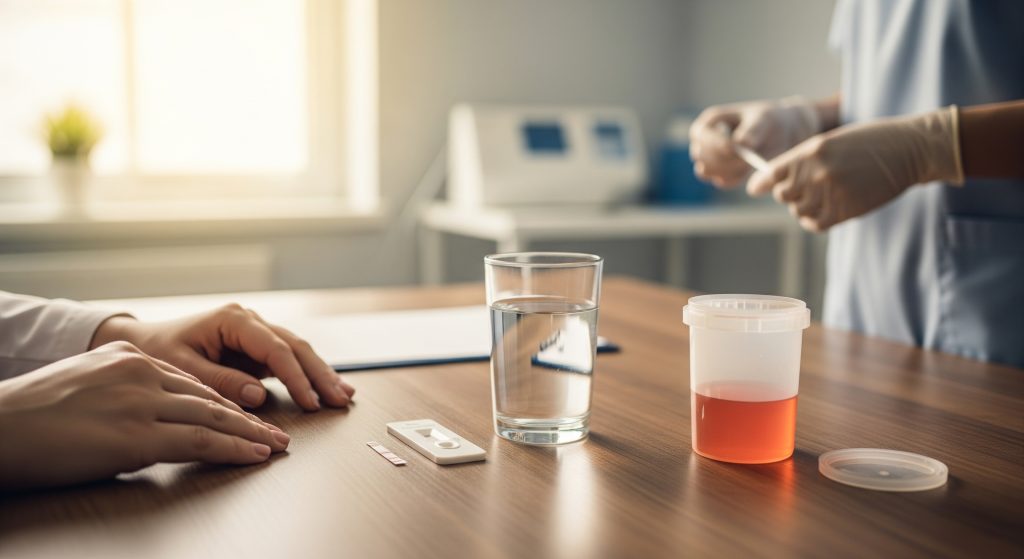
This is the first-line screen. I confirm the presence of red cells, note protein or white cells, and check for crystals. Microscopy also distinguishes true blood from pigment or contamination.
Urine Culture Testing
When infection is suspected, culture identifies the organism and its antibiotic sensitivity. This prevents under-treatment and avoids unnecessary broad-spectrum use. It is a small step that saves time and risk.
Blood Tests for Kidney Function
Serum creatinine, estimated GFR, and electrolytes reveal how well the kidneys filter. I add inflammatory markers if glomerulonephritis is on the table. Results guide urgency and next actions.
Imaging Tests for Urinary System
Ultrasound surveys kidneys and bladder for stones, obstruction, or masses. CT urography offers finer detail when stones or tumours are likely. Choice depends on symptoms, age, and renal function.
Cystoscopy Procedure
A thin camera inspects the bladder and urethra directly. I recommend this if visible blood recurs, or risk factors suggest malignancy. It answers the key question: is there a bleeding source in the bladder.
Taking Action on Blood in Urine
I follow a structured approach so nothing important is missed. It is basically a short, disciplined checklist.
-
Document the episode: timing, colour, pain, fever, exercise, recent travel, and new medications.
-
Book prompt assessment if blood persists beyond 24 hours, is visible, or recurs.
-
Request core blood in urine tests: urinalysis with microscopy, culture, kidney function, and imaging if indicated.
-
Pause high-risk over-the-counter painkillers, unless medically necessary. Discuss prescribed blood thinners before any changes.
-
Hydrate, limit heavy exertion, and avoid high-impact sport until reviewed.
-
Escalate urgently for clots with urinary retention, severe flank pain, or fever with shaking chills.
Two brief examples illustrate the point. A runner presents after a marathon with cola-coloured urine and no pain; rest and repeat testing confirm resolution within days. A 62-year-old smoker notices painless red urine once, then again two weeks later; that pattern warrants cystoscopy without delay. Different stories. Different stakes.
Here is what this means. Speed matters, but so does sequence. Start with fundamentals, then layer targeted tests. That is how avoidable delays are prevented.
Frequently Asked Questions
Can dehydration cause blood in urine?
Dehydration can concentrate urine and irritate the tract, which may reveal minor bleeding. It also promotes stone formation. Persistent bleeding still requires evaluation.
Is blood in urine always visible to the naked eye?
No. Microscopic haematuria is common and detected only on urinalysis. It deserves the same structured review as visible bleeding.
When should I seek immediate medical attention for blood in urine?
Seek urgent care for visible blood with clots, inability to pass urine, severe flank pain, or high fever. Do not delay.
Can certain foods cause red or pink urine that looks like blood?
Yes. Beetroot, blackberries, and some colourants can tint urine. If unsure, arrange urinalysis to differentiate pigment from true blood.
How long does it take to diagnose the cause of blood in urine?
Initial results are available within days. Complete diagnosis, including imaging or cystoscopy, may take one to three weeks, depending on access.

