






 We do what's right for you...


Ulcerative Colitis Diet Chart for Every Age Group in India
Dr. Prajwal S
Conventional advice treats all patients the same. That rarely works for an ulcerative colitis diet. I take an age-specific view instead, because nutritional needs shift with growth, activity, hormones, and co-morbidities. The aim is simple: steady remission, minimal irritation, and enough calories and micronutrients to live well. I outline clear, India-friendly options here, with a practical ulcerative colitis diet chart at each stage.
Age-Specific Ulcerative Colitis Diet Chart for Indian Patients
1. Toddlers (1-3 Years): Gentle First Foods
In this phase, I prioritise gut comfort and steady weight gain. Texture matters as much as ingredients. I choose soft, well-cooked foods and avoid obvious triggers while monitoring tolerance.
-
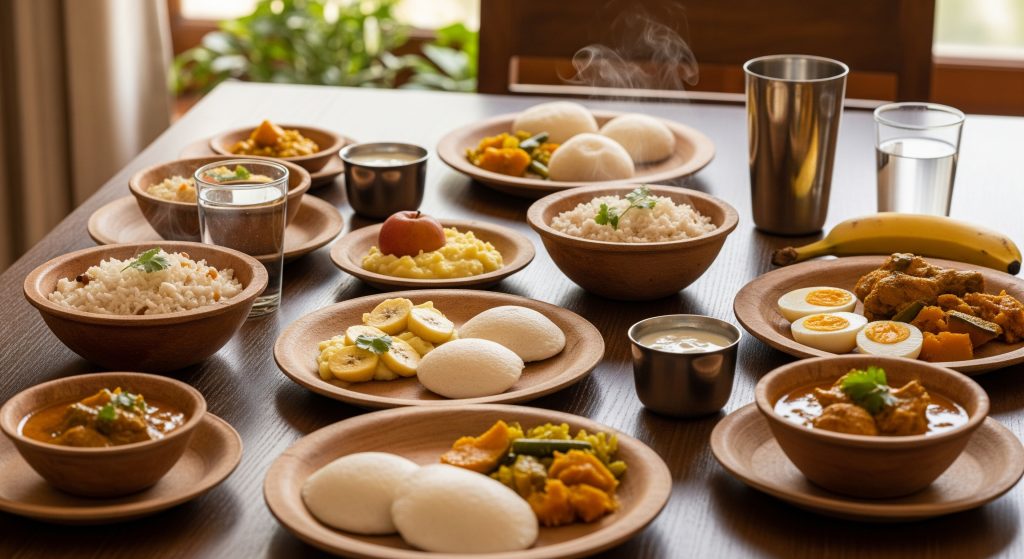
Focus foods: rice porridge, moong dal khichdi, soft idli, well-cooked carrots, mashed potato, banana, stewed apple.
-
Protein: moong dal, mashed paneer if dairy is tolerated, egg yolk introduced cautiously.
-
Fats: a few drops of ghee for energy density and flavour.
-
Avoid roughage: raw vegetables, corn, whole nuts, and spicy chutneys.
|
Meal |
Ulcerative colitis diet chart – toddler options |
|---|---|
|
Breakfast |
Soft idli with a thin dal; or rice porridge with a little ghee. |
|
Mid-morning |
Mashed banana; or stewed apple purée. |
|
Lunch |
Moong dal khichdi with well-cooked carrots; a spoon of curd if tolerated. |
|
Evening |
Ragi porridge thinned with water or lactose-free milk. |
|
Dinner |
Soft rice with thin moong dal and mashed potato. |
I keep portions small and frequent. That helps during teething or minor infections. Gentle and consistent.
2. School-Age Children (6-12 Years): Balanced Growth Diet
For school children, the ulcerative colitis diet must balance growth, school energy, and convenience. Packed lunches need softer textures and low spice.
-
Complex carbs: soft rice, thin roti, poha, upma, semolina porridge.
-
Proteins: moong, masoor, chicken stew, egg, paneer if tolerated.
-
Fruits: banana, ripe papaya, stewed pear, seeded-less watermelon slices.
-
Vegetables: peeled, cooked carrots, lauki, tori, pumpkin, beetroot.
|
Meal |
Ulcerative colitis diet chart – school-age options |
|---|---|
|
Breakfast |
Upma with grated, well-cooked carrot; or plain omelette with thin roti. |
|
Snack |
Banana; or plain yoghurt if lactose is tolerated. |
|
Lunch |
Soft rice, lauki dal, and a small chicken stew portion. |
|
After school |
Poha with peanuts removed if sensitivity exists; or a small smoothie. |
|
Dinner |
Khichdi with ghee and steamed tori. |
I encourage a simple diary to track foods and symptoms. Patterns appear quickly and guide the ulcerative colitis diet plan.
3. Teenagers (13-17 Years): Energy-Rich Safe Foods
Teenagers in India need sustained energy for studies and sport. During active growth, the ulcerative colitis diet should be energy dense yet gentle on the gut.
-
Energy sources: cooked grains, oats, rice, and thin rotis with ghee or olive oil.
-
Proteins: egg, chicken, fish, tofu, dal, and paneer if tolerated.
-
Snack ideas: banana, yoghurt, soft smoothies, and oatmeal.
-
Minerals: regular sources of calcium and iron for bone health and stamina.
|
Meal |
Ulcerative colitis diet chart – teen options |
|---|---|
|
Breakfast |
Oats with banana plus peanut butter if tolerated; or egg bhurji with thin roti. |
|
School snack |
Yoghurt cup or a homemade smoothie with ripe mango and curd. |
|
Lunch |
Rice with dal and grilled chicken or fish; cooked carrots on the side. |
|
Evening |
Oatmeal with stewed apple; or paneer tikka with mild seasoning. |
|
Dinner |
Khichdi with ghee and a soft vegetable like pumpkin; add yoghurt if tolerated. |
During flare-ups I switch to easier textures. Smoothies and thoroughly cooked vegetables reduce irritation while maintaining calories.
4. Young Adults (18-24 Years): Active Lifestyle Nutrition
College and first jobs bring irregular routines. I design an ulcerative colitis diet plan that survives canteen menus and busy days.
-
Core plate: cooked rice or millet, mild dal, and a lean protein like egg or grilled chicken.
-
Healthy fats: ghee in small amounts, sesame oil, or groundnut oil in home cooking.
-
Smart swaps: baked or air-fried options instead of deep fried snacks.
-
Trigger awareness: watch dairy, spicy gravies, and insoluble fibre during flares.
|
Situation |
Practical choice |
|---|---|
|
Hostel breakfast |
Plain dosa with sambar strained of solids; or boiled eggs with bread. |
|
Canteen lunch |
Rice, dal, grilled chicken or paneer, and a soft vegetable curry. |
|
Late study snack |
Banana smoothie with curd or lactose-free milk; or thick oats. |
|
Weekend eating out |
Tandoori options, low spice, with rice or plain naan for balance. |
I also build a backup kit: bananas, yoghurt, ORS, and soft biscuits. It helps on travel days and during mild flares.
5. Adults (25-49 Years): Comprehensive Diet Management
Work, parenting, and stress can complicate symptoms. A stable ulcerative colitis diet balances predictability with micronutrient sufficiency.
-
Plate method: half soft vegetables, one quarter cooked grains, one quarter protein.
-
Proteins: fish twice a week, eggs, tofu, dals, and lean chicken.
-
Carbohydrates: rice, oats, idli, chapati with finely milled flour, or millet if well tolerated.
-
Vegetables: pumpkin, lauki, tori, beetroot, peeled cucumber, cooked spinach if tolerated.
|
Meal |
Ulcerative colitis diet chart – adult options |
|---|---|
|
Breakfast |
Idli with a thin coconut chutney; or vegetable oats with ghee. |
|
Mid-morning |
Buttermilk or curd if tolerated; or a ripe banana. |
|
Lunch |
Rice, dal, and fish curry with mild spice; side of steamed lauki. |
|
Evening |
Roasted chana if tolerated; or a small smoothie. |
|
Dinner |
Khichdi with ghee, and sautéed pumpkin or carrots. |
I monitor iron, B12, vitamin D, calcium, and weight quarterly, especially after flares. Small course corrections prevent deficits.
6. Mature Adults (50-69 Years): Nutrient-Dense Options
At this stage I prioritise bone health, muscle preservation, and cardiovascular risk. The ulcerative colitis diet remains gentle, but denser with protein and calcium.
-
Protein with every meal: eggs, fish, tofu, curd or paneer if tolerated, dals, and lean chicken.
-
Calcium and vitamin D: dairy or fortified alternatives, sensible sunlight, and checks as advised.
-
Fibre caution: continue cooked, peeled vegetables; add psyllium under guidance if helpful.
|
Meal |
Ulcerative colitis diet chart – mature adult options |
|---|---|
|
Breakfast |
Vegetable oats with egg; or paneer bhurji with soft chapati. |
|
Snack |
Buttermilk or lassi diluted, if lactose tolerant; or soy yoghurt. |
|
Lunch |
Rice, thin dal, and grilled fish; steamed beetroot on the side. |
|
Evening |
Soft fruit like ripe papaya; or boiled sweet potato. |
|
Dinner |
Moong dal khichdi with ghee and sautéed lauki. |
Medication timing and meals must align. I keep the routine consistent to reduce gut stress and improve absorption.
7. Seniors (70+ Years): Easy-to-Digest Meals
For seniors, chewing, appetite, and co-medications influence the ulcerative colitis diet. I choose soft, moist foods and prioritise hydration.
-
Small, frequent meals: five or six gentle servings per day.
-
Proteins: eggs, fish, curd or paneer if tolerated, well-cooked legumes in small portions.
-
Carbohydrates: rice, semolina, idli, soft chapati with ghee.
-
Vegetables: well-cooked, peeled, and lightly seasoned options.
|
Meal |
Ulcerative colitis diet chart – senior options |
|---|---|
|
Breakfast |
Semolina porridge with milk or lactose-free milk; or soft idli with sambar. |
|
Mid-morning |
Stewed pear; or banana mashed with curd. |
|
Lunch |
Rice with thin dal and a mild fish curry; cooked pumpkin. |
|
Evening |
Thin poha with peas removed if gas occurs; or a warm milk drink. |
|
Dinner |
Khichdi with ghee, and mashed carrots or lauki. |
I also screen for swallowing difficulty and low appetite. Fortified drinks or soups can bridge gaps on low intake days.
Essential Foods to Avoid with Ulcerative Colitis
High-Fibre Trigger Foods
Insoluble fibre can aggravate symptoms during flares. I reduce raw vegetables, salads, sprouts, coarse bran, and whole pulses with skins. When remission is stable, I reintroduce soluble fibre first. Cooked carrots, pumpkin, and peeled fruits tend to be safer. The sequence matters.
Dairy Products and Lactose
Lactose tolerance varies widely. I do not remove dairy reflexively from an ulcerative colitis diet. Instead, I test curd, buttermilk, and paneer in small amounts. If bloating or diarrhoea follows, I switch to lactose-free milk or fortified soy alternatives. Calcium and protein must remain adequate.
Spicy Indian Foods and Masalas
Highly spicy dishes can irritate an already sensitive gut. I trim back red chilli, green chilli, garam masala, and pepper during flares. Gentle aromatics like cumin, fennel, and hing in small amounts often work better. Balance heat with texture and timing. Moderation protects the gut lining.
Processed and Fried Items
Deep fried snacks and ultra-processed foods often worsen symptoms. I avoid packaged namkeen, instant noodles, and repetitive fried street foods during recovery. Home cooked options with controlled oil and salt are safer. It is a simple lever with outsized benefits.
Alcohol and Caffeine
Alcohol and strong coffee can trigger urgency and diarrhoea. During flares, I recommend strict avoidance. In remission, individual tolerance guides decisions, but I still limit intake. Hydration and meal pairing reduce risk if small amounts are chosen. When in doubt, abstain.
Creating Your Personalised Ulcerative Colitis Diet Plan
Morning Meal Options
I begin the day with warm, soft foods that settle the gut. This sets a calm baseline for the rest of the day.
-
Idli with thin sambar, vegetable oats, poha, or semolina porridge.
-
Protein: boiled egg, curd, paneer bhurji if tolerated.
-
If sensitive, avoid raw onions, chillies, and heavy chutneys.
Midday Snack Choices
Snacks should be predictable and portable. I avoid long gaps that provoke acidity and hunger-driven choices.
-
Banana, stewed apple, papaya, or yoghurt if tolerated.
-
Small smoothie with curd or lactose-free milk and ripe fruit.
-
Roasted chana or peanuts only if gas is not an issue.
Lunch Combinations
Lunch anchors the ulcerative colitis diet plan. I build the plate with calm flavours and sufficient protein.
-
Rice or thin chapati, mild dal, and a lean protein like chicken, egg, fish, tofu, or paneer.
-
Vegetables: lauki, tori, pumpkin, cooked carrots, beetroot, peeled cucumber raita.
-
Finish with curd if lactose tolerant, else choose buttermilk or soy yoghurt.
Evening Tea-Time Foods
This is the danger window for fried snacks. I plan ahead to avoid impulsive choices.
-
Oats chilla, baked dhokla, or upma with soft vegetables.
-
Banana or a small smoothie for steady energy.
-
Tea with milk can be fine; reduce strength and spice.
Dinner Recommendations
Dinner should be digestible and calming. I keep it early where possible.
-
Khichdi with ghee, soft rice with fish curry, or egg curry with rice.
-
Vegetables: steamed lauki, pumpkin, or carrots with minimal spice.
-
Avoid raw salads at night during flares.
Hydration and Beverages
Hydration is a quiet game changer. I aim for clear fluids spread through the day.
-
Water, ORS during symptoms, thin buttermilk, or coconut water if tolerated.
-
Limit strong coffee and undiluted fruit juices during flares.
-
Alcohol avoidance is prudent in unstable phases.
Managing Flare-Ups and Remission Phases
Flare-Up Diet Modifications
During flares I shift decisively. Texture softens, fibre drops, and spices reduce.
-
Base: rice porridge, semolina porridge, thin khichdi, and strained dal.
-
Proteins: egg, yoghurt if tolerated, soft paneer, and tender chicken or fish.
-
Avoid raw vegetables, coarse grains, chillies, and fried items.
-
Use small, frequent meals and increase fluids.
It is basically a gut rest protocol with adequate calories. Comfort first. Nutrition always.
Remission Phase Food Reintroduction
Once symptoms settle, I expand carefully. One new food every two to three days works well. I start with soluble fibre sources and mild spices. If no symptoms, I step up portions. If issues recur, I pause that item and retry later. Slow is efficient.
Supplement Requirements
Supplements in an ulcerative colitis diet plan are context specific. I use them to close gaps created by restricted intake or malabsorption.
-
Common needs: iron, vitamin B12, vitamin D, calcium, and folate.
-
Sometimes: omega-3 fatty acids and a probiotic with clinical backing.
-
Always coordinate with treating clinicians to avoid interactions.
Dose and duration depend on labs and symptoms. Roughly speaking, scheduled reassessment prevents both deficiency and excess.
Traditional Indian Remedies
Traditional approaches can complement evidence-based care. The priority remains safety and consistency with current therapy. As The Efficacy of Ayurvedic Herbs in the Prevention and Treatment of Inflammatory Bowel Disease summarised, a literature review spanning January 2003 to September 2023 reported anti-inflammatory properties in certain Ayurvedic herbs.
-
Curcumin from turmeric is promising, especially as an adjunct during remission.
-
Gentle spices like cumin and fennel may aid comfort in small amounts.
-
Yoga and meditation help reduce stress, which can modulate symptoms.
I avoid self-prescription of potent herbs. Medical oversight protects against interactions and inconsistent dosing. Prudence pays.
Conclusion
A one-size template will not serve a complex condition. An ulcerative colitis diet must reflect age, phase, and tolerance. Use the age-wise ulcerative colitis diet chart here to set a calm baseline, then personalise. Keep a short food-symptom log, plan for flares, and protect micronutrients. This approach is steady, not flashy. But it works.
Frequently Asked Questions
Can I eat rice and dal with ulcerative colitis?
Yes, in most cases. Rice with a mild dal is a core part of an ulcerative colitis diet. I prefer well-cooked rice and a thin dal during flares. In remission, standard textures are usually acceptable.
Which fruits are safe during UC flare-ups?
I choose low fibre, ripe, and soft options. Banana, stewed apple, ripe papaya, and peeled ripe pear are sensible picks. I avoid raw guava, pineapple, and citrus pith during symptoms.
How often should I update my ulcerative colitis diet chart?
Review every 8 to 12 weeks, or after any flare. The ulcerative colitis diet chart should evolve with tolerance, labs, and activity levels. Short, regular updates beat dramatic resets.
Are probiotic foods like curd beneficial for UC patients?
They can be, if lactose is tolerated. Curd or buttermilk may support gut comfort in remission. During flares, start small and assess. If dairy triggers symptoms, consider lactose-free or specific probiotic supplements under guidance.
What breakfast options work best for children with ulcerative colitis?
Soft, warm, and low spice options. Idli with thin sambar, semolina porridge, vegetable oats, or egg with thin roti work well. I avoid raw chutneys and heavy masalas during sensitive periods.
Should I completely avoid wheat and gluten?
Not by default. Unless coeliac disease or clear gluten sensitivity is present, a standard ulcerative colitis diet can include wheat. During flares, choose softer chapatis or rice, then reintroduce as symptoms allow.

