






 We do what's right for you...


UGIE Test Explained: What to Expect During the Procedure
Dr. Urvashi Gupta
Common advice suggests that an endoscopy is always painful and unpredictable. That view is out of date. With a clear plan, the UGIE Test is structured, brief, and highly informative. You will know what happens, how to prepare, what recovery looks like, and how to read the results. This guide keeps the process practical and precise, so you walk in confident and walk out informed.
What Happens During an Upper GI Scope Test
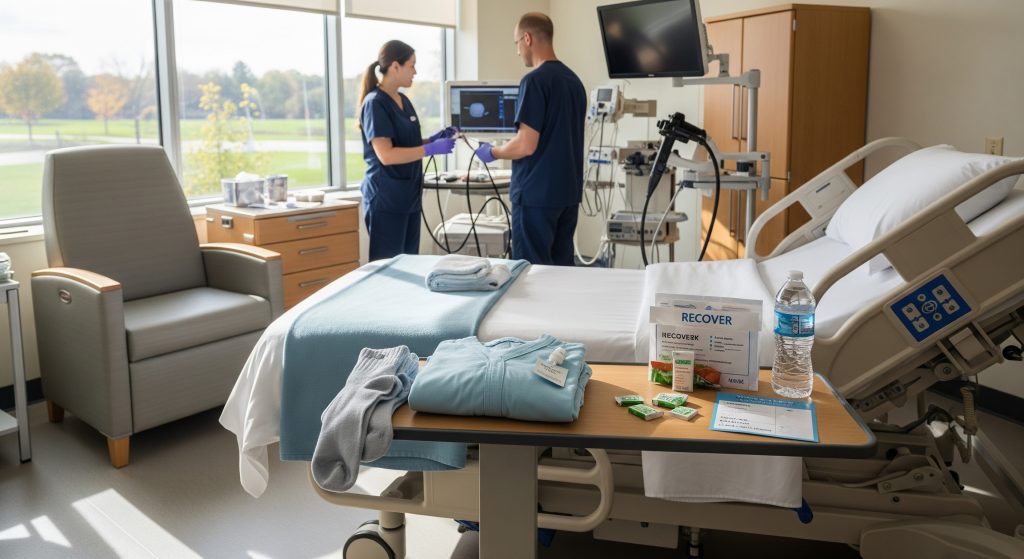
1. Arrival and Pre-Procedure Setup
Your arrival involves check-in, a brief safety review, and confirmation of fasting. As Mayo Clinic notes, stopping food and drink at least 8 hours before reduces risk and keeps views clear. Depending on instructions, you may take essential medicines with small sips of water. Many units allow clear liquids up to 4 hours before, then nothing after that, as Stanford Healthcare explains.
Staff confirm allergies, medications, and escort details. Transport home must be arranged in advance. As Northwestern Medicine advises, discuss blood thinners early with your doctor. Diabetes medicines and timing are also reviewed for safety, as UW Health advises.
-
Wear loose clothing and keep valuables at home.
-
Expect a cool room and bring socks if you prefer warmth.
-
Confirm the escort who will take you home after sedation.
2. Sedation and Throat Preparation
You will receive sedation to reduce discomfort and anxiety. As StatPearls notes, midazolam or propofol are commonly used, with continuous monitoring throughout. Many units use a numbing spray for your throat to suppress the gag reflex. Moderate sedation often pairs a benzodiazepine with an opioid, which is standard practice, as PMC outlines.
Risks are low but real. Sedation needs careful assessment and monitoring to reduce respiratory or cardiovascular issues, as PMC emphasises. You will fast for 6 to 8 hours beforehand to minimise aspiration risk, which MyHealth Alberta supports. The team adapts the sedative plan to your profile and the procedure complexity. That tailoring matters.
3. Insertion of the Endoscope
After sedation, the endoscopist introduces a thin, flexible camera through your mouth. The scope passes the throat into the oesophagus. Technique keeps the process safe and steady. As STANDARD TREATMENT GUIDELINES detail, correct posture, controlled grip, and precise tip deflection help navigate curves and avoid trauma.
In practice, the team suctions saliva for visibility and airway protection, as StatPearls notes. Trainees learn patient positioning and smooth intubation across the oral cavity and pharynx into the oesophagus. As PMC explains, mastering scope control reduces blind spots and improves diagnosis. A small detail, but it changes outcomes.
4. Examination of Upper Digestive Tract
The camera visualises the oesophagus, stomach, and duodenum. You benefit from real-time, high-definition views. As NCBI explains, a gastroscopy inspects these areas directly. The UGIE Test can diagnose reflux disease, ulcers, or strictures and can also treat selected issues during the same session, as Mayo Clinic notes.
Direct visualisation matters when scans are nondiagnostic. As clinical guidelines highlight, endoscopy often reveals causes of symptoms like dysphagia that imaging misses. You get answers without guesswork. Often quickly.
5. Tissue Sampling and Interventions
If the doctor sees something that needs confirmation, small biopsies are taken. As StatPearls notes, forceps and brushes allow targeted sampling of suspicious or inflamed areas. Many biopsies feel like nothing to you. Devices can also treat bleeding or open narrowed areas when indicated, as Mayo Clinic indicates.
Sampling should serve decision-making. As PMC advises, biopsies are warranted when results can change management. Technique and device selection influence diagnostic yield, which the European Society endorses, as PubMed summarises. The collection is typically quick once an abnormality is identified, as ErnestCastroMD explains.
6. Procedure Completion and Duration
The scoped examination usually takes 10 to 30 minutes. As STANDARD TREATMENT GUIDELINES note, timing depends on findings and any therapy performed. Total time on site runs longer due to preparation and recovery. You will recover under observation for about an hour, as clinical guidance states.
In real terms, plan for a few hours at the facility. As PMC reports, sedation and rare complications can extend recovery. The UGIE Test itself is brief. The surrounding steps are where time accumulates.
Preparing for Your Esophagogastroduodenoscopy
Fasting Requirements Before UGIE
Fasting protects your airway and improves visibility. As StatPearls notes, you typically fast for at least 6 hours and may take clear fluids up to 2 hours before. Many hospitals recommend no solids for 8 hours and clear liquids until 2 hours prior, as Cleveland Clinic indicates.
-
Stop solid food the night before unless advised otherwise.
-
Clear liquids only, then nil by mouth as instructed.
-
Avoid milk, smoothies, and opaque supplements before the UGIE Test.
Medications to Stop or Continue
Blood thinners and antiplatelets need a tailored plan. As PMC outlines, low-risk procedures may proceed on clopidogrel, while high-risk interventions often require stopping it 5 days prior. Aspirin is usually continued when thrombotic risk is high. DOACs may be omitted the morning of low-risk procedures or stopped 48 hours before higher risk work.
This is not one-size-fits-all. As PMC notes, coordination between your endoscopist and cardiologist balances bleeding and clotting risk. Many centres ask you to contact the GI service 14 days ahead for medicines planning, as VA advises. Diabetes medications may need timing changes, as UConn Health explains.
Medical History and Consent Forms
Before the UGIE Test, you will provide a concise medical history. Informed consent explains indications, benefits, risks, and alternatives. As ASGE stresses, consent should be comprehensive and clearly documented. History taking helps plan sedation and mitigates risk, as PMC details.
Consent also covers flexibility. You authorise necessary treatments that may arise unexpectedly during the procedure, as Endoscopy of Bucks County notes. Common risks such as bleeding or perforation are discussed beforehand, as Skyline Endoscopy Center shows in its template.
Arranging Transportation Home
After sedation, you must not drive. An adult escort is required for safe travel. As GIE Journal indicates, unaccompanied rideshare is usually unacceptable. Many units will postpone your UGIE Test if no escort is confirmed, as HR Gastro notes.
If transport is a barrier, alternatives exist. Pre-arranged medical transport can help, as Mayo Clinic Press suggests. Some services provide a trained escort from hospital to home, as Amera advertises. Unsedated transnasal endoscopy removes the transport issue, though it is not standard for all cases, as PMC reports.
What to Wear and Bring
Choose simple, comfortable attire. Wear loose clothing and flat shoes. Bring necessary documents and leave valuables at home. As Mayo Clinic notes, procedure rooms can be cold, so socks help. Short sleeves under the gown are practical, as Stanford Healthcare suggests.
|
Bring or Wear |
Reason |
|---|---|
|
Photo ID and medication list |
Accurate records and safety checks |
|
Loose, short-sleeve top |
Easy monitoring and gowning |
|
Socks and flat shoes |
Comfort in a cool room and safer footing |
|
No jewellery or valuables |
Security and procedural ease |
Recovery After Upper Gastrointestinal Endoscopy
Immediate Post-Procedure Monitoring
Recovery begins in a monitored area. Nurses check your pulse, blood pressure, breathing, and comfort. As STANDARD TREATMENT GUIDELINES outline, observation continues until you are alert and stable. Discharge requires clear criteria such as the Aldrete score and an escort present, as PMC explains.
You may feel bloated or drowsy. That usually settles within hours. Most patients leave the unit the same day, as Hamilton GI describes. Plan for rest and simple food later.
Managing Throat Discomfort
A mild sore throat is common. It often resolves within a few days. As PMC reported, throat soreness can occur and correlates with longer procedures. Hydration, warm salt water gargles, and lozenges can help, as DDCOC advises.
-
Gargle light salt water a few times daily.
-
Stay well hydrated and avoid very hot or spicy foods.
-
Use simple lozenges if needed.
As UW Health notes, contact your clinician if soreness persists beyond two to three days or if swallowing worsens. A quick call prevents guesswork.
Dietary Restrictions After UGIE
Start small and progress steadily. Many patients begin with clear liquids, then soft foods as swallowing feels normal. As Baptist Health recommends, move from liquids to yoghurt, porridge, and scrambled eggs over the next day or two. Warm and cold liquids both help, as GoodRx notes.
Avoid crunchy, sticky, or irritating foods during the first 24 to 48 hours. That simple filter reduces discomfort, as PMC advises. Small, frequent meals work best. So does patience.
Returning to Normal Activities
Most people resume normal activities the next day. Do not drive, drink alcohol, or sign legal documents for 24 hours. As GI Tampa notes, arrange a responsible adult to take you home and support you that day. Older age and higher sedation doses may prolong recovery, as PMC reports.
Light work is fine once you feel fully alert and steady. Heavy lifting can wait a day. Your body has signalled enough for now. Listen to it.
Warning Signs Requiring Medical Attention
Seek urgent advice for serious symptoms. As clinical guidelines list, red flags include severe chest or abdominal pain, persistent vomiting, difficulty swallowing, fever, or significant bleeding. Respiratory distress or ongoing vomiting also warrant immediate help, as PMC advises.
1 in several thousand cases may involve perforation or significant bleeding. These are rare but serious events requiring prompt care.
As PMC notes, recognising serious post-procedure pain or bleeding quickly improves outcomes. Normal bloating or mild soreness is expected. Rapidly worsening pain is not.
Understanding UGIE Test Results and Potential Risks
Common Findings During Endoscopy
Your UGIE Test report usually arrives with images and a narrative. Findings range from normal mucosa to inflammation or ulceration. In a large review, gastritis accounted for a sizeable proportion of reports, with normal exams also common, as PMC summarises. Reflux disease and oesophagitis appear regularly, reflecting prevalent symptoms.
Patterns vary by age and setting. Paediatric series show high rates of erythema and chronic gastritis, as PubMed reports. Your clinician will align findings with your symptoms and test results. Context drives decisions.
Biopsy Results Timeline
Expect a wait for histology. Most biopsy results return within 1 to 2 weeks, as Cleveland Clinic notes. NHS guidance points to a similar timeframe, as NHS explains. Timelines vary with workload and complexity, as PMC emphasises.
Delays do occur. Some patients report far longer waits, which heightens anxiety, as CareOpinion illustrates. If timing stretches, ask your unit for an update. That call is reasonable. It also helps planning.
Minor Side Effects to Expect
Short-lived effects are typical. Mild sore throat, hoarseness, or bloating are common and usually settle in days. As Mayo Clinic notes, air used during the UGIE Test can cause temporary fullness. Simple measures like hydration and walking help. As Cleveland Clinic adds, discomfort generally resolves quickly.
Rare but Serious Complications
Serious complications are rare, but they justify vigilance. Cardiopulmonary events related to sedation represent most adverse events, as PMC reports. Perforation rates are low, roughly between 1 in 2500 and 1 in 11000 procedures, and risk rises with strictures. Bleeding risk is also low and depends on interventions. Careful selection and monitoring reduce these risks, as StatPearls underscores.
Follow-up Appointments and Further Testing
Your follow-up confirms results and next steps. If biopsies show infection or atrophy, targeted management follows. Non-invasive tests can support care plans, as PMC notes regarding serological panels. Units typically schedule follow-up within a defined window to review the UGIE Test report and symptoms, as SAGE summarises.
Further tests depend on findings and risk. As UHC guidance outlines, abnormal results may warrant repeat endoscopy or complementary investigations. Follow-up also checks for late complications, as BMJ Open Gastro notes.
Making Your UGIE Test Experience Smoother
-
Confirm instructions in writing. Put fasting cut-offs and medicine timing in your calendar.
-
Prepare a simple aftercare plan. Clear fluids, soft food, and a quiet evening at home.
-
Book reliable transport with a named escort. Have a backup if plans change late.
-
List two questions you want answered. For example, cause of symptoms and next steps if biopsies are abnormal.
-
Know the red flags to watch at home. Save the unit’s contact number in your phone.
One more practical tip. Pack a small recovery kit: water, lozenges, a light snack, and your medication list. It keeps the day simple. It also reduces avoidable stress during the UGIE Test journey.
Frequently Asked Questions
How painful is an upper GI scope test?
With sedation and throat numbing, most people report pressure rather than pain. Minor throat soreness may occur afterward. The upper gi scope test prioritises comfort, and modern sedation is effective. Discomfort is usually brief and manageable.
Can I drive myself home after esophagogastroduodenoscopy?
No. Sedation impairs coordination and judgement for at least 24 hours. Arrange an adult escort to take you home. Rideshare without a responsible adult is commonly unacceptable after esophagogastroduodenoscopy.
How long does the UGIE procedure take from start to finish?
The scope time is often 10 to 30 minutes. Total time at the facility is usually a few hours, including preparation and recovery. Plan your day accordingly for the UGIE Test.
What conditions can upper gastrointestinal endoscopy diagnose?
Typical diagnoses include reflux disease, gastritis, ulcers, coeliac disease, Barrett’s oesophagus, varices, and strictures. Upper gastrointestinal endoscopy also enables treatment such as dilatation or bleeding control during the same session.
Is sedation always necessary for UGIE test?
Sedation is standard because it improves comfort and procedural quality. Some centres offer unsedated transnasal approaches for selected cases. For the UGIE Test, sedation remains the norm.
How often should I have an upper GI scope test?
Frequency depends on symptoms, findings, and risk factors. Surveillance schedules are personalised and follow guideline intervals. Your clinician will advise based on the UGIE Test results and your history.
Can children undergo esophagogastroduodenoscopy safely?
Yes, paediatric endoscopy is routinely performed with specialised teams and equipment. Safety and sedation protocols are adapted to age and weight. Parents receive tailored preparation and recovery guidance.
UGIE Test, UGIE Test, UGIE Test

