






 We do what's right for you...


Top Benefits of Anti-Pimple Cream with Natural Ingredients
Dr. Payal Gupta
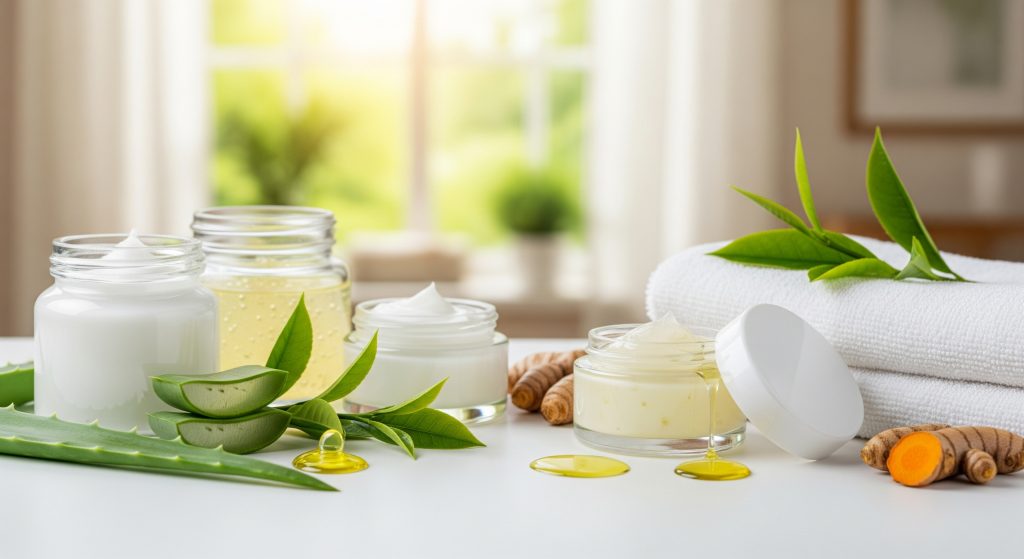
Harsh spot treatments promise speed. They often deliver irritation instead. I prefer a disciplined, ingredient-first approach that calms skin and keeps it clear. An anti-pimple cream built on proven botanicals can reduce redness, address bacteria, and respect the skin barrier. It is basically a smarter long-term strategy. Below, I explain how this works in practice and how to pick a formula that fits your skin.
Top Benefits of Anti-Pimple Cream with Natural Ingredients
1. Reduces Inflammation Without Harsh Chemicals
I look for an anti-pimple cream that settles inflammation without stripping. Botanicals such as aloe vera, green tea, and calendula modulate redness while maintaining comfort. This reduces the urge to over-exfoliate, which often worsens breakouts. Calm skin heals faster.
-
Targets redness with gentle anti-inflammatories.
-
Avoids the rebound irritation of aggressive acids used too often.
-
Supports barrier function, so spots flatten with fewer side effects.
2. Prevents Future Breakouts Naturally
Prevention is not glamorous, but it is decisive. A well-formulated anti-pimple cream can discourage congestion by keeping pores clearer and skin microbiome balanced. Light keratolytics from willow bark and tea tree can limit build-up. Fewer blockages mean fewer flare-ups.
3. Balances Oil Production
I prioritise formulas that reduce excess sebum without desiccating the skin. Niacinamide, green tea, and witch hazel help regulate shine in a measured way. This matters because cracked or dehydrated skin often produces more oil as compensation. Balance, not blunt force, wins here.
-
Light hydration maintains the skin’s natural moisturising factor.
-
Non-comedogenic emollients prevent tightness that triggers overproduction.
-
Shine control stays stable through the day.
4. Heals Existing Pimples Faster
Speed still matters. I select an anti-pimple cream with targeted actives that address four needs at once: reduce swelling, fight bacteria, dissolve debris, and protect the barrier. When these levers are aligned, spots flatten more quickly and makeup sits better on healing skin.
5. Minimises Acne Scars and Dark Spots
Post-inflammatory marks tend to linger longer than the original pimple. Ingredients like liquorice, azelaic acid alternatives, and gentle acids from natural sources help even tone gradually. An anti-pimple cream that tackles both the blemish and the mark saves time and cost later.
Fading marks demands consistency. Pigment pathways respond to steady, low-irritation care.
6. Soothes Irritated Skin
Fragile, over-exfoliated skin is a common scenario. I value formulas that include humectants such as glycerin and panthenol to rebuild comfort. This reduces transepidermal water loss (TEWL) and makes active treatment sustainable. Softer skin, better adherence, fewer setbacks.
7. Provides Antibacterial Protection
P. acnes thrives in clogged, oily environments. Tea tree oil and neem offer broad support while respecting commensal flora to an extent. An anti-pimple cream that moderates bacterial load without scorched-earth tactics helps avoid the dryness spiral. Balance again.
8. Maintains Skin pH Balance
Effective products keep pH in the mildly acidic range. This supports the acid mantle and enzyme function for healthy shedding. I aim for an anti-pimple cream that works within this window, so actives perform and the barrier stays resilient.
Key Natural Ingredients That Fight Pimples Effectively
Tea Tree Oil Properties
I use tea tree in carefully controlled concentrations to reduce breakout-causing bacteria. It also supports decongestion when paired with humectants. The result is fewer inflamed lesions with less dryness than harsher antiseptics.
Neem Extract Benefits
Neem reinforces the antibacterial objective and may assist with minor irritation control. In an anti-pimple cream, it pairs well with soothing agents to balance potency and comfort. It is a quiet workhorse in supportive blends.
Aloe Vera Healing Power
Aloe vera is a reliable calmer. I value it for its ability to reduce visible redness and support hydration while actives do their job. When a formula uses aloe vera, application comfort improves, so consistent use becomes easier.
Turmeric Anti-inflammatory Effects
Curcumin derivatives in skincare can help reduce the appearance of inflammation. I prefer low-staining, modern extracts that integrate cleanly. In practice, they complement other actives without causing new irritation.
Salicylic Acid from Willow Bark
Willow bark provides natural salicylates that help clear pores. The keratolytic action keeps microcomedones from escalating. In an anti-pimple cream, this is often the quiet hero behind steady clarity.
Green Tea Antioxidants
Green tea offers antioxidant and oil-modulating support. It helps temper visible redness after cleansing. I consider it a staple for shine control without the tight feeling that can follow astringents.
Witch Hazel Astringent Properties
Witch hazel can deliver a mild tightening effect that reduces the look of enlarged pores. I prefer alcohol-free forms to avoid dryness. When used judiciously, it complements oil-balancing routines well.
Choosing the Right Natural Anti-Pimple Cream for Different Skin Types
Best Pimple Cream for Oily Skin
For oily skin, I recommend lightweight gels with willow bark, niacinamide, and green tea. The best pimple cream for oily skin should reduce shine, keep pores clear, and maintain hydration. A non-comedogenic base prevents the heavy finish that causes congestion later.
|
Need |
What to look for |
|---|---|
|
Shine control |
Niacinamide, green tea, light zinc |
|
Pore clarity |
Willow bark salicylates, low-level acids |
|
Comfort |
Aloe vera, glycerin, panthenol |
Solutions for Combination Skin
Combination skin benefits from zone-specific tactics. I apply an anti-pimple cream to the T-zone and a gentler moisturiser to drier areas. Lightweight textures and flexible layering keep the overall finish balanced. One size rarely fits all here.
Gentle Options for Sensitive Skin
Sensitive skin requires low fragrance, minimal essential oils, and barrier-first formulas. I use an anti-pimple cream with calming agents like centella and panthenol, plus modest actives. Less is more to prevent reactivity and flushing.
Natural Remedies for Pimples in Dry Skin
Dry, breakout-prone skin exists. I choose a cream with humectants and non-comedogenic oils alongside mild actives. This maintains comfort while addressing congestion. It also aligns with those seeking natural remedies for pimples without over-stripping.
Age-Specific Formulations
Younger skin often tolerates faster turnover. Mature skin values barrier support and pigment control. I select an anti-pimple cream that includes brightening agents for marks and peptides for texture when needed. Tailoring matters by decade and by history.
Application Techniques and Daily Skincare Routine
Proper Cleansing Before Application
Clean skin improves performance. I use a gentle cleanser that removes oil and sunscreen without squeaking the skin. Then I apply an anti-pimple cream on fully dry skin to reduce potential stinging. Simple steps, consistent outcomes.
-
Cleanse for **30-60** seconds.
-
Pat dry and wait **1-2** minutes.
-
Apply a pea-sized amount to targeted areas.
Spot Treatment vs Full Face Application
When breakouts are localised, I spot treat. For frequent congestion, I apply a thin layer to the T-zone. This preserves the barrier on low-risk areas. It also stretches efficacy for longer-term use.
Morning vs Night Usage
I prefer night use for stronger actives to work with the skin’s repair cycle. Morning application suits lighter, oil-balancing gels under sunscreen. If sensitivity appears, I reduce to alternate nights and reassess.
Combining with Other Products
Layering requires order. I go from thinnest to thickest: cleanse, essence, anti-pimple cream, moisturiser, sunscreen. If using an AHA or BHA toner, I separate use nights to limit irritation. Smart sequencing avoids product conflict.
Patch test new combinations. A small trial reduces the risk of a week-long setback.
Common Application Mistakes
-
Applying too much product. A thin film suffices.
-
Using multiple exfoliants nightly. Overlap causes irritation.
-
Skipping sunscreen. Marks deepen without protection.
-
Switching products too often. Consistency proves efficacy.
Making Natural Anti-Pimple Creams Work for You
Results depend on formulation, frequency, and patience. I set clear rules: keep a log for **2-4** weeks, control variables, and track texture, redness, and new lesions. An anti-pimple cream shows its value when the routine is stable. That control reveals genuine cause and effect.
Two quick examples help. First, a client with persistent T-zone shine moved to a willow bark gel and reduced fragrance. Within three weeks, mid-day blotting dropped and closed comedones were fewer. Second, a sensitive-skin case switched from heavy essential oils to a niacinamide and aloe base. Fewer flare-ups, better tolerance, cleaner makeup wear. Small changes, material gains.
Insider point worth stating. Comedogenicity ratings are helpful but imperfect. Formula context and total routine matter more than any single oil. I treat them as signals, not verdicts.
And yet, routines fail when sunscreen is ignored. UV exposure worsens redness and dark spots, then delays recovery. Protecting progress is part of treatment, not an extra. Maybe that is the biggest shift. Care plus prevention, not just correction.
If a formula stings, I pause, step back to barrier repair, and reintroduce every third night. The goal is steady improvement, not a perfect week. With that mindset, an anti-pimple cream becomes a reliable tool rather than a seasonal quick fix.
Frequently Asked Questions
How long does natural anti-pimple cream take to show results?
I advise a review window of **2-4** weeks for texture and redness changes. Individual lesions can flatten sooner. Post-blemish marks may take longer, so sunscreen and gentle brighteners help. Consistency is the deciding factor.
Can I use anti-pimple cream with natural ingredients daily?
Yes, if tolerance is good and the actives are balanced. I start daily at night with a thin layer, then adjust to alternate nights if dryness appears. An anti-pimple cream should fit comfortably under a moisturiser and sunscreen.
Are natural anti-pimple creams suitable for all age groups?
They can be, with formula adjustments. Younger skin often benefits from oil control, while mature skin may need added hydration and pigment care. I select an anti-pimple cream that respects these differences without overcomplicating the routine.
What’s the difference between chemical and natural pimple treatments?
Natural-leaning formulas prioritise botanicals and gentle keratolytics. Chemical-led options may use higher concentrations of synthetics for faster action. Both can work. I choose the route that achieves results with the least irritation for the specific skin type.
Can pregnant women use natural anti-pimple creams?
Many natural ingredients are suitable, but medical advice is prudent. I avoid high-dose salicylates and retinoids during pregnancy. A simple anti-pimple cream with niacinamide, aloe, and gentle botanicals is often preferred pending professional guidance.
Do natural ingredients cause fewer side effects than synthetic ones?
Not automatically. Side effects depend on concentration, formulation, and frequency. Essential oils, for example, can irritate sensitive skin. I select an anti-pimple cream with proven, low-irritation components and confirm tolerance through patch testing.es, best pimple cream for oily skin.

