






 We do what's right for you...


The Impact of Skin Pigmentation Creams on Hyperpigmentation in India
Dr. Payal Gupta
Conventional advice says any brightening moisturiser will fade marks with time. I disagree. Hyperpigmentation in India demands targeted chemistry, disciplined routines, and precise product pairing. In this guide, I explain how I evaluate each skin pigmentation cream, which combinations deliver the fastest gains, and how to avoid irritant cycles that set progress back.
Top Skin Pigmentation Creams for Hyperpigmentation in India
1. Retinol-Based Formulations for Stubborn Dark Spots
Reach for retinol when pigmentation is entrenched or slow to shift. Retinoids normalise keratinocyte turnover, reduce melanin clumping, and help actives penetrate more evenly. I increase strength only after tolerance builds.
Two rules matter. First, buffer with a ceramide moisturiser on nights 1 and 2 each week. Second, add a broad spectrum SPF 50 every morning. Retinol exposes progress if ultraviolet light is controlled. Without sunscreen, gains stall. For texture and tone together, retinaldehyde can be a refined alternative. It is gentler and still effective.
-
Best use case: persistent acne marks and uneven tone.
-
Do not pair on the same night with strong acids at first.
-
Introduce slowly. Increase frequency only after two calm weeks.
2. Tranexamic Acid and Niacinamide Combination Creams
For diffuse melasma or widespread blotchiness. As Dermatology: how to manage facial hyperpigmentation in skin of colour outlines, topical tranexamic acid helps restrain melanin pathways and suits skin of colour well. The pairing with niacinamide improves tolerance and reduces pigment transfer.
In practice, I recommend a skin pigmentation cream with this duo for morning use under sunscreen. It is stable and plays well with antioxidants. It also supports barrier health.
3. Kojic Acid and Alpha Arbutin Dual-Action Solutions
Kojic acid inhibits tyrosinase. Alpha arbutin reduces melanin formation more gently than hydroquinone. Together they provide a two point block on pigment production. This is a strategic option when the question is how to reduce dark spots on face without jumping to peels. Results build over eight to twelve weeks. Should also watch for fragrance and citrus in such formulas. They add irritation risk and jeopardise adherence. Keep the vehicle simple and the actives precise.
-
Good for patchy sun spots and older acne marks.
-
Apply at night on dry skin. Follow with a bland moisturiser.
4. Ceramide-Peptide Moisturisers for Barrier Repair
Progress on pigmentation often fails because the barrier is compromised. I treat barrier repair as therapy, not an afterthought. Ceramides, cholesterol, and fatty acids in a 3 to 1 to 1 ratio help rebuild the stratum corneum. Peptides add hydration signalling and reduce microinflammation. A barrier focused skin pigmentation cream supports actives by keeping irritation low.
Here is why this matters. Every flaky corner or stinging cheek delays active nights. That pushes timelines out and creates compliance drift. A peptide ceramide base twice daily keeps retinoids and acids viable. It also reduces the risk of rebound darkness from inflammation.
5. Azelaic Acid Formulations for Sensitive Indian Skin
Azelaic acid at 10 to 20 percent reduces abnormal melanocyte activity and calms redness. It is often my choice when clients report stinging from vitamin C or AHA blends. It targets acne and pigment together. That dual benefit is valuable for Indian skin with post inflammatory dark marks and ongoing breakouts.
I prefer cream gel textures that sit well under sunscreen. This enables morning use with minimal pilling. Layer a fragrance free moisturiser if dryness appears. A measured schedule works best. Use azelaic on mornings and reserve retinol for select nights. The combination is steady and effective.
6. Multi-Ingredient Cocktail Serums for Comprehensive Treatment
Some cases require breadth. I employ multi active serums that combine a modest retinoid, niacinamide, vitamin C derivatives, and tranexamic acid in a single base. The aim is synergy without overload. A well designed cocktail can replace two or three separate steps. It can also simplify travel routines.
Success here rests on restraint. I avoid stacking strong acids on top of these blends. I also keep fragrance and essential oils out. A cocktail anchored by niacinamide and tranexamic acid with a low strength retinoid can double as a skin pigmentation cream and a texture refiner. The result is fewer products and more consistency.
-
Use when adherence is the main risk.
-
Patch test for 48 hours before nightly use.
Understanding Hyperpigmentation Types and Their Treatment Approaches
Post-Inflammatory Hyperpigmentation from Acne and Injuries
PIH is common in Indian skin and can persist for months. Onset follows inflammation or trauma. Depth of melanin and skin type determine duration and intensity. As Postinflammatory Hyperpigmentation – StatPearls – NCBI – NIH notes, early intervention helps shorten the course and reduce secondary darkening.
Sunscreen remains non negotiable. If marks are older and dermal, I consider clinic peels or energy devices after four to six weeks of topical work.
-
Trigger control matters. Manage acne actively or PIH will recur.
-
Track photos monthly. Small gains add up and guide adjustments.
Melasma Patterns and Hormonal Pigmentation
Melasma requires patience and a gentle hand. It often presents on the cheeks, upper lip, and forehead with symmetric patches. Heat and light worsen it, so daily SPF and shade habits are essential. I usually begin with a skin pigmentation cream containing tranexamic acid and niacinamide. I add a non irritating vitamin C derivative for antioxidant support.
Hydroquinone can be helpful in cycles. I limit to short courses under supervision. Between cycles, I maintain with azelaic acid or kojic acid/ arbutin based formulas. Melasma relapses if the routine slips. Consistency is strategy here. It is basically about control, not a permanent cure.
Sun-Induced Dark Spots and Age Spots
Solar lentigines and sun freckles respond well to tyrosinase inhibitors and retinoids. I combine a kojic plus arbutin product at night with a daily antioxidant and sunscreen. For stubborn spots, I may add a precision peel in clinic. Results usually show within eight to ten weeks with strict photoprotection.
A targeted skin pigmentation cream can lighten the spot while retinoids improve surrounding texture. The pairing is efficient. But it fails if the sunscreen step is inconsistent. One afternoon drive without SPF can undo the week’s progress.
Periorbital Hyperpigmentation and Dark Circles
Under eye darkness has multiple drivers. Pigment, vascular show through, and anatomy each play a role. I start by reducing friction from rubbing and removing fragranced products. When pigment contributes, can use low strength arbutin, niacinamide, and peptides. A very mild retinoid can help if tolerated.
Avoid strong acids near the eye. A light cream with caffeine can reduce puff. A skin pigmentation cream is not always the answer here. Sometimes the better fix is sleep, allergy control, and careful concealer use on busy days.
Application Methods and Treatment Protocols for Maximum Results
Layering Techniques for Multiple Active Ingredients
Order affects outcomes. I apply thinnest to thickest with adequate spacing. Water based serums first, then emulsion creams, then occlusives. I keep acids and retinoids apart at the start. This reduces irritation and preserves adherence.
Here is a simple template:
-
Cleanse. Pat dry fully.
-
Day: tranexamic acid or vitamin C serum. Night: retinoid or kojic plus arbutin.
-
Barrier moisturiser with ceramides and peptides.
-
Sunscreen in the morning. Two fingertips for face and neck.
A single, well formulated skin pigmentation cream can replace step two at night. That is efficient for beginners.
Morning versus Evening Application Strategies
I place antioxidants and pigment blockers in the morning, and retinoids at night. This matches photostability and reduces conflict. Azelaic acid works either time. For sensitive users, I schedule it in the morning and keep nights simple.
Split strength is useful. A lighter day serum under SPF and a stronger night cream guide steady gains. The right skin pigmentation cream at night can carry the routine with fewer steps.
Combining Creams with Professional Treatments
Chemical peels, low energy lasers, and microneedling can accelerate results. I always build tolerance with topicals first. Then I add procedures to lift deeper pigment. It is a stepwise approach.
Timing matters:
-
Stop retinoids 3 to 5 days before a peel.
-
Use only a bland moisturiser for 48 hours after procedures.
-
Restart actives gradually. Watch for rebound darkness.
One more point. A clinic plan works best when a skin pigmentation cream maintains the gains between sessions.
Expected Timeline and Realistic Results Assessment
Results depend on type and depth. Epidermal marks improve first. Dermal pigment is slower. I ask clients to expect visible change in 6 to 12 weeks. That range is realistic.
Progress checks help. I use consistent lighting photos every four weeks and track adherence. If progress plateaus, I switch the active or adjust frequency. A disciplined skin pigmentation cream routine will beat a sporadic multi step plan. Every time.
Natural Alternatives and Home Remedies for Pigmentation Management
Turmeric and Licorice Extract Applications
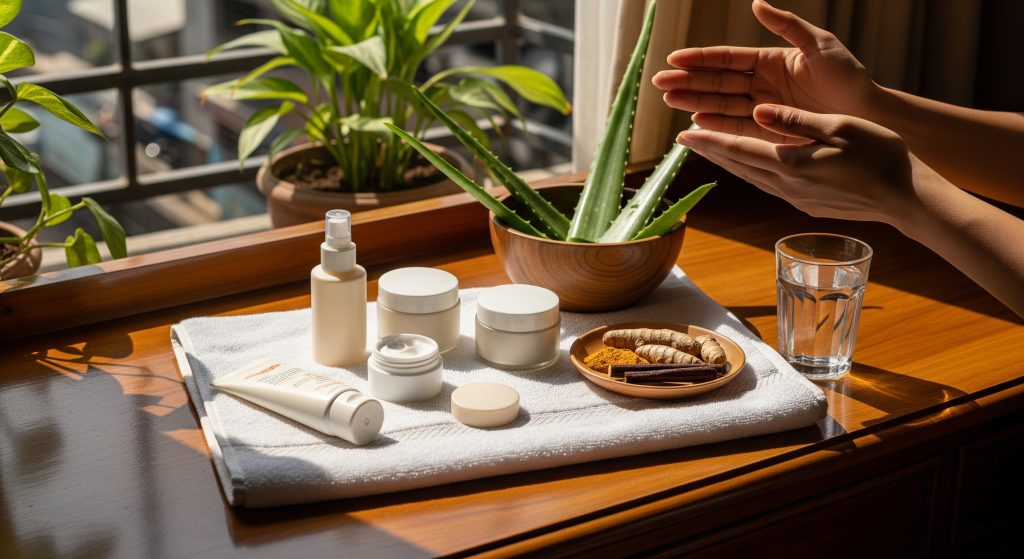
Turmeric and licorice offer gentle support. Curcumin calms inflammation. Glabridin in licorice helps downregulate tyrosinase.
They are not substitutes for a strong skin pigmentation cream in difficult cases. They are useful bridges. Patch test for sensitivity and avoid fragranced mixes.
Aloe Vera and Green Tea Treatments
Aloe vera soothes irritated skin and may assist barrier repair. Green tea adds antioxidant support.
Apply a plain aloe gel first, then a ceramide moisturiser. Follow with sunscreen. The effect is supportive, not dramatic. It helps the main plan succeed.
Vitamin C-Rich Natural Sources
Citrus extracts are tempting but risky due to fragrance and photosensitivity. I advise a controlled vitamin C derivative instead. It is safer and measurable.
DIY Masks with Yogurt and Honey
Yogurt and honey masks hydrate and soften. They may offer mild brightening from lactic acid in yogurt. I file them under comfort care. Use once weekly for texture, not as a primary depigmenting step.
A specialised skin pigmentation cream will still do the heavy lifting. DIY masks are supportive and pleasant. That is their role.
Making the Right Choice for Your Hyperpigmentation Journey
Selection begins with diagnosis. Identify type, depth, and triggers. Then choose a minimal, robust plan. I recommend one daytime blocker and one night time remodeler. Add a barrier moisturiser and a high protection sunscreen. That four part structure covers most cases.
If you need the best creams for uneven skin tone, prioritise fragrance free formulas with clinically relevant percentages. Avoid stacking many strong acids. A purposeful skin pigmentation cream, paired with sunscreen, outperforms a crowded shelf. Measured, consistent, and boring wins here.
Frequently Asked Questions
Which ingredients work fastest for reducing dark spots on Indian skin?
Speed depends on tolerance and type. For epidermal spots, a combination of retinoid at night and tranexamic acid plus niacinamide by day often shows early gains. Kojic acid with alpha arbutin helps sun induced marks. For acne related PIH, azelaic acid can reduce pigment and calm breakouts simultaneously.
I stack speed with safety. A single, well built skin pigmentation cream at night, sunscreen daily, and a steady morning blocker usually produces visible change in 8 to 12 weeks.
Can I combine multiple pigmentation creams for better results?
Yes, but within a structure. Use one primary night product and one day serum. Add a barrier moisturiser and sunscreen. Avoid layering several strong actives together on the same night. That approach raises irritation and delays outcomes.
If a routine already includes a multi active serum, keep the rest minimal. A targeted skin pigmentation cream pairs best with restraint.
How long should I use skin pigmentation cream before seeing visible improvement?
Most people notice change between weeks six and twelve. Epidermal pigment fades first. Dermal pigment needs longer. I suggest a 12 week review with photos taken in consistent light.
Continue as long as progress continues and skin remains calm. A maintenance dose prevents relapse, especially in sunny climates.
Are natural remedies as effective as chemical-based creams for hyperpigmentation?
They are supportive, not primary treatments. Turmeric, licorice, aloe, and green tea can stabilise skin and reduce irritation. They rarely match the impact of retinoids, tranexamic acid, kojic acid, or azelaic acid.
What precautions should I take while using retinol-based pigmentation creams?
Start slowly, twice weekly at night. Apply to dry skin and buffer with a ceramide moisturiser. Do not combine on the same night with strong acids initially. Use SPF 50 every morning. Watch for persistent redness or peeling and reduce frequency if needed.
Retinol delivers results when the barrier is protected. Patience prevents setbacks.
Why does Indian skin develop hyperpigmentation more easily than lighter skin tones?
Darker skin has more active melanocytes and produces more melanin in response to inflammation and UV exposure. Heat and pollution amplify this response. As far as current data suggests, this increases risk for PIH and melasma. Daily sunscreen and gentle routines reduce triggers.
This is why a disciplined skin pigmentation cream strategy, with barrier care, is essential in India.
Final note. If the immediate need is how to reduce dark spots on face, consult a dermatologist ,pick a simple plan and stay with it. Choose one evidence backed skin pigmentation cream, pair it with sunscreen, and review at week twelve. Small, consistent steps beat sporadic bursts. Every single time.

