






 We do what's right for you...


Solution for Loose Motion: Causes, Home Remedies & When to See a Doctor
Dr. Urvashi Gupta
Immediate fixes get the attention, yet the fastest route is rarely a random pill or a day of total fasting. A reliable solution for loose motion starts with hydration, simple foods, and a realistic check on warning signs. I will keep the guidance practical, evidence-aware, and easy to apply at home, including what to eat, what to avoid, and when a doctor’s input is non-negotiable.
Immediate Home Remedies for Loose Motion
When symptoms start, the best solution for loose motion is to stabilise fluids and avoid gut irritants. The goal is simple. Reduce stool frequency and prevent dehydration while the gut settles.
ORS Solution and Electrolyte Replacement
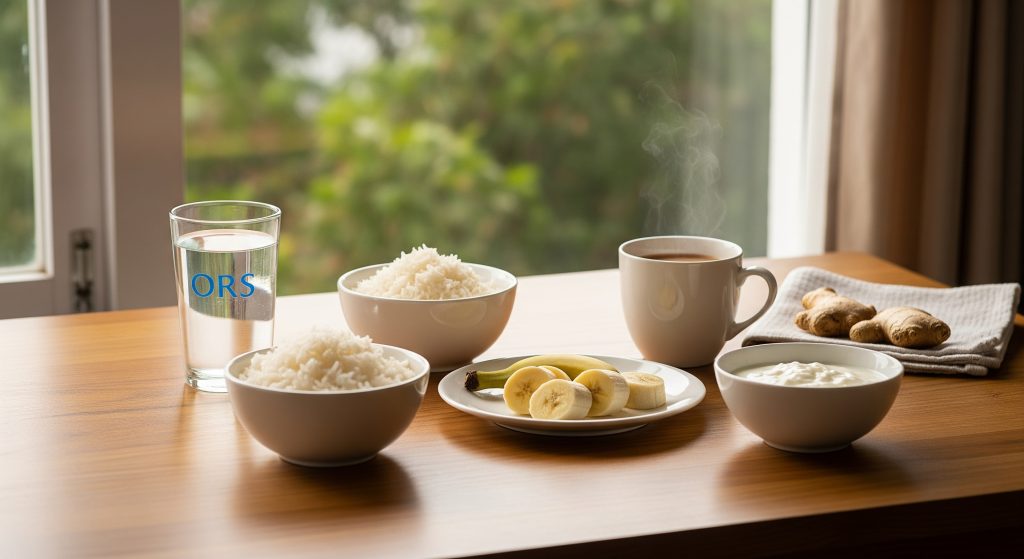
I recommend starting with oral rehydration salts. This remains the most dependable solution for loose motion in the first 24 hours. Packaged ORS is safer than homemade mixes, as the sodium to glucose balance matters. Sip small amounts frequently rather than large glasses at once. This is especially helpful if nausea is present.
-
Use cool or room temperature water to mix ORS. Very cold fluids can trigger cramps.
-
Take 60 to 120 ml every 10 to 15 minutes. Increase as tolerated.
-
Alternate with clear broths if preferred, provided salt is moderate.
For those asking how to stop loose motion immediately, there is no instant off switch. There is, however, a workable plan. Rehydrate early, keep the diet bland, and rest the gut. Anti-diarrhoeal tablets can be considered for short-term use in adults, yet they are not suitable for bloody stools or high fever.
|
Sign |
What I advise |
|---|---|
|
Mild thirst, light-headed on standing |
Increase ORS volume and frequency |
|
Dry mouth, reduced urine output |
Use ORS as primary fluid for several hours |
|
Severe weakness, confusion |
Seek medical care urgently |
BRAT Diet Components
The BRAT pattern refers to bananas, rice, applesauce, and toast. In early recovery, these foods are gentle and low in fat. They can support a solution for loose motion by providing soluble fibre and easy carbohydrates. I suggest using this approach for a short period, then broadening the menu.
-
Bananas: slightly underripe is fine. Mash if chewing is uncomfortable.
-
Rice: plain and soft. Add a small pinch of salt if appetite is low.
-
Applesauce: unsweetened works best, as excess sugar can worsen stool.
-
Toast: plain or with a thin layer of nut butter, if tolerated.
After 24 to 48 hours, expand the diet cautiously. I introduce brothy soups, soft porridge, well-cooked carrots, and a small portion of skinless chicken or tofu. This staged reintroduction supports recovery without sacrificing nutrients. A narrow menu helps on day one. A broader bland menu works better by day three.
Probiotics and Yogurt
In practice, probiotic foods can shorten the course of symptoms to an extent. Plain yogurt with live cultures is a sensible choice once vomiting settles. It is a useful solution for loose motion when lactose tolerance is intact. If dairy worsens bloating, try a non-dairy probiotic drink or capsule for a few days. I look for Lactobacillus or Bifidobacterium strains on the label. Keep the dose modest and consistent for several days.
-
Start with half a cup of yogurt once daily.
-
If tolerated, increase to two small servings per day.
-
Avoid sweetened or heavily flavoured products during recovery.
Ginger Tea and Preparations
Ginger tea is a practical adjunct. It calms queasiness and may ease cramping. A warm cup can support a solution for loose motion by improving comfort during the worst hours. Steep fresh slices for 8 to 10 minutes. Add a squeeze of lemon if desired, though avoid large amounts of honey or sugar.
-
Method: 3 to 4 thin slices in a cup of hot water, covered while steeping.
-
Frequency: up to three times daily, as tolerated.
-
Avoid ginger if reflux symptoms flare or if it interacts with medication.
Banana and Raw Papaya
Bananas offer soluble fibre and potassium. These support hydration and stool consistency. I often recommend mashed banana with a little salt as a simple solution for loose motion at home. Raw papaya, when lightly cooked, is gentle and easy to digest. It can be added to rice or a mild soup. The aim is steady energy without provoking the bowel.
-
One to two bananas per day during the acute phase is sensible.
-
Cooked papaya in small portions avoids excess fibre load.
Rice Water and Coconut Water
Rice water provides easily absorbed starches and a mild flavour. It is a traditional solution for loose motion that pairs well with ORS. Sip warm or cool, not hot. Coconut water offers a light electrolyte mix and is suitable in small servings. It does not replace ORS but can complement it.
|
Rice water |
Use the strained water from boiled rice. Season very lightly. |
|
Coconut water |
Limit to small glasses to avoid a laxative effect from excess. |
Fenugreek Seeds Treatment
Fenugreek seeds contain mucilage, which can add bulk to stools. Some people find a temporary benefit with soaked seeds in yogurt. If using this home method, start small and observe tolerance. As with any herbal approach, the effect varies. I use it as a supportive solution for loose motion, not as the only measure.
-
One teaspoon of seeds soaked until soft is a reasonable trial.
-
Avoid if pregnant without clinician advice.
Common Causes and Triggers
Understanding the trigger shapes the solution for loose motion. The cause drives what to prioritise at home and when to escalate.
Viral and Bacterial Infections
Most acute cases are viral. These often resolve within a few days with fluids and rest. Bacterial causes are more likely if there is high fever, severe cramps, or blood in stool. In those scenarios, I avoid anti-motility drugs and seek medical advice. The likely solution for loose motion here involves testing and targeted therapy. Foodborne illness is common after travel or a suspect meal.
-
Viruses: short course, self-limiting, hydration is the priority.
-
Bacteria: more intense symptoms, potential need for laboratory tests.
Food Intolerance and Allergies
Lactose intolerance and fructose malabsorption are frequent culprits. Symptoms appear within hours of the trigger. The solution for loose motion in these cases is strict avoidance and a measured reintroduction later. Allergic reactions are less common but can be serious. Seek urgent care if there is facial swelling or breathing difficulty.
-
Keep a brief food diary to spot patterns.
-
Trial lactose-free yogurt or milk during recovery.
Medication Side Effects
Antibiotics, magnesium-containing antacids, and metformin cause diarrhoea in many patients. This is a predictable trade-off. The immediate solution for loose motion in this setting is to maintain hydration and discuss dose timing or alternatives with a clinician. Probiotics may help, depending on the agent and duration. Do not stop prescribed medicine without advice.
Digestive Disorders
Chronic loose stools can signal IBS-D, coeliac disease, bile acid diarrhoea, or inflammatory bowel disease. The proper solution for loose motion in these conditions is diagnosis first. Then a specific plan. Red flags include weight loss, nocturnal symptoms, and anaemia. These warrant prompt evaluation.
Prevention Strategies
Prevention is not glamorous. It is effective. A reliable solution for loose motion includes small, consistent habits that reduce risk.
Proper Hand Hygiene
Hand washing before meals and after toilet use remains the simplest barrier. I favour soap and water for at least 20 seconds. Alcohol gel is a backup, not a replacement. This basic step is part of every solution for loose motion programme in households and schools.
-
Focus on fingertips, thumbs, and under the nails.
-
Dry hands completely to reduce skin irritation.
Safe Food Handling
Food safety failures are a direct route to illness. Separate raw and cooked items. Keep hot foods hot and cold foods cold. The everyday solution for loose motion risk in kitchens is structure. Clear chopping board rules. Regular fridge checks. Sensible leftovers management.
-
Reheat leftovers to steaming throughout.
-
Discard perishable foods left out for over two hours.
-
Rinse fresh produce under running water, not in a bowl.
Water Safety Measures
During travel or local water issues, use boiled or bottled water. Be cautious with ice and street-side beverages. A conservative approach prevents trouble. This is a preventative solution for loose motion that costs little compared with missed work days.
-
Boil water to a rolling boil for one minute when uncertain.
-
Use safe water for brushing teeth as well.
-
Choose hot, freshly cooked foods when eating out.
Dietary Modifications
Sensible choices reduce recurrence. Some individuals benefit from a lower FODMAP pattern during vulnerable periods. Spicy, very fatty, and highly sweetened foods can worsen symptoms for a while. The ongoing solution for loose motion tends to include fibre balance, adequate protein, and stable meal timing.
|
Modify |
Practical approach |
|---|---|
|
Fibre |
Prefer soluble sources like oats, banana, psyllium |
|
Fat |
Keep moderate. Avoid deep-fried items during recovery |
|
Sugar alcohols |
Limit sorbitol, xylitol, and mannitol in gums and snacks |
When to Seek Medical Help
Most cases improve within two to three days. But some do not. A careful solution for loose motion includes clear thresholds for escalation.
Warning Signs in Children
Children dehydrate faster. I take a lower threshold for assessment. If an infant has fewer wet nappies, a very dry mouth, or persistent vomiting, seek help. Bloody stools or high fever also warrant urgent care. The solution for loose motion in children starts at home with ORS but moves quickly to medical review if red flags appear.
-
Listlessness or unusual drowsiness is concerning.
-
Sunken eyes or a sunken fontanelle in infants requires prompt attention.
-
No urine for eight hours in a young child is an emergency sign.
Adult Emergency Symptoms
Adults should seek care for severe abdominal pain, blood in stool, black tarry stool, or fever with chills. New onset diarrhoea after recent antibiotics needs assessment. So does significant weakness or confusion. The right solution for loose motion in these scenarios includes diagnostics rather than blind remedies.
-
Immunocompromised individuals need earlier review.
-
Elderly adults are at higher risk of dehydration.
Dehydration Indicators
Dehydration changes the plan. It makes ORS the primary tool and narrows diet choices. Look for dry mouth, minimal urine, rapid heartbeat, or dizziness on standing. These signs mean the solution for loose motion must prioritise fluids over solids. If hydration fails at home, seek IV fluids.
Dehydration is the main risk. Treat it first, and many cases improve quickly.
Duration and Severity Guidelines
As far as current data suggests, most viral episodes improve within 72 hours. If symptoms persist beyond that window, or if weight loss appears, arrange a review. I recommend stool tests for ongoing diarrhoea, especially with travel history. The extended solution for loose motion relies on finding the cause, not stretching home care indefinitely.
-
Persistent nocturnal diarrhoea needs evaluation.
-
Recurrent episodes may indicate IBS-D or malabsorption.
Conclusion
A credible solution for loose motion is not complicated. Rehydrate with ORS, use a short-term bland diet, add probiotics when stable, and rest. Identify obvious triggers and avoid them for a while. Watch for dehydration and red flags. If progress stalls by day three, escalate. The simple path is usually the right one here. Relief comes from steady actions, not from a miracle fix.
Frequently Asked Questions
How quickly do home remedies work for loose motion?
Improvement usually begins within 12 to 24 hours with proper hydration and a bland diet. A practical solution for loose motion at home is to prioritise ORS and small frequent sips. Most viral cases improve notably by day two. If symptoms worsen or remain severe, seek medical guidance.
Can I give ORS to my toddler with diarrhoea?
Yes. ORS is appropriate for toddlers. Offer small amounts every few minutes to maintain hydration. This approach forms the core solution for loose motion in young children. If there is persistent vomiting or fewer wet nappies, consult a clinician promptly.
What foods should I avoid during loose motion?
Avoid spicy foods, deep-fried items, heavy cream sauces, and high-sugar drinks. Limit caffeine and alcohol. These can aggravate the gut. A calm solution for loose motion uses simple meals like rice, bananas, applesauce, toast, broths, and soft vegetables.
Is loose motion contagious?
Many viral causes are contagious. Hand washing and separate towels reduce spread. Clean high-touch surfaces with standard disinfectant. A considerate solution for loose motion in families includes isolating utensils and encouraging frequent hand hygiene.
How long should I wait before seeing a doctor?
If symptoms are mild and improving, monitor for up to 48 to 72 hours. Seek help sooner if there is blood in stool, high fever, severe pain, or dehydration. For persistent symptoms, the best solution for loose motion is a medical review to identify the cause.
Can antibiotics cause loose motion?
Yes. Antibiotics frequently alter gut flora and trigger diarrhoea. Hydration and probiotics can help, though choices depend on the specific drug. If symptoms are severe or accompanied by fever, arrange an assessment. The safe solution for loose motion in this context is personalised advice, not guesswork.
Quick reference
-
If wondering how to stop loose motion immediately, focus on ORS and rest first.
-
Use home remedies for diarrhoea as supportive measures, not as the only plan.
-
Escalate care if red flags appear at any point.

