






 We do what's right for you...


Sitz Bath for Fissure: A Simple Explainer for Beginners
Dr. Shiv Chopra
Hot compresses get recommended for almost every ache. For anal fissures, that generic advice often wastes time. I will be specific. A properly prepared sitz bath for fissure can relax the spasm, reduce pain, and support healing. It is simple, inexpensive, and, when used well, surprisingly effective. This guide explains practical methods, exact steps, and measured safety guidance so that beginners can use a sitz bath for fissure relief with confidence.
Best Sitz Bath Methods for Anal Fissure Treatment
Different situations call for different setups. I select the method based on control, hygiene, and convenience. The goal is the same each time: a steady, clean sitz bath for fissure care that you can repeat daily without strain.
Traditional Bathtub Method
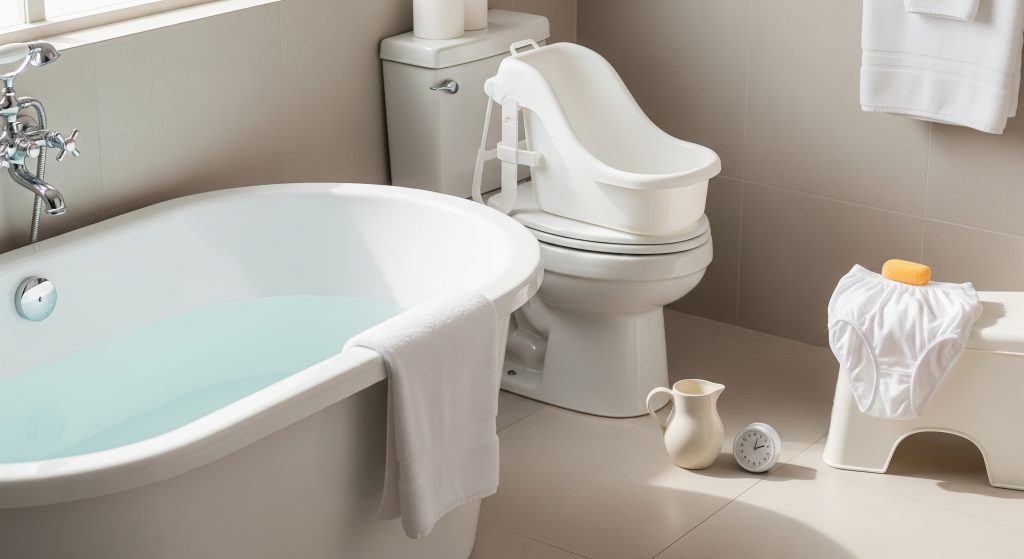
I use the bathtub method when a full soak helps the pelvic floor relax. It is straightforward. Clean the tub, run warm water to mid-hip depth, and sit with knees slightly bent. A bathtub gives generous space and stable temperature for a sitz bath for fissure flare ups. The trade-off is water volume and cleaning time. For shared bathrooms, I keep a simple disinfecting routine and a dedicated plastic jug for filling and rinsing. It is basic but reliable.
-
Pros: Ample space, stable temperature, easy posture adjustments.
-
Cons: High water use, more cleaning, less portable.
Over-the-Toilet Sitz Bath Kit
Over-the-toilet basins are built for convenience. They clip onto the seat and allow a focused sitz bath for fissure care without filling a tub. Many retail versions use BPA-free plastic and include a small bag or pump that helps keep water warm for longer sessions. I recommend this format for busy routines or limited space. It turns a daily sitz bath for fissure management into a two-minute setup. For comfort, I pad the seat edge with a folded towel.
-
Pros: Quick setup, low water use, good for small bathrooms.
-
Cons: Smaller capacity, careful placement required to avoid spills.
Portable Basin for Floor Use
A portable floor basin is flexible and useful during travel. I place it on a tiled floor or inside a shower area for easy draining. It provides a controlled sitz bath for fissure relief when a toilet-mounted kit is not feasible. Stability matters here. I sit on a low stool and keep a small kettle of warm water nearby to refresh the temperature. This setup supports consistency, which matters more than the exact hardware.
-
Pros: Portable, inexpensive, easy to store.
-
Cons: Requires careful positioning, manual temperature management.
Hospital-Grade Sitz Bath Equipment
Hospital-grade options include thermostatic basins and chairs that maintain precise temperature. These can be helpful after procedures or during acute pain, especially when a clinician supervises. In practice, most people do not need this equipment at home. A well-run home sitz bath for fissure care usually suffices. For severe cases or postoperative routines, I coordinate with the treating surgeon before sourcing any specialised device.
How to Take a Sitz Bath for Fissure Relief
Technique beats improvisation. Here is a structured, repeatable approach to each sitz bath for fissure session so that comfort improves without skin irritation or infection risk.
1. Preparing Your Sitz Bath
I start with cleaning. The tub or basin must be scrubbed, rinsed, and visibly clear. I gather a clean towel, a timer, and fresh undergarments. I fill with warm water to cover the hips and buttocks. Additives are optional and should be conservative. Many guides mention Epsom salts or gentle herbal infusions. Hygiene remains the priority because the area is sensitive during a sitz bath for fissure therapy. If additives have caused irritation before, I avoid them entirely.
-
Clean basin or tub thoroughly before each use.
-
Set a timer to avoid guessing.
-
Keep a small jug of warm water ready to top up the heat.
2. Water Temperature and Depth Guidelines
Temperature is the lever that relaxes the internal sphincter and eases pain. As Cleveland Clinic notes, water around 40 C (about 104 F) for 15 to 20 minutes supports comfort without scalding. I aim for hip-level coverage so the perineum is fully immersed. If a bathtub is used, mid-hip depth is typical. For a toilet kit or basin, ensure the water reaches the anal area without overflow. Warmth should feel soothing, not hot. If unsure, I test with the inner wrist.
|
Parameter |
Guidance |
|---|---|
|
Water temperature |
About 40 C, comfortably warm |
|
Depth |
Cover the perineum and buttocks fully |
|
Session length |
15 to 20 minutes |
3. Duration and Frequency Recommendations
Consistency matters more than marathon sessions. As NCBI Bookshelf summarises, guidance varies but typically suggests at least twice daily, and often after bowel movements. I follow a practical cadence. Morning, after any bowel movement, and evening. Shorter and regular beats longer and occasional with a sitz bath for fissure routines. For those with limited time, I prioritise the post-defecation soak because it immediately calms spasm.
-
Baseline: 2 sessions per day.
-
Add one session after bowel movements.
-
Maintain each session for 15 to 20 minutes.
4. What to Add (and What to Avoid)
I keep the water plain unless a clinician has recommended an additive. If tolerated, small amounts of Epsom salts can be used, but only with prior advice. Essential oils and concentrated solutions are irritants for some. A sitz bath for fissure should never sting or burn. If it does, stop and revert to plain warm water. I avoid disinfectants, bubble baths, strong soaps, and any product with fragrance.
Use sparingly:
-
Epsom salts in small amounts, if previously tolerated and advised.
Avoid:
-
Harsh soaps, disinfectants, bubble solutions, undiluted essential oils.
5. Proper Sitting Position and Technique
I sit upright with shoulders relaxed and knees slightly apart. The posture should reduce strain on the pelvic floor. I avoid hunching. Breathing can help here. Slow, diaphragmatic breaths reduce guarding and allow the warmth to work. A sitz bath for fissure pain works best when the body is not braced. If available, a small footstool supports a neutral hip angle, especially in a toilet-mounted basin.
Gentle cue: inhale for four counts, exhale for six. Repeat for one minute to release pelvic tension.
6. Post-Bath Care and Drying Methods
After each sitz bath for fissure session, I stand up slowly to avoid dizziness. Pat the area dry with a soft towel. Do not rub. For sensitive skin, I sometimes use a cool setting on a hair dryer for 15 seconds. Cotton underwear helps airflow. If a topical medication is prescribed, I apply it after the skin is fully dry. Moisture control reduces maceration and speeds comfort. Clean the basin immediately to prevent biofilm buildup.
Benefits and Effectiveness for Fissure Healing
The benefits arise from simple physiology. Warmth, muscle relaxation, and improved blood flow together ease pain and support repair. A sitz bath for fissure care fits into conservative management alongside stool softening and topical agents.
How Sitz Baths Relax Anal Muscles
Warm water reduces internal sphincter tone. That relaxation lowers resting pressure around the fissure. In practice, less pressure means reduced tearing during bowel movements. A sitz bath for fissure use primes the area before and soothes it after. The effect is temporary but valuable when repeated consistently. It buys comfort and reduces the cycle of spasm and pain.
Pain Relief and Muscle Spasm Reduction
Heat dampens nerve sensitivity and eases myofascial guarding. I often see a pain peak right after defecation and then a steady drop during the soak. This is the window where a sitz bath for fissure can transform the day. Reduced spasm also improves the uptake of any prescribed ointment applied later. Small gains compound when the routine is predictable.
Improved Blood Circulation for Healing
Warmth increases local blood flow and oxygen delivery. Better perfusion supports tissue repair at the fissure edges. The effect is modest but meaningful when paired with soft stools. A daily sitz bath for fissure relief does not replace medical therapy. It complements it by changing the local environment from guarded and hypoxic to receptive and warm.
Success Rates Compared to Surgery
Conservative care aims to avoid surgery when possible. A sitz bath for fissure is one element among several, including dietary fibre, stool softeners, and topical relaxants. Success depends on chronicity, constipation control, and adherence. Some chronic fissures still require surgical options. The bath is not a cure by itself, but it often reduces pain to a manageable level while other treatments take effect.
Timeline for Results and Recovery
Most people report pain relief within the first few sessions. Healing timelines vary. Roughly speaking, acute fissures can improve over weeks if stools remain soft and the routine holds. A sitz bath for fissure is a supportive habit, not an instant fix. If pain escalates or bleeding increases, I reassess the plan and involve a clinician.
Safety Guidelines and Precautions
Good technique is safe. Problems usually arise from water that is too hot, poor hygiene, or excessive additives. A disciplined sitz bath for fissure routine avoids these issues and protects fragile skin.
Common Mistakes to Avoid
-
Using water that is too hot. Warm, not scalding.
-
Adding harsh products that irritate the perineal skin.
-
Soaking for very long periods that macerate tissue.
-
Skipping cleaning of basins, which increases infection risk.
-
Inconsistent routine that removes the cumulative benefit.
Each of these undermines the benefits of a sitz bath for fissure management. Precision beats enthusiasm here.
When to Consult Your Doctor
I escalate to a clinician if pain remains severe after two weeks of steady care. Other triggers include persistent bleeding, fever, discharge, or visible swelling. For anyone with immune compromise, recent surgery, or pregnancy, I confirm the plan first. A sitz bath for fissure is low risk, but comorbidities change that calculus. Timely advice prevents setbacks.
Side Effects and Risks
Common side effects include mild dizziness after standing, transient redness, or skin dryness. Rare risks relate to burns from overly hot water or infection from poor hygiene. If skin becomes itchy or raw, I pause all additives and shorten sessions. A plain, warm sitz bath for fissure remains the baseline, and it suits sensitive skin better than anything perfumed.
Special Considerations for Different Age Groups
-
Children: Use careful temperature control and shorter sessions. Supervision is mandatory.
-
Older adults: Prevent slips with non-slip mats and slow transitions when standing.
-
Pregnant individuals: Warm, not hot water. Confirm any additives with the obstetric team.
The sitz bath for fissure principle does not change across ages. The setup and supervision do.
Maintaining Hygiene During Treatment
Hygiene determines safety. I clean the basin immediately, rinse thoroughly, and air dry. Towels are changed often. For toilet-mounted kits, I wash and dry the unit after each use. This keeps the sitz bath for fissure routine safe over weeks and avoids biofilm. Clean in, clean out.
Making Sitz Baths Work for Your Recovery
Success depends on simple habits. I pair every sitz bath for fissure session with stool softening, hydration, and gentle fibre. I also use a footstool during bowel movements to support a better anorectal angle. Small steps reduce strain and protect healing tissue. Critics say this is just warm water. They are not entirely wrong. But repeated warmth reduces spasm and makes everything else work better.
-
Schedule sessions on a calendar for the first two weeks.
-
Keep supplies together so setup takes under two minutes.
-
Track pain scores before and after sessions to see progress.
-
Integrate with prescribed ointments after drying.
Treat the ritual as part of daily hygiene. Not a chore. A sitz bath for fissure is most effective when boring and predictable.
Frequently Asked Questions
Can I use Epsom salt in my sitz bath for anal fissures?
I use plain warm water first. If irritation is minimal and a clinician agrees, small amounts of Epsom salt can be trialled. Stop immediately if stinging occurs. The sitz bath for fissure should feel soothing. If there is any doubt, keep the water plain. That is the safest default for sensitive skin.
How many times a day should I take a sitz bath for fissure?
Twice daily is a reasonable baseline, with an extra session after bowel movements. Keep each session to 15 to 20 minutes. This cadence makes a sitz bath for fissure both sustainable and effective. Longer does not equal better when skin is already fragile.
What is the best water temperature for a sitz bath?
About 40 C is a practical target. It should feel warm and comfortable rather than hot. Earlier, I referenced Cleveland Clinic guidance on temperature and timing. That remains the standard I use for a sitz bath for fissure sessions. Test on the inner wrist before sitting.
How long does it take for sitz baths to heal anal fissures?
Healing time varies by stool consistency, chronicity, and adherence. Many notice pain relief within days, with healing over weeks for acute cases. A sitz bath for fissure supports comfort while other measures work. Chronic fissures may require additional therapies or surgery.
Can children safely use sitz baths for fissures?
Yes, with strict supervision. Keep water warm, not hot, and shorten sessions. A small basin is safer than a deep tub. For any unusual redness or distress, stop and reassess. A sitz bath for fissure in children must be simple and closely monitored.
Should I take a sitz bath before or after bowel movements?
After bowel movements provides the most immediate relief. A short pre-soak can reduce anxiety and spasm before defecation in some cases. I prioritise the post-defecation sitz bath for fissure relief because it calms the peak pain period. Use whichever timing keeps the habit consistent.
Where can I buy a sitz bath kit in India?
Most pharmacies and major online retailers stock over-the-toilet sitz bath kits and portable basins. Look for BPA-free plastic, stable seat design, and easy cleaning. For a daily sitz bath for fissure routine, quick setup matters. Choose a kit that fits the home toilet seat and stores neatly.
sitz bath for fissure, sitz bath for fissure, sitz bath for fissure
anal fissure treatment

