






 We do what's right for you...


Rheumatoid Arthritis Exercises Explained: What Works Best?
Dr. Shruti Bajad
Disclaimer: The content shared here is for informational purposes only. Always consult a specialist doctor before attempting any treatment, procedure, or taking any medication independently
Generic advice still tells people with rheumatoid arthritis to rest first and move later. That guidance is dated. The right movement strategy reduces pain, protects joints, and builds confident function. I will outline what actually works, how to structure sessions, and how to adjust on flare days so progress keeps going. This is not about punishing workouts. It is about precise, sustainable rheumatoid arthritis exercises that respect physiology and daily life.
Best Exercises for Rheumatoid Arthritis
Swimming and Water Aerobics
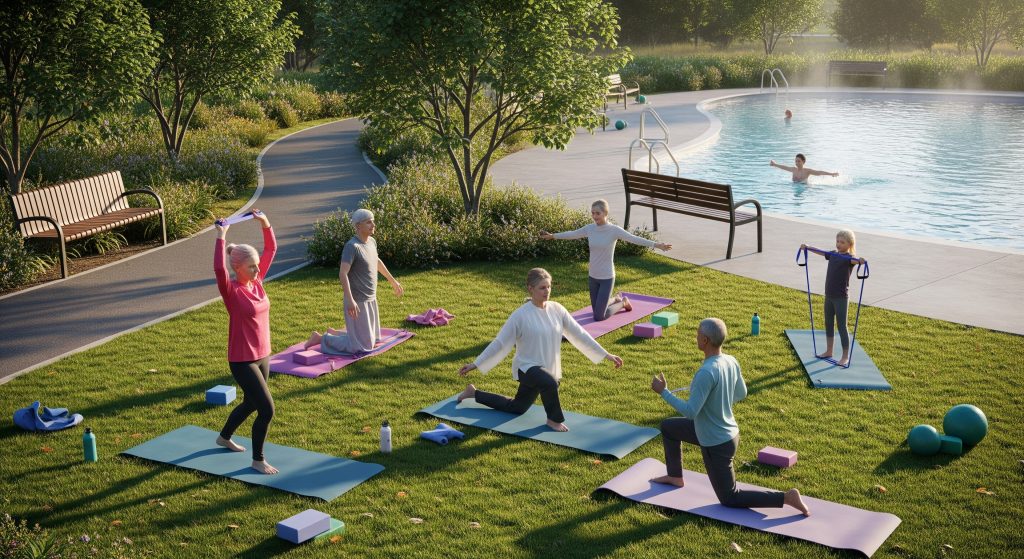
Water supports the body and reduces joint load while offering smooth resistance. That combination allows steady strength work without pounding. Warm pools also help muscles relax and allow freer motion, which eases stiffness on tougher days. Sessions can range from relaxed laps to guided water aerobics with intervals. I often programme short walking drills in chest deep water to rehearse gait with minimal impact.
-
Use a warm pool when available for easier mobility and pain control.
-
Alternate one length easy, one length steady to manage effort.
-
Finish with two to three minutes of gentle kicking while holding the wall.
For many, the pool becomes the anchor for consistent rheumatoid arthritis exercises. It offers strength, cardio, and mobility in one place. On flare days, an easy water walk still counts.
Tai Chi for Joint Flexibility
Tai Chi uses slow, deliberate movement with relaxed breathing. The sequence encourages joint excursion and postural control. The practice builds balance and calm focus, which improves body awareness during daily tasks. Small, repeatable motions make it a reliable option when joints feel unpredictable. I often recommend a short form routine to start, then increase time as tolerance grows.
-
Select beginner forms that emphasise weight shifts and soft knee bends.
-
Practise in short blocks for consistency and confidence.
-
Combine with simple breath counts to sustain pace and reduce bracing.
It is also a practical bridge to other rheumatoid arthritis exercises. Better balance and calmer breathing improve walking quality and reduce protective tension.
Gentle Yoga Poses
Gentle yoga integrates breath, stretch, and light strength. I prioritise poses that lengthen the front of the hips, open the thoracic spine, and mobilise the wrists with care. Think supported child’s pose, low lunge with cushions, and forearm based variations for wrists. Short holds and soft transitions protect irritated joints. Props are not optional here. They are the point.
-
Use blocks, straps, and bolsters to move joints within a comfortable range.
-
Favour shorter holds with calm breathing over deep, forced stretch.
-
End with brief relaxation to downshift the nervous system.
Yoga works well as part of a weekly set of rheumatoid arthritis exercises. It helps range, reduces protective guarding, and steadies breathing patterns that influence pain.
Walking Programme Guidelines
Walking is convenient and scalable. It supports heart health and joint nutrition through cyclical motion. Start with short, regular bouts and build slowly. I use RPE (rate of perceived exertion) to guide effort. Aim for a comfortable 3 to 4 out of 10 most days. If a flare builds, keep the stride easy and shorten the session rather than skipping entirely.
-
Begin with flat routes and shoes with firm heel counters for support.
-
Add one or two minutes per walk per week if recovery remains steady.
-
Use posture cues: tall chest, relaxed shoulders, easy arm swing.
As NRAS notes, adults should target at least 150 minutes of moderate activity per week, which walking can supply in manageable blocks.
Stationary Cycling Benefits
Stationary cycling offers smooth, repeatable revolutions that nourish knee and hip cartilage with minimal shear. Resistance can be fine tuned to reduce joint load on sensitive days. I suggest a steady cadence and a saddle height that allows a slight knee bend at the bottom of the stroke. Keep the grip relaxed to avoid hand fatigue.
-
Start at low resistance and build duration before intensity.
-
Use short cadence pickups to train range and circulation without impact.
-
Finish with gentle knee extensions and ankle circles off the bike.
This is one of the most dependable rheumatoid arthritis exercises for off days. It keeps momentum without provoking joints.
Resistance Band Training
Resistance bands provide graded load with excellent control. They challenge muscles through the full arc and allow precise adjustments around sensitive angles. I prefer bands to free weights early in training blocks because grip, arc, and tempo are easier to manage. The goal is joint stability and tissue strength, not maximal load.
-
Choose a light band first and progress once sets feel comfortably strong.
-
Use smooth tempo: two seconds up, two seconds down.
-
Focus on scapular control, hip stability, and gentle core bracing.
Examples include seated rows, banded hip abductions, and supported overhead presses. These help build the foundation that makes other rheumatoid arthritis exercises feel safer.
Hand and Finger Exercises
Daily hand work preserves dexterity and makes daily tasks less effortful. Short, frequent sets work best. I use a simple series: gentle fist, finger spreads, thumb to fingertip touches, and soft ball squeezes. Move within comfort while seeking smooth motion.
-
Make a loose fist, then open the hand wide and spread the fingers.
-
Touch thumb to each fingertip, then slide to the base of each finger.
-
Place the hand flat and lift each finger one at a time.
Consistency matters more than intensity here. These are foundational rheumatoid arthritis exercises that maintain function for typing, cooking, and fastening clothes.
Neck and Shoulder Stretches
Neck and shoulder stiffness often amplifies pain elsewhere. Gentle mobility work reduces that background tension. I like seated chin tucks, shoulder blade squeezes, and slow side bends with a soft exhale. Keep movements small. Avoid forcing end range positions.
-
Perform five to eight chin tucks with light pressure from your finger.
-
Pinch the shoulder blades down and back for five seconds per rep.
-
Finish with circular shoulder rolls to reset posture.
These drills fit between tasks during the day. A few minutes prevents tightness from compounding.
|
Exercise |
Primary benefit |
|---|---|
|
Swimming |
Joint relief with steady resistance and improved mobility |
|
Tai Chi |
Balance, joint range, and calm breathing |
|
Gentle Yoga |
Mobility with mindful pacing and support |
|
Walking |
Accessible cardio and weight management |
|
Stationary Cycling |
Low impact cardio with adjustable load |
|
Resistance Bands |
Strength and stability with controlled arcs |
|
Hand Exercises |
Dexterity and fine motor control |
|
Neck and Shoulder Stretches |
Postural reset and tension reduction |
Creating Your Exercise Programme
Morning Routine Structure
Morning stiffness can derail the best plan. A structured start changes that. I begin warm up in bed with ankle pumps, easy knee rolls, and a gentle reach overhead. A warm shower or brief heat pack then supports tissue elasticity. This sequence lowers the barrier to movement.
-
In bed: five ankle pumps, five knee rolls each side, three gentle overhead reaches.
-
Heat: three to five minutes with a safe heating pad or a warm shower.
-
Move: one round of range of motion for major joints within comfort.
A simple checklist reduces decision fatigue. Clothes set out the night before, breakfast prepped, and any aids close to hand. Small frictions add up. Remove them.
Weekly Exercise Schedule
A weekly framework helps regulate load and recovery. It also prevents long gaps that trigger stiffness. I use three pillars in planning: strength for joint support, mobility for range, and cardio for endurance. Mix them across the week based on energy and symptoms.
-
Strength: two sessions using bands or machines for major muscle groups.
-
Mobility: short daily routines to maintain range and reduce guarding.
-
Cardio: three to five sessions of walking, cycling, or pool work.
As NRAS notes, aim for at least 150 minutes of moderate activity each week, spread across several days for better recovery. In practice, three 30 minute walks plus two 30 minute pool or bike sessions meets that target. Small top ups through the week provide margin.
In addition, Arthritis Research Canada suggests endurance activity on most days for 30 minutes and strength work two to three times weekly. That rhythm keeps joints nourished and muscles engaged without overloading them.
Balancing Activity and Rest
Recovery is training. I programme rest days with intent rather than absence. Light range work, a short walk, or breath anchored mobility prevents stiffness from rebounding. If pain rises after a session, I reduce the next session’s duration or intensity by 20 percent and reassess.
-
Use a simple traffic light system: green for easy, amber for cautious, red for modify.
-
Include range-of-motion exercises for arthritis on lighter days.
-
Prioritise sleep and hydration to support tissue repair.
People often fear losing gains by resting. The opposite is true for rheumatoid arthritis exercises. Planned rest preserves momentum.
Progression Strategies
Progress should be gradual and measurable. I adjust only one variable at a time: duration, frequency, or intensity. Duration increases are usually the safest. A common rule is to add no more than 10 percent per week when symptoms remain stable.
-
Increase walking by one to three minutes per session before adding pace.
-
Add a single resistance band set rather than jumping in weight.
-
Extend yoga holds by 10 to 15 seconds while maintaining easy breathing.
Use RPE as your governor. Keep most work at 3 to 5 out of 10. Harder efforts occur sparingly and only when recovery is predictable.
Tracking Your Progress
Measurement builds confidence and prevents overreach. I track three items weekly: minutes of activity, symptom notes, and function markers. Function includes stairs, opening jars, or time to dress. If those improve while symptoms remain steady, the plan is working.
-
Use a simple log with minutes, type, and RPE.
-
Note morning stiffness duration as a practical proxy for load.
-
Set two week targets rather than daily perfection to absorb life’s chaos.
Progress is rarely linear. Expect dips. The goal is steady capacity over months rather than single heroic sessions.
Safety Guidelines and Modifications
When to Exercise
Timing matters. Many people with rheumatoid arthritis feel better mid morning to early afternoon. I place harder sessions there and keep evenings gentle. Avoid heavy work close to bedtime as it can disturb sleep and recovery. On low energy days, a short walk plus mobility is still success.
Recognising Flare Warning Signs
Flares vary in pattern and intensity. I look for a cluster of signals rather than one cue. Longer morning stiffness, warmth at a joint, and increasing fatigue across two or three days suggests a change is needed. So does a rising ache that lingers well beyond a session.
-
Reduce session length and intensity at the first cluster of signs.
-
Shift to low-impact workouts for arthritis sufferers while symptoms settle.
-
Use heat before movement and cool packs after if swelling appears.
Resuming progression too early invites setbacks. Two stable days is my typical threshold before stepping load back up.
Joint Protection Techniques
Joint protection preserves function by changing how tasks load the body. I emphasise neutral wrist positions for pushes and pulls, hip hinge mechanics for lifting, and frequent position changes during seated work. Assistive devices reduce strain without reducing independence.
-
Plan tasks and pace them. Break longer chores into shorter blocks.
-
Use larger joints for carrying and lifting whenever possible.
-
Avoid prolonged gripping and extreme end range positions during tasks.
During rheumatoid arthritis exercises, respect pain limits and maintain smooth arcs. Quality of motion beats quantity of reps. Always.
Equipment and Tools
Simple tools make training safer and easier to sustain. A short list goes far. Choose walking shoes with stable heels, a set of light to medium resistance bands, a supportive yoga block and strap, and a timer. For the pool, use a pull buoy or noodle for support on low energy days. Hand putty or a soft ball supports finger work without over gripping.
-
Prioritise comfort and adjustability over complexity.
-
Use straps and blocks to bring the floor closer in yoga.
-
Set a repeatable environment that reduces setup friction.
These modest tools reduce barriers and support consistent rheumatoid arthritis exercises across the week.
Working with Physiotherapists
A physiotherapist can tailor loading and sequencing to your disease activity and comorbidities. I refer early when joint deformity, recurrent flares, or movement fear is present. Expect precise range testing, load dosing, and home exercise coaching. Good programmes include clear progress markers and exit criteria.
-
Share recent flare patterns and current medication so dosing fits reality.
-
Ask for form checks on key drills to protect sensitive joints.
-
Agree on modification rules so you can adjust between sessions.
Collaboration de-risks progression. It also builds the skill to self manage on tougher weeks.
Making Exercise Work for Your Arthritis
This is the core principle. Make movement routine, not a negotiation. The best exercises for rheumatoid arthritis are the ones performed consistently at the right intensity. Not the most novel. Not the most exhausting. I advise starting with two anchors that fit your week, then layering a third option once they feel automatic.
-
Choose one cardio base: walking, cycling, or swimming.
-
Add one strength base: resistance bands or machines.
-
Maintain mobility daily with five to ten minutes of range work.
When life gets chaotic, keep the anchors. Two short sessions preserve momentum until capacity returns. And yet, there is room for ambition. As energy rises, add gentle intervals, longer walks, or a new yoga sequence. Keep the improvements but protect the habit.
If a single line helps, use this one. Consistent, well paced rheumatoid arthritis exercises beat heroic efforts every time.
Frequently Asked Questions
How often should I exercise with rheumatoid arthritis?
Most benefit comes from frequent, moderate work rather than sporadic intensity. I prioritise three to five cardio sessions, two strength sessions, and daily mobility of five to ten minutes. As NRAS advises earlier, a weekly total of about 150 minutes of moderate activity is a sound benchmark. Spread sessions to protect recovery.
Can exercise worsen my joint damage?
Appropriately dosed activity is protective. It strengthens the muscles that stabilise joints, supports cartilage nutrition, and improves balance. Problems arise when intensity jumps too quickly or when technique breaks down. Keep load gradual, use controlled arcs, and modify during flares. Rheumatoid arthritis exercises built on these principles support joint health.
What exercises should I avoid completely?
There is no universal banned list. Avoid impact or ranges that provoke sharp, localised joint pain or lingering swelling. Replace deep end range holds with supported positions. Swap high impact jumps for low impact cardio. If a movement repeatedly triggers symptoms despite modification, remove it and substitute a safer pattern.
Is it safe to exercise during a flare-up?
Yes, but it must be modified. Use gentle range work, short walks, and pool based movements to maintain circulation. Keep RPE at 2 to 3 out of 10. Avoid heavy strength or end range stretching at inflamed joints. Resume progression after two stable days without escalating symptoms. That keeps momentum without inviting setbacks.
How long before I see improvement from exercising?
Meaningful changes emerge over weeks, not days. Expect early wins in stiffness and confidence, then gradual improvements in endurance and daily function. Track small markers such as time to dress or step counts. These reflect real gains. Sustainable rheumatoid arthritis exercises focus on steady trends rather than overnight changes.

