






 We do what's right for you...


Fatty Liver Symptoms Explained: What to Watch for Early On
Dr. Urvashi Gupta


Advice that fatty liver has no early signs is repeated often. It is incomplete. Subtle signals exist and, if recognised, they can prompt timely checks and simple course corrections. You can read the body’s clues before damage accelerates. This guide explains those clues, how to interpret them, and how to act with calm precision.
Early Warning Signs and Common Fatty Liver Symptoms
1. Persistent Fatigue and Weakness
Fatigue that lingers beyond a normal day’s strain warrants attention. In many cases, Fatty Liver Symptoms manifest first as low energy and reduced stamina. Energy dips may appear mid afternoon or after meals. The pattern feels disproportionate to your workload.
Why it happens is multifactorial. Metabolic stress, low grade inflammation, and disrupted glucose handling all contribute. You may notice greater effort for routine tasks. Short walks feel heavier. Sleep does not fully restore you.
-
Track wake time to first energy dip.
-
Note any post meal slump within 60 to 90 minutes.
-
Record caffeine reliance trends across the week.
If these patterns persist for more than four weeks, consider them credible Fatty Liver Symptoms rather than occasional tiredness.
2. Right Upper Abdominal Discomfort
A dull ache or sense of fullness under the right rib cage is classic, though not universal. These Fatty Liver Symptoms are usually mild and intermittent. They may worsen after large or high fat meals.
The discomfort is often described as a pressure rather than sharp pain. It may radiate to the back or right shoulder. Gentle palpation can heighten the sensation.
If the discomfort pairs with bloating or early satiety, you have a stronger signal. Monitor frequency and triggers, as consistent patterns matter for liver health.
3. Unexplained Weight Changes
Weight can drift without clear cause. Some experience gradual gain around the waist. Others see mild loss due to reduced appetite. Both can be early Fatty Liver Symptoms.
Insulin resistance is common in hepatic steatosis and can steer weight to central fat stores. That central pattern carries higher cardiometabolic risk.
|
Change |
Interpretation |
|---|---|
|
Waistline up, weight stable |
Possible visceral fat increase linked to hepatic steatosis |
|
Slow loss with poor appetite |
Energy dysregulation, warrants evaluation |
Document waist, not just weight. A tape measure tells the clearer story.
4. Mild Jaundice in Eyes
A faint yellowing of the sclerae can appear. In early disease, this is uncommon, yet it does occur. If present with dark urine or pale stools, treat it as urgent. These Fatty Liver Symptoms indicate impaired bile handling.
Check in natural light. Avoid over interpretation from artificial lighting, which can tint perception. If the hue persists across days, seek tests promptly.
5. Brain Fog and Concentration Issues
Cognitive drag can signal metabolic strain. You might struggle to find words, misplace tasks, or lose focus in meetings. These are plausible Fatty Liver Symptoms when combined with fatigue and central weight gain.
The mechanism likely involves low grade inflammation and glucose variability. Symptoms usually fluctuate through the day. Morning clarity with afternoon haze is common.
-
Use short focus blocks of 25 minutes to test stability.
-
Note whether symptoms ease after a protein rich meal.
Patterns that repeat across weeks deserve structured evaluation.
6. Digestive Problems and Bloating
Bloating, early fullness, and occasional nausea sit on the early spectrum. You may tolerate smaller meals better. Heavier, fried, or very sweet foods can amplify discomfort. These Fatty Liver Symptoms often overlap with reflux or irritable bowel patterns.
Practical checks help. Reduce ultra processed foods for two weeks. Eat consistent meal sizes. If bloating improves, diet composition was a driver. If not, testing is prudent.
Physical Examination Findings and Advanced Hepatic Steatosis Symptoms
Enlarged Liver Detection
On examination, the liver edge may be palpable below the right costal margin. A firm, smooth enlargement suggests steatosis. When your clinician notes hepatomegaly, they are translating Fatty Liver Symptoms into objective findings.
Imaging confirms the picture. Ultrasound remains the first line. Fibro scan helps assess stiffness, which correlates with fibrosis risk. Early detection improves outcomes.
Spider Angiomas on Skin
Small, red, spider like vessels on the chest or face can appear. They blanch in the centre under pressure. Their presence with other signs raises concern for progression.
One or two lesions can be incidental. Clusters suggest sustained hormonal or vascular effects. In the context of Fatty Liver Symptoms, they merit further evaluation.
Palmar Erythema Development
Redness over the thenar and hypothenar eminences may be observed. The palms look flushed while the fingers remain spared. This sign, while non specific, aligns with advancing liver stress.
Document changes with photos under similar lighting. Consistency over time matters more than a single snapshot.
Ascites and Fluid Retention
Peripheral oedema and abdominal fluid indicate more advanced disease. Clothes feel tighter despite stable weight. The abdomen can appear distended. These are not subtle Fatty Liver Symptoms and demand urgent review.
Rapid onset swelling with breathlessness is an emergency. Seek immediate care.
Salt intake, albumin levels, and portal pressure interplay here. Management requires medical supervision.
Dark Urine and Pale Stools
Darkening urine and pale, clay coloured stools suggest bile flow issues. When these signs accompany right upper quadrant pain, you must escalate. They are significant in the context of Fatty Liver Symptoms and possible cholestasis.
Hydration does affect urine colour. Persisting darkness after adequate fluids points away from simple dehydration.
Risk Factors and When to Seek Medical Attention for Liver Health
High-Risk Groups and Conditions
Certain profiles carry higher risk. Recognise yourself in any of the following, and act earlier rather than later:
-
Type 2 diabetes or prediabetes.
-
Central obesity or high waist-to-height ratio.
-
Dyslipidaemia, including raised triglycerides.
-
Hypertension with metabolic features.
-
Obstructive sleep apnoea.
-
Polycystic ovary syndrome.
-
Hypothyroidism or history of gestational diabetes.
If you fit two or more, Fatty Liver Symptoms deserve structured screening even if mild. It protects long term liver health.
Silent Progression Indicators
Some progress without striking symptoms. Watch for rising liver enzymes over serial tests, increasing waist measurements, or lower exercise tolerance. These patterns, taken together, signal movement.
Arguably, trend lines matter more than one off values. A slow upward drift across three checks is informative. Treat these patterns as early Fatty Liver Symptoms in disguise.
Emergency Warning Signs
Do not wait if you develop any of the following:
-
Severe abdominal pain with fever or repeated vomiting.
-
Confusion, new sleepiness, or personality change.
-
Jaundice with dark urine and pale stools.
-
Bleeding gums, easy bruising, or black stools.
These features exceed routine Fatty Liver Symptoms and require urgent medical assessment.
Diagnostic Tests to Request
When you engage your clinician, request a structured panel. A concise request helps you get the right data:
-
Bloods: ALT, AST, GGT, ALP, bilirubin, fasting glucose, HbA1c, fasting lipids.
-
Scores: FIB-4 or NAFLD Fibrosis Score for risk stratification.
-
Imaging: Ultrasound. Consider elastography for stiffness evaluation.
-
Follow up: Repeat key markers in **12** to **16** weeks to confirm direction.
This approach converts possible Fatty Liver Symptoms into quantifiable findings that guide management.
Managing Symptoms Through Lifestyle Changes and Fatty Liver Diet
Essential Dietary Modifications
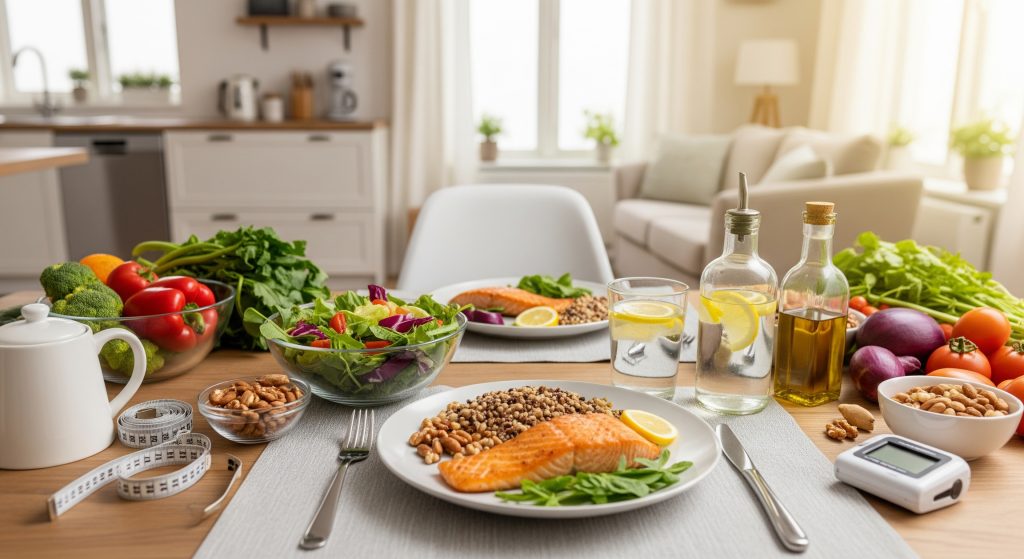
Dietary structure is decisive. A practical fatty liver diet is nutrient dense, lower in free sugars, and consistent in timing. It is not extreme. It is sustainable.
-
Prioritise lean protein and high fibre vegetables at most meals.
-
Replace refined grains with oats, barley, or wholegrain alternatives.
-
Use unsaturated fats from olive oil, nuts, and oily fish.
-
Remove sugary drinks. Limit fruit juice to small, infrequent servings.
-
Keep alcohol minimal or abstain while normalising tests.
Small, regular changes outperform perfection sprints. These choices steadily reduce Fatty Liver Symptoms while supporting overall liver health.
Exercise Recommendations for Recovery
Exercise reduces liver fat independent of weight loss. Aim for a balanced weekly plan.
|
Component |
Target |
|---|---|
|
Aerobic |
**150** to **300** minutes per week at moderate intensity |
|
Resistance |
**2** to **3** sessions per week covering major muscle groups |
|
Daily movement |
Break up sitting every **30** to **60** minutes |
Consistency beats intensity. Short sessions stacked across the week lower liver fat and, over time, ease Fatty Liver Symptoms.
Supplement Support Options
Supplements can assist, though they are not a substitute for diet and exercise. Consider a cautious, evidence informed approach.
-
Omega 3 for triglyceride reduction and potential hepatic fat support.
-
Vitamin D if deficient, given its links to metabolic function.
-
Coffee, taken black, is associated with favourable liver markers.
Discuss these with your clinician. Doses and interactions matter. Use them to reinforce change, not to replace it. Improvements in Fatty Liver Symptoms should still trace back to core behaviours.
Monitoring Progress at Home
Home monitoring turns intention into data. Use a simple weekly cadence.
-
Measure waist at the navel under consistent conditions.
-
Log energy levels with a 1 to 10 scale each afternoon.
-
Track steps and resistance sessions completed.
-
Record meals that trigger bloating or fatigue.
Review every four weeks. Look for small, credible shifts. Fewer afternoon slumps. Easier focus. Less bloating. These changes indicate easing Fatty Liver Symptoms and improving hepatic steatosis.
Taking Action Against Fatty Liver Symptoms
A clear plan prevents drift. Begin with baselines. Request core bloods and an ultrasound where indicated. Implement the fatty liver diet structure and commit to a realistic exercise schedule. Set a four week review and a twelve week reassessment. If trend lines improve, maintain the course. If they stall, escalate with your clinician. Action reduces risk, protects function, and, to a large extent, reverses many Fatty Liver Symptoms.
Frequently Asked Questions
Can fatty liver symptoms appear suddenly or do they develop gradually?
They usually develop gradually. Day to day you may not notice change. Over weeks, patterns emerge. A few features can feel sudden, such as post meal fatigue or right sided discomfort after a heavier diet phase. Treat new clusters as potential Fatty Liver Symptoms and arrange objective checks.
Are fatty liver symptoms different in children compared to adults?
Children frequently present with subtle signs. Tiredness, reduced activity, and central weight gain are common. Laboratory findings often lead to diagnosis. The core features overlap with adults, yet growth and puberty can mask early Fatty Liver Symptoms. Paediatric assessment should be early and structured.
Can fatty liver symptoms completely reverse with proper treatment?
Yes, to a meaningful degree. Liver fat can reduce and enzymes can normalise. This can happen within months. Fibrosis regression is slower and variable. With consistent measures, many experience substantial relief from Fatty Liver Symptoms and better liver health over time.
What percentage of people with fatty liver experience no symptoms?
Roughly speaking, a large proportion have few or no clear symptoms early on. Estimates vary by methodology. Many only notice fatigue or mild digestive issues in hindsight. Treat the absence of obvious signals with caution. Silent phases still progress, so screening beyond Fatty Liver Symptoms is prudent.
How long does it take for fatty liver symptoms to improve with lifestyle changes?
Initial improvements often appear within **4** to **8** weeks. Energy stabilises first. Bloating and right sided discomfort reduce next. Laboratory markers usually follow within **12** to **16** weeks. Timelines differ by baseline status, but sustained action typically softens Fatty Liver Symptoms in a predictable arc.

