






 We do what's right for you...


Polycystic Ovary Syndrome Diet: What to Eat and Avoid for PCOS
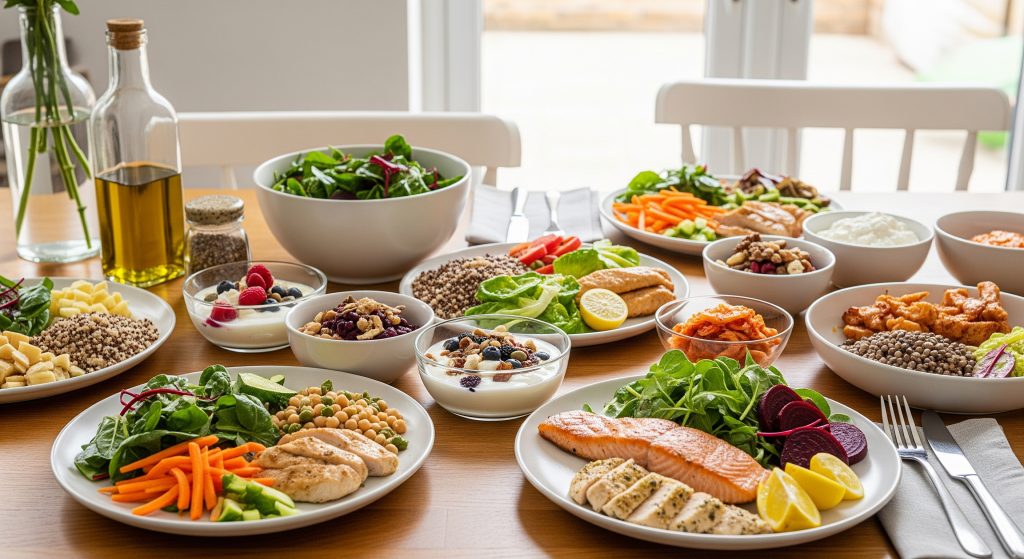
Conventional advice often reduces PCOS nutrition to weight loss alone. That view is incomplete. A precise polycystic ovary syndrome diet should aim at insulin regulation, inflammation control, and steady appetite signals. In practice, I focus on food quality, timing, and consistency. Not quick fixes. The result is a diet that supports hormones, not one that fights them.
Best Foods to Eat for PCOS Management
1. Low Glycaemic Index Carbohydrates
Low GI choices reduce sharp glucose spikes and the insulin surges that follow. For a polycystic ovary syndrome diet, that stability is non negotiable. I prioritise intact grains, legumes, and whole fruit over refined options. The pattern is simple. Slower absorption. Smoother energy. Fewer cravings.
-
Whole grains: steel cut oats, quinoa, barley, buckwheat.
-
Legumes: chickpeas, lentils, beans, edamame.
-
Fruits and veg: apples, berries, pears, carrots, leafy greens.
Here is why this matters. Lower GI meals can reduce post meal insulin load. That supports ovulatory regularity to an extent and may improve skin and energy. A small example helps. Swap white toast and jam for rye toast with hummus and tomato. The satiety difference is immediate.
Tip: Pair carbs with protein or fat. Add Greek style yoghurt to fruit. Add olive oil to couscous. The glycaemic response softens.
2. Lean Proteins and Plant-Based Options
Protein is the anchor for appetite control and muscle maintenance. I rotate lean animal sources with plant based options to support a balanced polycystic ovary syndrome diet.
-
Lean meats and fish: chicken breast, turkey, white fish, salmon.
-
Dairy protein: skyr, quark, cottage cheese (if tolerated).
-
Plant protein: tofu, tempeh, lentils, hemp seeds, pea protein.
Plant dominant days can help reduce overall saturated fat and increase fibre. A tofu stir fry with brown rice and greens is a reliable template. High protein breakfasts also reduce late afternoon grazing. That quiets the snack loop.
3. Anti-Inflammatory Foods
Systemic inflammation often amplifies PCOS symptoms. I build plates with colourful plants and specific fats that signal resolution rather than alarm. Think variety, not novelty.
-
Deep coloured produce: berries, red grapes, beetroot, spinach, kale.
-
Herbs and spices: turmeric with black pepper, ginger, cinnamon.
-
Tea and cocoa: green tea, high cocoa dark chocolate in modest amounts.
The effect is cumulative. Not dramatic in a day. Measurable over weeks.
4. Healthy Fats and Omega-3 Sources
Fats set the tone for cell signalling and satiety. I emphasise monounsaturated and omega 3 fats while moderating saturated fats. Small swaps sustain adherence.
-
Omega 3 rich: salmon, sardines, mackerel, trout, flaxseed, chia, walnuts.
-
Monounsaturated: extra virgin olive oil, avocado, almonds, hazelnuts.
-
Cooking choices: olive oil for low to medium heat, rapeseed oil for higher heat.
What this means for a polycystic ovary syndrome diet is straightforward. Better lipid profiles, steadier meals, and less reliance on sweet snacks for fullness.
5. High-Fibre Vegetables
Fibre slows glucose absorption and supports gut hormones that influence appetite. For PCOS, that two part effect is valuable. I aim for a mix of soluble and insoluble fibre daily through vegetables, pulses, and intact grains.
-
Leafy and cruciferous: kale, spinach, broccoli, cauliflower, cabbage.
-
Roots and others: carrots, beetroot, courgette, peppers, aubergine.
-
Pulses and extras: beans, lentils, chickpeas, psyllium added to porridge.
Practical move. Fill half the plate with vegetables at lunch and dinner. Add a pulse to at least one meal. Cravings often reduce within a fortnight.
6. Fermented Foods for Gut Health
Microbial diversity ties into insulin sensitivity and inflammation. I include small daily servings of fermented foods to support that axis (taste first, function second).
-
Live yoghurt or kefir with breakfast.
-
Kimchi or sauerkraut alongside rice bowls.
-
Miso soup as a starter to reduce hunger before mains.
Consistency matters more than quantity. A few forkfuls count.
Foods to Avoid with PCOS
1. Refined Sugars and Processed Sweets
These foods compress a lot of sugar into a small bite. That drives rapid spikes and the familiar crash. In a polycystic ovary syndrome diet, I keep such items for rare desserts, not daily snacks.
-
Sugary drinks, energy drinks, and large fruit juices.
-
Confectionery, pastries, frosted cereals.
-
Sweetened yoghurts disguised as health foods.
If a sweet is needed, I pair it with protein. Dark chocolate with nuts outperforms a plain biscuit.
2. High Glycaemic Index Foods
High GI staples are common, inexpensive, and convenient. They also raise insulin demand. I reduce portion sizes or switch to lower GI forms.
-
White bread, instant noodles, most crackers.
-
White rice and sticky rice in large portions.
-
Overcooked pasta that has lost bite.
Cooling and reheating cooked starches can increase resistant starch. The effect is modest but useful.
3. Trans Fats and Fried Foods
Trans fats worsen lipid profiles and may increase inflammation. Deep fried items often combine refined starch with unstable oils. I keep frying occasional and prefer oven roasting or air frying.
-
Commercial pies, pastries, and shelf stable frostings.
-
Repeatedly reheated fryer oils in takeaways.
One clear rule helps. If oil smells burnt, quality is already compromised.
4. Dairy Products to Limit
Dairy tolerance varies. Some experience acne flares or digestive discomfort with certain dairy. I assess response rather than banning all dairy in a polycystic ovary syndrome diet.
-
Consider limiting full fat milk if acne worsens.
-
Try fermented dairy like kefir or yoghurt as a gentler option.
-
Select lower lactose products if bloating appears.
Outcome based testing is sensible. Two weeks on, two weeks off, then evaluate skin and digestion.
5. Inflammatory Trigger Foods
Triggers vary by person. Some report issues with highly processed meats, excess alcohol, and ultra processed snacks. I treat them as discretionary and monitor symptoms.
-
Processed meats with additives.
-
Alcohol in binges rather than small social servings.
-
Ultra processed snacks high in additives and low in fibre.
Less drama. More data. Track, adjust, and move on.
PCOS Weight Loss Diet Strategies and Meal Planning
Calorie Distribution for Hormonal Balance
Energy needs depend on body size, activity, and goals. For a polycystic ovary syndrome diet that supports weight management, I spread energy across three main meals with one strategic snack. Front loading slightly earlier in the day can aid appetite control.
-
Breakfast: protein centred with a low GI carbohydrate and fruit.
-
Lunch: vegetables first, then protein, then starch.
-
Dinner: lighter starch load, plenty of vegetables, quality fat.
-
Snack: protein plus fibre to bridge long gaps.
Appetite cues strengthen when meals look predictable. It is basically structured flexibility.
7-Day PCOS Meal Plan Sample
This sample illustrates balance and variety. Adjust portions to your needs. It is a template, not a mandate.
|
Day |
Meals |
|---|---|
|
Mon |
Breakfast: Skyr with berries, chia, and oats. |
|
Tue |
Breakfast: Veg omelette and rye toast. |
|
Wed |
Breakfast: Overnight oats with flaxseed and pear. |
|
Thu |
Breakfast: Cottage cheese, pineapple, and pumpkin seeds. |
|
Fri |
Breakfast: Protein smoothie with spinach and oats. |
|
Sat |
Breakfast: Buckwheat pancakes with yoghurt and berries. |
|
Sun |
Breakfast: Poached eggs and mushrooms on rye. |
This pcos meal plan uses repetition with small twists. That keeps planning simple and execution realistic.
Portion Control Guidelines
-
Protein: palm sized per meal for most adults.
-
Starch: a cupped hand at lunch and a little less at dinner.
-
Fats: a thumb sized pour of oil or a small handful of nuts.
-
Vegetables: half the plate, ideally two colours.
Use smaller plates if portions creep up. Simple optics help adherence.
Intermittent Fasting for PCOS
Time restricted eating can improve dietary structure and reduce late night snacking. I prefer a gentle 12 to 14 hour overnight fast if used at all. More aggressive patterns may not suit those with intense training, pregnancy, or a history of disordered eating.
The priority remains total diet quality. Fasting is a tool. Not a fix.
Pre and Post-Workout Nutrition
-
Pre workout: a small low GI carb plus protein 60 to 90 minutes before.
-
Post workout: protein with carbs within two hours, with extra fluids.
Example pairing: Greek yoghurt with berries before training. Tofu rice bowl after. Recovery improves and the next meal is easier to moderate.
Best Supplements for PCOS
1. Inositol Types and Dosages
Myo inositol and D chiro inositol support insulin signalling and ovulatory function. Ratios and dosages in studies vary. I use a conservative approach. Start low, assess tolerance, and coordinate with clinical testing. Supplement quality control matters more than marketing language.
Those on thyroid or fertility medication should seek clinician input before starting. Interactions are uncommon but not impossible.
2. Vitamin D Requirements
Vitamin D status is often low in temperate climates. I recommend test guided dosing. Correcting a deficiency may aid metabolic markers and mood. However, more is not better. Stay within safe ranges and retest to confirm progress.
3. Omega-3 Fatty Acids
EPA and DHA support triglyceride control and may reduce low grade inflammation. A polycystic ovary syndrome diet that includes two oily fish servings per week often covers needs. Algal oil is a solid plant based alternative. Choose products that publish third party purity results.
4. Chromium and Blood Sugar Control
Chromium is marketed for glucose control. Evidence is mixed. I treat it as optional and lower priority than diet structure, fibre, and exercise. If used, check for interactions with existing medication and monitor response with routine labs.
5. Probiotics for PCOS
Probiotics can support gut barrier function and immune signalling. Strain specificity matters. A broad spectrum product with documented CFU counts is a fair starting point. Even so, fermented foods and fibre diversity provide a daily baseline that capsules rarely match.
6. Herbal Supplements
Herbal agents such as spearmint, berberine, or cinnamon extracts appear in PCOS discussions. Some data are promising, though not definitive. I adopt a cautious posture. Avoid combining multiple new agents at once. Introduce one change, observe for four weeks, and record outcomes.
Creating Your Sustainable PCOS Diet Plan
Rigid rules fail. Systems scale. I build a simple system around the polycystic ovary syndrome diet that slots into real life and busy schedules.
-
Define anchors: two breakfasts, two lunches, two dinners that repeat.
-
Batch basics: cook grains, legumes, and proteins once or twice a week.
-
Stock the defaults: tinned fish, eggs, frozen veg, olive oil, nuts.
-
Plate by order: vegetables first, protein second, starch last.
-
Set a snack rule: protein plus fibre or skip it.
Two quick examples clarify the approach. A tuna and bean salad with olive oil and rye crisps on a workday. A tofu curry with cauliflower rice and peas after a late commute. Both are fast. Both fit the framework.
For those targeting fat loss, a pcos weight loss diet still prioritises protein, fibre, and low GI carbs. Calorie awareness helps, but food quality governs hunger signals. I would rather see consistent meals than erratic restriction. And yet, occasional flexibility keeps the plan humane.
Pros and Cons of Tight Tracking
-
Pros: clear feedback, faster plate adjustments, measurable progress.
-
Cons: potential rigidity, social friction, risk of fixation.
My stance is pragmatic. Track for two to four weeks to calibrate. Then loosen to simple rules and periodic check ins. The aim is a durable polycystic ovary syndrome diet, not a short sprint.
Frequently Asked Questions
Can I eat rice if I have PCOS?
Yes, in modest portions and with structure. I choose lower GI varieties like basmati or brown rice, and I cool and reheat when practical to increase resistant starch. Pair rice with protein and vegetables. That keeps glucose steady and supports a polycystic ovary syndrome diet that works day to day.
How much weight should I lose with PCOS?
The target depends on baseline status and medical advice. For many, modest loss improves cycles and energy. I prefer process goals first. Three structured meals, a daily walk, and two strength sessions per week. Outcomes follow when inputs are consistent.
Is keto diet good for PCOS?
Keto can reduce appetite and lower glucose temporarily. Adherence and social fit are the hurdles. I rarely start with strict keto. A lower GI, higher fibre plan with adequate protein achieves similar benefits with fewer trade offs. If keto is trialled, monitor lipids and mood, and set a clear time bound experiment.
Can PCOS be reversed with diet alone?
PCOS is a complex condition with metabolic and reproductive features. Diet can improve symptoms and markers substantially, sometimes dramatically. However, complete reversal is not typical. I aim for symptom control and improved quality of life. Medication and lifestyle often work best together.
Should I avoid all dairy with PCOS?
No. I assess individual tolerance. Some do better with fermented or lower lactose options. Others prefer moderate portions of higher protein dairy such as skyr. If acne or bloating aligns with specific products, reduce those items and retest after two weeks.
How long before seeing diet results for PCOS?
Initial changes in energy and appetite can appear within two weeks. Menstrual regularity and body composition shifts take longer. Plan for eight to twelve weeks of consistent application. Then review, refine, and set the next block of habits.
Key takeaways:
-
Build meals around low GI carbs, lean proteins, high fibre vegetables, and healthy fats.
-
Limit refined sweets, high GI staples, and trans fat heavy foods.
-
Use a simple pcos meal plan that repeats, and batch cook essentials.
-
Consider the best supplements for pcos cautiously and prefer test guided decisions.
-
Treat the polycystic ovary syndrome diet as a system. Small wins, repeated often.

