






 We do what's right for you...


Pneumonia Management Explained: Symptoms, Risks and Recovery
Dr. Kunal Luthra
Antibiotics alone do not solve pneumonia. That advice sounds tidy. It misses how diagnosis, oxygen, fluids, and follow up shape outcomes. In this guide, I set out a pragmatic view of pneumonia management that clinicians and informed families can use. I focus on decisions that change the course of illness, not just lists of drugs. The aim is simple and serious. Treat fast, prevent complications, and restore function with minimal setbacks.
Types of Pneumonia and Treatment Options
1. Bacterial Pneumonia Treatment Protocols
I begin with the most common scenario. Bacterial disease drives many admissions, and timely antibiotics anchor effective pneumonia management. Empirical therapy should reflect local resistance patterns, allergy status, and whether the illness was acquired in the community or hospital.
-
Community acquired, non-severe: amoxicillin or doxycycline are usual first line choices.
-
Allergy to beta lactams: doxycycline or a macrolide may be appropriate.
-
Severe disease or risk of atypicals: a beta lactam plus a macrolide is often selected.
-
Hospital acquired: cover Gram negative organisms and MRSA when indicated.
I review within 48 to 72 hours. If fever, tachycardia, or hypoxia persist, I reassess the diagnosis and consider escalation. I check drug levels where relevant, especially with aminoglycosides. I also ensure hydration and antipyretics are in place. Clear goals, early reassessment, and supportive care define good pneumonia management, not just the prescription.
2. Viral Pneumonia Management Strategies
Viral pneumonia demands restraint and structure. Antivirals have roles, but supportive care is central. Influenza requires early neuraminidase inhibitors in high risk patients. COVID era lessons persist. Oxygen titration, thrombosis prevention, and monitoring for bacterial coinfection matter.
-
Oxygen to a target SpO2 of 92 to 96 percent unless COPD suggests a lower aim.
-
Fluids guided by perfusion and lactate, avoiding overload.
-
Consider corticosteroids only where guidelines support their use for the virus in question.
-
Low threshold for bacterial coverage if markers and clinical course suggest coinfection.
Isolation protocols protect others. So does vaccination. I counsel families that recovery can be slower than expected. Careful pacing helps. This is still pneumonia management, even without antibiotics.
3. Fungal and Aspiration Pneumonia Care
Fungal disease is uncommon outside immunosuppression. When present, I confirm with imaging, antigen tests, or culture before prolonged therapy. Duration can extend to weeks. Adverse effect monitoring is essential. Aspiration is different. The issue is oropharyngeal content entering the lungs, often in stroke or dementia.
-
Fungal infection: select an antifungal based on species and site. Monitor liver function and drug interactions.
-
Aspiration: address swallowing with speech and language therapy. Elevate the head of the bed. Use antibiotics only when infection is evident.
Root cause work reduces recurrences. Positioning, oral hygiene, and feeding strategies are not optional extras. They are core pneumonia management for this cohort.
Essential Medications and Antibiotics
Drugs must be purposeful. I map them to the presenting physiology and the suspected pathogen. Below is a concise table I use to frame discussion with teams and families.
|
Medication |
Role in care |
|---|---|
|
Beta lactams |
Bacterial cell wall inhibition. First line in many community cases. |
|
Macrolides |
Cover atypicals and provide anti inflammatory effects to an extent. |
|
Tetracyclines |
Useful in penicillin allergy and atypical coverage. |
|
Antivirals |
Target influenza and selected viral infections when early. |
|
Antifungals |
Indicated for proven fungal disease, often prolonged courses. |
|
Antipyretics |
Control fever and improve comfort to allow adequate hydration and rest. |
|
Bronchodilators |
Relieve bronchospasm in reactive airway patients. |
|
Thromboprophylaxis |
Reduce venous thromboembolism risk when bedbound. |
Drug stewardship sits at the centre of pneumonia management. I avoid unnecessary dual coverage once cultures return. I switch to oral therapy as soon as the patient is clinically stable and able to absorb reliably. Shorter courses are often sufficient when response is brisk.
Hospital vs Home Treatment Decisions
Not every case needs admission. I weigh physiological instability, comorbidity, social support, and likely adherence. Scores such as CURB-65 guide rather than dictate. In borderline cases, I decide with the patient and family after a candid discussion.
-
Home is acceptable if vital signs are stable and support is reliable.
-
Hospital is prudent if oxygen is required or oral intake is poor.
-
Observation units can bridge when risk is modest but not trivial.
The safest place is the one that enables timely antibiotics, fluids, and monitoring. That is sound pneumonia management. It also respects independence and risk tolerance.
Oxygen Therapy and Breathing Support
Oxygen is a drug with clear targets. I prescribe to effect, not to habit. For most adults, I aim for saturations between 92 and 96 percent. In chronic hypercapnic COPD, a narrower 88 to 92 percent range may be safer.
-
Nasal cannula for mild hypoxia.
-
Venturi mask when precise FiO2 delivery is needed.
-
High flow nasal oxygen to reduce work of breathing and support secretions.
-
Non invasive ventilation for impending failure when appropriate.
I monitor for fatigue and rising carbon dioxide. If the PaO2 to FiO2 ratio drops despite support, I involve critical care early. Oxygen strategy is a cornerstone of pneumonia management because hypoxia drives organ stress.
Recognising Pneumonia Symptoms Across Age Groups
Early Warning Signs in Toddlers
Pneumonia in children can declare itself subtly. Toddlers may present with fast breathing, chest indrawing, fever, or lethargy. Feeding can fall away quickly. Parents often notice irritability and unusual sleep. A soft grunt may appear with each breath.
-
Respiratory rate above age norms for several hours.
-
Reduced wet nappies signalling dehydration risk.
-
Grey or blue lips requiring urgent review.
When parents ask what to watch, I focus on energy and breathing pattern. A child who will not drink or play needs prompt assessment. Early detection is practical pneumonia management at home.
Pneumonia Symptoms in School-Age Children
Older children can describe symptoms. Pleuritic pain, persistent cough, and fever are typical. Exercise tolerance drops. A previously active child sits out games and avoids stairs. That behaviour change often precedes a clear diagnosis.
-
Night cough that disturbs sleep beyond a few days.
-
Breathlessness on minimal exertion.
-
High fevers responding poorly to usual antipyretics.
Parents sometimes expect antibiotics immediately. I explain why some cases are viral. I also lay out safety nets. This clarity supports better pneumonia management across the family.
Adult Symptom Progression Timeline
For adults, the timeline matters. A cold that improves then suddenly worsens suggests a secondary bacterial infection. Rigors, pleuritic pain, shortness of breath, and productive cough carry weight. In older adults, confusion may be the first clue.
-
Day 1 to 3: fever, myalgia, dry cough, malaise.
-
Day 3 to 7: cough becomes productive, dyspnoea rises.
-
After day 7: persistent fever or breathlessness warrants reassessment.
When I map pneumonia symptoms in adults, I ask about functional anchors. Climbing stairs, walking to the shop, showering without rest. Declines here help track response. Small, practical measures improve pneumonia management without extra tests.
Serious Symptoms Requiring Emergency Care
Some features require urgent action. Hypoxia, cyanosis, confusion, severe chest pain, and signs of sepsis demand immediate evaluation. In children, poor feeding plus lethargy is a red flag. In older adults, sudden confusion is equally significant.
-
Blue lips or fingers.
-
Breathing rate very high or shallow.
-
Chest pain at rest, not just on deep inspiration.
-
Minimal urine output over 12 hours.
Emergency thresholds should be explicit. Families handle uncertainty better with a clear plan. That is humane pneumonia management as well as safe practice.
Differentiating Pneumonia from Common Cold
The common cold causes upper airway symptoms. Sore throat, nasal congestion, and mild cough dominate. Pneumonia involves the lower airways and alveoli. Breathlessness and pleuritic pain suggest the latter. So does focal chest tenderness on deep breathing.
-
Cold: runny nose, mild fever, normal breathing at rest.
-
Pneumonia: fever that persists, cough that deepens, breathlessness on minor effort.
A chest radiograph confirms when doubt remains. I also rely on clinical judgement. Reassessment after 24 to 48 hours often answers the question. Precision here avoids both over-treatment and delay. That is balanced pneumonia management.
Risk Factors and Prevention Strategies
Age-Related Pneumonia Risk Factors
Age alters risk and presentation. Infants and adults over 65 face higher rates of severe disease. Frailty complicates airway clearance and immune responses. I map these age groups to faster follow up and lower thresholds for admission.
-
Under 2 years: narrow airways and immature immunity.
-
Over 65 years: reduced cough reflex, comorbidities, and sarcopenia.
Recognising these pneumonia risk factors directs limited resources to those who benefit most. That is efficient pneumonia management and good stewardship.
Chronic Conditions That Increase Risk
Comorbidity changes the equation. Chronic lung disease, diabetes, heart failure, chronic kidney disease, and immunosuppression increase risk. Neurological disease adds aspiration risk. I also watch for hazardous alcohol use, which impairs immunity and judgement.
-
COPD or asthma with frequent exacerbations.
-
Diabetes with poor glycaemic control.
-
Haematological malignancy or chemotherapy.
-
Post stroke dysphagia with silent aspiration.
Proactive vaccination, early review, and clear rescue plans mitigate these pneumonia risk factors. The strategy is simple. Anticipate deterioration and shorten time to treatment. This is practical pneumonia management in complex patients.
Environmental and Lifestyle Factors
Environment shapes exposure and resilience. Cold homes, air pollution, and crowded living increase risk. Smoking damages mucociliary clearance. Poor oral hygiene increases aspiration bacterial load. I raise these topics respectfully and concretely.
-
Stop smoking with pharmacotherapy and counselling support.
-
Use masks during high pollution days if symptoms worsen.
-
Improve oral hygiene, particularly for those with dentures or dysphagia.
-
Ensure adequate heating and ventilation during winter.
I combine small changes rather than chase one perfect fix. Marginal gains add up. That is how prevention meets pneumonia management.
Vaccination Schedule and Effectiveness
Vaccination remains foundational. Seasonal influenza vaccines reduce in season burden. Pneumococcal vaccines protect against invasive disease and reduce hospitalisation risk. Schedules differ by age and risk group, so I verify eligibility and timing on each review.
-
Influenza vaccine annually for eligible groups.
-
Pneumococcal vaccines at recommended intervals for older adults and risk groups.
Uptake improves when the ask is simple and the timing convenient. I offer vaccination during routine care. It closes the loop between risk identification and pneumonia management.
Daily Prevention Measures for Families
Daily actions matter, especially with pneumonia in children at home. Families can reduce transmission and support recovery with a few consistent habits.
-
Hand hygiene before meals and after coughing.
-
Respiratory etiquette with tissues and safe disposal.
-
Hydration and regular meals to maintain energy.
-
Room ventilation without excessive chill.
-
Cleaning high touch surfaces during outbreaks.
These basics appear mundane. They work. Prevention is the quiet half of pneumonia management that rarely gets headlines.
Recovery Process and Managing Complications
Expected Recovery Timeline by Age
Recovery is rarely linear. Children can bounce back within a week once fever settles. Adults often report fatigue for several weeks. Older adults may need structured rehabilitation. I set expectations early to prevent unnecessary anxiety.
-
Children: fever resolves in 48 to 72 hours once treatment is effective.
-
Adults: cough can persist for 3 to 4 weeks as airways recover.
-
Older adults: functional recovery may take several weeks.
I align follow up with these arcs. That alignment builds trust and supports disciplined pneumonia management after discharge.
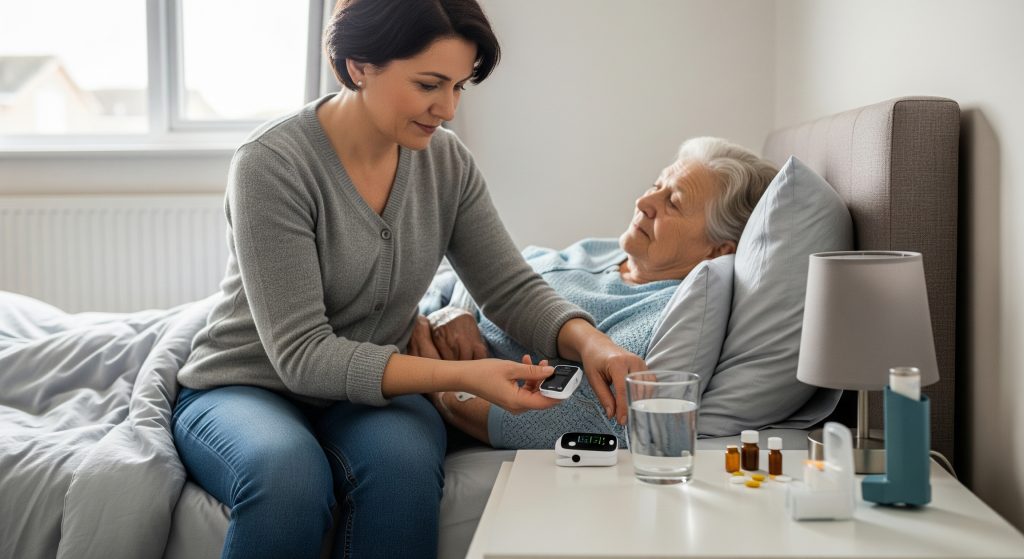
Post-Pneumonia Care at Home
Home care must be specific. General advice produces general results. I make a simple plan with the patient and family.
-
Check temperature and breathing twice daily for the first week.
-
Increase fluids, aiming for pale urine and steady intake.
-
Use prescribed inhalers correctly and rinse afterwards if corticosteroids are included.
-
Complete antibiotics, then safely dispose of leftovers.
-
Practice pacing. Short activity, short rest, repeat.
I also confirm red flags and who to call. Good home routines are part of pneumonia management, not an afterthought. Small habits prevent readmission.
Common Pneumonia Complications
Complications change the conversation. They also change timelines. I discuss them upfront to avoid surprise and to speed recognition.
-
Pleural effusion and empyema requiring drainage.
-
Sepsis with organ dysfunction.
-
Respiratory failure requiring ventilatory support.
-
Post infectious bronchial hyperreactivity causing prolonged cough.
I emphasise that most people recover without major pneumonia complications. But vigilance and early escalation limit harm when trouble appears. That vigilance is a pillar of pneumonia management.
Long-term Lung Health Monitoring
Follow up closes the loop. I schedule a review if symptoms persist beyond six weeks. Smokers and older adults often need a repeat chest radiograph. Persistent consolidation prompts further investigation to exclude obstruction or malignancy.
-
Pulmonary function testing if breathlessness persists.
-
Rehabilitation referral for those with deconditioning.
-
Inhaler technique checks for those with airway disease.
Data from simple walk tests often suffices. I avoid unnecessary imaging when function is clearly improving. Prudence is part of pneumonia management.
When to Return to Normal Activities
Return to activity should be graduated. A rigid date rarely fits all. I advise patients to add load in stages.
-
Daily living without breathlessness at rest.
-
Light walking without desaturation.
-
Short sessions of usual tasks, such as shopping or schoolwork.
-
Full days with planned breaks.
-
Return to sport or heavy labour once stamina is reliable.
For occupational roles requiring safety critical focus, I confirm cognitive clarity after hypoxia. The move back should feel conservative. That conservatism protects recovery and reinforces disciplined pneumonia management.
Key Takeaways for Effective Pneumonia Management
-
Match therapy to the likely pathogen and the patient, not a template.
-
Use early reassessment and narrow antibiotics promptly.
-
Target oxygen. Avoid both hypoxia and unnecessary high FiO2.
-
Address hydration, analgesia, and nutrition with the same intent as drugs.
-
Plan home care with clear red flags and a single point of contact.
-
Vaccinate eligible patients and remember oral hygiene in aspiration risk.
-
Track function with simple measures such as stairs or a timed walk.
-
Escalate care early if work of breathing rises or sensorium worsens.
-
Close the loop with follow up to detect pneumonia complications and relapse.
-
Prevention and recovery planning are not extras. They are pneumonia management.
Frequently Asked Questions
How long is pneumonia contagious after starting antibiotics?
For typical bacterial infections, transmissibility usually falls after 24 to 48 hours of effective antibiotics. I still advise strict hygiene for several days. Viral infections follow different timelines, and isolation may need to continue. A clinician can confirm based on the organism. Clear advice is part of responsible pneumonia management.
Can pneumonia come back after treatment?
Relapse can occur, though it is not the norm. Reasons include resistant organisms, incomplete courses, or new exposure. Aspiration risk or unrecognised obstruction can also drive recurrence. I arrange follow up if symptoms recur within weeks. That review reassesses pneumonia risk factors and adjusts the plan.
What foods help recovery from pneumonia?
I prioritise protein, fluids, and micronutrients rather than specific superfoods. Soup with lean protein, eggs, yoghurt, and fruit are practical choices. Small, frequent meals help when appetite is poor. Hydration supports mucus clearance. Nutrition is quiet but powerful pneumonia management.
Is walking pneumonia different from regular pneumonia?
Walking pneumonia refers to milder illness, often due to atypical organisms. Patients stay ambulatory but still feel unwell. The risk of complications is generally lower, yet not zero. Appropriate antibiotics and rest still matter. I treat the physiology in front of me, not the label.
How can I prevent pneumonia in elderly family members?
Focus on vaccination, oral hygiene, smoking cessation, and safe swallowing practices. Ensure warm housing and prompt treatment of colds that worsen. Encourage light daily activity to maintain respiratory muscle strength. A short plan on the fridge helps. Prevention is everyday pneumonia management.
When should children with pneumonia return to school?
After fever has resolved for 24 hours, hydration is stable, and the child can participate comfortably. Start with partial days if fatigue lingers. Teachers should know about recent illness for pacing and rest. This graded return keeps recovery on course for pneumonia in children.

