






 We do what's right for you...


Plantar Warts Treatment Explained: Causes, Relief & Removal Options
Dr. Payal Gupta
Conventional advice says to wait for plantar warts to disappear. That is often poor advice. I see plantar warts treatment work best when it is timely, targeted, and matched to the patient’s context. The aim is simple. Remove the wart, reduce pain, and lower the chance of recurrence without over-treating.
Medical Treatment and Removal Options for Plantar Warts
Salicylic Acid Treatment
For first-line care, I often begin with salicylic acid for plantar warts. It softens keratin and gradually breaks down wart tissue. The method is methodical. It rewards consistency more than intensity.
My typical protocol is straightforward:
-
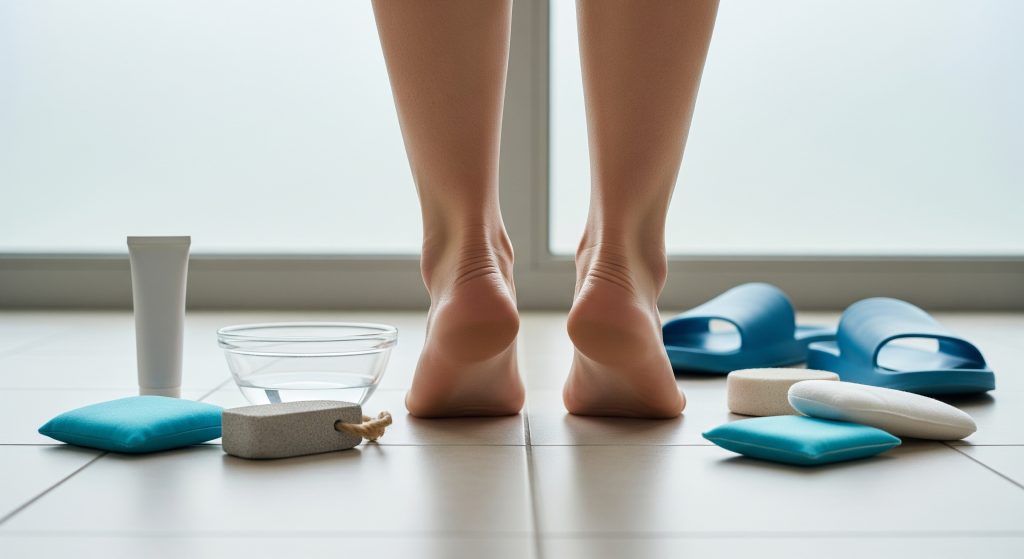
Soak the foot in warm water for 10 minutes to soften the skin.
-
Gently pare the thick surface with a disposable emery board.
-
Apply the topical as directed and cover with a small occlusive plaster.
-
Repeat daily and reassess weekly for reduction in pain or size.
As Mayo Clinic notes, salicylic acid requires repeated application over several weeks because it progressively dissolves abnormal tissue. I find this aligns with real-world outcomes, especially in smaller, non-recalcitrant lesions.
Here is why this approach matters. Plantar warts treatment should preserve healthy skin and allow ongoing activity. A gentle chemical keratolytic often strikes that balance. It is not fast, but it is safe and cost-effective for many adults.
Two caveats. Stop if irritation becomes pronounced, and avoid use on broken skin. If there is no change after a disciplined course, step up care.
Cryotherapy and Freezing Methods
Cryotherapy is the workhorse in many clinics for plantar warts treatment. Liquid nitrogen destroys tissue by rapid freeze-thaw injury. It can be uncomfortable, but it is brief.
Who benefits most. Larger painful warts, athletes needing a faster trajectory, and cases that fail simple topical therapy. Side effects include blistering and post-procedure soreness. .
Laser Therapy Options
Laser therapy /Radiofrequency ablation uses focused energy to ablate tissue or target blood vessels that feed the wart. It is a precise option for plantar warts treatment, especially in stubborn clusters or lesions near pressure points.
Advantages include targeted destruction and speed. Usually preferred method as no blood loss and post procedure healing is better.
Immunotherapy Approaches
Immunotherapy aims to train the immune system to clear the wart. It is a non-destructive strategy. This makes sense for recalcitrant cases and for patients who have multiple warts making it difficult for procedures.
Options include intralesional antigens or vaccines, topical immune modulators. Intralesional agents can trigger a systemic response that clears distant lesions. I consider immunotherapy when repeated chemical and destructive approaches stall. It pairs well with meticulous skin care and footwear changes that reduce pressure.
It is not a universal fix. But it is a valuable option when the problem persists or when multiple sites are involved.
Surgical Removal Procedures
Surgery is the final option in many algorithms for plantar warts treatment. It removes bulk tissue immediately. That is the benefit. Healing time and scar risk are the trade-offs.
Cantharidin Application
Cantharidin produces a controlled blister under the wart. The blister lifts the lesion away from the dermis. In clinic, we apply a measured amount and cover the area. The patient returns for debridement in a few days.
Advantages include minimal discomfort during application and clean separation of tissue. Drawbacks include blister pain later and the need for precise technique. It is a useful adjunct in a staged plan for plantar warts treatment, especially for patients who dislike freezing.
Treatment Considerations for Children
With children, comfort and simplicity come first. I usually attempt gentle topicals and occlusion strategies. I avoid procedures that create fear or disrupt school and sport.
Parental involvement is critical. Clear routines, small rewards for adherence, and careful footwear choices can drive success. I reserve destructive methods for persistent, painful warts that affect walking.
Safety note. Some agents are not approved for very young children. I always check age-specific guidance and adjust dose and frequency. The least invasive effective option is the right option.
Treatment Timeline and Success Rates
Plantar warts treatment follows a stepwise path. Topicals may require weeks. Procedural options may offer quicker results.. Immunotherapy can take time to stimulate clearance. One practical signal is pain reduction during walking. When pain decreases, the direction is right. I use that simple marker alongside size tracking and photo records.
Understanding Plantar Warts: Causes, Symptoms, and Diagnosis
HPV Virus Types and Transmission
Plantar warts arise from human papillomavirus infecting the outer skin. Transmission occurs via micro-abrasions, often on wet surfaces or shared floors. The virus remains local to the skin. It does not spread through the bloodstream.
Not everyone exposed will develop a lesion. Host immunity, skin integrity, and viral load all matter. This is why two teammates can share a locker room and only one develops a wart.
Hygiene helps, but immunity is the decisive factor to an extent. That is also why some cases resolve spontaneously while others persist.
Risk Factors and Vulnerable Groups
Common risk factors include frequent barefoot exposure, hyperhidrosis, and a history of eczema or atopic skin. Athletes, swimmers, and people who use communal showers are often affected. Children and adolescents develop warts more readily due to immune naivety.
Immunosuppressed patients face higher persistence and recurrence risk. In these groups, I escalate earlier and monitor more closely. Plantar warts treatment in such settings must balance efficacy with skin preservation to maintain mobility.
Plantar Warts vs Corns: Key Differences
Differentiating lesions prevents misdirected care. A misdiagnosis leads to the wrong plan and unnecessary discomfort.
|
Feature |
Plantar wart |
|
Cause |
Viral infection of skin |
|
Location |
Weight-bearing areas common, also toes and margins |
|
Pain pattern |
Hurts with side-to-side squeeze |
|
Surface |
Interrupts skin lines with speckled black dots |
|
Neighbours |
Can form mosaic clusters |
By contrast, corns are pressure keratoses over bony prominences. Skin lines continue across the lesion. Pain is direct pressure pain. The shorthand query many patients search for is plantar warts vs corns, and this simple table usually clarifies it.
When to Seek Professional Diagnosis
Seek assessment if a lesion grows rapidly, bleeds, or changes colour. Pain that alters gait warrants review. Anyone with diabetes, peripheral neuropathy, or poor circulation should avoid self-treatment without guidance.
When uncertainty remains, I biopsy atypical lesions. It is rare but essential if the clinical picture is not convincing. Early clarity prevents months of ineffective care.
Home Remedies and Natural Relief Methods
Apple Cider Vinegar Application
Some patients ask about apple cider vinegar. The approach uses acetic acid to irritate and peel. Evidence is mixed. If attempted, it must be cautious, diluted, and monitored for skin burns.
My preference is to avoid aggressive home acids on weight-bearing skin. The pain-to-benefit ratio is unfavourable.
Duct Tape Occlusion Method
Duct tape occlusion is simple and inexpensive. The tape creates a moist, occluded environment and may stimulate a local immune response. It also softens keratin for easier paring.
Method outline:
-
Cut tape to the exact lesion size to protect healthy skin.
-
Apply for several days, then remove and soak.
-
Pare gently and allow the skin to air for a night.
-
Repeat for several cycles and monitor progress.
Used alone, it is modest. Paired with a topical, it becomes more useful. Plantar warts treatment at home succeeds when the routine is sustainable and safe.
Tea Tree Oil Treatment
Tea tree oil has antimicrobial properties. Data for warts is limited and variable. Undiluted oil often irritates, especially on plantar skin.. Natural does not guarantee gentle.
Garlic and Essential Oil Remedies
Garlic extracts and other essential oils appear in many home recipes. The evidence is anecdotal and inconsistent. Contact dermatitis is common with garlic. I have seen more irritation than improvement in self-directed trials.
Patients who wish to try home remedies for plantar warts should use patch testing, dilution, and short durations. When pain increases or the lesion worsens, stop. At that point, move to proven options.
Pain Management Techniques
Reducing pain preserves mobility and mood. A simple set of tactics helps while treatment works:
-
Use a donut pad to offload pressure over the lesion.
-
Choose cushioned footwear with a supportive midsole.
-
Consider a silicone insole to reduce ground reaction force.
-
Time procedures after key events to avoid missed activity.
-
Cold compresses help after cryotherapy when soreness peaks.
Function is a clinical outcome. When walking improves, treatment is moving in the right direction.
Prevention Strategies for Recurrence
Prevention is pragmatic and not complicated. I focus on three areas. Skin, surfaces, and shoes.
-
Skin: keep soles dry, manage sweat, and maintain intact callus without cracks.
-
Surfaces: wear pool shoes in communal areas and clean shower floors regularly.
-
Shoes: rotate pairs to allow drying and use socks that wick moisture.
Do not share pumice stones or emery boards. Replace them after treatment. Small hygiene choices reduce the viral load in the environment.
Making the Right Treatment Choice for Plantar Warts
I approach plantar warts treatment like a staged plan. Start conservatively with salicylic acid or occlusion if pain is manageable. Step up to cryotherapy or radiofrequency ablation when progress stalls or pain persists. Consider laser or immunotherapy for recalcitrant lesions. Reserve surgery for disabled function, persistent pain, or repeated failure.
Decision criteria include pain, lesion size, number of warts, patient age, comorbidities, and urgency. Athletes on a schedule may accept procedural discomfort for quicker relief. Children often do better with gentle routines and positive reinforcement.
Two final checks. Ensure diagnosis is correct, especially when the lesion does not behave as expected. And document change with photos and a simple pain scale. Small wins accumulate and guide the next step.
Frequently Asked Questions
How long does salicylic acid take to remove plantar warts?
Expect several weeks at minimum. I advise daily application with weekly paring for up to 3-4weeks before declaring failure. As progress appears, maintain the schedule until the skin lines restore and pain resolves. This measured pace suits a conservative start to plantar warts treatment.
Can plantar warts spread to other parts of the body?
Yes, local spread can occur through micro-abrasions and autoinoculation. Avoid picking and use separate emery boards for each lesion. Cover warts during sport and keep skin moisturised but not wet. These steps reduce transfer while plantar warts treatment is underway.
Are plantar warts contagious to family members?
They can be, though the risk depends on host immunity and exposure. Use separate towels, avoid sharing nail tools or shoes, and clean showers. Encourage slippers on shared floors. Simple hygiene reduces risk for others without creating anxiety at home.
What’s the fastest way to remove stubborn plantar warts?
Speed comes from procedural care and decisive follow-up. Cryotherapy or radiofrequency ablation, plus careful debridement, often accelerates clearance. In resistant cases, I add an immunotherapy modality or alternate methods. The right combination beats a single technique for difficult lesions.
Why do plantar warts keep coming back after treatment?
Several reasons. Residual infected tissue, ongoing pressure that protects viral nests, or host immunity that has not engaged. Address skin loading with pads or insoles. Consider an immunotherapy step if recurrences persist. Recurrence argues for a broader plan, not just more of the same.
Is it safe to treat plantar warts at home for young children?
Often yes, with gentle methods and oversight. Use mild topicals, short occlusion cycles, and avoid painful procedures. Stop if irritation occurs and seek professional review if pain affects walking or the diagnosis is uncertain. Comfort and safety lead every decision.
Two final notes for completeness. I use the phrase plantar warts treatment deliberately because it frames a plan, not a product. And the common search terms salicylic acid for plantar warts and home remedies for plantar warts are reasonable starting points, but they are not the whole story. A careful, staged approach usually delivers the best outcome.

