






 We do what's right for you...


Piles Diet Chart: A Simplified Guide to Soothing Haemorrhoids
Dr. Shiv Chopra
High fibre solves everything. That is the standard advice for haemorrhoids. It is helpful, but incomplete. A precise piles diet works because it blends fibre, fluids, fats, and timing. I will show how to assemble that mix in a way that is practical, Indian kitchen friendly, and sustainable. The goal is simple. Softer stools, minimal strain, and calmer tissue.
Complete Piles Diet Chart: Foods to Embrace and Avoid
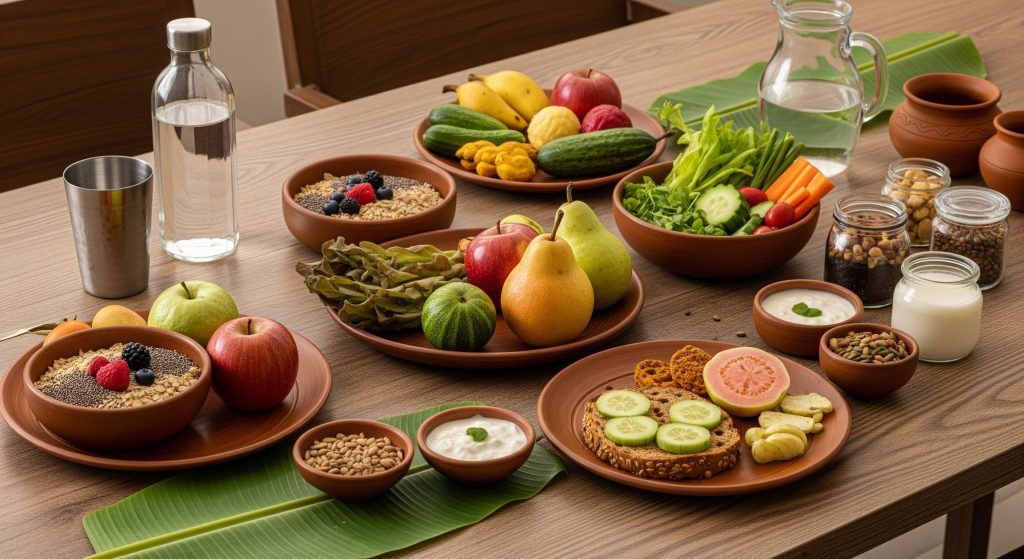
I use this piles diet chart as a clear filter. What to add, what to reduce, and what to remove for now. It turns a broad piles diet idea into daily choices.
|
Embrace |
Why it helps |
|---|---|
|
Whole grains – oats, daliya, brown rice, millets |
Adds soluble and insoluble fibre for softer stools and regularity. |
|
Legumes – moong, masoor, chana, rajma |
High fibre with protein. Supports stool bulk and satiety. |
|
Fruits with skin – apples, pears, guava |
Pectin and skins improve stool form and ease passage. |
|
Vegetables – leafy greens, carrots, gourds |
Fibre, water, and antioxidants that calm inflammation. |
|
Probiotics – curd, buttermilk, fermented foods |
Supports gut flora and reduces constipation risk. |
|
Healthy fats – sesame, olive, groundnut oil |
Lubricates stool and supports vitamin absorption. |
|
Avoid or limit |
Why it hinders |
|---|---|
|
Ultra-processed snacks and refined carbs |
Low fibre and often dehydrating. Increases constipation risk. |
|
Deep fried items and repeated-use oils |
Pro-inflammatory and slow gastric emptying. |
|
Excess red meat |
Low fibre and harder to digest for many. |
|
High-sugar desserts and sweetened drinks |
May worsen inflammation and displace fibre-rich foods. |
|
Very spicy pickles and hot sauces |
Can irritate sensitive tissue during flare-ups. |
|
Alcohol in excess |
Dehydrates and may aggravate swelling. |
High-Fibre Foods That Heal Haemorrhoids
A piles diet works first through fibre. The effect is mechanical and gentle. Fibre holds water, forms a soft gel, and lets stool pass without scraping. I prioritise whole grains, lentils, and skins-on fruit. In practice, a small bowl of oats with chia, a dal serving, and two fruit portions cover most needs.
-
Whole grains: oats, barley, brown rice, buckwheat, ragi, jowar, and daliya.
-
Legumes and beans: moong, masoor, chana, rajma, lobia, and soybeans.
-
Fruit: apples, pears, guava, figs, berries, bananas, and prunes.
-
Vegetables: cruciferous veg, carrots, beets, gourds, and leafy greens.
-
Seeds and nuts: chia, flax, sesame, almonds, and walnuts.
Health writers have long noted that prunes, apples, lentils, and wheat bran support softer stools and reduce straining. That is the exact outcome a piles diet aims to produce. Once stool softness improves, bleeding and pain tend to settle with it. Not overnight, but reliably.
Hydrating Foods and Beverages for Relief
Fibre without water can backfire. Hydration lets fibre do its job and keeps stool moist. For most adults, I advise a rhythm rather than a single target. Sip across the day, link sips to habits, and use water-rich foods to help.
-
Water, plain and frequent. Keep a bottle near your desk and bed.
-
Buttermilk, thin lassi without excess sugar, and unsweetened coconut water.
-
Water-rich foods: cucumber, watermelon, muskmelon, lettuce, strawberries, and oranges.
-
Warm fluids: light soups and herbal infusions with meals or mid afternoon.
A practical guideline many clinicians use is 8-10 glasses of water a day. As Dr. Azhar Alam explains, this supports normal bowel function and reduces constipation risk. Hydrating foods carry weight too. Items such as cucumber, lettuce, and strawberries contain over 90 percent water, which meaningfully adds to total intake as Healthline notes.
Probiotic-Rich Foods for Digestive Health
Gut bacteria influence motility and stool form. A piles diet includes probiotic sources to support that system. I lean on curd at lunch, chaas with a pinch of roasted jeera, and occasional fermented foods. Balance matters more than novelty here.
-
Everyday choices: plain curd, set dahi, or buttermilk with roasted cumin.
-
Occasional additions: kefir, sauerkraut, kimchi, or idli-dosa batter fermentation.
-
Prebiotic partners: bananas, onions, garlic, and cooked-then-cooled rice.
Regular probiotic intake can reduce constipation to an extent by improving stool consistency. That directly serves the aims of a piles diet. If dairy triggers bloating, choose non dairy fermented options and keep portions modest.
Anti-Inflammatory Foods to Reduce Swelling
Diet cannot replace procedures when indicated, but it can lower background inflammation. I focus on coloured produce, omega 3 rich foods, and a lighter hand with refined oils. Small shifts add up.
-
Fruits and vegetables: berries, citrus, tomatoes, leafy greens, cruciferous vegetables.
-
Fats and proteins: walnuts, flaxseed, chia, and oily fish for those who eat fish.
-
Spices and herbs: turmeric with black pepper, ginger, and cinnamon.
Some medicinal plants from Ayurveda and related systems have promising data in early work. For example, herbals like Terminalia chebula and Emblica officinalis are being studied for anti inflammatory effects in haemorrhoids, as covered in a recent paper indexed on ScienceDirect. Use them as adjuncts, not substitutes, and discuss with a clinician if on other medication.
Foods to Strictly Avoid with Piles
Hard truth. Some popular foods set back a piles diet for days. I advise a clear hold during flare ups, then cautious reintroduction once symptoms stay quiet.
-
Ultra-processed snacks, fast food, and refined baked goods with low fibre.
-
Repeatedly heated oils and deep fried items that slow gastric emptying.
-
Very spicy pickles, hot sauces, and chilli heavy gravies during active pain.
-
Alcohol in excess, especially without water and food alongside.
-
Large red meat portions with minimal vegetables or whole grains.
The point is not abstinence forever. It is control during flare, and proportion later.
Spices and Condiments: What Works and What Doesn’t
Spices are not the enemy. Irritation, however, is unhelpful during recovery. I use spices that ease digestion and reduce gas, and I pause those that sting.
-
Supportive: turmeric, coriander, cumin, ajwain, fennel, cardamom, and small ginger.
-
Cautious: chilli powder, black pepper in large amounts, vinegar heavy pickles.
-
Helpful condiments: fresh mint chutney, coconut chutney, tomato basil salsa.
During a flare, tone down heat and acidity. Once settled, reintroduce preferred flavours with smart portions.
Natural Remedies for Piles Through Diet
I integrate natural remedies for piles into the same piles diet framework. Food first, then targeted additions. Nothing heroic, just consistent practice.
Traditional Indian Home Remedies
Several home practices align well with the physiology of haemorrhoids. They reduce straining, keep stool soft, and minimise irritation.
-
Warm water after waking, then fruit within 30 minutes.
-
Isabgol husk mixed with water or warm milk at night, if tolerated.
-
Stewed prunes or soaked figs before bed for gentle morning relief.
-
Jeera-ajwain-fennel tea after heavy meals to reduce gas.
-
Squatty posture support with a small footstool to ease passage.
These are simple, low risk adjustments. They sit comfortably alongside a structured piles diet.
Herbal Teas and Healing Drinks
Herbal infusions can be calming and functional. I prefer light preparations and consistent use rather than strong brews. Ginger-fennel or chamomile work well in practice. Some traditions also describe aloe based decoctions and plant preparations for topical use, such as Aloe vera and guava leaf, referenced in field surveys documented by National Library of Medicine. Use caution and seek medical advice for any topical application on broken skin.
-
Ginger or peppermint tea for gas relief and mild comfort.
-
Fennel or light licorice infusions for soothing digestion.
-
Chamomile in the evening to settle the system.
-
Roasted cumin buttermilk as a mid day digestive.
Hydration is still the core mechanism. Herbal teas are an adjunct, not the entire plan.
Beneficial Oils and Their Applications
Fat is not just calories here. It is a lubricant and a delivery vehicle for fat soluble nutrients. I use modest oil in cooking with a focus on stability and quality.
-
Cold pressed sesame or groundnut oil for everyday cooking in small amounts.
-
Olive oil for sautéing vegetables and dressing salads.
-
Ghee in small quantities if tolerated and cholesterol is controlled.
Some individuals report relief from a teaspoon of olive oil on an empty stomach. This can help stool slide more easily. Results vary, but the risk is low when medically appropriate.
Timing Your Meals for Maximum Relief
Timing is underrated. It is basically a lever for motility, bile flow, and hydration. I structure a piles diet around calm, predictable rhythms.
-
Wake, hydrate, then fruit. A warm drink helps initiate the gastrocolic reflex.
-
Breakfast within 60 to 90 minutes. Include fibre and fluid together.
-
Lunch as the largest meal. Add curd or chaas to support digestion.
-
Early, lighter dinner. Leave at least 2 hours before bedtime.
-
Consistent bathroom time after breakfast. No long straining.
This timing reduces late night reflux and morning urgency. It also supports the microbiome with regular feeding windows.
7-Day Piles Diet Plan with Indian Meals
I designed the following as a flexible template. It is compatible with vegetarian or mixed diets. The theme stays constant across days: fibre, fluids, healthy fats, and calm spices. This is a piles diet you can live with.
Breakfast Options for Smooth Digestion
Breakfast should start your transit without heaviness. I pair fibre with water and a little protein. Choose one option each morning and rotate for variety.
-
Oats porridge with chia and stewed berries. Warm water on the side.
-
Vegetable upma with peas and carrots. A small bowl of papaya.
-
Moong chilla stuffed with spinach and paneer. Buttermilk alongside.
-
Idli with sambar loaded with vegetables. Coconut chutney in moderation.
-
Poha with peanuts, grated carrot, and coriander. Orange segments after.
-
Multigrain toast with hummus and cucumber. A pear with skin.
-
Daliya cooked with milk and dates. Sprinkle ground flaxseed on top.
A piles diet benefits when breakfast is steady and not aggressive on spices. If mornings are rushed, a banana, a small handful of nuts, and a curd bowl still works.
Lunch Combinations That Prevent Strain
Lunch is the anchor. I structure it around a grain, a lentil, two vegetables, and a probiotic. Portions matter. So does balance.
-
Brown rice, masoor dal tadka, bhindi stir fry, cucumber raita, and salad.
-
Phulka rotis, chana masala, lauki chana sabzi, and chaas with roasted cumin.
-
Millet khichdi with moong, carrot beet salad, and plain curd.
-
Vegetable pulao with peas, rajma in light gravy, and kachumber.
-
Curd rice with added grated carrot and pomegranate, and sautéed cabbage.
-
Quinoa with mixed veg, tadka dal, and a small bowl of yogurt.
-
Sambar, red rice, beans poriyal, and a small avocado wedge for fats.
Keep sauces light and avoid heavy tempering. This keeps the piles diet predictable and reduces afternoon sluggishness.
Dinner Ideas for Overnight Healing
Dinner needs to be simpler and earlier. Digestion slows at night. A calm bowl beats a big spread here.
-
Moong dal khichdi with spinach, a spoon of ghee, and a side salad.
-
Vegetable soup with barley, paneer bhurji, and a small piece of multigrain bread.
-
Steamed rice, tur dal rasam with drumstick, and sautéed greens.
-
Besan chilla with grated carrots and curd. Warm water after.
-
Light fish curry with red rice and pumpkin sabzi for those who eat fish.
-
Stir fried tofu with vegetables and a small portion of brown rice.
-
Oats-vegetable cheela and tomato-cucumber salad with olive oil.
I keep chilli low at dinner. A softer evening helps tissues recover. It is basically a nightly reset for the piles diet.
Healthy Snacks Between Meals
Snacks should add fibre and hydration without heavy fats. Think fruit first, then nuts or fermented options. Keep portions reasonable.
-
Apple or pear with skin. Add a teaspoon of peanut butter if needed.
-
Kiwi or papaya bowl with a squeeze of lime.
-
Curd with roasted flax and a few berries.
-
Roasted chana with tadka buttermilk.
-
Guava slices with chaat masala, used sparingly.
-
Steamed corn with lemon and a pinch of salt.
-
Dates and soaked almonds on busy days.
If sweet cravings strike, choose stewed prunes or a small date nut bite. This keeps the piles diet on track without feeling punitive.
Portion Control and Eating Frequency
More is not better. Consistent sizing works better than strict restriction. I use this simple frame.
-
Plate method: half vegetables and salad, a quarter whole grain, a quarter protein.
-
One tablespoon of seeds or nuts a day as a topper, not the base.
-
Two fruit portions daily, sometimes three during hot months.
-
Three main meals and one or two small snacks. No grazing.
-
Minimum two hours gap before lying down after dinner.
This rhythm supports a piles diet without constant willpower. A habit, not a short term fix.
Making Your Piles Diet Sustainable
Most plans fail on friction. The piles diet succeeds when it fits normal life. I prioritise batch prep, default orders, and small buffers for social meals. That keeps discipline without drama.
-
Batch cook dal and whole grains. Cool and refrigerate for fast assembly.
-
Stock a fruit bowl and plain curd. These solve half of the snack decisions.
-
Carry a water bottle and schedule sips. Hydration is a behaviour, not a memory.
-
Dial spice down during flare ups. Restore slowly once pain eases.
-
Hold alcohol and very spicy foods during active symptoms. Reassess later.
-
Use a small footstool in the bathroom to reduce strain quickly.
Critics argue diet changes are slow to show results. They are not entirely wrong, though stool softness can improve within days. The deeper tissue healing is slower. But the cumulative effect is decisive.
A sustainable piles diet is simple food, served on time, with water nearby. Consistency is the real medicine.
Frequently Asked Questions
Can I eat rice if I have piles?
Yes. White rice in moderate portions can fit, but brown or red rice offer more fibre. Pair rice with dal and vegetables to stabilise stool form. In a flare, keep portions modest and add soups or chaas to improve hydration.
How quickly does a piles diet show results?
Stool softness often improves within 48 to 72 hours if fibre and fluid rise together. Pain and swelling may take longer, roughly speaking one to two weeks depending on severity. Maintain the plan beyond symptom relief to prevent relapse.
Is milk good or bad for haemorrhoids?
It depends. Milk can be constipating for some. Others tolerate it well. Curd and buttermilk are often safer choices due to probiotics. If milk causes gas or heaviness, reduce it during flares and reassess later.
Can children follow the same piles diet as adults?
The principles remain, but portions and spice levels differ. Prioritise fruit, vegetables, whole grains, and curd. Avoid harsh laxatives without paediatric guidance. Encourage water, regular bathroom time, and gentle activity.
Should I avoid all spicy food permanently?
No. Avoid very hot, pungent spices during active pain. Once symptom free, reintroduce heat gradually. Balance with fibre and cooling sides like raita. The piles diet is not anti flavour. It is anti irritation.
Which fruits provide fastest relief from piles symptoms?
Prunes, figs, papaya, kiwi, and pears with skin often help quickly. They supply soluble fibre and water. Combine them with adequate fluids for best effect. That pairing is what softens stool and reduces strain consistently.
Final thought: A piles diet works when it is ordinary, not extreme. Build plates around fibre and fluids. Add probiotics and gentle spices. Keep timing steady. Then let consistency do its quiet work.

