






 We do what's right for you...


Oral Chemotherapy for Cancer: Explained Simply with a Tablet Focus
Dr. Bimlesh Thakur
Convenience is often praised as the reason to switch to tablet chemotherapy. That logic is incomplete. Convenience matters, but outcomes, safety, and cost discipline matter more. In practice, the decision turns on disease subtype, molecular markers, and the capacity to manage risks at home. I will explain the leading options available in India, how to take them safely, how to mitigate side effects, and what a realistic budget looks like. The goal is simple. Make tablet chemotherapy understandable and actionable, without oversimplifying clinical nuance.
Top Oral Chemotherapy Tablets Available in India
Capecitabine for Breast and Colorectal Cancer
Capecitabine remains a foundation drug in breast and colorectal cancer. It is a prodrug that converts to 5‑FU in tumour tissue, which is why it can be effective in both adjuvant and metastatic settings. In real clinics, I see two patterns work: classic cyclical dosing and carefully designed low‑dose schedules for older patients or those with comorbidities. Tablet chemotherapy with capecitabine can reduce clinic time and give patients more control over daily routines.
The trade offs are clear. Diarrhoea, hand‑foot syndrome, and fatigue can limit dose intensity, and interactions with food or other medicines can complicate adherence. I prioritise early education, clear written plans, and a checkpoint call in week one. That simple cadence supports safer tablet chemotherapy without eroding efficacy.
-
Typical uses: residual risk after colorectal surgery, metastatic GI disease, metastatic breast cancer.
-
Key watchpoints: skin changes on palms and soles, persistent diarrhoea, mouth sores, dehydration risk.
-
Practical tip: pre‑emptive emollients for hands and feet, and ready access to an anti‑diarrhoeal agent.
When toxicity accumulates, I adjust early. Metronomic or reduced‑dose strategies can preserve disease control and improve tolerability. Not perfect. Often good enough to continue tablet chemotherapy with quality of life intact.
Temozolomide for Brain Tumours
Temozolomide is integral to managing glioblastoma and several high‑grade gliomas. It is taken in cycles with rest periods, which helps recovery from marrow suppression and cumulative fatigue. For IDH‑mutant anaplastic glioma, adjuvant temozolomide has shown long survival signals. As ecancer reported, median overall survival can reach 12.5 years in this subgroup, which is a compelling figure in neuro‑oncology.
Tablet chemotherapy must still meet the bar on precision. I align dosing with performance status and surgical outcomes, because those factors influence benefit. Combination schedules exist, but I keep the focus on net clinical benefit rather than protocol complexity. And yet, for motivated patients and capable caregivers, at‑home dosing is often smoother than infusion schedules.
-
Common effects: nausea, low counts, constipation, appetite loss.
-
Monitoring: full blood count before each cycle and symptom tracking for early intervention.
-
Example: a patient with high Karnofsky performance and total resection may tolerate standard cycles well.
The aim is simple. Deliver effective tablet chemotherapy while keeping neurological function and daily independence front and centre.
Imatinib for Chronic Myeloid Leukaemia
Imatinib transformed CML from a disruptive disease into a controllable condition for many. It is targeted, oral, and typically taken once daily. Tablet chemotherapy in this context is less about cytotoxicity and more about sustained kinase inhibition, adherence, and structured monitoring. Dose escalation can be considered when responses lag, provided risks remain acceptable.
Financial reality matters. As DrRahulBhargavaHematologist outlines, monthly costs range roughly from $300 for generics to $800 for branded versions in India. That spread is significant for long‑term therapy. I encourage patients to compare options through trusted hospital pharmacies and to document tolerance and milestones at 3, 6, and 12 months.
-
Follow up: routine BCR‑ABL monitoring and side effect review every clinic visit.
-
Adherence: set consistent dosing times and use a medication diary or e‑reminder.
-
Escalation: consider if molecular targets are not achieved on standard dose.
With disciplined follow up, tablet chemotherapy can sustain remission for years. Without it, suboptimal adherence can erode hard‑won gains.
Erlotinib and Osimertinib for Lung Cancer
In EGFR‑mutated non‑small cell lung cancer, first‑line choice matters. Osimertinib is preferred for many due to broader mutation coverage, central nervous system activity, and a durable response profile. Erlotinib remains an option in selected contexts, especially where testing confirms sensitising mutations and resources are limited. This is precision oncology delivered through tablet chemotherapy, not one size fits all.
Patient selection is non‑negotiable. Confirm the mutation, review comorbidities, and discuss rash and diarrhoea management explicitly. I build a simple action plan: moisturiser use for rash prevention, loperamide on hand, and clear thresholds for calling the team. That plan stabilises tablet chemotherapy adherence in the first month, which is where many patients wobble.
-
When CNS disease exists, osimertinib often offers a practical advantage.
-
If cost barriers are present, discuss assistance pathways early.
-
For rash, sunscreen and gentle skincare reduce escalation to steroids.
The message is consistent. Confirm biomarkers, counsel proactively, and keep a tight communication loop. That is how tablet chemotherapy becomes a reliable long‑term strategy rather than a stopgap.
Abemaciclib for Hormone-Positive Breast Cancer
For HR‑positive, HER2‑negative breast cancer, abemaciclib combined with endocrine therapy has reshaped practice. It improves progression‑free outcomes in metastatic disease and provides benefit in high‑risk early disease. Tablet chemotherapy here functions as a targeted cell cycle inhibitor, so the toxicity profile differs from classic cytotoxics. Diarrhoea is common but manageable with early loperamide, hydration, and dose holds when necessary.
I monitor counts, liver function, and symptoms on a structured timeline. That schedule enables fast dose corrections while maintaining efficacy. Patients value continuity. Tablet chemotherapy allows them to sustain work patterns and family commitments, which often matters as much as numerical response rates.
-
Start an antidiarrhoeal plan on day one and educate about red flags.
-
Use a clear dose‑reduction ladder rather than ad hoc adjustments.
-
Reinforce adherence with simple routines and calendar prompts.
The right combination delivers control and predictability. In other words, targeted tablet chemotherapy that patients can live with for the long haul.
Managing Side Effects and Taking Tablets Safely
Common Gastrointestinal Side Effects and Relief Strategies
Nausea, vomiting, diarrhoea, and dyspepsia are common across many oral agents. I start with prevention: small frequent meals, low‑fat choices, and minimal strong odours during the first week. Pharmacologically, tailored antiemetics and early loperamide for diarrhoea prevent avoidable treatment breaks. This is not overcaution. It is the fastest way to stabilise tablet chemotherapy in the home setting.
-
Diet basics: avoid large meals, very spicy dishes, and fizzy drinks during active days.
-
Hydration: set a daily goal and track it. Oral rehydration salts help after diarrhoea.
-
Medications: take prescribed antiemetics before doses if a pattern emerges.
For persistent symptoms, I reassess dosing, timing with food, and possible interactions. Sometimes the fix is simple, like moving the dose to bedtime. Sometimes it is a pause. Either way, timely adjustments keep tablet chemotherapy on track.
Handling Fatigue and Weakness During Treatment
Cancer‑related fatigue is both common and layered. It reflects treatment effects, stress, sleep disruption, and nutritional change. I recommend a structured routine: consistent wake time, light daily exercise on most days, and adequate protein with every meal. Tablet chemotherapy can then continue without drifting into chronic deconditioning.
-
Energy budgeting: prioritise two essential tasks daily and defer the rest.
-
Activity: 15 to 20 minutes of walking or gentle stretching most days.
-
Clinical review: screen for anaemia, thyroid issues, or depression if fatigue persists.
There is a principle at work. Build a small but reliable baseline, then add. Tablet chemotherapy is easier to sustain when body and mind are supported, even modestly.
Preventing and Treating Hand-Foot Syndrome
Hand‑foot syndrome appears as redness, swelling, tingling, and pain on palms and soles. It is strongly associated with fluoropyrimidines such as capecitabine. I counsel prevention before the first pill: daily emollients on hands and feet, avoidance of heat exposure, and reduced friction during chores. That pre‑emptive routine often prevents dose‑limiting pain during tablet chemotherapy.
-
Skin care: urea‑based or petroleum emollients twice daily to at‑risk areas.
-
Footwear: cushioned, breathable shoes, cotton socks, and brief breaks during standing tasks.
-
Escalation: report blistering, severe pain, or bleeding quickly for dose review.
If symptoms escalate, I pause therapy and use topical steroids or analgesia as needed. Then I restart at a lower dose. Not ideal. But it keeps tablet chemotherapy viable for many who benefit.
Blood Count Monitoring Requirements
Low white cells, red cells, or platelets change the risk profile of treatment. I schedule baseline tests, checks before each cycle where applicable, and interim tests when symptoms suggest marrow suppression. This supports timely dose changes and infection precautions. It also reassures patients that their tablet chemotherapy is being actively supervised.
-
At minimum: full blood count at clinically defined intervals.
-
If fever occurs: hold tablets and arrange urgent assessment.
-
Documentation: keep copies of results and bring them to every review.
For prolonged cytopenias, I reconsider the regimen, add growth factor support where indicated, and reinforce hygiene and crowd‑avoidance advice. Safe tablet chemotherapy relies on that vigilance.
Essential Safety Precautions When Handling Tablets
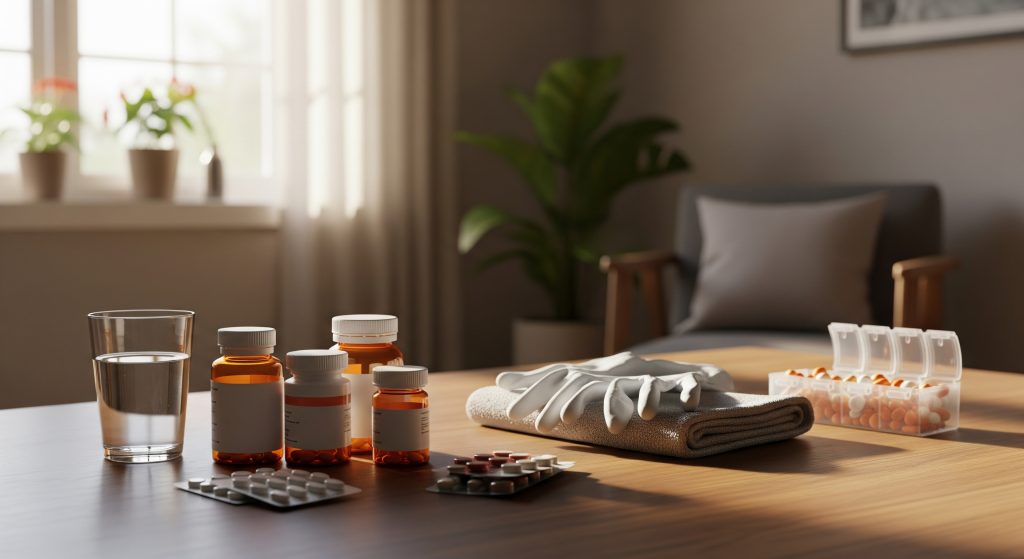
Handling practices matter, because many agents are cytotoxic. I advise using gloves to decant pills, washing hands after contact, and storing medicines away from children and heat. These measures protect family members as well as patients. They also reduce accidental exposure during routine tablet chemotherapy.
-
Use a dedicated pill organiser. Do not mix with other household tablets.
-
Do not crush or split unless your oncologist confirms it is safe.
-
Return unused tablets to a pharmacy for disposal. Do not bin or flush them.
Body fluids can contain trace drug for several days after dosing. Close the toilet lid before flushing, use separate laundry if heavy soiling occurs, and wear gloves for clean‑ups. Simple steps. Material risk reduction when delivering tablet chemotherapy at home.
Treatment Costs and Financial Planning in India
Average Cost Breakdown by Cancer Type
Costs vary by diagnosis, drug selection, and duration. A colorectal patient on capecitabine will see different monthly outlays than an EGFR‑mutated lung cancer patient on osimertinib. I suggest building a treatment budget that includes medicines, tests, clinic visits, and supportive drugs. Tablet chemotherapy often reduces infusion fees, but laboratory and imaging schedules still add up.
-
Line items: drug cost, tests, imaging, travel, nutrition, and workdays missed.
-
Time horizon: plan in 3 to 6 month blocks, then refine quarterly.
-
Contingency: hold a 10 to 15 percent buffer for dose changes or new tests.
A transparent budget does not change the therapy. It changes preparedness. And that reduces stress when tablet chemotherapy extends beyond initial estimates.
Government Schemes and Insurance Coverage Options
Coverage depends on state programmes, central schemes, and the specific policy. Insurers may require prior authorisation, molecular reports, or formulary checks for targeted agents. My advice is consistent. Confirm inclusion before starting, ask for written approvals, and clarify refill rules to avoid mid‑cycle delays in tablet chemotherapy.
-
Check empanelled hospital lists and pharmacy tie‑ups.
-
Understand co‑pay percentages and annual caps.
-
Document every pre‑authorisation and save approvals digitally.
If a policy excludes a drug, seek a medical necessity letter and escalate through the insurer’s grievance path. Persistence helps. So does a precise case summary from your oncologist.
Generic versus Branded Tablet Pricing
Generic medicines can substantially reduce out‑of‑pocket spend. In India, price variation between branded and generic products is common, including for targeted agents. The Jan Aushadhi network offers generic options, though availability and consistency vary by region. For tablet chemotherapy, I focus on quality‑assured supply, stable pricing, and pharmacist reliability.
-
Compare unit prices per milligram to avoid misleading pack costs.
-
Ask about batch expiry and storage conditions.
-
Keep to one reliable source to avoid unintended substitutions.
Affordability is an ongoing process. Review pricing every quarter and renegotiate where possible. Small reductions compound over long courses of tablet chemotherapy.
Tips for Reducing Treatment Expenses
Several levers can bring costs down without compromising care. Use generics from dependable suppliers, schedule tests efficiently, and apply for philanthropic support early. As IndianCancerSociety highlights, its Cancer Cure Fund has disbursed over Rs. 302.72 crores and assisted more than 16,000 patients, which shows the tangible impact of aid programmes.
-
Ask your centre’s social worker about hospital‑linked funds and state schemes.
-
Cluster blood tests with clinic reviews to reduce repeat visits.
-
Use a written calendar for refills to capture bulk discounts where allowed.
The best time to plan is before the first prescription. Tablet chemotherapy works best when medical and financial plans are aligned from day one.
Frequently Asked Questions
How effective are oral chemotherapy tablets compared to IV chemotherapy?
Effectiveness depends on cancer biology and the drug class, not the route alone. Many targeted and cytotoxic agents match or exceed infusion results in defined settings. I prioritise evidence by indication and mutation status, then choose tablet chemotherapy or infusions accordingly. Different tools, same goal.
Can I take chemotherapy tablets at home without supervision?
At home administration is common, but not unsupervised. Structured monitoring, clear toxicity thresholds, and reliable communication are required. I arrange early follow up and written instructions. That framework makes tablet chemotherapy safe and predictable for most patients.
What foods should I avoid whilst taking oral chemotherapy?
Large, high‑fat meals, very spicy dishes, and carbonated drinks can aggravate nausea or dyspepsia. Grapefruit can interact with some agents. I prefer small frequent meals, adequate protein, and careful hydration. This approach stabilises tolerance during tablet chemotherapy.
How long does a typical course of tablet chemotherapy last?
Duration varies by disease stage and response. Adjuvant schedules may run for a few months. Targeted therapies in metastatic settings often continue until progression or intolerance. I set review points every 8 to 12 weeks to reassess ongoing tablet chemotherapy.
Are there age restrictions for oral chemotherapy treatment?
No formal cut‑off exists. Fitness, organ function, and daily support determine suitability more than age alone. I adjust dose and monitoring for frailty and comorbidities. Done well, this keeps tablet chemotherapy accessible to older adults.
What happens if I miss a dose of my chemotherapy tablet?
Check the written plan. Many drugs advise skipping the missed dose if close to the next scheduled time. Do not double up unless your oncology team instructs otherwise. Consistency and communication protect the effectiveness of tablet chemotherapy.
Can oral chemotherapy tablets be crushed or split?
Generally, no. Many formulations are designed for intact swallowing to control absorption and reduce exposure risks. If swallowing is difficult, inform your team for alternatives. This prevents accidental toxicity during tablet chemotherapy.
Conclusion
Tablet chemotherapy is not a convenience upgrade. It is a precise treatment mode that demands careful selection, early education, active monitoring, and grounded financial planning. Choose the right agent for the biology, codify a safety routine at home, and use structured reviews to guide dose and duration. Done this way, oral chemotherapy and chemotherapy tablets provide control, continuity, and outcomes that withstand scrutiny. The objective is durable benefit with an acceptable burden. That is the standard to uphold.

