






 We do what's right for you...


Nebulizer for Asthma Explained: Benefits, Usage & More
Dr. Kunal Luthra
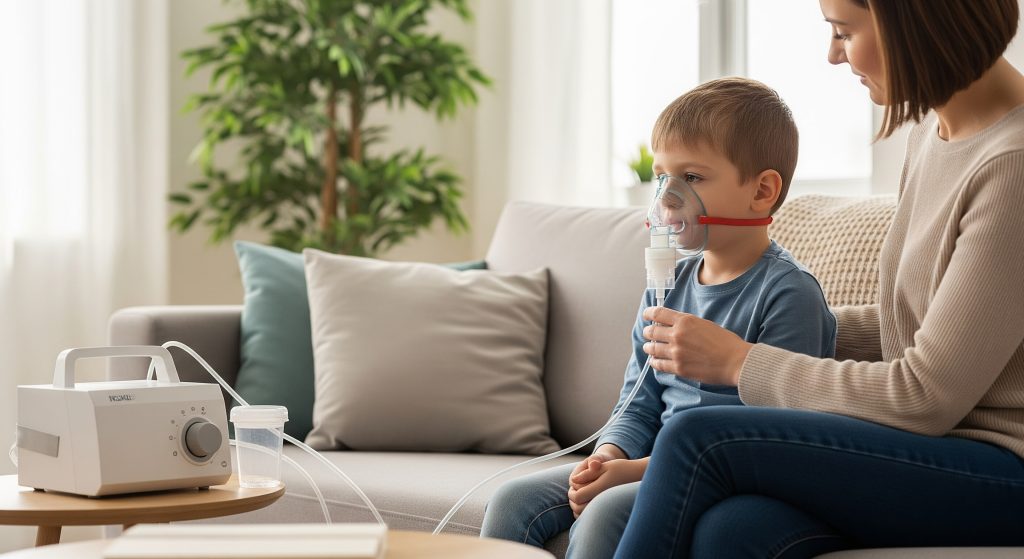
Most people assume that when asthma symptoms flare up, the quickest path to relief runs straight through a pocket-sized inhaler. For years, that was the default answer. But here’s the thing – that assumption falls apart the moment coordination becomes difficult, whether it’s a toddler mid-tantrum or an adult gasping through a severe attack. A nebulizer for asthma changes the game entirely. It delivers medication as a fine mist, requiring nothing more than normal breathing. No timing. No pressing buttons at precisely the right moment. Just sit back and breathe.
This guide breaks down everything about nebulizers – the different types, how to use them properly, what side effects to watch for, and when they genuinely outperform an asthma inhaler. Whether managing a child’s condition at home or preparing for those unpredictable emergencies, understanding how nebulizers work makes a real difference.
Types of Nebulizers for Asthma Treatment
Choosing the right nebulizer isn’t just about picking something off a shelf. The technology behind these devices varies significantly, and that variation affects everything from treatment time to portability. Let’s walk through the main categories.
1. Jet Nebulizers
Jet nebulizers represent the workhorses of respiratory treatment. They’ve been around for decades and remain incredibly common in hospitals and homes alike. The mechanism is straightforward – compressed air pushes through liquid medication, transforming it into a breathable mist.
The upsides? They’re durable, relatively inexpensive, and compatible with most medications. The downsides? They’re noisy. Like, noticeably noisy. Picture a small compressor humming away on your kitchen table for ten to fifteen minutes. They’re also bulkier than newer alternatives, which limits portability.
For home use where portability isn’t a concern, jet nebulizers remain a solid, affordable choice. They just won’t win any awards for discretion.
2. Mesh Nebulizers
Mesh nebulizers are becoming the preferred choice for nebulized drug delivery due to their portability and ease of use compared to traditional jet nebulizers, according to Therapeutic Delivery. These devices push medication through a fine mesh containing thousands of tiny holes, creating an aerosol with minimal waste.
The Innospire Go exemplifies this technology well – it’s silent, compact, and remarkably easy to clean since only the mouthpiece needs attention. The Pari eFlow is another popular option that skips the tubing entirely, as users on Mayo Clinic forums frequently mention. Mesh nebulizers also facilitate enhanced lung deposition while using lower energy, which appeals to both patients and healthcare providers.
The catch? They cost more upfront. But for anyone who travels frequently or needs discretion during treatment, that premium often pays for itself.
3. Ultrasonic Nebulizers
Ultrasonic nebulizers use a piezoelectric crystal to generate aerosol particles, providing a fast and efficient method for delivering medication directly to the lungs. These devices operate quietly, making them particularly suitable for use with children or in settings where noise reduction is essential.
They’re generally smaller and more portable compared to traditional jet nebulizers, making them excellent for on-the-go treatments. One critical note though – regular maintenance is crucial to avoid bacterial growth, and patients should follow manufacturer guidelines to ensure optimal performance.
Not all medications work well with ultrasonic nebulizers. Some formulations get damaged by the heat generated during the aerosolisation process. Always check with a pharmacist before assuming any medication is compatible.
Portable vs Tabletop Models
This choice fundamentally comes down to lifestyle. It’s basically a trade-off between power and convenience.
|
Feature |
Portable Nebulizers |
Tabletop Nebulizers |
|---|---|---|
|
Power Source |
Battery-operated or car adapters |
Mains electricity required |
|
Size |
Compact, fits in a handbag |
Larger, stationary design |
|
Noise Level |
Generally quieter |
Often louder (especially jet types) |
|
Medication Capacity |
Smaller reservoir |
Larger capacity for extended use |
|
Cost |
Higher upfront |
More affordable |
|
Best For |
Travel, active lifestyles |
Home use, frequent treatments |
Handheld nebulizers are ideal for travel and quick treatments, operating quietly and requiring no power outlet. Tabletop nebulizers offer consistent and powerful medication delivery with larger medication capacities. The choice often hinges on lifestyle – portable versions appeal to those who travel, whereas tabletop units serve those needing frequent or extended treatment.
Nebulizer vs Asthma Inhaler Comparison
Here’s where things get interesting. Both devices deliver medication to the lungs, but they do it very differently.
An asthma inhaler (specifically an MDI – Metered Dose Inhaler, the type most people recognise) requires precise coordination. Press down, breathe in at exactly the right moment, hold your breath. Miss the timing, and a significant portion of the medication ends up coating the back of your throat instead of reaching your lungs.
Nebulizers remove that coordination requirement entirely. The medication becomes a continuous mist that gets inhaled through normal breathing over several minutes. This makes them invaluable for:
-
Young children who can’t master inhaler technique
-
Elderly patients with arthritis or reduced dexterity
-
Anyone experiencing a severe attack where coordinated breathing becomes impossible
-
Situations requiring higher medication doses
The trade-off? Inhalers are faster (a puff takes seconds versus ten to fifteen minutes for nebulisation) and vastly more portable. Most adults with well-controlled asthma will rely on inhalers for daily management and reserve nebulizers for specific situations.
Key Benefits of Using a Nebulizer for Asthma
Understanding the advantages helps in deciding when nebulisation makes sense over other options. Here’s what genuinely matters.
Effective Medication Delivery
Effective medication delivery is crucial in asthma treatment, as it allows for faster symptom relief and better control of the condition. The right choice of medication and delivery method can significantly influence therapeutic outcomes in asthma management.
Nebulizers have evolved to provide efficient drug delivery for respiratory conditions, enhancing patient compliance and treatment outcomes. Recent technological advancements, particularly in mesh and ultrasonic types, have improved medication delivery efficiency. Assessments show significant variability in drug delivery efficiency among nebulizer systems, impacting overall treatment effectiveness. Optimising nebulizer systems based on patient-specific needs can enhance drug deposition in the lungs.
Think of it like watering a garden. An inhaler is a quick spray from a hose – effective if aimed correctly, but easy to miss the roots. A nebulizer is more like a gentle sprinkler system running steadily, ensuring every corner gets covered. That steady, prolonged delivery means more medication actually reaches the airways.
Suitable for All Age Groups
This is honestly the only feature that matters for some families. A two-year-old cannot reliably use an asthma inhaler. Full stop. Even with a spacer device, the technique remains challenging.
Nebulizers sidestep this entirely. Mask attachments fit snugly over a child’s face, and all that’s required is normal breathing. The same applies to elderly patients dealing with tremors, arthritis, or cognitive decline. The device does the work. The patient just breathes.
Paediatric masks come in various sizes, and some manufacturers even design them with fun colours or characters to reduce anxiety in younger children. Small details, but they make a difference when treating a frightened toddler.
Emergency Asthma Management
When an asthma attack hits hard, the last thing anyone needs is to fumble with an inhaler. Nebulizers are valuable for emergency asthma management, delivering medications effectively in acute situations, as noted by Mayo Clinic.
During severe attacks, airways narrow dramatically. Getting medication deep into those constricted passages requires sustained delivery – exactly what nebulizers provide. Asthma attacks require prompt intervention through available inhalers, with nebulizers as a key option for severe cases.
That said, nebulizers aren’t a substitute for emergency medical care. They’re a bridge – a way to administer relief while waiting for professional help or while symptoms are escalating but not yet critical.
Higher Medication Doses
Sometimes the standard inhaler dose simply isn’t enough. Severe asthma, acute exacerbations, or certain medications require larger quantities than a typical MDI can deliver in a reasonable timeframe.
Nebulizers can administer higher doses over their treatment duration. This makes them particularly useful for:
-
Administering bronchodilators during acute attacks
-
Delivering corticosteroids in higher concentrations
-
Combining multiple medications in a single treatment session
Always follow prescription guidelines. More medication isn’t automatically better, and overuse carries its own risks.
No Coordination Required
Worth emphasising again. The single most frustrating part of inhaler therapy is watching patients who simply cannot get the timing right, no matter how many times they practise. It’s not a failure of effort – some people genuinely struggle with the hand-breath coordination required.
Nebulizers eliminate this variable entirely. Normal tidal breathing delivers the medication. There’s no “wrong way” to breathe through a nebulizer mask or mouthpiece. This dramatically improves actual medication uptake in patients who previously received suboptimal doses from poorly coordinated inhaler use.
How to Use a Nebuliser Step-by-Step
Getting the technique right matters. Improper use leads to reduced effectiveness and potential hygiene issues. Here’s the complete process.
1. Preparing the Nebulizer
Start with clean hands – obvious, but often skipped. Wash thoroughly with soap and water before handling any components.
Assemble the nebulizer according to manufacturer instructions. For most models, this means:
-
Connect the tubing to the compressor (for jet nebulizers)
-
Attach the medication cup to the tubing
-
Connect the mouthpiece or mask to the medication cup
-
Ensure all connections are secure but not overtightened
Place the device on a stable, flat surface. For tabletop models, ensure adequate ventilation around the compressor to prevent overheating.
2. Adding Medication
Measure the exact dose prescribed. Most medications come in pre-measured unit-dose vials (sometimes called ampules), which eliminates guesswork. If using larger bottles, use the dropper or syringe provided.
Pour the medication directly into the nebulizer cup. Avoid touching the inside of the cup to maintain sterility. If combining medications (only when specifically prescribed), add them together to the cup. Some medications shouldn’t be mixed – check with a pharmacist if uncertain.
Replace the cup lid securely. Loose lids cause medication leakage during treatment.
3. Proper Positioning and Breathing
Sit upright in a comfortable position. Slouching compresses the lungs and reduces medication absorption. Keep the nebulizer cup vertical to prevent spills – tilting it causes medication to pool away from the aerosol outlet.
For mouthpiece use: Place the mouthpiece between your teeth, seal your lips around it, and breathe normally through your mouth. Avoid breathing through the nose during treatment.
For mask use: Position the mask firmly over the nose and mouth. Adjust the elastic strap for a snug but comfortable fit. There shouldn’t be gaps where mist escapes.
Breathe slowly and deeply. Every few minutes, take an extra-deep breath and hold it for two to three seconds before exhaling. This helps medication settle deeper into the airways.
4. Treatment Duration
Most nebulizer treatments take between 10 and 15 minutes. You’ll notice the mist output decreasing as medication depletes. Treatment is complete when:
-
The mist stops entirely
-
The nebulizer begins “sputtering” (producing intermittent rather than continuous mist)
-
Only residual moisture remains in the cup
Don’t rush. Cutting treatment short leaves medication undelivered. Some patients tap the cup gently near the end to dislodge droplets clinging to the sides – this maximises usage.
5. Cleaning and Maintenance
This step gets neglected constantly, and it’s exactly why some nebulizers become breeding grounds for bacteria and mould. Clean after every use. No exceptions.
After each treatment:
-
Disconnect tubing from the compressor (don’t wash the tubing – moisture inside promotes mould)
-
Disassemble the medication cup, mouthpiece, and mask
-
Wash these components in warm soapy water
-
Rinse thoroughly under running water
-
Shake off excess water and air dry on a clean towel
Once daily or as recommended:
-
Soak washable parts in a solution of one part white vinegar to three parts water for 30 minutes
-
Rinse thoroughly and air dry completely
-
Store in a clean, dry location
Replace nebulizer cups, masks, and tubing according to manufacturer recommendations – typically every three to six months, or sooner if damaged or discoloured.
Special Considerations for Children
Treating children requires patience and often a bit of creativity. Here’s what works:
Distraction is your friend. Set up the treatment during screen time, storytime, or a favourite activity. The goal is making the ten to fifteen minutes pass without the child fixating on the mask.
Mask fit matters enormously. A loose mask means medication escapes into the air rather than entering the lungs. Size the mask appropriately and check the seal regularly as children grow.
Timing around sleep. Many parents find treatments easier when children are drowsy or actually asleep. The relaxed breathing pattern during sleep can be surprisingly effective for medication delivery.
Make it routine. Predictability reduces resistance. Same time, same place, same sequence of events. Children adapt remarkably well to consistent patterns.
Never force the mask on a screaming child. The medication won’t reach the lungs effectively during crying, and it creates negative associations that make future treatments harder.
Nebuliser Side Effects and Safety Precautions
Every medication delivery method carries potential side effects. Understanding them helps distinguish between normal responses and concerning symptoms.
Common Nebuliser Side Effects
Most side effects relate to the medications themselves rather than the nebulizer device. Commonly reported effects include:
-
Dry or irritated throat – The mist can be drying; rinse the mouth with water after treatment
-
Jitteriness or shakiness – Common with bronchodilators like salbutamol
-
Increased heart rate – Another bronchodilator effect; usually temporary
-
Headache – Occasionally reported, typically mild
-
Nausea – Some patients experience this, especially with higher doses
-
Unpleasant taste – Varies by medication
These effects are usually mild and resolve within thirty minutes to an hour after treatment. They rarely require intervention.
Managing Medication-Related Effects
Several strategies help minimise discomfort:
For throat irritation: Rinse and gargle with plain water immediately after each treatment. This also helps prevent oral thrush when using inhaled corticosteroids.
For jitteriness: Avoid caffeine before treatments. If shakiness is severe, consult the prescribing doctor about adjusting the dose or timing.
For taste issues: Drinking water during and after treatment helps. Some patients find sucking a sugar-free mint afterwards masks the aftertaste.
For facial irritation from masks: Ensure the mask is clean and dry before use. Consider barrier creams if skin becomes raw. Mouthpieces avoid this issue entirely for those who can use them.
When to Seek Medical Help
Some symptoms require immediate attention:
-
Worsening breathing difficulty despite treatment
-
Chest pain or tightness that intensifies
-
Rapid heartbeat that doesn’t settle within an hour
-
Allergic reactions – rash, hives, swelling of face, lips, tongue, or throat
-
Blue lips or fingertips (cyanosis)
-
Confusion or altered consciousness
Don’t wait on these. Call emergency services or get to an emergency department immediately.
Storage and Hygiene Guidelines
Proper storage extends equipment life and prevents contamination:
-
Store the compressor in a clean, dry area away from direct sunlight
-
Keep medications as directed – some require refrigeration, others don’t
-
Check expiration dates on medications regularly
-
Replace disposable components on schedule
-
Never share nebulizer accessories between patients
-
Cover the device when not in use to prevent dust accumulation
Contaminated equipment can deliver bacteria directly into the lungs. This isn’t theoretical – nebulizer-associated infections do occur, particularly in immunocompromised patients. Rigorous hygiene isn’t optional.
Making the Most of Your Nebulizer Treatment
A few practical tips to maximise effectiveness:
Timing matters. Take treatments at consistent times each day. This maintains steady medication levels and makes the routine easier to remember.
Environment affects outcomes. Treat in a well-ventilated room. Second-hand aerosol exposure affects others nearby, particularly relevant when treating children with family members present.
Track your response. Keep a simple log noting symptoms before and after treatments, peak flow readings if available, and any side effects. This information proves invaluable during medical consultations.
Know your equipment. Read the manual. Seriously. Most people skip this and miss important details about maintenance intervals, compatible medications, and troubleshooting.
Have a backup plan. Nebulizers require power (even portable ones need charged batteries). During power outages or when the device malfunctions, having a rescue inhaler available prevents gaps in treatment. Keep both options accessible.
Regular reviews. Asthma management isn’t static. Regular check-ins with a healthcare provider ensure the treatment plan evolves with the condition. What worked last year might not be optimal now.
Frequently Asked Questions
How often should I use a nebulizer for asthma?
Frequency depends entirely on the prescribed treatment plan. Some patients use nebulizers multiple times daily for maintenance therapy, while others reserve them for acute symptoms only. Follow the prescribing doctor’s instructions exactly. Don’t increase frequency without medical guidance, even if symptoms seem to warrant it.
Can I use a nebulizer and inhaler on the same day?
Yes, in many cases. Many asthma management plans combine both – perhaps an inhaler for quick relief during the day and nebulizer treatments morning and evening. However, this must be coordinated by a healthcare provider to avoid medication overdose. Never combine both without specific instructions.
What medications can be used in a nebulizer?
Common nebulized medications include bronchodilators (salbutamol, ipratropium bromide), corticosteroids (budesonide), and combination therapies. Not all asthma medications come in nebulizer-compatible forms. Additionally, not all nebulizer types work with all medications – ultrasonic models, for instance, may damage certain formulations. Pharmacists can confirm compatibility.
How long does a nebulizer treatment take?
Most treatments last between 10 and 15 minutes. The exact duration depends on the medication volume, nebulizer type, and flow rate. Jet nebulizers typically take longer than mesh nebulizers. Treatment is complete when the mist output stops or becomes intermittent.
Is a nebulizer better than an inhaler for severe asthma?
For acute severe symptoms, nebulizers often prove more effective because they deliver medication without requiring coordination during respiratory distress. They also allow higher doses. For day-to-day management of well-controlled asthma, inhalers usually suffice and offer greater convenience. The best approach typically involves having access to both.
Can I travel with a portable nebulizer?
Absolutely. Portable nebulizers are designed precisely for this purpose. When flying, carry the device in hand luggage along with a letter from a doctor explaining the medical necessity. Pack extra medication and accessories. Check battery charge before departure, and research power adapters if travelling internationally.
How do I know if my nebulizer is working properly?
A functioning nebulizer produces a visible, consistent mist throughout treatment. Warning signs of malfunction include reduced mist output, unusual noises, longer treatment times than usual, or complete absence of mist despite proper setup. Regular maintenance extends equipment life, but even well-maintained units eventually need replacement. When in doubt, consult the manufacturer or a respiratory therapist.

