






 We do what's right for you...


Loose Motion Treatment at Home: Tips for Fast and Safe Relief
Dr. Urvashi Gupta
Most advice on diarrhoea care starts and ends with bland food. That is not sufficient. My approach focuses on fluid balance, targeted nutrition, and clear escalation points. If the priority is how to treat loose motion at home, the plan must be structured and safe, not improvised.
Immediate Home Remedies for Loose Motion Relief
When deciding how to treat loose motion at home, I start with hydration and simple, low fibre foods. I also protect sleep and reduce irritants. This mix sounds basic. It prevents complications.
ORS Solution Preparation and Usage
How to treat loose motion at home begins with oral rehydration. I prefer standard Oral Rehydration Salts sachets because they are prebalanced. For dosing in children, I use the recognised range. As MSD Manual notes, a typical regimen is 50 to 100 mL per kg over four hours for mild to moderate dehydration.
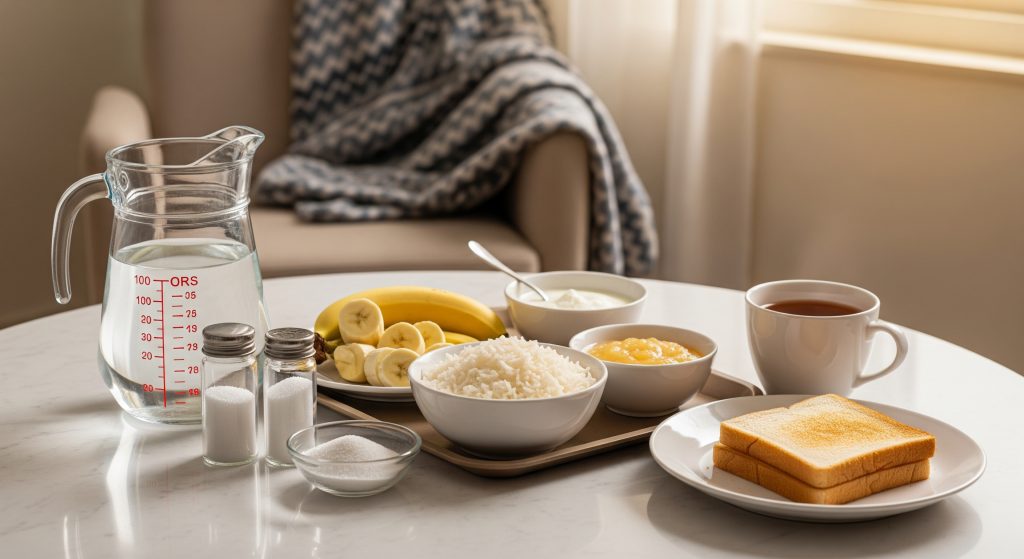
If a sachet is unavailable, I use a simple mix. I dissolve level salt and sugar in clean water. I wash hands first, use a sterile utensil, and make a fresh batch every 24 hours. It is essentially about replacing sodium and glucose to support absorption. It is practical and it works.
-
Use safe drinking water at room temperature.
-
Measure salt and sugar carefully to avoid hypernatremia risk.
-
Offer small, frequent sips to reduce nausea.
-
Continue ORS even when stools are frequent.
This is how to treat loose motion at home without confusion. I keep ORS ready, and I do not delay the first dose.
BRAT Diet Implementation
The BRAT pattern stands for bananas, rice, applesauce, and toast. I use it for the first 12 to 24 hours. It lowers gut workload and provides binding soluble fibre. How to treat loose motion at home is not only fluids. It is also easy digestion.
-
Bananas provide pectin and potassium.
-
White rice offers low fibre starch that firms stool.
-
Applesauce supplies pectin without peel irritants.
-
Toast adds bland carbohydrate that is easy to tolerate.
I add yoghurt later if tolerated. I avoid dairy initially if there is bloating. The BRAT diet is a starter, not a long term plan. I step up calories within a day as symptoms ease.
Essential Hydration Methods
Hydration strategy decides outcomes. As World Health Organization explains, oral rehydration with water, sugars, and electrolytes is the primary treatment for diarrhoea in the community.
-
Use ORS as the backbone. Then add clear soups for comfort.
-
Try rice water if appetite is poor. It is gentle and palatable.
-
Offer small volumes every 5 to 10 minutes during nausea.
-
Avoid undiluted fruit juices and fizzy drinks initially.
How to treat loose motion at home also means checking urine output. Pale urine every few hours suggests adequate replacement. Dark urine or very low output suggests a need for escalation.
Probiotic Foods and Supplements
Probiotics can shorten symptoms to an extent. I use plain yoghurt with live cultures or a standard Lactobacillus supplement. I take it once daily for 5 to 7 days. This is conservative and sensible.
-
Choose evidence based strains, not novelty blends.
-
Avoid added sugars that may worsen osmotic diarrhoea.
-
Introduce after the first rehydration window, not immediately.
How to treat loose motion at home should include microbiome support. It is simple, safe, and low cost.
Herbal Remedies and Spices
Several kitchen spices have mild antidiarrhoeal value. I use them as adjuncts, not replacements. Ginger tea can calm nausea. Cumin and fennel can reduce gas. A light cinnamon rice water can be soothing.
-
Ginger infusion: thin slices in hot water for 10 minutes.
-
Cumin tea: crushed seeds steeped and sipped warm.
-
Fennel infusion: gentle and often well tolerated after meals.
I avoid very strong astringent brews during active cramping. I also avoid high dose chilli or pepper. How to treat loose motion at home is about restraint, not complexity.
Rest and Recovery Techniques
Sleep supports mucosal repair and immune balance. I schedule proper rest and reduce screen time. Light breathing practices can lower gut stress responses. Gentle heat on the abdomen can reduce spasm.
-
Prioritise 7 to 9 hours of sleep in a quiet room.
-
Use short naps if night sleep is fragmented.
-
Try diaphragmatic breathing for five minute sets.
How to treat loose motion at home benefits from calm routines. Recovery follows rhythm. Not rush.
Age-Specific Treatment Guidelines
Age matters for fluid choices and thresholds. I adjust dosing, food texture, and monitoring. This is how to treat loose motion at home without risking dehydration in vulnerable groups.
Safe Remedies for Toddlers
For toddlers, I prioritise ORS, spoonful by spoonful. I avoid undiluted juice, honey based syrups, and adult antidiarrhoeals. I offer mashed banana, plain rice, and thin dal water. I check for tears when crying and wet nappies. Any warning signs trigger medical review.
-
ORS in small sips every few minutes.
-
Continue breastmilk or usual formula if tolerated.
-
Avoid loperamide and bismuth unless prescribed.
How to treat loose motion at home in toddlers is careful and slow. Comfort first. Then calories.
Treatment for School-Age Children
For school age children, I use the same pillars. ORS first, bland meals next. I add yoghurt with live cultures when cramps ease. I keep games and screens limited to encourage rest. Return to school only when stools firm.
-
Offer small bowls instead of large plates.
-
Give clear soup at lunch and a rice based dinner.
-
Encourage sips during any sports once recovered.
How to treat loose motion at home for this group is straightforward. Structure the day and monitor hydration.
Adult Dosage and Methods
Adults tolerate larger ORS volumes. I target 2 to 3 litres across the day, adjusted for losses. I add light salted soup if appetite returns. I avoid alcohol, coffee, heavy cream, and fried foods. These trigger secretory and motility changes.
-
Start with 200 mL ORS every 30 minutes for two hours.
-
Then pace by thirst and stool frequency.
-
Introduce small meals every three hours when cramps settle.
This is how to treat loose motion at home without false shortcuts. No antibiotics unless a clinician advises them.
Senior-Friendly Approaches
Older adults face higher dehydration risk. I schedule fluids and use reminders. I favour warm broths and soft foods for dentition issues. I review medicines that may worsen diarrhoea, such as metformin or magnesium supplements.
-
Track urine colour and frequency in a simple log.
-
Use oral moisturisers if dry mouth limits sipping.
-
Check blood pressure if there is dizziness on standing.
How to treat loose motion at home for seniors requires vigilance. Small lapses can escalate quickly.
Warning Signs Requiring Medical Attention
Some features demand escalation rather than home care. I do not delay when any of these appear.
-
Signs of dehydration: very dry mouth, no urine for eight hours, or confusion.
-
Blood in stools or black tarry stools.
-
High fever, severe abdominal pain, or persistent vomiting.
-
Recent travel with suspected cholera or dysentery exposure.
-
Known kidney, heart, or immunosuppression conditions.
How to treat loose motion at home is a useful plan. And yet, red flags change the plan immediately.
Duration and Recovery Management
Recovery timing depends on cause, hydration, and rest. I set expectations early. This avoids anxiety and overmedication. It also prevents premature return to heavy meals.
Typical Recovery Timeline
Most uncomplicated cases settle within two to three days. Bacterial infections may take longer. Antibiotics help only in selected situations. I answer the common query, how long does diarrhoea last, with a range and caveats. Roughly speaking, viral diarrhoea improves within 48 to 72 hours with proper care.
How to treat loose motion at home should reflect this timeline. I maintain ORS on day one, then scale food on day two. By day three, activity resumes if stools are formed and energy returns.
Foods to Avoid During Treatment
Certain items prolong symptoms. I keep them off the table in the acute phase.
-
High fat meals that delay gastric emptying.
-
Strong spices and chilli that irritate mucosa.
-
Undiluted fruit juices that increase osmotic load.
-
Sugar alcohols like sorbitol in gum or sweets.
-
Excess caffeine and alcohol.
How to treat loose motion at home works best when triggers are removed. Removal is easier than repair.
Gradual Diet Reintroduction
Reintroduction should be paced and deliberate. I follow a simple sequence that restores calories without flare ups.
-
Start with BRAT items and clear broths.
-
Add plain yoghurt or kefir if tolerated.
-
Introduce soft proteins like eggs or lentil soup.
-
Return to regular fibre gradually across 48 hours.
I use a two meal test. If two consecutive meals are comfortable, I step up complexity. This is how to treat loose motion at home while avoiding relapse.
Preventing Dehydration Complications
Complications come from fluid and electrolyte imbalance. I check for thirst, low urine, dizziness, or palpitations. I use a simple two column checklist to keep the plan precise.
|
Sign |
Action |
|---|---|
|
Dry mouth, thirst |
Increase ORS frequency for two hours. |
|
Dark urine, low output |
Add 250 mL ORS immediately. Reassess in one hour. |
|
Lightheaded on standing |
Rest supine. Give 200 mL ORS. Monitor vitals if possible. |
|
Cramping with weakness |
Use warm compress. Add lightly salted soup. |
How to treat loose motion at home is largely electrolyte management. Keep the balance, and recovery stabilises.
Prevention Strategies and Long-term Care
Prevention reduces recurrence and anxiety. I couple hygiene with diet quality and gut resilience. It is simple work done consistently.
Hygiene Practices
Hand hygiene remains the strongest defence. I wash with soap for 20 seconds after the toilet and before food handling. I disinfect high touch surfaces during household illness. I separate chopping boards for raw and cooked foods.
-
Boil or filter water if the supply is uncertain.
-
Store cooked food below 5 degrees Celsius.
-
Reheat leftovers to steaming hot.
How to treat loose motion at home matters. Preventing the next episode matters more.
Dietary Modifications
Everyday diet shapes gut stability. I keep fibre moderate and varied. I include resistant starch from cooled rice or potatoes. I add fermented foods like yoghurt and idli for steady microbial exposure.
-
Limit ultra processed snacks that disrupt gut motility.
-
Hydrate steadily through the day, not just at meals.
-
Use soluble fibre like oats during sensitive periods.
How to treat loose motion at home informs these choices. Food is not neutral. It either calms or irritates.
Strengthening Digestive Health
I treat the gut like an adaptable system. I train it progressively. Small, regular meals maintain even motility. Routine sleep anchors the enteric rhythm. Moderate exercise improves transit and reduces stress reactivity.
-
Target 30 minutes of brisk walking most days.
-
Use a simple probiotic course during travel or after antibiotics.
-
Carry ORS sachets in travel kits as standard practice.
This is how to treat loose motion at home and reduce risk of relapse. Preparation is the quiet advantage.
Conclusion
The core of how to treat loose motion at home is clear. Rehydrate early, feed gently, rest well, and escalate when red flags appear. I keep ORS accessible, use the BRAT pattern for the first day, and step up food as symptoms ease. I also track hydration and avoid irritants. Recovery then follows a predictable arc. The method is calm and evidence aligned.
Frequently Asked Questions
How quickly can home remedies stop loose motion?
Relief often begins within 12 to 24 hours when ORS and the BRAT pattern are applied early. Full resolution may take two to three days depending on cause and baseline health. If the goal is how to stop loose motion quickly, start ORS immediately, rest, and avoid irritants. How to treat loose motion at home works fastest when hydration is steady and meals are small.
When should I take antibiotics for diarrhoea?
Antibiotics are not routine for acute diarrhoea. They are reserved for suspected bacterial causes, severe traveller’s diarrhoea, or clinical red flags. A clinician decides based on symptoms and risk factors. How to treat loose motion at home should not include self started antibiotics.
Can I give ORS to a 1-year-old child?
Yes, ORS is appropriate and recommended when prepared correctly. Offer small, frequent sips and continue feeds if tolerated. Seek medical care if there are signs of dehydration, blood in stool, or persistent vomiting. How to treat loose motion at home for infants prioritises ORS and careful monitoring.
How long does viral diarrhoea typically last?
Viral diarrhoea usually settles within two to three days with proper fluid replacement and rest. The question how long does diarrhoea last depends on age, hydration, and comorbidities. If symptoms persist beyond 72 hours or worsen, seek clinical advice.
What foods help solidify stools immediately?
Bananas, white rice, applesauce, and toast are practical first choices. Plain yoghurt with live cultures can help after initial control. Clear soups and rice water add fluids without burden. How to treat loose motion at home benefits from these low fibre, binding options.
Is fasting recommended during loose motion?
Complete fasting is not advised. Gentle feeding supports mucosal recovery and maintains energy. Use small portions every three hours to match tolerance. How to treat loose motion at home is about steady input, not restriction.
Can probiotics worsen diarrhoea initially?
Mild bloating can occur during the first one or two doses. It usually settles quickly. Choose a single strain with proven use and take it after rehydration is underway. How to treat loose motion at home with probiotics is generally safe when dosing is conservative.
how to treat loose motion at home
I approach how to treat loose motion at home as a structured protocol, not a set of tips. This mindset prevents missed steps.
For anyone asking how to treat loose motion at home, start ORS within the first hour, then stabilise diet choices.
In practice, how to treat loose motion at home comes down to fluids, fibre timing, and rest. It is not complicated.
If travel diarrhoea strikes, the same rules apply for how to treat loose motion at home. Carry sachets and act early.
Caregivers often ask how to treat loose motion at home when appetite is poor. Use small sips and nutrient dense broths.
During exams or deadlines, how to treat loose motion at home includes screens off early and sleep prioritised.
Community settings benefit from clear guidance on how to treat loose motion at home. Consistency lowers risk.
For athletes, how to treat loose motion at home also requires electrolyte tracking during heat exposure.
In chronic conditions, discuss how to treat loose motion at home with a clinician. Personalisation matters.
Households should align on how to treat loose motion at home to avoid mixed messages and delays.
Food safety training supports how to treat loose motion at home by reducing preventable episodes.
Parents often learn how to treat loose motion at home after one difficult night. Preparation then becomes routine.
For seniors, how to treat loose motion at home hinges on early signs and scheduled fluids.
Professionals working shifts need a plan for how to treat loose motion at home that fits odd hours.
Travel kits make how to treat loose motion at home easy under stress. Tools beat theory.
Clear checklists simplify how to treat loose motion at home during fatigue or worry.
Workplaces can share guidance on how to treat loose motion at home in wellness programmes.
Student hostels benefit from a poster on how to treat loose motion at home near shared kitchens.
Telehealth can coach how to treat loose motion at home with timely escalation decisions.
Sports teams should rehearse how to treat loose motion at home for tournaments abroad.
Community nurses reinforce how to treat loose motion at home during routine visits.
Schools can include how to treat loose motion at home in parent newsletters before monsoon.
Healthcare providers can standardise how to treat loose motion at home as a handout.
Public campaigns that explain how to treat loose motion at home reduce emergency visits.
Families that practise how to treat loose motion at home respond calmly when symptoms begin.
For those searching for home remedies for diarrhoea, the safest foundation is ORS, light meals, and rest. Shortcuts are unreliable.
I also address how to stop loose motion quickly by focusing on early ORS, BRAT foods, and immediate removal of dietary triggers.

