






 We do what's right for you...


Loose Motion Stop: Best Foods, Home Remedies, and Prevention Tips
Dr. Urvashi Gupta
Common advice says to starve the gut during an episode. That is misguided. The fastest path to a loose motion stop is steady rehydration, simple binding foods, and targeted electrolytes. I will set out exactly what to eat, what to avoid, which home remedies work, and when escalation is prudent. The aim is straightforward: practical diarrhoea management that reduces risk and restores normality quickly.
Best Foods to Stop Loose Motion Immediately
1. BRAT Diet Essentials
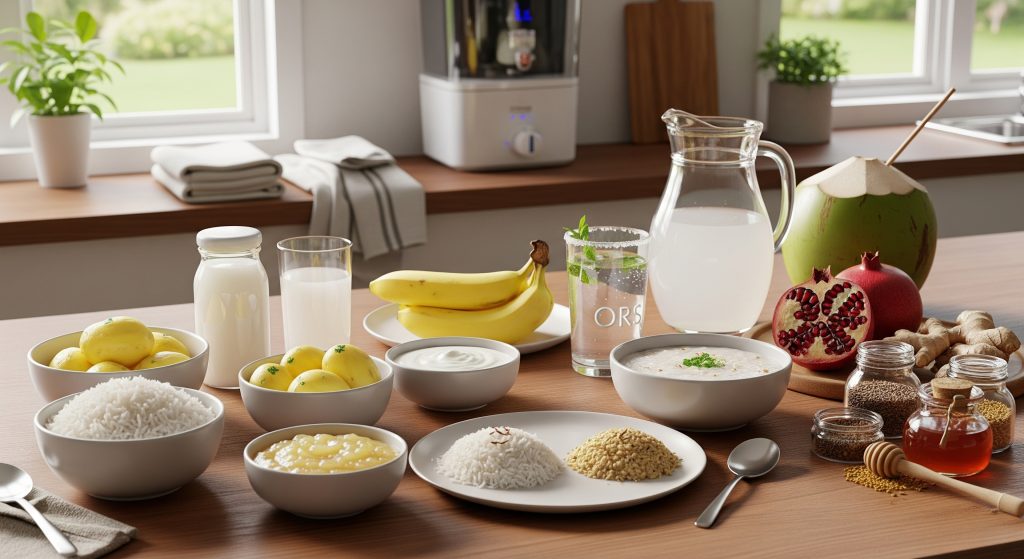
I use the BRAT framework as a short, stabilising bridge rather than a complete diet. For a decisive loose motion stop, bananas, rice, applesauce, and toast offer low fibre bulk and gentle starch. These bind stools and reduce mechanical irritation. I advise ripe bananas for potassium balance, plain white toast, and applesauce without added sugar. A small plate every three hours is often sufficient.
-
Bananas: soft texture, helpful potassium, easy tolerance.
-
Rice: plain white rice supports a loose motion stop by firming stool.
-
Applesauce: pectin adds gentle viscosity to stool.
-
Toast: light, dry, and simple to digest when appetite is low.
The BRAT approach is not a long term plan. It is a 24 to 48 hour tool that supports a loose motion stop while hydration catches up.
2. Rice Water and Congee
Rice water and congee provide starch, fluid, and sodium if seasoned lightly. I prepare congee with extra water to create a soft, spoonable porridge. A cup of salted rice water between meals offers volume and electrolytes. This pairing accelerates a loose motion stop because it feeds enterocytes without provoking the gut. I keep the seasoning minimal and avoid ghee during active symptoms.
-
Rice water: simmer rice in excess water, strain, and sip warm.
-
Congee: cook rice 1 to 8 with water until grains break down.
Portion modestly. Two to three small bowls across the day usually suffice for a practical loose motion stop when appetite is fragile.
3. Yoghurt and Probiotic Foods
Plain yoghurt with live cultures assists restoration of gut flora. I choose unsweetened yoghurt and pair it with rice or toast. Probiotic foods such as kefir or homemade curd can support a loose motion stop by narrowing the window of fluid loss. A few tablespoons with meals is adequate. Excess dairy fat is counterproductive, so I avoid cream and cheeses during active diarrhoea.
In practice, I add a pinch of roasted cumin to yoghurt. It tastes clean and supports a settled stomach. The result is balanced, steady progress toward a loose motion stop without heavy flavours.
4. Boiled Potatoes and Vegetables
Boiled potatoes offer bland starch and soluble fibre. I peel, cube, and boil them until soft, then season with a little salt. Carrots and gourds also work well. These choices are gentle and aid a loose motion stop by providing bulk without fermentable load. I avoid cruciferous vegetables and raw salads until full recovery.
-
Potatoes: peel and boil to reduce insoluble fibre.
-
Carrots: cooked and mashed for pectin and tolerance.
-
Tindora or bottle gourd: light, non spicy, easily digested.
I keep portions small but regular. This rhythm supports a quiet loose motion stop while preventing weakness.
5. Coconut Water and Electrolyte Solutions
Coconut water is helpful during mild dehydration. As Healthline explains, its minerals align reasonably with body needs, though a small addition of salt improves balance. For a deliberate loose motion stop, I pair coconut water with sodium to match losses from frequent stools. This approach maintains circulation and reduces fatigue.
Evidence also notes limits. In a summary that is cautious about exaggerated claims, NutritionFacts.org indicates coconut water suits mild dehydration but may not suit severe losses or those with kidney issues due to high potassium. That informs my practice. I use coconut water early, and I escalate to balanced oral rehydration solution if diarrhoea persists. This sequence helps secure a loose motion stop while avoiding electrolyte imbalance.
-
Use coconut water chilled, 200 to 300 ml at a time.
-
Add a pinch of salt if intake is exclusive for long stretches.
-
Shift to ORS when stools remain frequent after 6 to 8 hours.
Care is pragmatic. The goal remains unchanged: a safe and timely loose motion stop with adequate electrolytes and steady fluids.
6. Khichdi and Light Dal
Once stools begin to form, khichdi and thin dal re introduce protein and steady energy. I choose moong dal, which is generally gentle. This step consolidates a loose motion stop by restoring calories without provoking the gut. Keep ghee minimal. Add turmeric and a touch of salt. Avoid chillies. Two small bowls across the day often stabilise appetite and energy.
The sequence matters. Start with rice and yoghurt, then khichdi, then thin dal. That staged return helps a durable loose motion stop rather than a brief lull followed by relapse.
7. Foods to Avoid During Diarrhoea
Avoid spices, fried foods, alcohol, coffee, and high fibre salads during active symptoms. Rich sweets and sugary drinks may worsen osmotic load. I also defer milk, paneer, and heavy legumes until a full loose motion stop is clear for 24 hours. These exclusions keep the mucosa unprovoked and reduce gas. It is basic discipline that speeds recovery.
-
Skip raw greens, cruciferous vegetables, onion family, and chillies.
-
Avoid packaged juices and fizzy drinks that add sugar and gas.
-
Hold off on red meat and high fat gravies until stability returns.
Effective Home Remedies for Diarrhoea Management
1. ORS Solution Preparation at Home
For practical diarrhoea management, I prioritise oral rehydration solution. When a packet is unavailable, a home mix works well. This directly supports a loose motion stop by replacing fluid and sodium losses efficiently.
|
Ingredient |
Quantity |
|---|---|
|
Clean water |
1 litre |
|
Sugar |
6 level teaspoons |
|
Salt |
1 level teaspoon |
Stir until fully dissolved. Sip small amounts every five to ten minutes. I prepare fresh solution every 24 hours. This simple mixture underpins a reliable loose motion stop by ensuring perfusion and electrolyte stability.
2. Ginger and Honey Mixture
Ginger can ease cramping and reduce nausea. I grate half a teaspoon of fresh ginger, add warm water, and dissolve half a teaspoon of honey. Sip slowly. It is not a stand alone cure, but it complements hydration and the BRAT staples. Together, they can hasten a loose motion stop with fewer spasms.
I keep the dose modest. Excess ginger can irritate the stomach. Precision helps here.
3. Fenugreek Seeds Treatment
Fenugreek seeds contain mucilage that can bind stools. I soak half a teaspoon for fifteen minutes, then swallow with warm water. Once or twice daily is adequate during a short bout. This supports a loose motion stop by adding viscosity to stool. I avoid high doses to prevent bloating.
Results vary to an extent. If stools remain watery after a day, I return to ORS focus and bland foods.
4. Cumin Water Benefits
Lightly crushed cumin simmered in water can reduce gas and discomfort. I boil one teaspoon in 250 ml water for five minutes, then cool and sip. The flavour is clean. As part of a broader plan, it supports a loose motion stop by calming the gut. I do not oversell it. Hydration remains primary.
5. Pomegranate Juice Remedy
Pomegranate provides polyphenols and astringency. I use diluted, unsweetened juice in small glasses. It can reduce perceived urgency and add calories. For some, it supports a gentle loose motion stop without heaviness. However, it should not displace ORS or plain water during more severe loss.
I monitor tolerance. If cramps rise, I pause and revert to congee and yoghurt.
6. Buttermilk with Rock Salt
Thin buttermilk with a pinch of rock salt offers fluids, sodium, and light probiotics. I serve it at room temperature. This simple option assists a loose motion stop after the first rehydration window. It also pairs well with khichdi. I avoid added chillies, coriander, or fried tempering during active symptoms.
7. Special Considerations for Children
Diarrhoea in children requires careful attention to hydration and comfort. I prioritise ORS in small, frequent sips, and I continue normal feeding where feasible. A swift loose motion stop is important, but not at the cost of intake. Breastfeeding continues uninterrupted. I avoid over the counter anti motility drugs unless explicitly prescribed.
-
Offer ORS by spoon every five minutes.
-
Maintain light foods such as rice, banana, and yoghurt.
-
Monitor for signs of dehydration and reduced urine output.
When in doubt, I escalate early. Diarrhoea in children can deteriorate quickly. A timely clinical review can secure a safe loose motion stop and prevent complications.
Prevention Tips and Long-term Management
Hand Hygiene Practices
Hands transmit pathogens effectively. I enforce a simple rule. Wash with soap and water for twenty seconds before eating and after the toilet. Alcohol gel works when water is not available. This quiet habit prevents future episodes and supports a sustained loose motion stop across a household. It is basic infection control that pays off.
-
Clean nails and fingertips deliberately.
-
Dry with a clean towel, not a communal cloth.
Safe Food Handling Guidelines
Safe preparation prevents contamination. I separate raw and cooked items, refrigerate leftovers within two hours, and reheat to steaming. Street foods and buffets carry risk during outbreaks. A preventive approach means a longer gap between episodes and less need to chase a loose motion stop again.
-
Use different boards for meat and vegetables.
-
Avoid reheating multiple times.
-
Discard food with doubtful smell or texture.
Water Purification Methods
Water quality matters. I boil drinking water for at least one minute, or I use a certified purifier. Filters remove particulates. Boiling inactivates most pathogens. This step reduces the need for repeated loose motion stop efforts after travel or heavy rain. During floods, packaged water from reputable brands is prudent.
For field settings, chlorine tablets can help. Taste improves if water is cooled and aerated after treatment.
Dietary Modifications for Prevention
Daily diet influences resilience. I keep fibre moderate, with soluble sources such as oats and cooked carrots. I include yoghurt or fermented foods most days. Hydration remains baseline. This pattern reduces triggers and shortens any future loose motion stop process. High spice, heavy alcohol, and erratic meals make the gut less predictable.
-
Build meals around rice, dal, vegetables, and yoghurt.
-
Limit ultra processed snacks with sugar alcohols.
It is essentially preventative maintenance. Small decisions compound into fewer episodes.
When to Seek Medical Help
Most cases improve within 24 to 72 hours. Some do not. I advise medical review when these thresholds appear. They signal risk beyond a home based loose motion stop.
|
High fever |
Above 38.5 C or any persistent fever beyond 48 hours. |
|
Blood in stool |
Any visible blood or black, tarry stool. |
|
Severe dehydration |
Very dry mouth, dizziness, no urine for 8 hours or more. |
|
Persistent vomiting |
Unable to keep fluids down for more than 4 hours. |
|
Severe pain |
Localised abdominal pain or guarding. |
|
High risk groups |
Elderly, pregnant, immunocompromised, or serious comorbidities. |
For infants and older adults, I lower the threshold for help. The safest loose motion stop often combines ORS, monitoring, and timely clinical oversight.
Managing Chronic Digestive Issues
For recurrent symptoms, I review patterns. Lactose intolerance, IBS, and post infectious sensitivity can all play a role. I recommend a symptom diary, basic bloods, stool tests when indicated, and a dietitian review. The result is a tailored plan that reduces flares and shortens the path to a loose motion stop when episodes recur.
I also look at medications. Metformin, some antibiotics, and magnesium supplements can aggravate diarrhoea. Dose timing or alternatives may help.
Taking Control of Digestive Health
A reliable approach looks simple on the surface. Rehydrate, stabilise with bland foods, reintroduce nutrients, and avoid irritants. It works because it respects physiology. An effective loose motion stop is not a single trick. It is a sequence that begins with ORS and ends with normal meals and steady energy.
Hydration first, food second, patience always. That order turns a difficult day into a manageable one.
For those who prefer structured guidance, I summarise the flow below. It compresses diarrhoea management into a practical routine that a busy day can accommodate.
-
Start ORS immediately and continue small sips without gaps.
-
Adopt BRAT elements for 24 hours, then add yoghurt and potatoes.
-
Use coconut water early, shift to ORS if stools persist.
-
Advance to khichdi and thin dal once stools begin to form.
-
Avoid spices, heavy fats, alcohol, and raw salads until stable for 24 hours.
-
Resume a balanced plate with vegetables and protein by day three.
This is the work that prevents relapse. It also turns a future loose motion stop into a short administrative task rather than a crisis. And yet, exceptions exist. Severe dehydration, blood in stool, or intense pain warrants timely medical care. Prudence is part of being effective.
Frequently Asked Questions
How quickly do home remedies work for loose motion?
Timelines vary. With ORS, BRAT foods, and rest, a practical loose motion stop often begins within 6 to 12 hours. Symptom control typically improves over 24 to 48 hours. If progress stalls, I review hydration, reduce irritants, and consider a medical review. Home remedies for diarrhoea help most when started early and combined with consistent fluids.
Can I give ORS to my toddler with diarrhoea?
Yes. ORS by spoon is appropriate and safe. Small, frequent sips are best. For persistent vomiting, I use a teaspoon every five minutes. This approach supports a safe loose motion stop without overwhelming the stomach. If urine output falls or lethargy appears, I escalate to clinical care. This is routine practice in diarrhoea in children management.
What foods should be completely avoided during loose motion?
I avoid spices, fried foods, alcohol, coffee, high fibre salads, and very sweet beverages. Fermented pickles and heavy dairy also wait until stability returns. This clean list speeds a loose motion stop and reduces cramping. The aim is plain, low fat, and low fibre foods for the first one to two days.
When should I take antibiotics for diarrhoea?
Antibiotics are seldom required for routine viral gastroenteritis. I consider them only when there is fever with blood in stool, suspected bacterial exposure, or specific clinical guidance. Unnecessary antibiotics can worsen symptoms and prolong recovery. The focus should remain on rehydration and food progression for a reliable loose motion stop.
Is loose motion dangerous for elderly people?
Risk is higher due to quicker dehydration and comorbidities. I start ORS early, monitor urine output, and lower the threshold for medical review. With prompt care, a safe loose motion stop is achievable. Vigilance matters more than complexity here.
How long should the BRAT diet be followed?
Usually 24 to 48 hours. I transition to yoghurt, potatoes, and then khichdi as soon as stools begin to form. Prolonging BRAT beyond two days offers little benefit. Balanced refeeding consolidates a loose motion stop and speeds recovery.
Can probiotics prevent recurring diarrhoea episodes?
Probiotics can reduce frequency to an extent, especially after antibiotics or travel. I prefer yoghurt or kefir as daily options. For recurring episodes, probiotic courses may help, but outcomes vary. They are an adjunct, not a guarantee. A structured diet and hygiene plan still carries most of the load in diarrhoea management and a sustained loose motion stop.

