






 We do what's right for you...


Liver Cirrhosis Diet Overview: Key Foods, Recipes and Tips
Dr. Prajwal S
Conventional advice suggests eating less and resting more. For cirrhosis, that approach often backfires. I treat the liver cirrhosis diet as structured fuel for a stressed organ and a body that needs steady energy. The goal is simple. Support the liver, maintain muscle, and reduce complications without turning meals into a chore.
Essential Foods and Nutrients for Liver Cirrhosis Management
Protein-Rich Foods for Liver Support
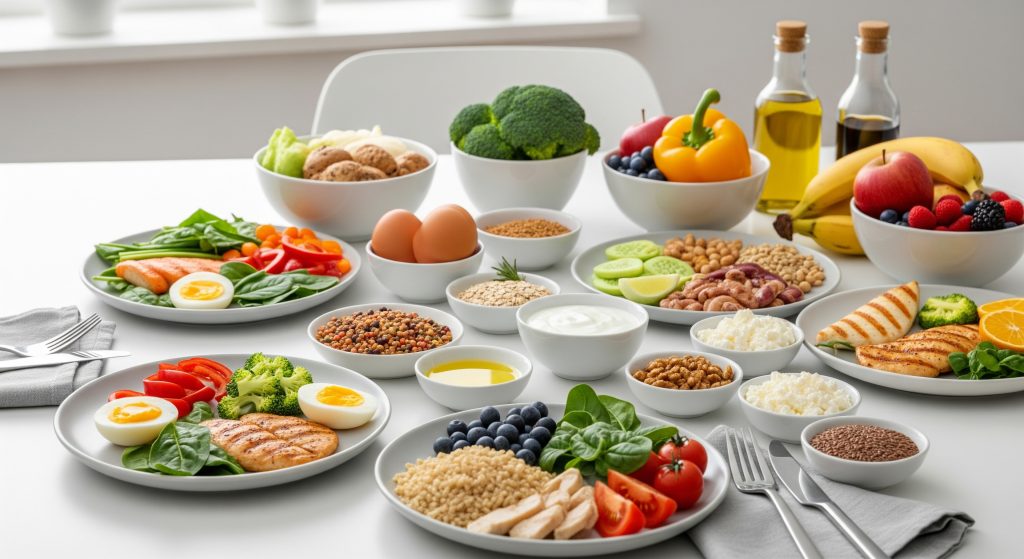
I prioritise protein at every meal to protect lean mass and stabilise recovery. As Healthline reports, adults with cirrhosis typically need 1.2 to 1.5 grams per kilogram of body weight daily. That range supports muscle maintenance and reduces the risk of sarcopenia. Lean poultry, white fish, eggs, Greek yoghurt, paneer, tofu, tempeh, lentils, and mixed beans are reliable anchors. I often suggest a simple rule. Include one palm of protein per main meal and a half palm at snacks.
-
Animal sources: chicken breast, turkey, white fish, oily fish in small portions, eggs, low fat dairy.
-
Plant sources: lentils, chickpeas, kidney beans, edamame, tofu, tempeh, nuts, and nut butters.
When appetite dips, a milk or soy-based smoothie with oats and peanut butter helps. Some patients respond better to evening protein to blunt overnight catabolism. That is practical and sustainable.
Complex Carbohydrates and Whole Grains
Carbohydrate timing matters for energy and for protecting the brain. In hepatic encephalopathy risk, bedtime carbohydrates can help. As What diet should I recommend my patient with Hepatic Encephalopathy? notes, daily energy needs often sit around 30 to 45 kcal per kilogram. I meet a good share from complex carbohydrates to avoid sharp glucose swings. Oats, brown rice, barley, quinoa, whole wheat chapati, and sweet potatoes are dependable. I pair these with protein and vegetables to flatten the glycaemic response.
-
Whole grains support insulin sensitivity and steady energy release.
-
Fibre helps with satiety and may support the gut microbiome.
Stability is the aim. Not spikes.
Beneficial Fruits for Liver Health
I include two to three fruit portions daily, focusing on vitamins, antioxidants, and potassium balance. The best fruits for liver health in practice are berries, citrus, apples, pears, kiwifruit, and papaya. These deliver polyphenols and fibre without excessive sugar per portion. Bananas can fit in moderate amounts, especially if potassium limits are not imposed. If ascites or hyponatraemia complicates intake, I tailor portion size and timing.
-
Lower glycaemic options: strawberries, blueberries, raspberries, blackberries, apples.
-
Convenient options: oranges, clementines, pears, bananas, papaya.
I avoid fruit juices. Whole fruit is the standard.
Vegetables That Support Liver Function
Vegetables provide folate, magnesium, and diverse antioxidants. I emphasise cruciferous vegetables, leafy greens, carrots, courgettes, aubergine, peppers, tomatoes, and mushrooms. Light steaming, roasting, or stir frying with minimal oil preserves nutrients and makes digestion easier. For those with bloating, I introduce crucifers gradually and prioritise cooked forms. A simple plate model works well. Half vegetables, one quarter protein, one quarter whole grains.
Healthy Fats and Omega-3 Sources
I use fat as a tool, not a crutch. Extra virgin olive oil, avocado, nuts, seeds, and small portions of oily fish contribute monounsaturated and omega 3 fats. These support cardiometabolic health and may calm low level inflammation. I keep portions modest when fat malabsorption is suspected. A teaspoon of oil at cooking and a few nuts at snacks are often sufficient. Medium chain triglycerides can help in select cases, but I reserve them for dietetic supervision.
Foods to Strictly Avoid with Cirrhosis
There are non negotiables. Alcohol in any amount. High sodium processed foods. Deep fried items. Large servings of red or processed meats. High sugar beverages. Raw or undercooked shellfish due to infection risk. Many patients search for a definitive list of foods to avoid with liver cirrhosis. I keep it clear and operational. Remove the obvious triggers and limit ultra processed snacks that hide salt and sugar.
-
Skip cured meats, instant noodles, packet soups, and ready meals with high salt.
-
Avoid energy drinks and sugary sodas.
-
Be cautious with herbal supplements without clinical oversight.
The liver needs fewer insults. Not stricter rules for the sake of it.
Creating Your Liver Cirrhosis Diet Chart
Daily Calorie and Nutrient Requirements
I calculate energy needs from weight and clinical context. As What diet should I recommend my patient with Hepatic Encephalopathy? outlines, a range around 30 to 45 kcal per kilogram is common, adjusted for ascites and mobility. Protein targets follow the earlier guidance, recalling the Healthline range of 1.2 to 1.5 g/kg. I aim for at least four protein feedings per day. Carbohydrates come mainly from whole grains and starchy vegetables. I keep fibre between 20 and 30 grams daily unless medically limited.
|
Component |
Typical Target |
|---|---|
|
Energy |
30 to 45 kcal/kg depending on condition and fluid status |
|
Protein |
1.2 to 1.5 g/kg spread across meals and snacks |
|
Carbohydrate |
60 to 65 percent of calories, emphasis on complex sources |
|
Fat |
25 to 30 percent of calories, favouring mono and omega 3 fats |
|
Fibre |
20 to 30 g/day, adjusted for tolerance |
|
Sodium |
Often 2 g/day or less if fluid retention is present |
This is a starting framework. I refine it with labs and symptoms.
Sample Weekly Meal Plan
I design the liver cirrhosis diet chart to be practical, affordable, and repeatable. Here is a concise weekly pattern that patients adapt easily.
-
Monday
-
Breakfast: Oats with Greek yoghurt, berries, and chia.
-
Lunch: Lentil soup, whole wheat bread, side salad.
-
Dinner: Grilled chicken, brown rice, steamed broccoli and carrots.
-
Snack: Banana with peanut butter.
-
-
Tuesday
-
Breakfast: Vegetable omelette, whole wheat toast.
-
Lunch: Quinoa, chickpeas, roasted peppers and courgette.
-
Dinner: Baked cod, sweet potato, green beans.
-
Snack: Apple and almonds.
-
-
Wednesday
-
Breakfast: Smoothie with milk or soy, oats, berries, flaxseed.
-
Lunch: Turkey and hummus wrap with salad.
-
Dinner: Tofu stir fry with mixed vegetables, brown rice.
-
Snack: Yoghurt with cinnamon.
-
-
Thursday
-
Breakfast: Porridge topped with sliced pear and walnuts.
-
Lunch: Tomato and bean stew with barley.
-
Dinner: Salmon, quinoa, spinach and tomatoes.
-
Snack: Cottage cheese and pineapple.
-
-
Friday
-
Breakfast: Scrambled eggs and sautéed mushrooms.
-
Lunch: Baked potato with tuna and sweetcorn, salad.
-
Dinner: Lean lamb mince with peas, whole wheat couscous, carrots.
-
Snack: Pear and cashews.
-
-
Saturday
-
Breakfast: Buckwheat pancakes with yoghurt and berries.
-
Lunch: Chicken and vegetable soup, whole wheat roll.
-
Dinner: Paneer tikka, brown rice, roast cauliflower.
-
Snack: Orange and a handful of seeds.
-
-
Sunday
-
Breakfast: Poached eggs on whole wheat toast, tomato.
-
Lunch: Sardines on toast, salad with olive oil.
-
Dinner: Lentil dhal, basmati brown rice, sautéed greens.
-
Snack: Kiwi and yoghurt.
-
This template scales up or down based on appetite and weight goals.
Portion Control Guidelines
I rely on hand based cues to keep tracking simple.
-
Protein: one palm per main meal, half palm at snacks.
-
Whole grains or starch: one cupped hand per meal.
-
Vegetables: two fists per meal.
-
Healthy fats: one to two thumbs of oil, nuts, or seeds per meal.
Patients with fluid retention may need tighter sodium control. Portions adapt to that reality.
Timing Your Meals Throughout the Day
Regular feeding reduces muscle breakdown. I favour three meals and two snacks. A pre bed snack with complex carbohydrate and protein is helpful. For example, yoghurt with oats or milk with a wheat biscuit. Those short feedings prevent a long night fast and support morning energy. Small, frequent meals also reduce nausea in some patients.
Managing Sodium and Fluid Intake
Sodium restriction supports fluid balance. I target around 2 g of sodium daily when ascites or oedema are present. That threshold requires vigilance with breads, sauces, snacks, and tinned foods. I use herbs, citrus, garlic, and spices for flavour. Fluid limits vary by clinical status and sodium levels. I align advice with medical guidance and adjust weekly. Taste adapts, usually within two weeks.
Liver-Friendly Recipes and Meal Ideas
Breakfast Options for Energy
-
Oat and Yoghurt Pot: cooked oats layered with Greek yoghurt, berries, and a teaspoon of chia.
-
Spinach Omelette: two eggs with spinach and tomatoes, served with whole wheat toast.
-
Protein Smoothie: milk or fortified soy, oats, frozen berries, flaxseed, and a spoon of peanut butter.
These options deliver steady release energy. They also meet protein targets early in the day.
Nutritious Lunch Combinations
-
Quinoa Chickpea Bowl: quinoa, roasted vegetables, chickpeas, olive oil, and lemon.
-
Lentil Soup Plate: red lentil soup, side of whole wheat bread, and mixed salad.
-
Turkey Wrap: whole wheat wrap with turkey, hummus, cucumber, and peppers.
I design lunches to be portable. Office friendly meals prevent long gaps without food.
Light Dinner Recipes
-
Herb Baked Cod: cod baked with lemon and parsley, served with sweet potato and greens.
-
Tofu Vegetable Stir Fry: tofu with broccoli, carrots, mushrooms, and brown rice.
-
Paneer and Peppers: grilled paneer and peppers over quinoa with a mint yoghurt dressing.
Light dinners ease digestion. They also align with evening protein needs.
Healthy Snacks Between Meals
-
Greek yoghurt with cinnamon and sliced apple.
-
Roasted chickpeas or a small handful of mixed nuts.
-
Wholegrain crackers with cottage cheese.
-
Banana with almond butter.
I keep snacks simple and protein forward. Small habits compound.
Beverages and Herbal Teas
Water remains the default unless fluids are restricted. Unsweetened herbal teas work well. Peppermint, ginger, and chamomile are gentle options. Coffee in moderate amounts is acceptable for many, though tolerance varies. I avoid sugary drinks and high sodium broths. Alcohol is excluded. No exceptions.
Practical Tips for Following the Diet
Shopping List Essentials
-
Proteins: chicken breast, eggs, white fish, tofu, lentils, chickpeas, Greek yoghurt.
-
Grains: oats, brown rice, quinoa, whole wheat bread and wraps.
-
Produce: leafy greens, cruciferous vegetables, carrots, peppers, tomatoes, berries, apples, bananas.
-
Pantry: extra virgin olive oil, herbs, spices, tinned beans, low salt stock.
-
Snacks: nuts, seeds, cottage cheese, hummus, wholegrain crackers.
This list supports a full week of balanced eating without excess cost.
Food Preparation Methods
-
Favour baking, steaming, poaching, pressure cooking, and light stir frying.
-
Use non stick pans and minimal oil to manage calories.
-
Batch cook legumes and grains for quick assembly meals.
-
Portion soups and stews for freeze and reheat days.
Small process changes reduce friction. Adherence rises when cooking is predictable.
Managing Appetite Changes
Appetite often fluctuates. I use small, frequent meals and energy dense snacks when intake drops. Cold foods may be easier if nausea is present. Ginger tea or peppermint can help. I keep protein drinks ready for poor appetite days. If unintentional weight loss persists, I escalate quickly to a dietitian review. Early action avoids deep deficits.
Dealing with Dietary Restrictions
Many patients juggle extra constraints. Low sodium for ascites. Controlled potassium for renal overlap. Lactose intolerance. I map the non negotiables and build menus inside those lines. For example, lactose free milk and yoghurt preserve protein without symptoms. Gluten free whole grains like quinoa and buckwheat maintain fibre. Flexibility is a strength, not a compromise.
Making Your Liver Cirrhosis Diet Sustainable
Perfection is fragile. I focus on patterns. A consistent liver cirrhosis diet depends on simple defaults, a stocked pantry, and tolerance based adjustments. I set two anchors. Protein at every eating occasion and whole foods most of the time. Planning removes decision fatigue. A printed liver cirrhosis diet chart on the fridge helps many patients stay on track during busy weeks. And yes, repetition is acceptable. Predictability reduces stress and keeps the plan alive.
Progress is rarely linear. But consistency still wins.
Frequently Asked Questions
Can I eat eggs if I have liver cirrhosis?
Yes. Eggs provide high quality protein and essential choline. I recommend one to two eggs as part of balanced meals. Pair with vegetables and whole grains to moderate overall fat and improve satiety. If fat tolerance is low, choose poached or boiled preparations.
How much protein should I consume daily with cirrhosis?
Most adults target 1.2 to 1.5 g/kg per day, spread across meals and snacks, as Healthline notes. I include a pre bed protein and carbohydrate snack in many cases. That supports overnight needs and mitigates muscle breakdown.
Are bananas safe for liver cirrhosis patients?
Usually yes, within a varied intake. A small or medium banana works well as part of the best fruits for liver health list. If potassium restriction is required, I tailor portion size or frequency with the clinical team. Balance over perfection.
Should I take vitamin supplements with liver disease?
Supplementation is individual. I assess vitamin D, B complex, and minerals case by case. Fat soluble vitamins require caution in cholestasis. I avoid high dose supplements without blood tests and professional oversight. Food first, targeted supplements second.
Can I have dairy products with cirrhosis?
Yes, if tolerated. Yoghurt, milk, and cottage cheese help meet protein targets and support the liver cirrhosis diet. For lactose intolerance, lactose free or fermented options usually work. Choose lower sodium and moderate fat varieties.
What cooking oils are best for liver health?
Extra virgin olive oil is my default. It offers favourable monounsaturated fats and polyphenols. Rapeseed oil is suitable for higher heat. I keep portions modest to manage energy intake. Oily fish provides omega 3s. Nuts and seeds contribute useful fats without heavy cooking.

