






 We do what's right for you...


Lap Cholecystectomy Explained: What You Need to Know
Dr. Sonal Kumar Jha
Standard advice often suggests waiting out gallstone pain until it becomes unbearable. That approach frequently delays definitive care and prolongs risk. Lap Cholecystectomy offers a proven, minimally invasive route to remove the source of symptoms with predictable recovery and strong long-term outcomes. This guide sets out what the operation involves, why it is preferred, and how to plan for an efficient recovery without guesswork.
Understanding Lap Cholecystectomy: Key Facts About Gallbladder Removal Surgery
What Is Lap Chole Procedure
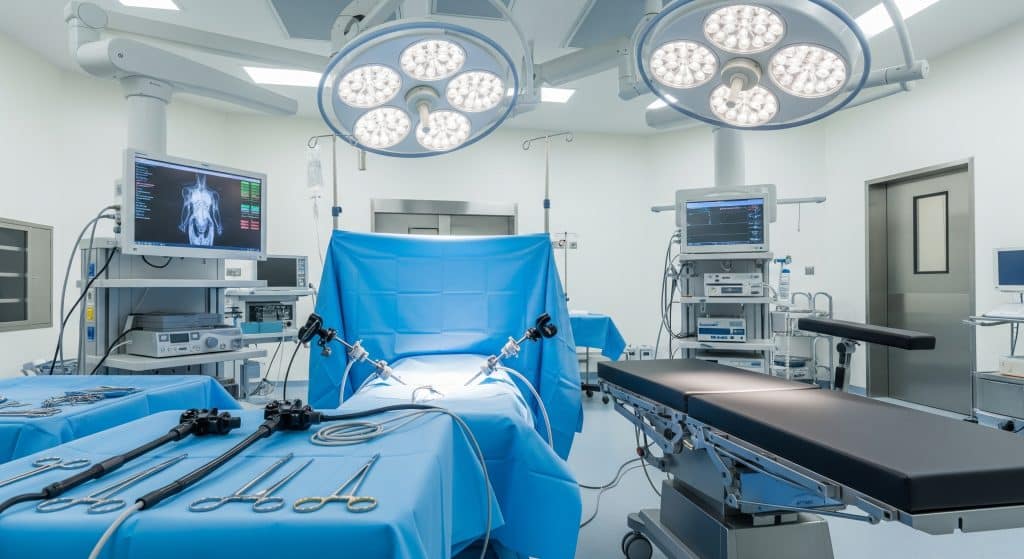
Lap Cholecystectomy is a minimally invasive operation that removes the gallbladder through small incisions using a camera and fine instruments. As StatPearls notes, it is widely considered the gold standard for symptomatic gallbladder disease due to less pain and faster recovery. You will have general anaesthesia in most cases, with careful dissection to protect the bile ducts. It replaced most open operations because the benefits are consistent across typical indications. You may also hear clinicians call it the lap chole procedure in clinic letters and consent forms.
In practice, indications include symptomatic gallstones, cholecystitis, biliary dyskinesia, and gallstone pancreatitis. As Laparoscopic Cholecystectomy summarises, the volume is high in routine care, which improves team familiarity and outcomes. The key objective is to remove the inflamed or stone-filled organ while protecting nearby structures. That principle governs every step.
Common Reasons for Surgery
The commonest reason for Lap Cholecystectomy is pain from gallstones that keeps returning or escalates. As Mayo Clinic outlines, symptomatic stones can cause severe biliary colic and complications if untreated. Acute or chronic cholecystitis, acalculous cholecystitis, biliary dyskinesia, and gallstone pancreatitis are frequent triggers. Elective surgery for silent stones is rare. It is considered when risk or specific factors make future symptoms likely.
-
Pain repeating despite diet changes.
-
Fever or persistent right upper quadrant tenderness.
-
Imaging showing gallstones with inflamed gallbladder walls.
-
Complications such as pancreatitis from migrating stones.
The rationale is straightforward. Surgery removes the source and prevents further episodes. Waiting invites recurrence and unplanned admissions.
Advantages Over Open Surgery
Lap Cholecystectomy typically results in less pain, shorter stays, and fewer wound issues. As a comparative study reports, patients resume normal diet sooner and need less pain medication than after open procedures. Evidence across settings points in the same direction. Hospital time is reduced, and the risk of incisional hernia is lower. Operative time can be similar, though conversion in difficult cases is prudent. Faster return to work follows shorter convalescence and smaller incisions. That is the practical win.
-
Small incisions with improved cosmesis.
-
Lower wound infection rates in routine cohorts.
-
Quicker mobilisation with fewer respiratory issues.
In short, the minimally invasive route maintains effectiveness while reducing the burdens that matter to patients and services.
Who Qualifies for Laparoscopic Surgery
Most candidates with symptomatic gallstones are suitable for a Lap Cholecystectomy. As StatPearls explains, relative contraindications include severe comorbidity, inability to tolerate anaesthesia, or complex prior abdominal surgery. Surgeons also consider BMI, anatomical variation, and inflammation severity. Operative judgement matters when adhesions or distorted anatomy raise risk. A tailored approach is common. Conversion to open surgery remains a safe bailout when visualisation is inadequate.
-
Good candidates: symptomatic cholelithiasis or cholecystitis with manageable comorbidity.
-
Borderline cases: extensive adhesions or unstable physiology.
-
Not suitable: unfit for general anaesthesia or uncontrolled coagulopathy.
Eligibility is not simply a tick-box. It is a risk calculus that weighs benefit, anatomy, and your baseline health. Safety first, outcome second. Both matter.
The Lap Cholecystectomy Procedure: Step-by-Step Process
1. Pre-Surgery Preparation
Preparation reduces risk and speeds recovery. As evidence-based guidance stresses, planning port positions and identifying anatomical landmarks are central. Surgeons seek the critical view of safety to protect the bile ducts. Your role is practical. Follow fasting instructions, discuss medicines, and arrange transport home. Some services advise a short, low-carbohydrate diet to shrink the liver and aid access. That step can ease the operation and reduce conversion risk.
-
Confirm allergies, anticoagulants, and diabetes control.
-
Stop smoking if possible to lower pulmonary risk.
-
Complete pre-assessment checks and consent.
It sounds routine. It is. That routine is what keeps the operation predictable.
2. Anaesthesia Administration
Lap Cholecystectomy is almost always performed under general anaesthesia. As OpenAnesthesia explains, pneumoperitoneum alters lung mechanics, so controlled ventilation is required. Teams use multimodal analgesia to reduce opioid need and nausea. Regimens vary by institution and patient comorbidity. The goal is stable physiology and smooth emergence. Rarely, regional techniques are used for selected cases.
Airway management, antiemetics, and analgesia are planned together. The plan aims to blunt stress responses and hasten discharge. That coordination matters for day-case flow.
3. Making the Incisions
Small incisions guide ports for the camera and instruments. As StatPearls notes, four ports are standard, with a 10 mm camera port and three working ports. Entry uses a Veress needle or open Hasson technique to establish pneumoperitoneum. The surgeon then exposes Calot’s triangle to achieve the critical view of safety. Some centres offer single-incision approaches at the umbilicus. That option can improve cosmesis but is not essential for outcomes.
-
Camera introduced for high-definition visualisation.
-
Gentle traction to identify key landmarks.
-
Cautery used judiciously to limit thermal spread.
The sequence is efficient. Precision is the guardrail against bile duct injury.
4. Removing the Gallbladder
Dissection confirms the cystic duct and artery before division. As a standardised method sets out, steps include lifting Hartmann’s pouch and identifying Rouviere’s sulcus to orient the dissection. Clips or energy devices seal the duct and artery. The gallbladder is then separated from the liver bed and extracted in a retrieval bag. Bile spillage is avoided where possible. Irrigation addresses contamination if it occurs. In difficult anatomy, subtotal cholecystectomy or conversion protects you from major injury.
The technical aim is deceptively simple. Secure the two structures, avoid confusion, and keep planes clean. It is basically meticulous anatomy in action.
5. Closing the Incisions
Port sites are closed to reduce hernia and infection risk. As a wound closure review highlights, absorbable sutures are common for deeper layers and skin. Surgeons may use glue, sutures, or staples for skin based on preference and site size. Larger fascial defects, typically at 10 mm ports, are closed carefully to prevent herniation. Dressings stay dry for 24 to 48 hours unless advised otherwise.
-
Check haemostasis at each site.
-
Close fascia at larger ports to reduce hernia risk.
-
Apply sterile dressings and document counts.
Closure quality affects scar appearance and early comfort. Small details influence satisfaction.
Expected Surgery Duration
Typical operative time for a standard Lap Cholecystectomy is about one hour. As NHS guidance notes, procedure length varies with anatomy, adhesions, and inflammation. Straightforward cases may finish in 30 to 60 minutes. Complex cases take longer. Day-case pathways aim for discharge the same day, subject to pain control and safe mobility. Duration itself matters less than safety and clarity of anatomy.
Laparoscopic Gallbladder Surgery Recovery Time and Aftercare
Hospital Stay Duration
Most patients go home the same day after Lap Cholecystectomy. As Cleveland Clinic notes, a short inpatient stay may be needed if symptoms were severe or conversion occurred. You can expect written instructions for wound care and activity. Transport home should be arranged in advance due to anaesthesia. Day-case units monitor pain, nausea, and mobilisation before discharge.
First Week Recovery Milestones
The first week shapes your overall trajectory. As MedlinePlus indicates, abdominal soreness, bloating, and gas pain are common and usually settle. Gentle walking from day one helps. App based check-ins can be useful for reporting pain or nausea promptly and can speed adjustments to your plan.
-
Day 1 to 2: mobilise, sip fluids, light diet as tolerated.
-
Day 3 to 5: increase walking, reduce analgesia, review bowels.
-
By day 7: most wounds are dry with itch rather than pain.
Avoid heavy lifting in the first fortnight. That single rule prevents many setbacks.
Return to Normal Activities
Many patients resume office work within one to two weeks after Lap Cholecystectomy. As Mayo Clinic notes, open operations take longer to recover, often four to six weeks. Activity speed depends on baseline fitness and job demands. Wound discomfort can linger when twisting or lifting. Build back gradually and listen to your energy levels.
-
Driving: usually safe once off strong analgesia and able to brake firmly.
-
Gym: start with low-impact cardio after two weeks, then add load.
-
Manual work: plan for a phased return over two to three weeks.
A median of three weeks to full routine is common in mixed cohorts. Your timeline may be faster or slower to a small extent.
Dietary Changes After Surgery
Your digestion adapts as bile now flows continuously into the intestine. As Mayo Clinic suggests, small frequent meals and a low fat focus help early on. Many people tolerate a normal diet within weeks. High fat or spicy meals can trigger loose stools initially. Fibre helps, but introduce it gradually to avoid bloating. Medical Nutrition Therapy can be helpful for ongoing symptoms.
-
Start with bland, lower fat foods for several days.
-
Add lean protein and cooked vegetables as tolerated.
-
Reintroduce higher fat foods cautiously and observe responses.
Simple rule. Test, learn, and adjust. Your gut will settle with time and steady habits.
Pain Management Strategies
A multimodal plan provides strong pain control with fewer side effects. As evidence on analgesia supports, combine paracetamol with an NSAID and keep opioids as rescue only. A single dose of intraoperative dexamethasone can help. Local anaesthetic at port sites reduces early pain. Shoulder tip discomfort from gas often improves with walking and heat packs. Hydration helps with nausea and constipation risk from medicines.
-
Use scheduled non-opioids for the first 48 hours.
-
Step down quickly as activity increases.
-
Call if pain escalates rather than improves day by day.
Good control shortens recovery. Over-sedation delays mobilisation and lengthens time off work.
Follow-up Appointments Schedule
Follow-up confirms healing and reviews pathology results. As NHS guidance explains, timing varies by hospital and closure type. Dissolvable sutures rarely need removal. A routine check may occur at one to three weeks. Seek earlier review if fever, wound redness, or jaundice appear. Surgeons also document return-to-work planning and any diet support required.
-
Immediate: call line for urgent concerns.
-
1 to 2 weeks: wound review if required.
-
3 to 6 weeks: symptom check and discharge to GP.
Clear follow-up reduces readmissions. Small issues caught early stay small.
Risks, Complications and Long-term Outcomes
Common Side Effects
Short term issues include soreness, bruising, and temporary bowel changes. As StatPearls on PCS notes, a subset experience postcholecystectomy syndrome with diarrhoea or fatty food intolerance. These symptoms often ease with diet adjustment and time. Most people report steady improvement week by week. Pain should trend down, not stall. Any reversal warrants contact.
-
Local swelling at port sites for a few days.
-
Shoulder tip pain from residual gas.
-
Loose stools after high fat meals.
These effects are expected to an extent. The pattern should be improvement, not persistence.
Rare But Serious Complications
Serious events are uncommon yet important to recognise. As NHS outlines, infection, blood clots, bile leaks, or injury to nearby organs can occur. Bile duct injury is rare and often requires specialist repair. Early detection protects long-term outcome. Classic warning signs are fever, jaundice, escalating pain, and persistent vomiting. Urgent assessment is advised.
When to Contact Your Surgeon
Call your team if concerns arise. As Cleveland Clinic advises, severe or worsening pain, high fever, redness spreading from wounds, or new jaundice require prompt review. Persistent vomiting or inability to drink is also a red flag. Trust your judgement if something feels off. It is better to check than to wait.
-
Temperature above 38.5 C or shaking chills.
-
Yellowing of the eyes or dark urine.
-
Increasing abdominal distension with pain.
Rapid communication avoids complications becoming crises. That is the point of shared care.
Life Without a Gallbladder
Most people do well long term after Lap Cholecystectomy. As StatPearls on PCS notes, some experience ongoing digestive sensitivity, especially to rich meals. Many adapt by moderating fat and spacing meals. Health-related quality of life usually improves when preoperative pain was frequent. Those with inflammatory bowel disease may have different trajectories. Expectation setting helps you interpret minor fluctuations calmly.
-
Adopt smaller meals to match bile flow.
-
Keep a simple food diary in the first month.
-
Consider soluble fibre to firm stools.
Long term, routine nutrition is achievable. You may keep a few new habits because they work.
Success Rate Statistics
Lap Cholecystectomy resolves symptoms for the clear majority of patients. As reporting on outcomes summarises, symptom relief is achieved in roughly 96 percent of cases. Complication and mortality rates are low in contemporary series. Patient satisfaction is high when recovery expectations are clear. The best predictor of a smooth course is careful selection and sound technique. Both are standard in well-run units.
Making an Informed Decision About Lap Cholecystectomy
Your decision should balance symptom burden, risk of recurrence, and work or family commitments. Lap Cholecystectomy offers reliable relief with a short recovery arc. The alternative is repeated attacks and possible emergency admission. Discuss timing, day-case suitability, and your specific risk profile. Ask about conversion rates and on-call cover in case of complexity. Clarify sick note duration and driving guidance. A brief prehab period can improve fitness and outcomes.
-
Confirm indication and urgency based on your symptoms.
-
Plan work absence in line with your role demands.
-
Prepare your home for the first 72 hours post-discharge.
If you prefer to avoid opioids, say so early. Teams can optimise multimodal analgesia. If prior surgery was complex, request a senior review. Informed consent is not a form. It is a conversation.
For clarity on terms used by clinicians, a short table helps.
|
Term |
Meaning |
|---|---|
|
CVS |
Critical view of safety, a checklist view confirming duct and artery before division. |
|
Subtotal chole |
Partial removal used when inflammation obscures anatomy to avoid injury. |
|
Day case |
Discharge on the same day once criteria are met. |
|
ERCP |
Endoscopic stone retrieval if a duct stone is suspected or proven. |
A final thought. Good surgery is not just the operation. It is the planning, the coaching, and the follow-up that surround it.
Frequently Asked Questions
How long does lap chole procedure typically take?
Most Lap Cholecystectomy operations take about one hour. Straightforward cases can be 30 to 60 minutes. Difficult anatomy or adhesions can prolong time. Teams prioritise safety over speed. Expect time in recovery for monitoring before discharge.
Can I eat normally after gallbladder removal surgery?
You can eat, but start slowly. Small, low fat meals work best for the first days after gallbladder removal surgery. Reintroduce richer foods in stages. If diarrhoea appears, scale back fat and add soluble fibre. Most people return to a normal pattern within a few weeks.
What is the typical laparoscopic gallbladder surgery recovery time for returning to work?
Many return to desk work within one to two weeks after Lap Cholecystectomy. Manual roles often need two to three weeks. Open operations take longer. Your baseline fitness and symptom resolution will set the exact pace.
Will I have visible scars after lap cholecystectomy?
Scars are small and usually fade well. Typical sites include the umbilicus and upper abdomen. Using sunscreen on healed scars for several months helps appearance. Single-incision techniques can reduce visible marks, though availability varies.
Is weight gain common after gallbladder removal?
Significant weight gain is not typical. Activity may dip for a short period, and appetite often returns as pain resolves. Balanced diet and gentle exercise protect against regain. Seek dietitian input if concerns persist beyond recovery.
Can gallstones return after lap cholecystectomy?
The gallbladder is removed, so stones in that organ cannot recur. Rarely, stones can form in bile ducts over time. Symptoms would mirror biliary pain or jaundice. If suspected, imaging and endoscopic treatment are effective.
Lap Cholecystectomy is discussed throughout this page to match informational intent and clarity.
This guide uses Lap Cholecystectomy terminology consistently for accuracy and search coherence.
Readers seeking Lap Cholecystectomy detail will find indications, steps, risks, and recovery timelines.

