






 We do what's right for you...


Indigestion Home Remedies: Step-by-Step Natural Relief Guide
Dr. Urvashi Gupta
Everyone seems convinced that indigestion requires a trip to the pharmacy or an antacid chewed while standing at the kitchen sink. That advice is outdated. The truth is, some of the most effective indigestion home remedies have been sitting in spice racks and kitchen cupboards for centuries. I’ve spent years exploring natural remedies for indigestion, and what I’ve found is that the simplest solutions often outperform the fancy packaged alternatives.
That uncomfortable bloating after a meal, the burning sensation creeping up the chest, the heaviness that makes even breathing feel like effort. Sound familiar? The good news is that relief doesn’t need to come from a blister pack. This guide walks through practical, step-by-step approaches to calming digestive distress naturally.
Top Indigestion Home Remedies for Quick Relief
When discomfort strikes, waiting isn’t really an option. These eight remedies work fast, and most require ingredients already in the kitchen.
1. Ginger Tea Method
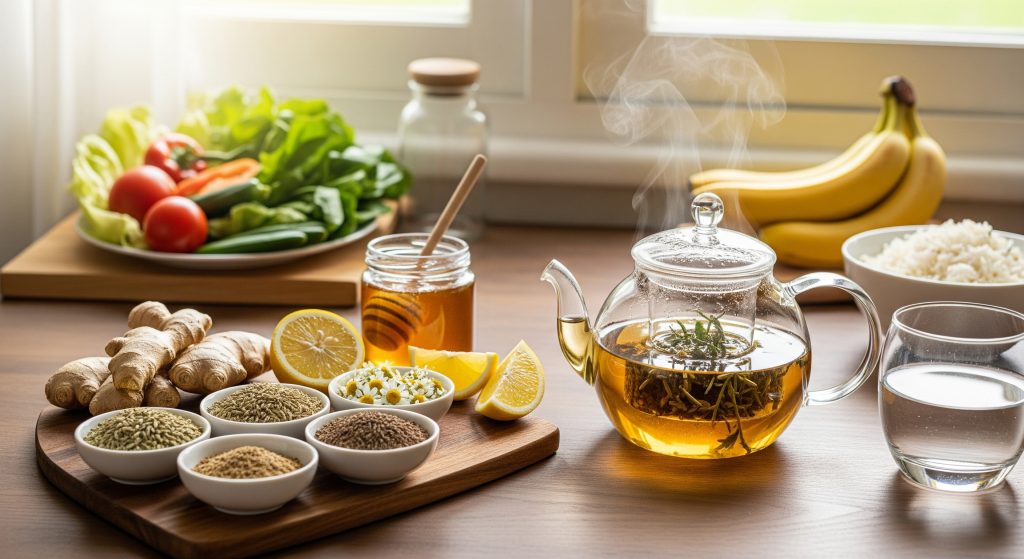
Ginger isn’t just a spice. It’s basically digestive medicine in root form. The compounds gingerols and shogaols stimulate saliva, bile, and gastric juice production, which helps food move through the system more efficiently.
How to prepare:
-
Slice 2-3 cm of fresh ginger root into thin pieces
-
Boil 250ml of water and add the ginger slices
-
Let it simmer for 10-15 minutes
-
Strain and add a teaspoon of honey if desired
-
Sip slowly while warm
The warmth itself aids digestion. Drink this 20 minutes after a heavy meal for best results.
2. Fennel Seeds After Meals
There’s a reason Indian restaurants offer fennel seeds after meals. These tiny seeds contain anethole, fenchone, and estragole – compounds that relax the smooth muscles of the digestive tract and reduce gas formation.
Method: Chew half a teaspoon of fennel seeds thoroughly after eating. Alternatively, steep a teaspoon in hot water for 5 minutes and drink as tea. The immediate effect is quite remarkable.
3. Peppermint Oil Application
Peppermint works differently from other remedies. The menthol relaxes the stomach muscles and improves bile flow, which helps digest fats more efficiently. But here’s the catch – it can worsen heartburn in some people by relaxing the lower oesophageal sphincter. Know your body first.
Safe application:
-
Add 2-3 drops of food-grade peppermint oil to a glass of warm water
-
Alternatively, rub diluted peppermint oil (mixed with a carrier oil) on the abdomen in circular motions
-
Avoid if experiencing acid reflux symptoms
4. Baking Soda Solution
This is the emergency room of indigestion home remedies. Baking soda is alkaline, so it neutralises stomach acid almost immediately. I’ll be honest – it tastes terrible. But it works within minutes.
Preparation:
-
Dissolve half a teaspoon of baking soda in 120ml of water
-
Stir until completely dissolved
-
Drink quickly
Important: Don’t use this remedy more than once or twice daily, and avoid it entirely if on a sodium-restricted diet. The sodium content is significant.
5. Apple Cider Vinegar Remedy
Here’s where things get counterintuitive. Adding acid to an acidic stomach sounds wrong. But low stomach acid is actually a common cause of indigestion, and apple cider vinegar can help kickstart proper digestion.
Method: Mix 1-2 tablespoons of raw, unfiltered apple cider vinegar in a glass of warm water. Drink 15-20 minutes before meals as a preventative measure, or immediately when symptoms appear. The “mother” – that cloudy sediment at the bottom of quality vinegar – contains beneficial enzymes.
6. Chamomile Tea Preparation
Chamomile does something the others don’t. It addresses the stress component of indigestion. Anxiety tightens the gut, slows digestion, and creates that knotted feeling in the stomach. Chamomile works on both the physical and nervous system levels.
Brewing method:
-
Use 2-3 teaspoons of dried chamomile flowers (or one teabag)
-
Pour 200ml of boiling water over the flowers
-
Cover and steep for 10 minutes – this is crucial for extracting the active compounds
-
Strain and drink warm
Drink this between meals rather than immediately after eating for best effect.
7. Cumin Water Treatment
Cumin stimulates the secretion of pancreatic enzymes, which are essential for proper digestion. This makes it particularly effective for the heavy, sluggish feeling after a large meal.
Preparation:
-
Boil a teaspoon of cumin seeds in 250ml of water for 5 minutes
-
Strain and drink while warm
-
Can be enhanced with a pinch of black salt
8. Ajwain Seeds Relief
Ajwain (carom seeds) contains thymol, a compound with strong digestive properties. It’s particularly effective for gas and bloating – that specific type of indigestion where the stomach feels stretched and uncomfortable.
Quick relief method: Chew half a teaspoon of ajwain seeds with a pinch of black salt, followed by warm water. The relief typically comes within 15-20 minutes. This is my go-to remedy when nothing else seems to shift that stubborn bloating.
Homeopathic and Natural Remedies for Indigestion
Homeopathic remedies for indigestion take a different approach. They’re selected based on the specific type of symptoms rather than just “indigestion” as a general category.
Nux Vomica for Overeating
Nux Vomica 30C is the remedy of choice when indigestion follows overindulgence. Think of it as the remedy for the morning after a rich dinner party. Symptoms typically include nausea, heaviness, and the feeling that if only vomiting would happen, everything would feel better.
Dosage: Take 3-4 pellets under the tongue, allowing them to dissolve. Repeat every 4 hours as needed. Avoid coffee and strong mint flavours around dosing times as these can antidote the remedy.
Carbo Veg for Bloating
When the primary complaint is excessive gas and bloating – when the abdomen feels distended like a balloon and even loose clothing feels tight – Carbo Vegetabilis is often the answer. People needing this remedy often feel better with fresh air or fanning.
Usage: Take 3-4 pellets of Carbo Veg 30C as needed. It’s particularly effective for bloating that comes with belching and a sense of incomplete digestion.
Pulsatilla for Rich Foods
Pulsatilla suits indigestion triggered specifically by fatty or rich foods – cream sauces, fried items, pastries. The person typically has no thirst despite digestive discomfort and feels worse in warm, stuffy rooms.
Application: Take 30C potency, 3-4 pellets, repeating as symptoms dictate. This remedy works well for those who tend to have slow, sluggish digestion in general.
Herbal Combinations and Dosages
Single herbs work well. Combinations often work better. Here’s a table of effective herbal combinations:
|
Combination |
Best For |
Dosage |
|---|---|---|
|
Ginger + Fennel + Peppermint |
Gas and cramping |
Equal parts as tea, 3x daily |
|
Chamomile + Lemon Balm |
Stress-related indigestion |
Tea after meals |
|
Cumin + Coriander + Fennel |
Heavy meal digestion |
1 tsp of mixture in warm water |
|
Liquorice Root + Marshmallow Root |
Acid reflux symptoms |
Tea or chewable tablets |
Ayurvedic Approaches to Digestive Health
Ayurveda considers digestion – called Agni – as the cornerstone of health. A weak digestive fire creates Ama (toxins), which leads to disease. The approach isn’t just about treating symptoms but rebuilding digestive strength.
Key Ayurvedic practices:
-
Triphala: A combination of three fruits taken at night to cleanse and strengthen the digestive tract
-
Hingvastak Churna: A powder containing asafoetida, ginger, and other spices – excellent for gas and bloating
-
Warm water with lemon: First thing in the morning to stimulate digestive fire
-
Eating only when hungry: Sounds obvious, but eating before the previous meal is digested is a primary cause of indigestion in Ayurvedic thinking
Essential Oils for Digestive Relief
Essential oils offer another pathway to relief, primarily through topical application and aromatherapy.
Effective oils and applications:
-
Ginger oil: Mix 3 drops with a tablespoon of carrier oil, massage clockwise on abdomen
-
Fennel oil: Add to a diffuser or inhale directly from the bottle during acute symptoms
-
Lemongrass oil: Particularly good for nausea – dilute and apply to temples and wrists
-
Cardamom oil: Add one drop to warm water and drink (ensure it’s food-grade)
The thing about essential oils is they work on multiple levels. The scent alone can trigger relaxation responses that ease stress-related digestive issues.
Foods to Avoid with Indigestion and Dietary Guidelines
Here’s what frustrates me about most dietary advice for indigestion: it’s too general. “Avoid spicy food” isn’t helpful when different spices affect different people differently. What we actually need is precision.
Trigger Foods Checklist
Not everyone reacts to the same foods. But some are near-universal triggers. Use this checklist to identify personal patterns:
|
Category |
Common Triggers |
Reaction Time |
|---|---|---|
|
Dairy |
Milk, cream, ice cream, soft cheese |
30 min – 2 hours |
|
Alliums |
Onions, garlic, leeks |
1 – 4 hours |
|
Cruciferous |
Cabbage, broccoli, cauliflower |
2 – 6 hours |
|
Legumes |
Beans, lentils, chickpeas |
2 – 8 hours |
|
Carbonated drinks |
Fizzy water, sodas, beer |
Immediate – 1 hour |
Keep a food diary for two weeks. It’s boring work but reveals patterns nothing else can.
Spicy and Fatty Foods Impact
Spicy foods stimulate gastric acid production. For some people that’s helpful. For others – particularly those with existing acid reflux or gastritis – it’s pouring fuel on a fire.
Fatty foods present a different problem. They slow gastric emptying, meaning food sits in the stomach longer. That heavy, sluggish feeling after a fried breakfast? That’s delayed gastric emptying in action.
Practical approach: Rather than eliminating these foods entirely, reduce portion sizes and combine them with easily digestible foods. A small amount of spice with rice is handled very differently than spice with fatty meat.
Acidic Foods and Beverages
The usual suspects – citrus fruits, tomatoes, coffee, alcohol – increase stomach acidity. But timing matters as much as the food itself. Coffee on an empty stomach is far more problematic than coffee after a meal.
Foods to approach carefully:
-
Citrus fruits and juices
-
Tomatoes and tomato-based sauces
-
Coffee (especially black)
-
Alcohol (wine and spirits are worse than beer)
-
Vinegar-based dressings
Safe Foods During Flare-ups
When indigestion is active, the digestive system needs gentle support. Think of it like resting an injured muscle. These foods provide nutrition without demanding much effort:
-
Plain rice or rice porridge
-
Bananas (ripe, not green)
-
Boiled potatoes without skin
-
Plain toast (white bread digests easier than wholemeal during flare-ups)
-
Steamed vegetables – carrots, courgettes, green beans
-
Clear broths
-
Papaya and melon
The BRAT diet (Bananas, Rice, Applesauce, Toast) remains a solid foundation during acute episodes.
Meal Timing and Portion Control
This is honestly the part most people skip, and it’s the part that matters most. Honestly, meal timing might be more important than what’s actually eaten. The stomach has limited capacity and digestive resources.
Key timing principles:
-
Eat largest meals before 2pm when digestive capacity is highest
-
Allow 3-4 hours between meals
-
Stop eating at least 3 hours before bed
-
Eat until 75% full, not 100%
Picture this: the stomach is roughly the size of a fist. Now imagine cramming a large pizza into a fist-sized space. That mechanical pressure alone causes problems before chemistry even enters the equation.
Hydration Guidelines
Water aids digestion. But timing and temperature matter. Cold water during meals slows down enzyme activity. Large volumes of water during meals dilute digestive juices.
Optimal hydration approach:
-
Drink water 30 minutes before meals rather than during
-
Sip small amounts during meals if needed
-
Choose room temperature or warm water over cold
-
Aim for 2 litres daily, spread throughout the day
Prevention Strategies and Long-term Management
Treating indigestion is useful. Never getting it in the first place is better. These strategies address root causes.
Lifestyle Modifications
The boring stuff works. It’s not exciting advice, but it works.
-
Chew thoroughly: Digestion begins in the mouth. Each bite should be chewed 20-30 times. This sounds excessive until you actually try it and notice the difference.
-
Eat without screens: When attention is on a screen, the nervous system isn’t in “rest and digest” mode. The same meal eaten mindfully versus in front of the television produces different digestive outcomes.
-
Loosen tight clothing: Physical compression of the abdomen impairs digestion. It’s that simple.
-
Walk after meals: A 10-15 minute gentle walk stimulates gastric motility without being vigorous enough to divert blood flow from digestion.
Stress Management Techniques
The gut-brain connection isn’t metaphorical. The enteric nervous system – sometimes called the “second brain” – contains more neurons than the spinal cord. Stress directly impacts digestive function.
Effective techniques:
-
Deep breathing before meals: Three deep breaths activate the parasympathetic nervous system
-
Regular meditation: Even 10 minutes daily reduces baseline stress levels
-
Progressive muscle relaxation: Particularly effective for stress-related digestive issues
-
Journaling: Processing emotions reduces their physical manifestation
Exercise and Physical Activity
Regular exercise improves digestive function. But timing is crucial. Vigorous exercise immediately after eating diverts blood away from the digestive system. Wait at least 2 hours after a meal before intense activity.
Best exercises for digestion:
-
Walking (particularly after meals)
-
Yoga (specific poses like wind-relieving pose and seated twists)
-
Swimming
-
Cycling at moderate intensity
Avoid lying down immediately after eating. The combination of gravity and a full stomach creates conditions for reflux.
Sleep Position Adjustments
Night-time indigestion often relates to position. Lying flat allows stomach contents to move towards the oesophagus. Simple adjustments make significant differences.
Recommendations:
-
Elevate the head of the bed by 15-20cm (place blocks under bed legs rather than extra pillows)
-
Sleep on the left side – this keeps the stomach below the oesophageal junction
-
Avoid eating within 3 hours of bedtime
When to Seek Medical Help
Natural remedies are powerful. They’re not always sufficient. Certain symptoms warrant professional evaluation:
Seek immediate medical attention if experiencing:
Severe chest pain (to rule out cardiac causes)
Difficulty swallowing that persists
Unexplained weight loss
Vomiting blood or material that looks like coffee grounds
Black, tarry stools
Symptoms persisting beyond two weeks despite treatment
Chronic indigestion – called dyspepsia – sometimes indicates underlying conditions like H. pylori infection, gastritis, or peptic ulcers that require medical treatment.
Taking Control of Your Digestive Health
Managing indigestion isn’t about finding one magic solution. It’s about building a toolkit of approaches and understanding which works best for which situation. Ginger tea for nausea. Fennel for gas. Baking soda for emergencies. Lifestyle changes for long-term prevention.
The foods to avoid with indigestion will vary person to person. Personal patterns matter more than generic lists. Track symptoms, experiment methodically, and pay attention to what the body communicates.
Start with one remedy. Master it. Add another. Build gradually. The goal isn’t perfection – it’s progress towards a digestive system that works smoothly most of the time, with reliable tools ready for the times it doesn’t.
Frequently Asked Questions
How quickly do home remedies work for indigestion?
Most remedies provide relief within 15-45 minutes. Baking soda works fastest (within 5-10 minutes), while herbal teas typically take 20-30 minutes. Ginger and fennel fall somewhere in between. The specific remedy, individual physiology, and severity of symptoms all influence response time.
Can children safely use these natural remedies for indigestion?
Many remedies are safe for children with adjusted dosages. Ginger tea, chamomile tea, and fennel seeds are generally safe for children over 2 years at half the adult dose. Avoid baking soda for children under 6 and limit apple cider vinegar until age 10. Always consult a paediatrician before using homeopathic remedies or essential oils on children.
Which homeopathic remedy is best for chronic indigestion?
Chronic indigestion requires constitutional treatment from a qualified homeopath rather than self-prescribing. However, Lycopodium 30C often suits those with bloating that worsens between 4-8pm, while Arsenicum Album 30C benefits those with burning sensations and anxiety around health. For best results with ongoing issues, seek professional guidance.
Are there any side effects of using baking soda for indigestion?
Yes. Baking soda can cause gas and bloating initially as it reacts with stomach acid. High sodium content makes it unsuitable for those with hypertension or heart conditions. Overuse can lead to metabolic alkalosis. Limit use to occasional emergency relief – no more than twice daily, and not for extended periods.
How long should I avoid trigger foods after indigestion?
After an acute episode, avoid known triggers for at least 48-72 hours while the digestive system recovers. For foods newly identified as triggers, elimination for 2-3 weeks followed by careful reintroduction helps determine true sensitivity. Some people find permanent reduction rather than complete elimination more sustainable.
Can indigestion home remedies replace prescribed medications?
For occasional, mild indigestion, home remedies often work as well as over-the-counter options. However, they should not replace prescribed medications for diagnosed conditions like GERD, peptic ulcers, or H. pylori infection. Always consult a healthcare provider before discontinuing prescribed medication, and use natural approaches as complementary support rather than substitutes for necessary medical treatment.

