






 We do what's right for you...


Hypothyroidism Diet Plan PDF: Nutrition Tips for All Ages
Conventional advice often reduces thyroid nutrition to a single nutrient. That approach is incomplete. I recommend a structured, food-first strategy that respects medication timing, balances macronutrients, and supports micronutrient status. This is how I build a rigorous hypothyroid diet plan that works across ages. It is basically nutrition that supports hormones, energy, and recovery without hype. The goal is a repeatable plan that can be exported into a practical hypothyroidism diet plan pdf for daily use.
Essential Foods and Nutrients for Hypothyroid Diet Plan
1. Iodine-Rich Foods for Thyroid Function
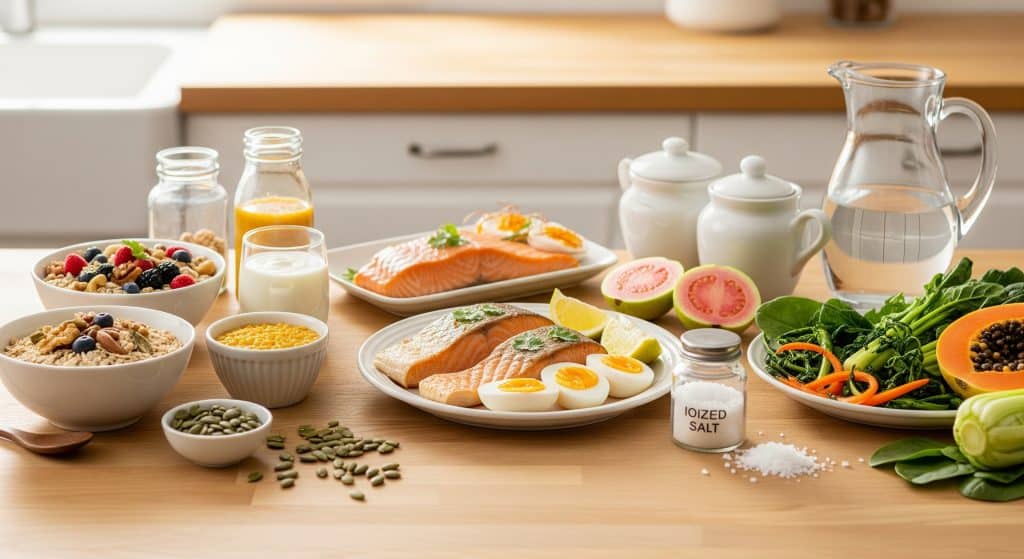
Iodine enables the thyroid to produce T3 and T4. Without adequate iodine intake, the best hypothyroid diet plan will struggle to deliver results. As NIH ODS notes, reliable sources include seafood, dairy, eggs, and iodised salt, and soil iodine can vary by region. In practice, I prioritise moderate portions of fish or yoghurt several times a week, then use a small pinch of iodised salt to season food. Seaweed is potent, so I keep it occasional and measured.
-
Use iodised salt in cooking, not as a heavy garnish.
-
Include eggs or milk on non-seafood days.
-
If intake is uncertain, test status before supplementing.
Balance is the operative word. Too little or too much iodine can both cause issues.
2. Selenium Sources for Hormone Production
Selenium supports the enzymes that convert T4 to T3, so it earns a place in any hypothyroid diet plan. I use whole foods first. One or two Brazil nuts can provide selenium, but the content varies. I often rotate sardines, tuna, eggs, mushrooms, and pulses. This keeps intake steady without chasing a single food.
-
Seafood such as sardines or tuna once or twice weekly.
-
Eggs or mushrooms on meat-free days.
-
Limit high-dose supplements unless a clinician advises.
What this means is simple. Aim for coverage, not excess.
3. Zinc-Containing Foods for Metabolism
Zinc influences thyroid hormone synthesis and use across the life course. That is why I place zinc-rich foods in the weekly rotation of a hypothyroid diet plan. Oysters sit at the top of the list, but lean beef, pumpkin seeds, chickpeas, and cashews are accessible options. A mixed approach works best, especially for those who prefer plant-forward meals.
-
Example pattern: lean meat twice weekly, legumes three times, seeds most days.
-
Pair legumes with vitamin C sources to improve mineral uptake.
For athletes, a small serving of roasted pumpkin seeds post training can help cover zinc while adding texture to the plan.
4. Iron-Rich Options for Energy
Low iron can mimic or aggravate thyroid symptoms. I protect iron intake inside the hypothyroid diet plan and manage coffee timing carefully. A mixed strategy works: lean red meat or organ meats occasionally, fish or poultry often, and legumes and spinach regularly. As Healthline reports, iron deficiency anaemia can worsen thyroid function, and pairing iron sources with vitamin C improves absorption.
-
Beans or lentils with tomatoes or lemon to boost iron uptake.
-
Keep tea and coffee at least 60 minutes away from iron-rich meals.
-
Use iron-fortified cereals on busy mornings.
Small adjustments in timing often deliver disproportionate gains in energy.
5. Vitamin D Sources for Immunity
Vitamin D affects immune regulation and may influence thyroid autoimmunity. The food supply offers limited vitamin D, so I plan for safe sunlight exposure, oily fish, eggs, and fortified options. In clinic settings, testing is often warranted. A recent hospital analysis found deficiency in roughly 69.64% of those with primary hypothyroidism, which suggests a meaningful link, as Healthcare Bulletin reported.
-
Oily fish such as salmon or mackerel once weekly.
-
Fortified milk or yoghurt in breakfast rotations.
-
Discuss supplementation where deficiency is confirmed.
Measured certainty is wise here, since status varies by season and skin exposure.
6. Protein Requirements for Muscle Health
Thyroid status influences muscle protein turnover, so protein coverage is non-negotiable. I set daily targets per body weight and split protein across meals for absorption and satiety. For many adults, 1.0 to 1.2 g per kg works as a baseline. I then layer in resistance training twice weekly. That protects lean mass while running a hypothyroid diet plan.
-
Distribute protein across breakfast, lunch, and dinner.
-
Lean meat, eggs, dairy, tofu, lentils, and Greek yoghurt all fit.
-
Hydration and recovery matter for muscle synthesis.
A brief example: Greek yoghurt with seeds at breakfast, lentil bowl at lunch, fish with vegetables at dinner. Simple and effective.
7. Complex Carbohydrates for Sustained Energy
Complex carbohydrates deliver steady energy and blunt fatigue. I steer clients to oats, quinoa, brown rice, sweet potatoes, and fruit. In a hypothyroid diet plan, this stabilises blood sugar and workload tolerance. Portion control remains important, especially with reduced activity.
-
Choose oats or quinoa on training days for better glycogen support.
-
Add fruit and nuts to maintain fibre and micronutrients.
Roughly speaking, one cupped-hand portion per meal suits many adults. Adjust to appetite and goals.
8. Omega-3 Fatty Acids for Inflammation
Chronic inflammation can complicate thyroid health. Omega-3 fatty acids offer a pragmatic lever. Marine sources provide EPA and DHA, which support broader metabolic health. As Frontiers in Endocrinology highlights, omega-3 intake is linked to reduced inflammation and may support normal thyroid function.
-
Include salmon, sardines, or mackerel once weekly.
-
Add walnuts and flaxseed as plant options.
And yet, supplementation is not a universal fix. Food-first remains the default in a balanced hypothyroid diet plan.
Foods to Avoid with Hypothyroidism
Goitrogenic Vegetables and Preparation Methods
Cruciferous vegetables contain goitrogens that may be problematic, particularly when iodine is low. I rarely recommend blanket avoidance. Cooking methods reduce impact. Boiling, steaming, and sautéing lower active compounds substantially. Moderate, cooked portions fit most evidence-based versions of a hypothyroid diet plan.
-
Prefer cooked broccoli, cabbage, cauliflower, and kale.
-
Rotate servings and avoid very large raw portions.
-
Ensure iodine intake is adequate if eating these frequently.
Critics argue complete avoidance is safer. The data does not support that stance for most individuals.
Soy Products and Thyroid Interference
Soy is not off limits. Timing matters. Space soy foods several hours away from levothyroxine to protect absorption. In iodine-sufficient individuals, soy shows modest or negligible effects on thyroid hormones, though medication doses sometimes need adjustment. I keep soy moderate and time it away from the morning pill. That protects the integrity of any hypothyroid diet plan.
-
Leave a 3 to 4 hour gap between medication and soy meals.
-
Check TSH after any major diet change to calibrate dosage.
Put simply, control the when, not only the what.
Processed Foods and Sugar Impact
Highly processed foods raise inflammation and can impair metabolic control. They also displace nutrient-dense choices needed in a hypothyroid diet plan. Excess sugar raises the risk of insulin resistance, which can complicate weight and energy management. I advise a gradual reduction of sugary snacks, sweetened drinks, and refined starches.
-
Replace pastries with fruit and nuts.
-
Swap white bread for wholegrain bread or oats.
-
Keep sweetened coffee drinks for rare occasions.
Small swaps add up. That is the quiet path to better control.
Gluten Sensitivity Considerations
Coeliac disease is more common in autoimmune thyroid disease. That does not mean everyone needs to avoid gluten. I screen for symptoms and consider testing before exclusion. If sensitivity is confirmed, a gluten-free pattern can improve comfort and adherence to the hypothyroid diet plan. Otherwise, wholegrain gluten sources can remain.
-
Trial exclusion only with clear medical rationale.
-
Use oats, rice, and quinoa if gluten-free is necessary.
Precision beats broad restriction.
Excessive Fibre Timing Issues
High fibre foods are useful, but timing can matter for medication. Very high fibre breakfasts may blunt pill absorption if taken together. I advise taking levothyroxine with water on waking, then eating 30 to 60 minutes later. Place the fibre-rich meal at lunch if mornings are tight. This preserves the hypothyroid diet plan without compromising therapy.
-
Keep medication away from bulky fibre and iron supplements.
-
Record any changes in energy when adjusting timing.
It is a small timing decision. It pays off.
Caffeine and Medication Absorption
Coffee can interfere with levothyroxine absorption when taken together. I keep coffee 45 to 60 minutes after the pill. If that is not workable, switch the medication to bedtime under clinician guidance. This single adjustment often improves the stability of a hypothyroid diet plan.
-
Take medication with water only.
-
Delay coffee and high-calcium drinks.
The principle is simple. Let the medication work unopposed.
Age-Specific Hypothyroidism Diet Guidelines
Toddlers and Young Children Meal Planning
Growth is the priority. I emphasise dairy, eggs, lentils, fruit, and cooked vegetables in small, frequent meals. Iodised salt at home helps where regional iodine is variable. Keep choking hazards in mind with nuts and seeds.
-
Offer soft lentil khichdi or scrambled eggs with spinach.
-
Space medication away from milk if prescribed.
Consistency beats variety at this stage, to an extent.
School-Age Children Nutritional Needs
Energy demands rise with activity. I include oats, wholegrain rotis, dal, yoghurt, and seasonal fruit. Protein at breakfast reduces mid-morning dips. For a child-friendly hypothyroid diet plan, keep portions moderate and hydration steady.
-
Pack a protein plus fruit snack for school.
-
Boiled eggs or paneer add tidy protein.
Make it simple enough to follow on busy mornings.
Teenagers and Growth Requirements
Rapid growth and sport change the brief. I set higher protein targets and plan complex carbs around training. Calcium, iron, and zinc also matter. A teenager’s hypothyroid diet plan should anchor on real meals, not shakes, unless medically indicated.
-
Post-training: yoghurt with fruit and seeds.
-
Dinner: chicken or chickpeas with rice and salad.
Fuel first, then refine.
Young Adults and Lifestyle Balance
Erratic schedules test adherence. I prioritise portable proteins, meal prep, and clear medication routines. Coffee timing is often the main challenge. A compact hypothyroid diet plan here includes Greek yoghurt cups, boiled eggs, roasted chana, and frozen vegetables for quick dinners.
-
Bookend days with protein-rich meals.
-
Keep iodised salt and tinned fish on hand.
Minimal friction equals higher compliance.
Adults Managing Work and Diet
The brief is weight control and steady energy. I deploy plate planning: half vegetables, a quarter protein, a quarter complex carbs. Two fruit portions daily. Strength training twice weekly. It keeps a hypothyroid diet plan grounded and predictable.
-
Batch-cook legumes and whole grains.
-
Set a fixed levothyroxine time and stick to it.
Structure creates momentum.
Mature Adults and Metabolic Changes
Metabolism slows and recovery lengthens. I tighten portions, ensure sufficient protein, and add vitamin D checks. Omega-3 rich fish plays a larger role. A conservative hypothyroid diet plan protects muscle while trimming excess energy intake.
-
Protein at each meal, even when appetite dips.
-
Walk daily for glucose control.
Small, repeatable habits win here.
Senior Citizens Special Considerations
Appetite, dentition, and polypharmacy complicate intake. I focus on softer textures, nutrient density, and medication spacing. Fortified dairy and eggs help. Hydration is often overlooked, so I add broths and soups to the hypothyroid diet plan.
-
Review supplements to reduce interactions.
-
Use stews, khichdi, and soft fruits for easier eating.
Comfort and adequacy come first.
Creating Your Personalised Hypothyroidism Diet Plan
I build personal plans in four passes: labs, routine, food pattern, then refinement. This method turns a general hypothyroid diet plan into a practical schedule that can be exported as a hypothyroidism diet plan pdf for daily reference.
-
Assess baselines. Review TSH, T4, vitamin D, iron status, and weight trends. Note caffeine habits and training load.
-
Lock medication timing. Choose waking or bedtime dosing. Ensure a buffer from coffee, high fibre breakfasts, calcium, and iron.
-
Select a core food pattern. Decide on vegetarian, mixed, or pescatarian. Map weekly anchors: fish night, lentil night, egg night.
-
Calibrate protein and carbs. Set protein per body weight. Scale complex carbohydrates to activity and weight goals.
-
Micronutrient coverage. Ensure iodine, selenium, zinc, iron, and vitamin D via routine foods. Add tests or supplements if needed.
-
Meal timing. Stabilise with 3 meals and 1 optional snack. Athletes may need one pre-training and one recovery option.
-
Iterate. Re-test labs after 8 to 12 weeks. Adjust dosage and diet accordingly.
For clarity, this timing framework helps many adhere to a hypothyroid diet plan without friction:
|
Timing Block |
Action |
|---|---|
|
06:30 |
Levothyroxine with water only |
|
07:15 |
Breakfast: protein plus complex carbs (oats and yoghurt) |
|
12:30 |
Lunch: protein, vegetables, whole grains |
|
16:30 |
Snack: fruit and nuts or roasted chana |
|
19:30 |
Dinner: fish or legumes, vegetables, small starch |
|
22:00 |
Supplements if prescribed (separate from iron and calcium interactions) |
Two quick menu examples that convert neatly into a printable plan:
-
Vegetarian day: masala oats with paneer, dal and brown rice with salad, yoghurt and fruit, palak chana with roti.
-
Mixed day: egg scramble on toast, grilled salmon with quinoa and greens, nuts and fruit, chicken and vegetable stew.
Once finalised, compile meals, timing, and a shopping list into a one-pager. Save or export as a hypothyroidism diet plan pdf. Keep a copy on the phone and on the fridge. That keeps the hypothyroid diet plan visible and, crucially, actionable.
Frequently Asked Questions
Can I eat cruciferous vegetables if I have hypothyroidism?
Yes, in moderation and ideally cooked. Boiling, steaming, or sautéing reduces goitrogen exposure. Include them within a balanced hypothyroid diet plan that ensures adequate iodine. Reserve very large raw portions for rare occasions.
How much iodine should I consume daily with hypothyroidism?
Requirements vary by age and life stage. For most adults, the reference range sits near standard guidelines, though individual needs depend on status and medication. I prefer food-first iodine within a measured hypothyroid diet plan and testing before supplementing.
Should I take thyroid medication with or without food?
Take levothyroxine with water on an empty stomach. Wait 30 to 60 minutes before eating. Keep coffee, calcium, iron, and high fibre meals separate. This improves absorption and stabilises a hypothyroid diet plan.
Are there specific Indian foods beneficial for hypothyroidism?
Yes. Dal, chana, rajma, curd, paneer, eggs, fish, and iodised salt offer strong coverage. Use spinach, crucifers, and soy in cooked, moderate portions. Oats, millets, and brown rice provide complex carbs that suit a structured hypothyroid diet plan.
Can children with hypothyroidism follow the same diet as adults?
The principles are similar, but portions and priorities differ. Growth, texture, and routine matter more. Build a child-appropriate hypothyroid diet plan with dairy, eggs or legumes, fruit, and vegetables. Keep medication timing consistent.
How long before seeing improvements with dietary changes?
Roughly speaking, energy and digestion can improve within 2 to 4 weeks. Lab changes often require 8 to 12 weeks, depending on dosage and adherence. Keep the hypothyroid diet plan steady, then re-test to guide refinement.

