






 We do what's right for you...


How to Treat Ear Infections at Home: Safe Remedies That Work
Dr. Sanjay Siddharth
Conventional wisdom says ear infections always need antibiotics. That advice has guided panicked parents and suffering adults to doctor’s offices for decades. it’s basically become the default reaction whenever that familiar throbbing pain sets in. But here’s the thing – that automatic assumption is not just outdated, it’s often unnecessary and potentially counterproductive.
The reality is that many ear infections, particularly viral ones, resolve on their own within a few days. What truly matters during that time isn’t always medication – it’s managing the pain and creating conditions for healing. This is where ear infection home remedies become genuinely valuable. Not as some alternative medicine nonsense, but as practical, evidence-backed approaches that can bring relief while the body does its work.
I’ve spent considerable time sorting through the legitimate remedies from the questionable ones. Some of what passes for home treatment advice online is frankly dangerous, while other methods have genuine merit. Whether dealing with ear infection home remedies for adults, ear infection home remedies for toddlers, or the more delicate situation of ear infection home remedies for babies, understanding what actually works – and what doesn’t – makes all the difference between sensible care and risky experimentation.
Safe Home Remedies for Ear Infections
Let me walk through the remedies that hold up to scrutiny. Some of these have surprised me with their effectiveness; others require more caution than most articles acknowledge.
1. Warm Compress Application
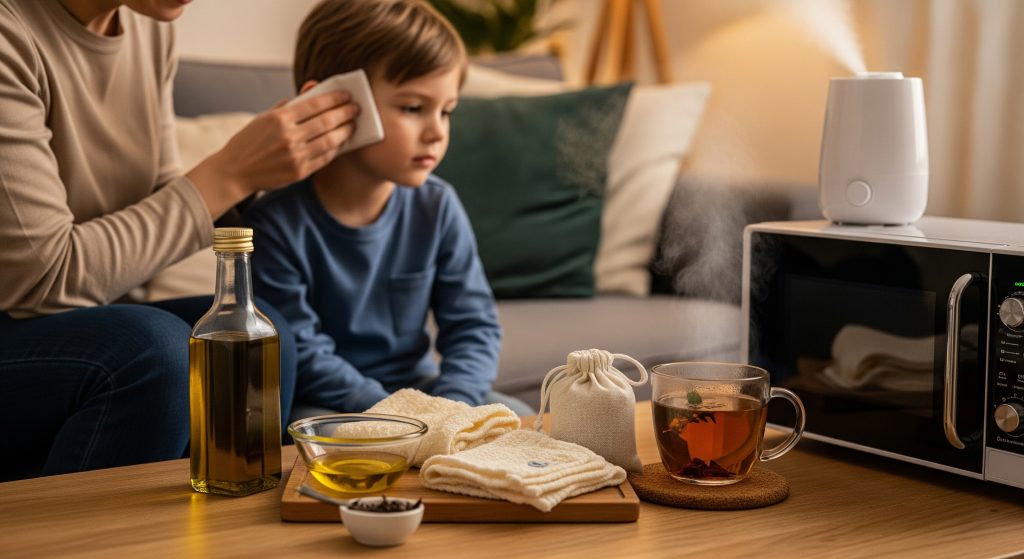
This is the remedy I recommend starting with. Always. Before reaching for drops or oils or anything else, try a warm compress. The single most frustrating part of ear infection advice is how often writers skip past this simple intervention to recommend more complicated treatments. A warm compress addresses what matters most during an ear infection – pain management.
The warmth increases blood circulation to the affected area and helps relax the muscles around the ear canal. Place a warm (not hot) washcloth against the affected ear for 15 to 20 minutes. The immediate relief can be remarkable. For children who won’t stay still, try warming a small cloth bag filled with rice or salt in the microwave for 30 seconds – it moulds to the ear shape nicely and holds heat longer.
2. Over-the-Counter Pain Relief
As Cleveland Clinic points out, over-the-counter pain relievers like ibuprofen or acetaminophen effectively alleviate ear pain associated with infections. This isn’t about treating the infection itself – it’s about making those hours or days of discomfort bearable.
For adults, ibuprofen often works better because it reduces inflammation alongside managing pain. For children, follow age-appropriate dosing carefully. GoodRx notes that while specific over-the-counter ear drops may help ease symptoms, they don’t address the infection itself. That’s an important distinction to understand.
3. Garlic Oil Treatment
Here’s where things get interesting. Garlic isn’t just folklore – there’s genuine science behind it. Research published in the National Library of Medicine demonstrates that garlic derivatives, specifically allicin and s-allyl cysteine, show significant antimicrobial activity against bacteria commonly involved in ear infections, including Staphylococcus aureus and Pseudomonas aeruginosa.
The study found minimum inhibitory concentrations for allicin ranged from 0.125 to 20 μg/mL for common bacteria. Those are impressive numbers. To use garlic oil safely:
-
Purchase pre-made garlic oil from a reputable source or make it by warming crushed garlic in olive oil
-
Ensure the oil is body temperature – not hot
-
Apply 2-3 drops to the outer ear canal
-
Never use if you suspect a perforated eardrum
4. Apple Cider Vinegar Solution
Apple cider vinegar creates an acidic environment that makes it difficult for bacteria and fungi to thrive. It’s particularly useful for outer ear infections (swimmer’s ear) rather than middle ear infections. Mix equal parts apple cider vinegar and warm water, then apply a few drops to the affected ear.
A word of caution: this can sting. Quite a lot, actually. If there’s any open wound or significant inflammation, skip this remedy entirely. And please, never use undiluted vinegar – it can damage the delicate skin of the ear canal.
5. Hydrogen Peroxide Drops
Hydrogen peroxide helps clear debris and wax from the ear canal, which can sometimes contribute to infection symptoms. Use a 3% solution – the standard concentration found in pharmacies. Tilt the head, place a few drops in the ear, let it fizz for a minute or two, then drain.
I’ve seen people use this as their go-to remedy for everything ear-related. That’s a mistake. Hydrogen peroxide is best for clearing blockages, not treating active infections. Think of it as preparing the ground rather than fighting the battle.
6. Tea Tree Oil Application
Tea tree oil has antimicrobial properties that can support ear infection treatment. But this is one remedy where I’ve seen more problems than solutions when people get too enthusiastic. Tea tree oil MUST be diluted – using it neat can cause serious irritation.
Mix 2-3 drops of tea tree oil with a tablespoon of carrier oil (olive or coconut works well). Apply around the outer ear, not inside the canal. Some practitioners recommend placing an oil-soaked cotton ball at the ear opening overnight. For children under 6, I’d avoid tea tree oil altogether.
7. Onion Juice Remedy
This one sounds strange. I know. But onions contain quercetin and other compounds with anti-inflammatory properties. The traditional method involves heating an onion half in the oven until soft, extracting the juice once cooled, and applying a few drops to the affected ear.
Honestly, I find this remedy more trouble than it’s worth compared to simpler options. If you’re going to try it, ensure the juice is completely cooled and strained to remove any particles.
8. Olive Oil Treatment
Pure olive oil serves as a gentle, soothing remedy that can soften earwax and ease discomfort. Warm a small amount to body temperature (test on your wrist first), then apply 2-3 drops to the ear canal. It won’t fight infection directly, but it creates a barrier and provides lubrication that can reduce irritation.
Olive oil is probably the safest liquid remedy to try because it’s unlikely to cause any adverse reaction. It’s my default recommendation when someone wants to put something in their ear but I’m not sure what’s causing their symptoms.
Age-Specific Ear Infection Home Remedies
Not all remedies work for all ages. What’s safe for an adult might be dangerous for an infant. Here’s where specificity really matters.
Safe Remedies for Babies Under 12 Months
Ear infection home remedies for babies require extreme caution. The single most important thing to understand is this: babies under 12 months with suspected ear infections should see a doctor. Full stop. Their immune systems are still developing, and infections can progress rapidly.
That said, while waiting for an appointment or managing a confirmed minor infection, certain supportive measures help:
-
Warm compress only – external heat applied gently
-
Breastfeeding – antibodies in breast milk support recovery
-
Elevation – keeping baby’s head slightly raised helps drainage
-
Appropriate paracetamol – only if over 2 months and with proper dosing
Avoid putting any drops, oils, or liquids into a baby’s ear unless specifically directed by a healthcare provider. Their ear canals are tiny and delicate.
Ear Infection Home Remedies for Toddlers
Toddlers between 1 and 3 years are particularly prone to ear infections. Their Eustachian tubes – those small passages connecting the middle ear to the back of the throat – are shorter and more horizontal than in adults, making drainage difficult. Every parent of a toddler knows that look: the hand pressing against the ear, the irritability that seems to come from nowhere.
Ear infection home remedies for toddlers can include:
|
Remedy |
Application |
Precautions |
|---|---|---|
|
Warm compress |
15-20 minutes, several times daily |
Supervise constantly; ensure comfortable temperature |
|
Ibuprofen/Paracetamol |
Age-appropriate doses |
Follow package instructions precisely |
|
Olive oil drops |
2 drops, warmed to body temperature |
Only if no suspected perforation |
|
Elevated sleeping |
Raise head of cot slightly |
Ensure safe sleeping position maintained |
Skip the garlic oil and tea tree oil for this age group. Toddlers are notorious for touching their ears and then their eyes or mouth, potentially spreading irritants.
Treatment Options for School-Age Children
Children aged 5 to 12 can tolerate a wider range of remedies, but they’re also at an age where they can communicate what’s working and what isn’t. Pay attention to their feedback.
At this age, I introduce the concept of “comfort cocktail” – combining a warm compress with appropriate pain relief and a favoured distraction (audiobook, film, whatever keeps them still). The distraction element matters more than people realise. Pain feels worse when we focus on it. Giving a child’s brain something else to process genuinely reduces perceived discomfort.
Diluted garlic oil can be introduced for this age group, as can the apple cider vinegar solution – though start with a more diluted mixture than you’d use for an adult and watch for any signs of irritation.
Ear Infection Home Remedies for Adults
Adults have more options and can better communicate what’s working. Ear infection home remedies for adults can include all the methods discussed earlier, with appropriate modifications.
The warm compress and over-the-counter pain relief combination handles most cases effectively. Adding garlic or tea tree oil (properly diluted) can provide additional antimicrobial support. For swimmer’s ear specifically, the apple cider vinegar solution often resolves issues within a day or two.
One adult-specific consideration: alcohol-based solutions. Some people use a few drops of rubbing alcohol to dry out the ear canal after swimming. This can work, but it’s harsh and shouldn’t be used on irritated or infected tissue. Save it for prevention, not treatment.
Prevention and Management Strategies
Treating ear infections matters. Preventing them matters more. And here’s something that doesn’t get enough attention: chronic ear infections often have identifiable triggers that nobody bothers to track.
Sleeping Position Adjustments
How we sleep affects ear drainage significantly. When lying flat, fluid tends to pool in the middle ear, creating conditions where bacteria thrive. Simple adjustments help:
-
Sleep with the affected ear facing upward
-
Use an extra pillow to elevate the head
-
For babies, place a folded towel under one end of the cot mattress (never loose pillows in the cot)
During active infection, sleeping on the unaffected side allows the infected ear to drain. it’s basically using gravity as medicine.
Dietary Changes to Boost Immunity
Repeated ear infections often signal an immune system under stress. While no single food prevents ear infections, certain dietary patterns support overall immune function:
-
Vitamin C-rich foods – citrus fruits, berries, peppers
-
Zinc sources – meat, shellfish, legumes, nuts
-
Probiotics – yoghurt, kefir, fermented vegetables
-
Reduced sugar – excessive sugar impairs immune response
For children with recurrent infections, some research suggests that reducing dairy during active infection may decrease mucus production. The evidence isn’t conclusive, but it’s worth trying if nothing else works.
Proper Ear Hygiene Practices
What drives me crazy is how much ear infection advice focuses on cleaning ears more thoroughly. That’s often exactly the wrong approach. The ear is largely self-cleaning. Cotton buds push wax deeper and can damage the ear canal, creating conditions ripe for infection.
Proper ear hygiene actually means:
-
Cleaning only the outer ear with a damp cloth
-
Never inserting objects into the ear canal
-
Drying ears thoroughly after swimming or bathing
-
Using earplugs when swimming in potentially contaminated water
Environmental Modifications
Certain environmental factors increase ear infection risk. Second-hand smoke exposure significantly raises children’s infection rates. Attending large group childcare settings increases exposure to respiratory infections that often lead to ear infections.
Think of ear infections like the smoke alarm going off in your kitchen. The alarm (ear infection) is annoying, but the real problem is whatever’s smoking on the stove (environmental trigger). Practical modifications include:
-
Eliminating tobacco smoke exposure entirely
-
Managing allergies aggressively, as congestion promotes infections
-
Using a humidifier during dry months to keep mucous membranes healthy
-
Ensuring good ventilation in sleeping areas
Managing Chronic Ear Infections
Some people – and some children particularly – seem to get ear infections constantly. Three or more infections in six months, or four or more in a year, qualifies as recurrent otitis media. This is where home remedies alone aren’t sufficient, and a proper management strategy becomes essential.
For chronic cases, keep a symptom diary. Track:
-
When infections occur (season, time of month)
-
What preceded them (swimming, flight travel, cold symptoms)
-
Which ear is affected (always the same side?)
-
What remedies provided relief
-
How long until resolution
This information proves invaluable when consulting with an ENT specialist. Pattern recognition often reveals triggers that aren’t obvious otherwise.
When to Seek Medical Attention
Home remedies have their place. But so does knowing when to abandon them and get professional help. The line between “manageable at home” and “needs medical intervention” isn’t always obvious.
Warning Signs Requiring Immediate Care
Certain symptoms indicate that home treatment is no longer appropriate. Seek medical attention immediately if you notice:
Emergency symptoms: Fever above 39°C, severe pain unresponsive to pain relief, discharge containing pus or blood, swelling or redness spreading behind the ear, facial weakness or asymmetry, sudden hearing loss, or symptoms that worsen despite 48 hours of home treatment.
For babies under 6 months, any suspected ear infection warrants medical evaluation. For children 6-24 months, seek care if symptoms persist beyond 48 hours or if fever exceeds 38.5°C. For adults, use judgement – but err on the side of caution if symptoms are severe or unusual.
Complications of Untreated Ear Infections
Most ear infections resolve without complications. But when they don’t, the consequences can be serious:
-
Mastoiditis – infection spreading to the bone behind the ear
-
Cholesteatoma – abnormal skin growth in the middle ear
-
Permanent hearing loss – particularly concerning in children during language development
-
Meningitis – rare but potentially life-threatening
-
Facial nerve paralysis – temporary or permanent
These complications are uncommon. But they happen. And they’re preventable with appropriate treatment at the right time.
Medical Treatments vs Home Remedies
Understanding when home remedies end and medical treatment begins helps you make informed decisions. Here’s how they compare:
|
Situation |
Appropriate Approach |
|---|---|
|
Mild pain, no fever, symptoms less than 48 hours |
Home remedies with watchful waiting |
|
Moderate pain, low-grade fever, symptoms 48-72 hours |
Home remedies plus medical evaluation |
|
Severe pain, high fever, or any warning signs |
Immediate medical attention |
|
Recurrent infections (3+ in 6 months) |
ENT specialist referral |
|
Suspected complications |
Emergency medical care |
Antibiotics aren’t always necessary – many ear infections are viral and won’t respond to antibiotics anyway. But when bacterial infection is confirmed, appropriate antibiotic treatment prevents complications far more effectively than any home remedy.
Conclusion
Ear infections, while painful and disruptive, often respond well to thoughtful home management. The key isn’t finding some miracle remedy – it’s understanding what each remedy does and when it’s appropriate.
Start with the basics: warm compresses and appropriate pain relief. Add garlic oil or other antimicrobial remedies when the situation warrants. Adjust your approach based on age – what works for adults doesn’t necessarily work for babies. Track patterns if infections recur. And most importantly, know when to seek professional help.
Home remedies work best as part of a broader strategy that includes prevention, proper hygiene, and knowing your limits. Use them confidently when appropriate, abandon them quickly when they’re not enough, and remember that the goal isn’t to avoid doctors entirely – it’s to manage minor infections sensibly while recognising when expert intervention becomes necessary.
Frequently Asked Questions
Can ear infections heal without antibiotics?
Yes, many ear infections – particularly viral ones – heal without antibiotics within 3-5 days. The American Academy of Paediatrics recommends a “watchful waiting” approach for certain mild cases. Antibiotics are most appropriate for bacterial infections, severe cases, or infections in very young children.
How long do ear infection home remedies take to work?
Pain relief from warm compresses and over-the-counter medications can occur within 20-30 minutes. The underlying infection typically takes 3-5 days to resolve. If symptoms don’t improve within 48-72 hours, medical evaluation is warranted.
Is it safe to use essential oils for ear infections in children?
Use extreme caution. Essential oils like tea tree should never be applied undiluted. For children under 6, avoid essential oils in or near the ear entirely. For older children, use only properly diluted oils around (not inside) the outer ear. When in doubt, skip them.
Can I use ear drops if my eardrum has perforated?
No. Never put any liquid in an ear with a suspected or confirmed perforated eardrum. Doing so can cause pain, further damage, and potentially worsen infection. Signs of perforation include sudden pain relief (oddly), fluid drainage, and hearing changes. Seek medical advice before using any drops.
What’s the best sleeping position for ear infection relief?
Sleep with the affected ear facing upward to promote drainage. Elevate your head with an extra pillow. For bilateral infections (both ears), try sleeping slightly propped up with the head elevated above the chest.
Are ear infections contagious?
Ear infections themselves aren’t contagious, but the colds and respiratory infections that often cause them are. The middle ear infection develops as a complication of upper respiratory illness, so preventing the spread of colds helps prevent secondary ear infections.
Can swimming cause ear infections?
Swimming commonly causes outer ear infections (otitis externa, or swimmer’s ear) when water remains trapped in the ear canal. Middle ear infections (otitis media) aren’t caused by swimming directly. Prevent swimmer’s ear by drying ears thoroughly after swimming and using earplugs in potentially contaminated water.

