






 We do what's right for you...


How to Resolve Difficult Urination: A Family-Friendly Guide
Dr. Mohammed Tabish Rayee
“Drink more water and wait it out” is common advice for bladder trouble. It is sometimes helpful, but it rarely solves difficult urination on its own. I prefer a structured approach that separates immediate relief, likely causes by age, and clear triggers for medical care. That way, I can address discomfort now, understand the pattern, and decide the next safe step with confidence.
Immediate Relief Methods for Difficult Urination
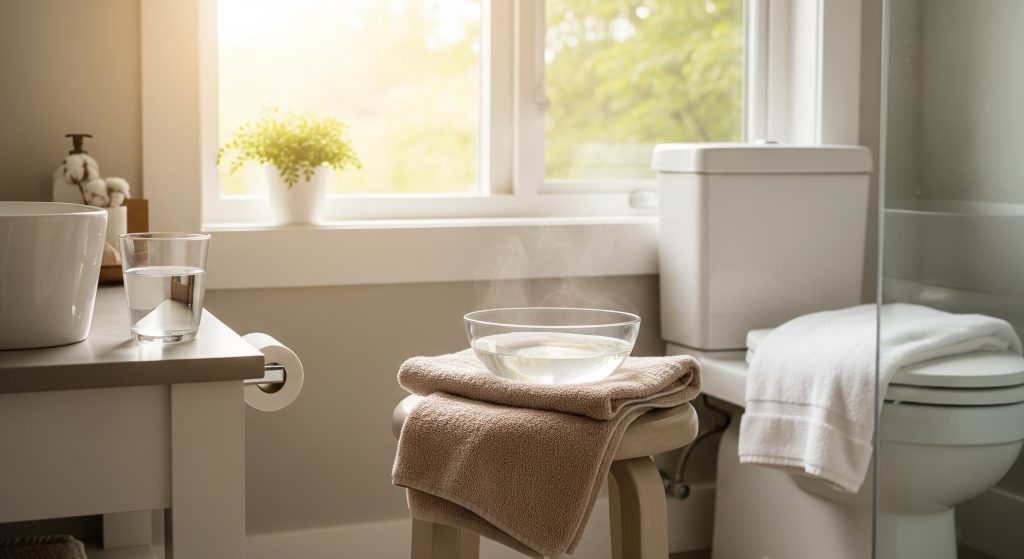
Warm Water Compress Application
I often start with heat because it is simple and low risk. A warm water compress across the lower abdomen can ease muscle guarding and encourage the bladder neck to relax. I use a clean cloth and warm, not hot, water. I place it over the suprapubic area for 10 to 15 minutes while seated on the toilet or a stable chair. For many people with difficult urination, this small routine lowers the threshold to initiate a stream.
-
Test the temperature on the forearm first to avoid burns.
-
Try gentle forward leaning while seated. Gravity helps.
-
Pair with slow nasal breathing to reduce sympathetic tension.
Simple. Safe. Often enough to break the cycle of difficult urination during a stressful moment.
Double Voiding Technique
Double voiding is a practical tactic when difficult urination leaves a sense of incomplete emptying. I ask the person to pass urine as usual, stand up, move gently for 30 seconds, then sit and try again. The second attempt often releases retained urine that failed to drain on the first pass.
-
Empty the bladder without straining.
-
Stand, shift weight, or walk a few steps.
-
Sit again with feet supported and lean slightly forward.
-
Relax the jaw and shoulders. Allow a second flow.
In practice, this interrupts urgency-frequency cycles and reduces night-time returns to the toilet. It is not a cure. It is a sensible aid for difficult urination while the root cause is addressed.
Proper Hydration Schedule
Difficult urination gets worse with erratic fluid intake. I prefer a steady schedule across the day rather than large evening volumes. A simple time map helps most families maintain balance without overthinking.
|
Time block |
Hydration focus |
|---|---|
|
Morning |
Start with a glass of water soon after waking. |
|
Midday |
Regular sips with meals and between tasks. |
|
Afternoon |
Maintain steady intake. Avoid large boluses. |
|
Evening |
Scale back 2 to 3 hours before bed to limit night trips. |
I advise using urine colour as a rough gauge. Pale straw suggests adequate hydration. Deep amber often signals the need for more fluid. For difficult urination that stems from bladder sensitivity, predictability matters more than sheer volume.
Pelvic Floor Relaxation Exercises
Many people tighten the pelvic floor when anxious or in pain. That bracing can worsen difficult urination. I teach a simple release: sit tall, place hands on the lower ribs, inhale slowly through the nose, and feel the pelvic floor soften as the belly expands. Exhale without pushing. Repeat for one to two minutes before attempting to void.
-
Visual cue: imagine the pelvic floor “dropping” with the inhale.
-
Avoid straining or bearing down. That can irritate the urethra.
-
Consistency matters. Practice even when symptoms are mild.
For some, Kegels are counterproductive during a flare of difficult urination. Relaxation first, strengthening later.
Sitz Bath Benefits
Warm water immersion eases perineal tension. As Cleveland Clinic explains, a sitz bath increases local blood flow and relaxes the anal sphincter, which can soothe the perineum and reduce swelling; sessions of 15 to 20 minutes are typically recommended for comfort. This gentle heat can reduce the guarding that blocks a comfortable stream and can support recovery after minor perineal irritation.
In addition, a sitz bath may calm muscle spasms and reduce inflammation, which improves comfort during urination and bowel movements, as Healthline notes. I keep the temperature pleasantly warm and use clean water. If skin is sensitive, a barrier ointment after drying can help.
Cranberry Juice and Natural Diuretics
Cranberry juice is popular, but it is not a fix for difficult urination on its own. It may help reduce bacterial adherence in some contexts, yet it will not treat an active infection. I suggest modest intake without added sugar, mainly as part of broader hydration. Herbal diuretics and caffeinated drinks can stimulate urine production, but they may irritate the bladder. I usually recommend caution. If difficult urination follows caffeinated or very acidic drinks, remove them for two weeks and reassess.
Age-Specific Causes of Urinary Retention
Toddler Toilet Training Issues
In toddlers, resistance, fear, and inconsistent routines are common urinary retention causes. A child may hold urine to maintain control during training or to avoid an uncomfortable potty. Difficult urination in this group often reflects behavioural patterns rather than disease.
-
Use a footstool so the child feels stable and relaxed.
-
Offer regular, calm toilet sits after meals and before naps.
-
Reward relaxed attempts rather than output.
Patience works better than pressure. The goal is comfort and predictability, which reduces difficult urination episodes.
School-Age Holding Habits
School schedules can drive habitual holding. Limited bathroom breaks and embarrassment play a real role. Over time, the bladder adapts poorly. Difficult urination appears alongside urgency, dribbling, or damp underwear after classes. I address environment first. Teachers can allow discreet breaks. Families can rehearse quick, efficient bathroom routines before and after school. Difficult urination usually eases when the child trusts that regular voiding is allowed.
Teenage Stress-Related Problems
Adolescents often present with stress-linked bladder symptoms. Exams, social pressure, and sport commitments keep the nervous system on high alert. Pelvic floor tension rises, and difficult urination follows. Brief relaxation before toilet use, privacy, and avoiding performance pressure around urine tests are practical fixes. I also screen for constipation and high caffeine intake. Both worsen difficult urination in teenagers.
Adult Prostate and UTI Concerns
In adults, prostate enlargement, urethral irritation, and infections are common urinary retention causes. Men may report a weak stream, hesitancy, or post-void dribbling. Women may describe urgency with a slow start and burning. When difficult urination sits alongside fever or new back pain, I consider infection or obstruction and escalate promptly. Early assessment limits complications.
Senior Medication Side Effects
In older adults, medicines often explain a sudden shift. Anticholinergics, some antidepressants, and decongestants can impair bladder contraction or tighten the outlet. Difficult urination may develop within days of a dose change. I review the medication list and timing. If symptoms started after a new agent, prescriber input is essential. Hydration, scheduled voiding, and gentle activity help while awaiting changes. Difficult urination in this context is manageable once the drug trigger is identified.
Pregnancy-Related Urinary Difficulties
During pregnancy, hormonal changes and the mechanical effect of the uterus can alter bladder function. Frequency and urgency are common, but difficult urination can occur when pelvic floor tone is high or when oedema adds pressure. I focus on posture, calm breathing, and left-side lying to relieve pelvic congestion. Any difficult urination associated with pain, fever, or visible blood requires medical review without delay.
Medical Treatments and Emergency Signs
Antibiotics for UTI Symptoms
When difficult urination coexists with burning, urgency, and cloudy urine, I consider a urinary tract infection. Antibiotics target the causative bacteria after appropriate testing. I avoid empirical courses unless clinical risk is high. Culture-directed therapy reduces recurrence and preserves antibiotic effectiveness. If urinary tract infection symptoms appear with flank pain or fever, escalation to urgent assessment is appropriate.
Alpha-Blockers for Retention
For outlet obstruction, alpha-blockers can reduce smooth muscle tone in the prostate and bladder neck. The aim is to improve flow and reduce hesitancy. I monitor blood pressure and dizziness, particularly in older patients. Difficult urination that improves on alpha-blockers still needs ongoing review to confirm structural or functional drivers.
Catheterisation Options
When a bladder cannot empty, a catheter may be required. Options include intermittent self-catheterisation or a short-term indwelling catheter. I prefer intermittent methods when feasible because they lower infection risk and support autonomy. Staff training and clear hygiene steps are essential. For persistent difficult urination with retention, urology input guides device choice and timing.
Red Flag Symptoms Requiring Immediate Care
-
Complete inability to pass urine for more than 6 to 8 hours with suprapubic pain.
-
Fever, rigors, or new confusion with urinary symptoms.
-
Severe back or flank pain, vomiting, or visible blood in urine.
-
Sudden weakness or numbness in the legs with bladder symptoms.
-
Postoperative retention with escalating pain or abdominal distension.
These patterns are not for home management. Difficult urination in these contexts warrants urgent assessment.
Diagnostic Tests Available
Testing should be proportionate. For recurrent difficult urination, I consider a urinalysis, urine culture, and a basic metabolic panel as a start. Ultrasound can confirm residual volume after voiding. In specialist settings, uroflowmetry and urodynamics characterise flow and pressure relationships. Cystoscopy may be indicated for suspected strictures or persistent haematuria. I match the test to the suspected mechanism, not the symptom alone.
Specialist Referral Guidelines
I refer to urology when difficult urination persists despite basic measures, when significant residual volumes are measured, or when red flags appear. Pelvic health physiotherapy is beneficial when the pattern suggests pelvic floor overactivity. Endocrinology or neurology input may be necessary if diabetic neuropathy or neurological disease is suspected. Clear referral letters that describe timing, triggers, and prior responses accelerate care.
Prevention Strategies for Painful Urination
Daily Hygiene Practices
Prevention is often about consistent, unglamorous routines. I advise gentle cleansing once daily, front to back, and avoidance of fragranced products around the urethra. For people prone to painful urination, consider a barrier ointment after swimming or exercise. Promptly changing out of damp clothing helps reduce irritation. Simple habits keep difficult urination from recurring after treatment.
Dietary Modifications
Some foods can irritate the bladder. I often trial a short elimination of caffeine, very spicy foods, artificial sweeteners, and high-citrate drinks. Reintroduce one item at a time and track symptoms. Adequate fibre reduces constipation, which in turn eases outlet resistance. For recurring difficult urination, this small dietary audit can be decisive.
-
Reduce caffeine for 2 weeks. Reassess flow and urgency.
-
Prefer water and milk over acidic drinks during a flare.
-
Add fibre gradually to avoid bloating.
Bladder Training Methods
Bladder training can stabilise timing and reduce urgency spikes. I use a scheduled voiding plan with gradual interval extension. Start with comfortable gaps, then add 10 to 15 minutes every few days. Pair the schedule with urge suppression techniques: relaxed breathing, calf raises, or perineal relaxation. Consistency helps the bladder relearn capacity and timing, which reduces difficult urination across the day.
Clothing and Fabric Choices
Tight waistbands, compressive underwear, and abrasive fabrics can exacerbate urethral sensitivity. I recommend breathable cotton underwear and looser trousers during a flare. For anyone with perineal chafing, a soft liner or moisture-wicking fabric helps. Reduced friction translates to less guarding and fewer episodes of difficult urination.
Managing Underlying Conditions
Constipation, poorly controlled diabetes, and untreated pelvic pain syndromes can all sustain bladder symptoms. I screen and address these first. A targeted plan for bowel regularity, glycaemic control, and physical therapy can resolve difficult urination that seemed stubborn for months. When the foundation improves, the bladder usually follows.
Taking Control of Urinary Health
I view every episode of difficult urination as feedback, not failure. Map triggers, reduce irritants, apply the immediate strategies, and escalate promptly when red flags appear. This combination is pragmatic and safe. Build a small, personal playbook: warm compress, breathing, double voiding, then schedule and diet. When in doubt, seek testing. Small steps, repeated well, restore confidence and function.
Relief is usually a method, not a miracle. The right method, at the right moment, repeated with care.
Frequently Asked Questions
Can dehydration cause difficult urination in children?
Yes. Low fluid intake concentrates urine and can irritate the bladder. Children may then resist voiding, which worsens difficult urination. I recommend steady fluid access and routine toilet sits after meals. Balanced intake matters more than one large drink.
How long should I wait before seeking medical help for urinary retention?
Do not wait if there is complete inability to pass urine with pain. Seek urgent care the same day. If difficult urination is partial but persistent for more than 24 hours, contact a clinician for assessment. Earlier review is prudent when there is fever, back pain, or new weakness.
Are home remedies safe for treating painful urination during pregnancy?
Some measures are reasonable, such as hydration, posture changes, and warm compresses. However, painful urination in pregnancy can indicate infection, which requires medical assessment. I counsel prompt testing rather than prolonged home treatment. Difficult urination with fever or blood warrants immediate care.
What foods should be avoided when experiencing urinary tract infection symptoms?
During an active episode, reduce bladder irritants such as caffeine, very acidic juices, and alcohol. Focus on water and simple foods until treatment begins. If urinary tract infection symptoms continue despite therapy, return for review. Nutrition supports comfort, but antibiotics are often required.
Can anxiety cause difficulty urinating in teenagers?
Yes, to an extent. Stress tightens the pelvic floor and can trigger hesitancy. A short relaxation routine before attempting to void helps. I also review stimulants such as energy drinks. Removing these often reduces difficult urination during exam periods.
Is difficult urination normal in elderly patients taking multiple medications?
Common, but not “normal”. Several medicines can impair bladder emptying or tighten the outlet. A medication review is essential. Adjustments often improve difficult urination within days. Continue monitoring for infection or dehydration while changes take effect.
Should I stop drinking fluids if urination is painful?
No. Restricting fluids concentrates urine and worsens irritation. Maintain a steady intake and limit bladder irritants. Use warm compresses and relaxation techniques while arranging assessment. Difficult urination usually eases with calm hydration and targeted care.
difficult urination

