






 We do what's right for you...


How to Correct Lordosis Posture with Easy Daily Exercises
Dr. Vishal Nigam
Popular advice says to stretch more and the curve will sort itself out. That view is incomplete. I approach posture change as targeted strength plus mobility, applied consistently. The right lordosis exercises teach pelvic control, strengthen deep core muscles, and loosen what holds the spine in an exaggerated arch. Progress feels steady when the plan is simple, methodical, and measurable.
Essential Lordosis Exercises for Daily Practice
I prioritise controlled movement over intensity. Each of these lordosis exercises builds core stability and pelvic awareness. Together, they create the baseline for safer standing, walking, and lifting.
1. Pelvic Tilts
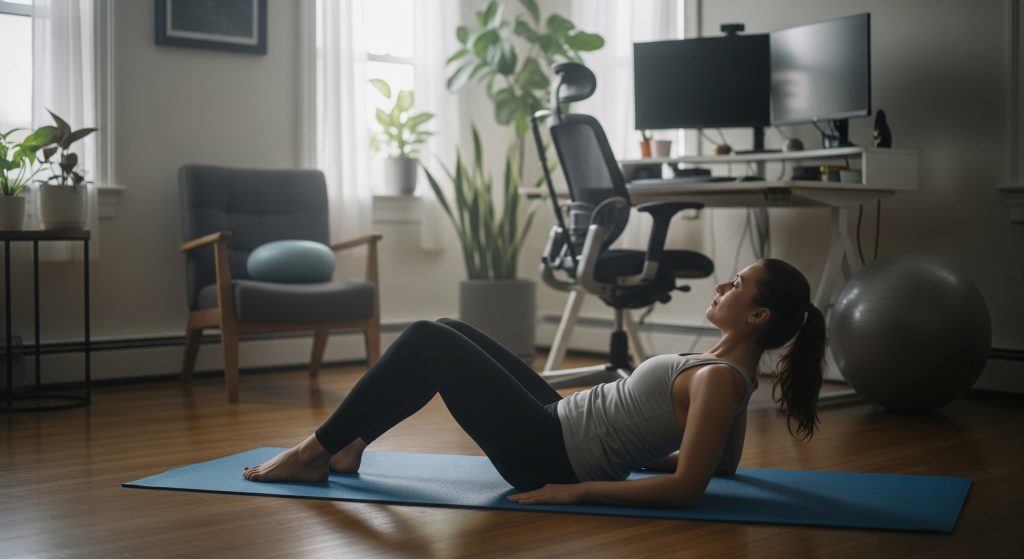
I use pelvic tilts to teach neutral spine. Lie on the back with knees bent and feet flat. Breathe out, then gently draw the pelvis toward the ribs. Flatten the lower back to the floor. Hold for three seconds and release to neutral. Repeat 10 to 12 times. These lordosis exercises look simple. They build precise control that later protects the lumbar spine.
-
Set: 2 to 3 sets of 10 to 12 reps.
-
Tempo: Slow on the tilt, slower on the release.
-
Focus: Do not clench the glutes hard. Use the lower abdominals.
2. Knee-to-Chest Stretches
This counters tightness after long sitting. Bring one knee toward the chest, hands on the shin. Hold for 20 to 30 seconds. Switch sides. Keep the pelvis level. I often pair this with pelvic tilts to balance mobility and control within the same set of lordosis exercises.
-
Sets: 2 holds per side.
-
Breathing: Slow nasal breathing to reduce bracing.
3. Cat-Cow Poses
I use Cat-Cow to explore spinal movement without compression. On hands and knees, arch the back gently, then round it. Move through comfortable ranges only. This builds awareness of flexion and extension, which helps refine lordosis exercises elsewhere in the routine.
-
Duration: 60 to 90 seconds of smooth repetitions.
-
Cue: Lead with breath. Inhale on extension, exhale on flexion.
4. Dead Bug Exercise
Dead Bug trains deep core control. Lie on the back, hips and knees at 90 degrees, arms up. Brace the abdomen lightly. Lower one arm and the opposite leg toward the floor. Keep the lower back stable. Return and switch. This is among the most effective lordosis exercises for reducing excessive anterior tilt.
-
Reps: 6 to 8 per side.
-
Sets: 2 to 3, with strict control.
-
Common error: Letting the ribs flare upward.
5. Bird Dog Position
Bird Dog reinforces posterior chain stability. Start on hands and knees. Extend one leg back and the opposite arm forward. Hold for three seconds. Keep the hips square. I often cue a small exhale to lock the ribs down. This steadies the spine during daily tasks and supports other lordosis exercises.
-
Reps: 6 to 8 holds per side.
-
Progression: Add a small elbow to knee touch under the body.
6. Hip Flexor Stretches
Tight hip flexors pull the pelvis forward. I teach a half-kneeling stretch. Tuck the pelvis under, then shift the hips forward. Keep the back glute engaged. You should feel the front of the hip. These work best when placed between lordosis exercises that require strong abdominal engagement.
-
Holds: 30 to 45 seconds per side.
-
Note: Avoid lumbar arching during the stretch.
7. Planks for Core Stability
Planks create endurance in the anterior core. Forearms on the floor, legs straight, ribs down, pelvis neutral. Hold a stable line from head to heel. I keep holds modest. Quality trumps bravado. Short, strict planks complement other lordosis exercises and reduce overextension habits.
-
Work: 20 to 30 seconds, 2 to 4 rounds.
-
Variation: Incline plank at a bench for beginners.
8. Wall Sits
Wall sits strengthen quads and teach neutral pelvis in weight bearing. Slide down a wall until knees are near 90 degrees. Press the lower back lightly to the wall without flattening aggressively. Hold steady. I pair them with pelvic tilts to reinforce position under load, which ties directly to practical lordosis exercises.
-
Holds: 20 to 40 seconds, 2 to 3 rounds.
-
Cue: Keep the ribcage stacked over the pelvis.
Creating Your Daily Lordosis Correction Routine
A workable plan is simple. It respects energy, time, and recovery. I keep the number of lordosis exercises small, then progress deliberately.
Morning Activation Sequence
I begin with low-intensity activation. The aim is gentle mobility plus core engagement. This prepares the spine for the day.
-
Pelvic Tilts: 2 sets of 10.
-
Cat-Cow: 60 seconds.
-
Dead Bug: 2 sets of 6 per side.
-
Hip Flexor Stretch: 30 seconds per side.
This sequence offers immediate posture feedback. It also anchors the habit. Over time, these lordosis exercises reduce morning stiffness and improve standing comfort.
Progression Guidelines by Age Group
|
Age Group |
Progression Focus |
|---|---|
|
Teens and early adults |
Technique first, then volume. Add Bird Dog and planks steadily. |
|
30s to 50s |
Balance strength and mobility. Add wall sits and load slowly. |
|
60+ |
Prioritise joint comfort and stability. Use incline planks and chair support. |
I adjust volume and hold times, but I keep the same core set of lordosis exercises. Consistency outperforms novelty.
Frequency and Duration Recommendations
I favour short daily work with one slightly longer session. A practical template follows.
-
Daily: 10 to 15 minutes of core and mobility.
-
Twice weekly: 20 to 25 minutes with extra sets.
-
Micro breaks: 60 seconds of pelvic tilts or hip flexor work after long sitting.
These are sustainable. They reduce barriers to action. The effect compounds when these lordosis exercises are performed on most days.
Tracking Your Posture Improvement
I measure what changes. Without measurement, progress is guesswork.
-
Mirror checks: Side view photo weekly under the same light.
-
Comfort metrics: Standing tolerance and end of day lower back feel.
-
Range markers: Dead Bug quality and hip flexor stretch angle.
Use a two-column log to record sessions and notes. Small improvements add up. 2 degrees less anterior tilt is meaningful. For posture, that is real progress.
Lumbar Lordosis Exercises for Specific Conditions
Context matters. I tailor lordosis exercises to each scenario. The principles are stable. The constraints change.
Exercises for Hyperlordosis
For hyperlordosis, I bias posterior tilt control and hip flexor length. The plan is precise and repeatable.
-
Pelvic Tilt Variations: Add a mini ball under the lower back for feedback.
-
Dead Bug: Shorter ranges to protect form.
-
Hip Flexor Stretch: Longer holds, gentle intensity.
-
Plank: Moderate holds to build endurance without flaring ribs.
These lumbar lordosis exercises help reduce excessive arching tendencies. They also restore a practical neutral.
Modified Movements for Pregnancy
During pregnancy, I avoid long supine work after the first trimester. I choose side lying and elevated positions. Pelvic tilts can be performed against a wall. Bird Dog remains safe with careful setup. Hip flexor stretches are kept modest. The aim is comfort, stability, and breathing control within well tolerated lordosis exercises.
Senior-Friendly Adaptations
For older adults, I emphasise fall safety and joint comfort. I use chair support for wall sits and a bench for incline planks. Cat-Cow can be done standing with hands on a table. Short, consistent sessions outperform long, infrequent efforts. This keeps lordosis exercises safe and effective.
Child-Safe Exercise Variations
With children, I frame drills as controlled games. Dead Bug becomes a slow reach to touch a target. Bird Dog includes a gentle balance challenge. Loads remain light. Technique is coached with simple cues. The goal is coordination and awareness rather than intensity. These are child appropriate lordosis exercises that build good habits early.
Complementary Lordosis Treatment Options
Exercises drive the change. Supportive measures remove daily triggers that reinforce poor posture. Together, they accelerate outcomes.
Ergonomic Workplace Adjustments
I audit the desk before adding complexity. A checklist helps.
-
Seat height: Hips level with or slightly above knees.
-
Lumbar support: Small cushion to encourage neutral, not a forced arch.
-
Screen height: Eye line at top third of the monitor.
-
Keyboard reach: Elbows near 90 degrees, shoulders relaxed.
Stand and move each hour. Two minutes is enough. Pair these breaks with quick lordosis exercises such as pelvic tilts or gentle hip flexor stretches.
Sleep Position Modifications
Sleep either on the side or back. For side sleeping, place a pillow between the knees. For back sleeping, a thin pillow under the knees helps reduce lumbar extension. Avoid thick stomach sleeping. It drives the lower back into arc. This complements targeted lordosis exercises by reducing nightly strain.
Supportive Equipment and Props
Small tools can enhance adherence. I use them sparingly.
-
Mini ball: Feedback for pelvic tilts and Dead Bug.
-
Yoga block: Knee support in hip flexor stretches.
-
Long resistance band: Gentle core activation and row patterns.
-
Lumbar roll: Temporary support when driving long distances.
Tools should not replace skill. They should reinforce neutral control learned through lordosis exercises.
When to Consult Professionals
I refer promptly when symptoms suggest more than positional stress. Red flags include persistent numbness, leg weakness, night pain, or bowel and bladder changes. A clinician can assess for structural causes and outline lordosis treatment options. Early review saves time and reduces worry.
Achieving Long-Term Posture Correction
Long term posture change rests on three pillars. First, steady practice of well selected lordosis exercises. Second, removal of daily triggers that push the pelvis forward. Third, progressive loading to make neutral resilient under real life demands. I layer these gradually so adaptation can occur without flare ups.
I also build a simple cycle. Six weeks of practice, one week of consolidation. Reassess photos and comfort metrics. Adjust the plan, not the goal. It is basically a training block with review. Boring works. That is the point.
-
Keep the core set of movements for at least six weeks.
-
Adjust sets or holds by small increments only.
-
Measure, reflect, and refine once per block.
This method reduces noise and encourages patience. Most people try to change too many variables. The body prefers consistency and clarity. Properly applied lordosis exercises offer both.
Quick Reference
|
Core daily set |
Pelvic Tilts, Dead Bug, Hip Flexor Stretch, Cat-Cow |
|
Hold or rep targets |
20 to 40 second holds, 6 to 12 reps |
|
Progress check |
Weekly photo, comfort score, range markers |
|
Supportive habits |
Hourly micro breaks, neutral-friendly sleep setup |
I have focused on how to correct lordosis posture using practical drills and small, repeatable wins. There are many lordosis treatment options and supportive strategies. The consistent thread is disciplined practice. Keep the plan simple and measurable. Then let time and good form do the work.
Frequently Asked Questions
How long does it take to correct lordosis posture with exercises?
Timelines vary. Many individuals report early relief in 2 to 4 weeks. Visible change in pelvic alignment often appears by 8 to 12 weeks. This assumes consistent lordosis exercises and supportive daily habits. Structural cases may require longer. Measurement and patient progression are decisive.
Can lordosis exercises completely reverse the condition?
In functional cases, meaningful correction is common. Complete reversal depends on tissue properties, history, and adherence. In structural cases, the aim shifts to symptom reduction and function. Well-designed lordosis exercises still improve comfort and capacity. Outcomes improve with sustained practice and sensible loading.
What are the warning signs to stop exercising?
Stop and seek review if pain radiates down the leg, numbness persists, or weakness develops. Night pain or loss of coordination warrants prompt assessment. Mild muscular fatigue is acceptable. Sharp, escalating, or lingering pain is not. Resume lordosis exercises only after clearance.
Should children perform the same lordosis exercises as adults?
Children can perform simplified variations under supervision. Keep ranges small and cues clear. Avoid long holds and heavy loads. Emphasise coordination and play. Adult programming may be excessive. The best plan uses child scaled lordosis exercises with gentle progressions.
How do I know if my lordosis is improving?
Look for changes in side profile photos, improved standing tolerance, and quieter lower back by day end. Movement quality in Dead Bug and Bird Dog also improves. Hip flexor stretch requires less tilt to achieve the same sensation. These reflect effective lordosis exercises and supportive habits.
Can yoga replace specific lumbar lordosis exercises?
Yoga offers valuable mobility and breath control. It can support posture goals. However, yoga alone may not replace targeted lumbar lordosis exercises focused on core endurance and pelvic control. The combination works well. Keep poses that maintain neutral and avoid deep uncontrolled extensions.

