






 We do what's right for you...


How Is Jaundice Spread Through India’s Populations: A Simple Explainer
Dr. Urvashi Gupta
Conventional advice says jaundice is only an individual problem of the liver. That view underestimates how jaundice spread through communities when water, sanitation, and healthcare systems falter. I will explain how jaundice spread through different settings in India, what to watch for, and how to protect households with practical, evidence aligned steps.
Primary Routes of Jaundice Transmission in India
1. Contaminated Water Sources
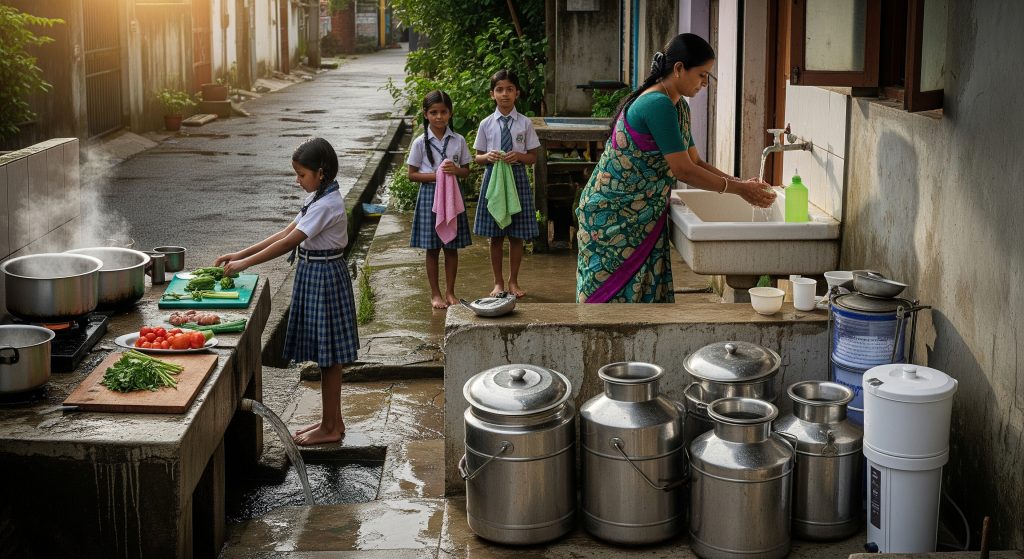
Water is often the first place I look when investigating how jaundice spread through a locality. Enteric hepatitis viruses, especially those that affect the liver acutely, travel wherever water quality collapses. As WHO reports, hepatitis E transmits through faecally contaminated drinking water and thrives where sanitation systems are weak. This is why a broken pipeline or flooded drain can trigger clusters across wards almost overnight.
Here is why it matters in practice. When municipal or tanker supply becomes intermittently available, storage hygiene degrades. Buckets are left uncovered. Filters are not serviced. In such conditions, jaundice spread through a neighbourhood can occur through every shared tap and container. The chain is simple and brutal. Contamination, consumption, illness.
-
Use point of use treatment consistently: boiling, chlorine tablets, or reliable filters.
-
Store treated water in covered, cleaned containers with a narrow mouth.
-
Separate drinking water from washing water to reduce accidental mixing.
The operational lesson is direct. Break the link between unsafe water and ingestion, and the probability of jaundice spread through a community drops sharply.
2. Unhygienic Food Preparation
Food handlers can convert a kitchen into an amplifier. I have observed this in street stalls and busy canteens alike. If hands are not washed with soap after using the toilet, contaminated fingers touch raw salad, ice, or chutneys. That is often how jaundice spread through markets or hostels that rely on common kitchens.
-
Cook food thoroughly and serve hot whenever possible.
-
Avoid raw cut fruit that has been sitting at room temperature.
-
Insist on utensil hygiene and clean cutting boards for raw produce.
One practical example is the seasonal sugarcane juice stand. The press looks clean but the wash water in the bucket is rarely changed. A single lapse there can fuel jaundice spread through several mohallas in a week.
3. Person-to-Person Contact
Direct contact matters, though less than water in many Indian outbreaks. Close household contact that involves shared utensils, poor hand hygiene, and inadequate toilet facilities can support jaundice spread through families. The mechanism is usually faecal oral with infected individuals shedding virus before symptoms peak.
What this means is straightforward. If someone is ill with fever, nausea, or early jaundice, family hygiene needs to tighten. Soap by the sink, separate towels, and careful handling of food go a long way. The aim is to cut the everyday behaviours that allow jaundice spread through an otherwise healthy household.
4. Blood and Body Fluid Exposure
Bloodborne routes require rigorous attention in clinics, dental rooms, and even informal cosmetic settings. Inadequate sterilisation of instruments allows bloodborne hepatitis viruses to travel. As National Guidelines: Infection Control in Healthcare Facilities emphasise, standard precautions such as hand hygiene, sharps safety, and safe handling of blood products are critical to prevent transmission. Where these fail, jaundice spread through healthcare networks can follow.
-
Demand sealed, single use needles and visible sterilisation of reusable tools.
-
For transfusions, ensure screened blood and documented cold chain integrity.
-
Avoid unlicensed clinics for injections, dental work, or IV drips.
A small clinic with high turnover and poor instrument processing is high risk. That is often where jaundice spread through multiple unrelated families appears without a water link.
5. Mother-to-Child Transmission
Maternal infection with certain hepatitis viruses can result in perinatal transmission. The risk varies by virus and the maternal viral load. Antenatal screening and peripartum prophylaxis reduce that risk. Without those safeguards, jaundice spread through newborn cohorts can occur, especially in facilities lacking protocol driven care.
For families, the operational step is simple. Ensure antenatal hepatitis screening, vaccination where applicable, and documented newborn prophylaxis at birth. The earlier the plan, the lower the risk.
6. Unsafe Medical Practices
Unsafe injections, tattooing with unsterile needles, and poor dialysis practices have an outsized effect. In resource constrained settings, single use becomes multiple use. Steriliser cycles are skipped. That is how jaundice spread through patient groups who visited the same operator on the same day.
-
Choose accredited facilities with audit trails for sterilisation and waste disposal.
-
For tattoos or piercings, ask to see needles opened from sealed packs.
-
For dialysis and chemotherapy, confirm infection control audits and staff training.
The healthcare rule is blunt. No shortcuts. When shortcuts appear, jaundice spread through the patient flow is a predictable outcome.
Recognising Jaundice Symptoms Across Age Groups
Early Warning Signs
Early changes often precede visible yellowing. I look for fatigue, low grade fever, nausea, and a sudden aversion to food. Dark urine and pale stools are classic. These are the cues that help interrupt how jaundice spread through households, because early isolation of utensils and improved hygiene can start immediately.
Physical Manifestations
The recognisable marker is yellow discolouration of the eyes and skin. It usually follows a few days of malaise. Right upper abdominal discomfort, pruritus, and joint aches may appear. In this stage, the person is symptomatic and resting. That pause should also slow potential jaundice spread through shared spaces, provided care is organised.
Behavioural Changes
Children may become irritable and less active. Adults may report brain fog or a desire to sleep early. These behavioural shifts are non specific, yet valuable. They trigger the hygiene pivot that limits how jaundice spread through a dormitory, hostel, or joint family kitchen.
Symptoms in Newborns
Neonatal jaundice is common, but the context matters. Persistent yellowing beyond expected timelines, poor feeding, or lethargy need rapid assessment. The goal is to spot exceptions early, so care begins before complications. It also reduces cross handling in maternity wards, which can limit how jaundice spread through neonatal units during seasonal peaks.
When to Seek Medical Help
Seek care if there is visible jaundice, persistent vomiting, confusion, bleeding, or severe abdominal pain. High fever with jaundice, very dark urine, or rapid deterioration demands urgent evaluation. Timely care shortens illness and reduces opportunities for jaundice spread through a workplace or school because isolation decisions become clear.
Common Jaundice Causes and Risk Factors
Viral Hepatitis Types
Hepatitis A and E often move with water and food. Hepatitis B and C move with blood and body fluids. This split explains many outbreaks. Where drains overflow, I suspect A or E. Where injection practices look unsafe, I consider B or C. Understanding these pathways clarifies how jaundice spread through one ward while a neighbouring ward remained stable.
-
Enteric viruses: frequent in monsoon and post flooding periods.
-
Bloodborne viruses: linked to healthcare lapses or unsafe cosmetic procedures.
This mental model helps prioritise responses quickly. It saves time and, to an extent, hospital beds.
Environmental Risk Factors
Poor sanitation, intermittent water supply, open defecation, and uncollected waste support enteric transmission. Crowded housing and limited kitchen space increase contact rates. Hot weather worsens storage risks. Under these conditions, it is unsurprising when jaundice spread through multiple streets over a fortnight.
-
Improve water storage practices during outages.
-
Maintain wet and dry waste separation to reduce vectors.
-
Promote functional toilet access and soap availability.
Pre-existing Health Conditions
Liver disease and haemolytic disorders raise risk. As Mayo Clinic notes, elevated bilirubin can arise from liver dysfunction or increased red cell destruction, which can heighten susceptibility and severity. Alcoholic liver disease, autoimmune hepatitis, and metabolic conditions worsen outcomes. In infants, haemolysis or infection can make jaundice severe.
These conditions do not change how jaundice spread through a community. They do change how hard it hits an individual. I treat such patients as priority candidates for immunisation and early support. That approach reduces complications and, arguably, hospital load when outbreaks occur.
Seasonal Patterns in India
Cases rise around monsoon and after local flooding. Water contamination becomes more likely, and storage becomes harder. This is when I expect higher risk of jaundice spread through urban clusters that rely on stretched municipal systems. Rural areas face similar risks when surface water intrudes on wells.
-
Pre monsoon maintenance of tanks, filters, and drains matters.
-
Post flood chlorination and boiling advisories need swift rollout.
Seasonality is not destiny. Preparedness narrows the window for transmission.
Jaundice Treatment and Prevention Strategies
Medical Treatment Options
Care depends on cause and severity. Supportive care focuses on hydration, nutrition, and symptom relief. Some viral hepatitis cases require monitoring for complications rather than specific antivirals. Chronic hepatitis B or C may need specialist regimens. Early medical advice prevents deterioration that might otherwise keep jaundice spread through care facilities if patients cycle across clinics seeking answers.
|
Issue |
Typical Clinical Response |
|---|---|
|
Acute viral hepatitis |
Rest, fluids, liver function monitoring, avoid hepatotoxic drugs |
|
Cholestatic features |
Pruritus management, imaging to rule out obstruction |
|
Dehydration |
Oral rehydration or IV fluids if oral intake is poor |
|
Chronic hepatitis |
Specialist referral, antiviral consideration, fibrosis assessment |
Precise treatment plans reduce complications. They also reduce unnecessary contact events that can facilitate how jaundice spread through clinics with crowded waiting rooms.
Home Care Guidelines
Rest, small frequent meals, and adequate fluids are the baseline. Avoid alcohol completely. Review all medications with a clinician to avoid liver stress. Family members should not share towels, razors, or toothbrushes. These simple measures quietly reduce how jaundice spread through a household and protect caregivers.
-
Hand hygiene before meals and after toilet use is non negotiable.
-
Disinfect frequently touched surfaces daily during the illness phase.
-
Use dedicated utensils for the patient and wash them with hot water.
Vaccination Schedules
Hepatitis A and B vaccines are effective and widely recommended in risk settings. Many infants receive hepatitis B in the national schedule. Adults with risk factors should discuss catch up doses before travel or during outbreaks. Immunisation changes the odds directly. It reduces personal risk and, by extension, narrows how jaundice spread through unvaccinated clusters.
-
Hepatitis B: birth dose for infants, standard series for unvaccinated adults.
-
Hepatitis A: recommended for children in some programmes and for adults at risk.
Vaccine access is a structural shield. It pays off during seasonal spikes.
Sanitation Best Practices
Sanitation is the system fix. Toilets that work, drains that carry waste away, and handwashing stations that never run dry. These are the core defences. When these fail, jaundice spread through wards can accelerate despite individual vigilance.
-
Ensure functional toilets with regular cleaning and supply of soap.
-
Maintain drainage to prevent stagnant water near habitations.
-
Protect water points from surface runoff and sewage ingress.
Infrastructure is prevention. It is basically the vaccine for the environment.
Community Prevention Measures
Community kitchens, schools, and workplaces need standard protocols. The playbook is simple and effective. Safe water, safe food, sick leave that encourages rest, and basic surveillance for clusters. When these operate together, they blunt how jaundice spread through compact social networks.
-
Designate a hygiene lead who checks soap, water, and cleaning rosters.
-
Publish a one page food and water safety checklist in kitchens.
-
Encourage staff to report early symptoms without penalty.
-
Trigger immediate cleaning and water testing when two or more cases appear.
It sounds procedural. It works because it is procedural.
Protecting Your Family from Jaundice
My family checklist is pragmatic. It focuses on actions that block how jaundice spread through daily routines. Boil drinking water during outages. Wash hands with soap for at least 20 seconds before meals and after toilet use. Keep raw and cooked foods separate on different boards. Use separate towels and do not share razors. Plan vaccinations, especially if there are elderly members or chronic liver disease in the household.
Two brief examples illustrate the approach. A joint family in a two room flat adopted separate water bottles and one labelled utensil set for the ill member. No one else fell ill. A college hostel switched to chlorinated water for two weeks during repairs and scheduled twice daily kitchen cleaning. The suspected cluster ended there. Small systems, large payoff.
If there is an active case at home, assign a primary caregiver and simplify the contact network. That alone reduces how jaundice spread through a large household where everyone wants to help. Rotate the role only if necessary and document any symptoms in others for early review.
Finally, encourage rest without stigma. Presenteeism during suspected viral illness keeps the chain alive. A single day at home with organised care can prevent a week of spread across a team or class.
Frequently Asked Questions
Can jaundice spread through air or breathing?
No. Jaundice is not an airborne disease. It does not transmit through normal breathing. The phrase jaundice spread through air is a misunderstanding. Enteric viruses primarily move via contaminated water or food. Bloodborne viruses require blood or body fluid exposure. Good ventilation does not hurt, but water, hygiene, and safe medical practice matter more.
Is jaundice contagious between family members?
It can be, depending on the cause. Enteric hepatitis can pass within households through shared food and poor toilet hygiene. That is how jaundice spread through families during seasonal peaks. Use separate towels and utensils. Enforce handwashing. Clean bathrooms daily. Bloodborne hepatitis requires blood or body fluid contact, so do not share razors or toothbrushes.
How long does jaundice remain infectious?
Infectious periods vary by virus and clinical phase. Many enteric cases are most infectious around the onset of symptoms and shortly after. Bloodborne infections can remain infectious for longer. This variability is why I advise strict hygiene until a clinician confirms recovery. That approach minimises how jaundice spread through a household during convalescence.
Can you get jaundice twice?
Yes. Jaundice is a sign, not a single disease. Different causes can lead to repeated episodes. One may recover from one viral type yet later acquire another. Alcoholic hepatitis or gallstone obstruction can also cause jaundice again. The prevention response should match the suspected cause. That precision reduces how jaundice spread through contacts and also reduces recurrence.
Is jaundice more dangerous for certain age groups?
Yes. Very young infants, the elderly, pregnant women, and those with chronic liver disease face higher risk. Severity can escalate faster in these groups. Early evaluation and targeted support are crucial. That attention does not change how jaundice spread through communities, but it reduces bad outcomes for those most at risk.
What foods should be avoided during jaundice?
Avoid alcohol, very oily or spicy foods, and raw or undercooked items from uncertain sources. Focus on light, balanced meals with adequate fluids. Food safety is as important as nutrition. It lowers the chance of repeated exposure and interrupts how jaundice spread through shared kitchens or canteens.
How effective are jaundice vaccines in preventing spread?
Hepatitis A and B vaccines are effective at reducing individual risk and community transmission. Protection depends on completing the schedule. When coverage improves, fewer people fall ill, and outbreaks shrink. That is the structural way to limit how jaundice spread through schools, workplaces, and extended families.
Quick Reference: Signs, Causes, and Care
|
jaundice symptoms |
Fatigue, nausea, dark urine, pale stools, yellow eyes and skin |
|
jaundice causes |
Viral hepatitis, alcohol related liver injury, haemolysis, bile duct obstruction |
|
jaundice treatment |
Supportive care, hydration, cause specific therapy, strict hygiene, follow up tests |
Operational Playbook to Reduce Transmission
-
Water integrity
-
Boil or chlorinate during outages or alerts.
-
Service filters and clean storage weekly.
-
-
Food safety
-
Serve hot. Avoid raw salads from unknown vendors.
-
Use separate boards for raw and cooked foods.
-
-
Healthcare vigilance
-
Insist on single use needles and visible sterilisation.
-
Choose accredited centres for procedures.
-
-
Household protocols
-
Dedicated utensils and towels for the ill member.
-
Soap and surface disinfection routines, twice daily during illness.
-
-
Workplace safeguards
-
Sick leave without penalty to prevent presenteeism.
-
Immediate cleaning and communication if cases appear.
-
These steps reduce risk quickly. They also calm uncertainty when neighbours worry about how jaundice spread through their street.
Two Short Scenarios
A factory canteen replaced raw salads with cooked vegetables for four weeks, added soap at two new sinks, and trained staff for 30 minutes. No new cases appeared after day five.
A coaching hostel moved to boiled water, labelled bottles, and separate serving spoons for the sick. Secondary cases fell to zero in one week.
Small, specific, and enforceable actions make the difference. Not slogans.
Key Takeaways
-
Water and sanitation drive most community clusters, especially during monsoon.
-
Unsafe medical and cosmetic procedures enable silent bloodborne spread.
-
Early symptom recognition and disciplined home care cut household transmission.
-
Vaccination is a durable shield and a community level advantage.
-
Clear protocols at home, work, and school stop chains before they grow.
If the question is how jaundice spread through Indian populations, the answer is rarely mysterious. It is mostly infrastructure, hygiene, and procedure. Fix those, and transmission struggles to find a path.

