






 We do what's right for you...


Home Remedies for Stomach Ulcers: Natural Ways to Heal
Dr. Urvashi Gupta
Conventional advice often stops at antacids and a bland diet. That is only part of the solution. With careful choices, home remedies for stomach ulcers can support healing and comfort, especially when paired with medical care. I will outline the best-evidenced options, the foods that make symptoms flare, and practical habits that protect the stomach lining. No fads. Just rigorous, calm guidance.
Effective Home Remedies for Stomach Ulcers
Cabbage Juice for Ulcer Healing
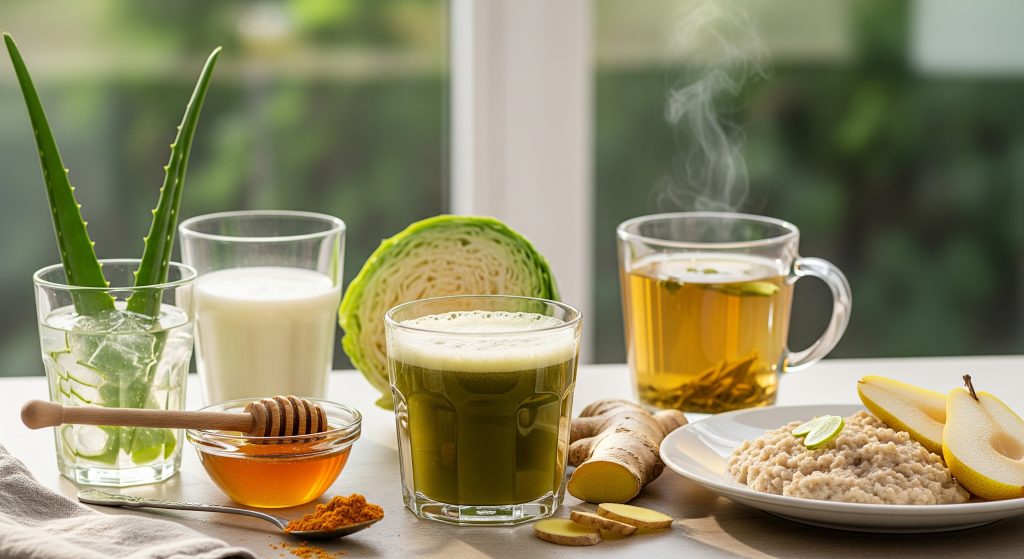
Fresh cabbage juice has a long history in ulcer care. The appeal is simple. It supplies compounds that help the mucosa recover and may limit harmful bacteria. As Europe PMC documents, a 1940s clinical series reported average healing times of about 7.3 days for gastric ulcers and 10.4 days for duodenal ulcers in patients drinking cabbage juice, which was notably faster than standard care of the time. The methods were not modern. Still, the signal is difficult to ignore.
There is also a plausible mechanism. As Medical News Today explains, vitamin C and sulforaphane may help against Helicobacter pylori and inflammation. Older texts called one component vitamin U. The term is outdated, but the mucosa-supporting idea persists. I advise 120 to 180 ml of fresh juice once daily for a short trial. Monitor symptoms and stop if bloating or gas worsens.
Used well, cabbage juice can sit alongside other home remedies for stomach ulcers. It is not a replacement for H. pylori testing or prescribed therapy. It is an adjunct, and a careful one.
Raw Honey and Manuka Honey
Raw honey coats and soothes. Manuka honey adds robust antibacterial activity due to methylglyoxal. This is helpful when ulcers feel raw after meals. I suggest one to two teaspoons on plain yoghurt or dissolved in warm water. Not boiling hot, to preserve enzymes.
The benefit is twofold: a gentle barrier effect and potential suppression of H. pylori growth, at least to an extent. Honey is sugar dense, so keep portions modest. Those with diabetes should monitor glucose closely. Combined with other home remedies for stomach ulcers, honey is a calm, simple addition that many tolerate well.
Turmeric and Curcumin
Curcumin is anti-inflammatory and antioxidant. In ulcer care, that translates into less irritation and possibly improved mucosal recovery. Use standardised curcumin with piperine for absorption, or cook with turmeric plus a little black pepper and oil.
A practical pattern: 500 mg curcumin once daily with food for two to four weeks. Evidence is evolving, but clinical experience suggests symptom relief in a subset of patients. Caution in those on blood thinners. This is one of the home remedies for stomach ulcers that fits readily into meals, not just capsules.
Aloe Vera Gel
Food-grade aloe vera gel can calm the upper gut. It has demulcent properties that lightly coat the stomach lining. I prefer small servings, such as 30 to 50 ml diluted in water after meals.
Quality matters here. Choose a decolourised, purified product to limit anthraquinones that can cause diarrhoea. Pairing aloe with other home remedies for stomach ulcers, like yoghurt or porridge, can help tolerance. Discontinue if cramping occurs.
Probiotic-Rich Foods
Probiotics support a balanced microbiome and may reduce H. pylori load. As Mayo Clinic outlines, fermented foods such as kefir and live yoghurt provide diverse cultures that reinforce the gut barrier and can temper inflammation. This is practical, daily medicine from the fridge.
I recommend one small serving of kefir or live yoghurt with lunch, then assess tolerance. Those with lactose sensitivity can consider lactose-free kefir or fermented soy alternatives. Probiotics work slowly. Think weeks, not days. Combine with other home remedies for stomach ulcers to create a steady baseline of support.
Liquorice Root Extract
Deglycyrrhizinated liquorice (DGL) is the preferred form. Removing glycyrrhizin reduces risks like raised blood pressure. DGL can stimulate mucus production and ease irritation.
Typical use involves chewable tablets before meals. This promotes saliva mixing, which seems to boost the protective effect. Those with hypertension or kidney disease should seek advice first. When people ask for discreet home remedies for stomach ulcers during travel, DGL often tops the list due to its portability.
Green Tea Benefits
Green tea contains catechins that may inhibit H. pylori growth and reduce oxidative stress. Brew it mild to limit acidity, and avoid empty stomach consumption if it triggers discomfort.
One to two cups per day is adequate. Replace strong black tea or multiple coffees with green tea to lower irritants while keeping a comforting routine. It is not the strongest of the home remedies for stomach ulcers, but it contributes quietly.
Garlic and Ginger Combination
Garlic shows antimicrobial potential against H. pylori in laboratory settings. Ginger is anti-inflammatory and supports gastric motility. Together they complement meals without heavy spice load.
Use gently cooked garlic and fresh ginger shavings in soups or congee. Raw garlic can be too harsh for active ulcers. I often pair this duo with soft, low-acid meals. Small actions, steady gains. That is the ethos behind sustainable home remedies for stomach ulcers.
Foods to Avoid with Stomach Ulcers
Spicy and Hot Foods
Chilli-heavy dishes and hot sauces can amplify burning pain and delay symptom settling. Capsaicin may sensitise already inflamed tissue. Some adapt with time, but during a flare, avoidance is prudent.
-
Examples: vindaloo, chilli oil noodles, extra-hot salsas.
-
Choose mild aromatics instead: parsley, basil, dill.
Citrus Fruits and Acidic Foods
Citrus juices and acidic condiments can sting the ulcer surface. This is especially true on an empty stomach. Dilution helps, but during healing, choose lower acid fruit.
|
Acidic item |
Gentler swap |
|---|---|
|
Orange or grapefruit juice |
Ripe melon or pear |
|
Vinegar-heavy dressings |
Olive oil with herbs |
Coffee and Caffeinated Beverages
Caffeine can increase gastric acid secretion and speed gut motility. Both aggravate pain in many patients. Even decaf coffee may irritate due to other compounds.
Trial a two-week coffee holiday. Replace with mild green tea or roasted barley tea. Reintroduce later if symptoms remain quiet. This is one of the simplest foods to avoid with stomach ulcers during acute phases.
Alcohol and Carbonated Drinks
Alcohol thins the protective mucus layer and can inflame tissue directly. Carbonation expands the stomach and can worsen reflux, which often coexists with ulcers.
Abstinence until symptoms stabilise is sensible. If resuming, limit to small amounts with food. Sparkling water can be replaced with still mineral water during healing.
Processed and Fried Foods
Highly processed snacks and deep-fried items are harder to digest and may delay gastric emptying. That prolongs acid contact with the ulcer surface.
-
Skip: crisps, fried chicken, heavy pastries.
-
Choose: baked fish, steamed grains, soft vegetables.
Tomato-Based Products
Tomatoes are acidic and concentrated forms, like passata or ketchup, can provoke pain. Many report a clear pattern after pizza, pasta sauces, or shakshuka.
Switch to cream-free, vegetable-based sauces with herbs. Reintroduce tomato in small amounts once comfortable. Recording reactions in a brief log helps refine the foods to avoid with stomach ulcers for your context.
How to Reduce Stomach Acid Naturally
Alkaline Foods for pH Balance
Strict alkalising diets are overstated. Yet, choosing less acidic foods can reduce symptom triggers. Focus on bananas, oats, tofu, and steamed greens.
-
Pair protein with fibre to steady emptying.
-
Use olive oil rather than creamy sauces.
These adjustments show how to reduce stomach acid naturally while keeping meals satisfying.
Meal Timing and Portion Control
Large meals distend the stomach and ramp up acid. Smaller, evenly spaced meals limit exposure. I advise three modest meals and one light snack.
Avoid lying down for two to three hours after eating. This single habit can reduce nightly discomfort. It is basic. It works.
Herbal Teas for Acid Reduction
Chamomile, marshmallow root, and slippery elm are demulcent or calming. They do not neutralise acid like antacids, but they soothe.
Prepare weak infusions first to check tolerance. Avoid peppermint if reflux is active, as it can relax the lower oesophageal sphincter. This is a gentle route for how to reduce stomach acid naturally without medication.
Apple Cider Vinegar Method
Some report relief with diluted apple cider vinegar. The theory is that improved gastric acid signalling can reduce rebound secretion later. Evidence is mixed.
If you wish to test it, use one teaspoon in a large glass of water with food. Discontinue if burning increases. This approach does not suit everyone.
Baking Soda Solution
Sodium bicarbonate neutralises acid rapidly. It is a short-term option, not a daily routine. Overuse can disturb electrolytes.
Use only occasional, small amounts in water. Those with high blood pressure should avoid frequent use due to sodium content. For sustained care, choose other methods.
Chewing Habits and Digestion
Thorough chewing reduces the workload on the stomach. It also mixes food with saliva, which buffers acidity slightly.
-
Set the fork down between bites.
-
Stop at comfortable fullness rather than capacity.
Simple discipline. Significant gain. This is the quiet side of how to reduce stomach acid naturally.
Lifestyle Modifications for Ulcer Management
Stress Reduction Techniques
Stress does not cause most ulcers, but it worsens symptoms and slows recovery. Short, daily practices work best.
-
Breathing drills: 4-4-6 pattern for five minutes.
-
Brief body scan before sleep to relax the abdomen.
Calm physiology supports mucosal healing. The effect is small per day, and large over weeks.
Sleep Position Adjustments
Sleeping on the left side may reduce night-time reflux. A slight head-of-bed elevation also helps keep acid below the oesophagus.
Avoid large late meals. Combine position and timing for compounding benefit. Night pain often improves with this pairing.
Exercise and Physical Activity
Moderate activity improves motility and mood. Choose low-impact sessions while symptoms are active.
-
Options: walking, gentle cycling, mobility work.
-
Avoid heavy core strain right after meals.
Consistency over intensity. That is how exercise supports other home remedies for stomach ulcers.
Smoking Cessation Benefits
Smoking impairs blood flow to the gastric lining and hinders ulcer healing. It also increases relapse.
If cessation is challenging, reduce while seeking structured support. Even partial reduction can aid recovery. The benefits accumulate quickly.
Hydration Guidelines
Hydration supports mucus production and digestion. Aim for steady sips through the day rather than large gulps with meals.
Plain water, weak herbal teas, and diluted non-citrus juices are appropriate. Very cold or highly carbonated drinks can aggravate discomfort.
Taking Control of Ulcer Healing Naturally
Ulcer care benefits from a layered plan. Combine targeted foods, gentle supplements, symptom-aware habits, and appropriate medical oversight. That is the practical core of home remedies for stomach ulcers. Map a two to four week protocol, observe responses, and adjust. If symptoms persist or worsen, escalate to formal testing for H. pylori and a review of medications.
A sample routine might look like this: a kefir breakfast with oats, a mid-morning chamomile tea, a soft lunch with cooked greens and ginger, a late afternoon walk, and a light dinner without tomato or chilli. Add cabbage juice or DGL if tolerated. It is basically a calm routine, repeated daily. And yet, small frictions matter. Remove what flares pain. Keep what soothes. Healing favours consistency.
Above all, keep perspective. Home remedies for stomach ulcers provide support, not miracles. The body does the healing. Give it conditions to do so.
Frequently Asked Questions
How long do home remedies take to heal stomach ulcers?
Timeframes vary by cause and severity. Mild cases may settle in several weeks with a consistent plan. If H. pylori is present, medical therapy is usually needed for full resolution. Home remedies for stomach ulcers assist during and after treatment.
Can stomach ulcers heal completely without medication?
Some non-H. pylori, non-drug ulcers can heal with diet and lifestyle changes. However, H. pylori related ulcers typically require antibiotics. Recurrence risk remains without addressing the cause. Use home remedies for stomach ulcers as supportive measures.
Which home remedy works fastest for ulcer pain relief?
Short-term relief often comes from a warm demulcent tea or a small DGL dose before meals. Baking soda works quickly but should be occasional. Cabbage juice and probiotics need time. Rapid is not always better for lasting results.
Are home remedies safe alongside prescribed ulcer medications?
Generally yes, with thoughtful selection. Avoid liquorice with blood pressure issues unless using DGL. Space probiotics two hours from antibiotics if prescribed. Share your regimen with a clinician. The goal is synergy, not overlap.
What are the warning signs that home remedies aren’t working?
Red flags include persistent or worsening pain, black stools, vomiting blood, unexplained weight loss, and severe night pain. These require prompt medical review. Pause supplements until evaluated. Safety first, always.
Can children use these home remedies for stomach ulcers?
Children require paediatric assessment before any regimen. Some options, like honey for those over one year, can be safe. Others need caution or avoidance. Seek tailored medical advice. Do not self-manage suspected ulcers in children.

