






 We do what's right for you...


Hernia Repair Surgery: Understanding Costs, Risks and Recovery
Common advice reduces Hernia Repair Surgery to a quick fix and a weekend off work. That view is tidy and often wrong. Technique choice, facility type, and your health profile change both outcomes and the bill. This guide sets clear expectations on costs, risk, and the real hernia surgery recovery time, so you can make a measured decision with your consultant.
Types and Costs of Hernia Repair Surgery
1. Open Hernia Repair
Open approaches remain widely used for inguinal hernia repair and several ventral defects. Costs are often lower than minimally invasive options, though not universally so. As PMC reports, median total costs for open inguinal procedures were about $3,207 compared with $3,724 for laparoscopic methods, with similar clinical efficacy in many cases. That price signal is strong, but context matters.
Some ventral cases flip the script. In a contemporary analysis, robot-assisted ventral repairs showed lower average total costs than open repairs, suggesting technique economics vary by hernia type and workflow. As PubMed notes, modern robotic pathways can be financially viable when the perioperative process is efficient.
-
Strengths: widely available, familiar technique, often lower sticker price for groin repairs.
-
Limitations: larger incision, higher early discomfort, and longer visible scar.
In practice, open repair is a dependable default when anatomy is straightforward or when prior mesh complicates planes. But still, value depends on your case mix and your surgeon’s outcomes.
2. Laparoscopic Surgery
Laparoscopic hernia surgery trades larger incisions for several small ports. That usually means quicker return to function and less early pain. As PubMed summarises, recurrence rates are similar to open repair while postoperative complications are lower and normal activities resume sooner, though operative time is often longer.
Costs trend higher up front. As PMC details, median hospital costs run higher than open repair for unilateral groin hernias, while bilateral cases narrow the gap. Out-of-pocket ranges also reflect this premium. As GoodRx indicates, laparoscopic hernia surgery often falls between $4,000 and $11,000 before insurance adjustments.
-
Strengths: less pain, faster functional recovery, fewer wound issues.
-
Limitations: higher initial cost, longer anaesthesia time in some cases, not ideal for all anatomies.
For many active adults, the faster return makes the higher price acceptable. Your workload and sick leave policy can tilt the decision.
3. Robotic-Assisted Surgery
Robotic systems refine instrument articulation and visualisation. For complex ventral or incisional hernias, that added dexterity can help. As PMC notes, procedural costs can be comparable to laparoscopy in specific cohorts, with shorter average stays and fewer readmissions in some series. Other analyses suggest higher costs for inguinal cases due to instrument and time overheads. As PubMed reports, outcomes are comparable to laparoscopy but costs are typically higher.
For clarity, both robotic and laparoscopic methods are effective. As TorranceHerniaCenter outlines, laparoscopy tends to be cheaper with shorter operative times, while robotics may offer precision advantages in demanding reconstructions.
-
Best used when reconstruction is technically challenging or prior repairs distorted anatomy.
-
Expect a price premium in many centres, though efficiency gains may offset some costs.
Insurance vs Out-of-Pocket Costs
Hernia Repair Surgery pricing has three parts: professional fees, facility fees, and anaesthesia. Without cover, cash prices in the United States often range from $4,000 to $11,000 depending on technique and complexity. As Mayo Clinic notes, facility type and geography drive much of the variation.
Medicare and most insurers cover medically necessary repairs with standard deductibles and co-insurance. As MedicalNewsToday explains, Medicare covers hernia surgery when indicated, though you should confirm plan details, pre-authorisations, and post-operative benefits.
For context on financial strain in lower cover settings, as PMC highlights, out-of-pocket payments for surgery can exceed 10% of monthly income and trigger indirect costs from time off work. The principle stands: verify benefits, request a written estimate, and ask for surgical setting options.
Cost Variations by Facility Type
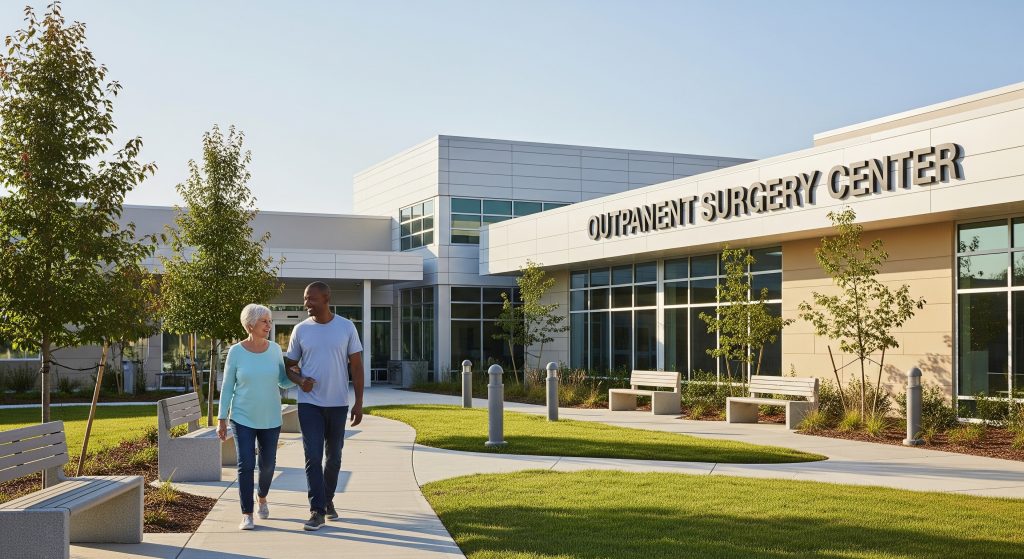
Facility choice is one of the quickest levers on price. Outpatient surgery centres usually undercut full-service hospitals while maintaining safe care pathways. As PMC reports, outpatient hernia pathways show favourable economics and lower complication rates compared with inpatient care in analysed cohorts.
In the US, open facility pricing demonstrates the point. As NTX Surgical notes, some centres publicly list bundled hernia pricing around the mid $3,000s, which is significantly below many hospital quotes.
|
Facility type |
Typical impact on cost |
|---|---|
|
Hospital inpatient |
Highest due to bed charges and overhead |
|
Hospital outpatient |
Moderate, variable by contract |
|
Ambulatory surgery centre |
Often lowest with bundled fees |
If you are medically suitable, an ambulatory centre can deliver value without compromising standards. Ask whether your case qualifies.
Geographic Price Differences
Prices differ by region due to labour markets, payer contracts, and surgical setting norms. As Sidecar Health reports, average cash prices for inguinal repairs vary substantially, ranging from about $5,067 in Arkansas to nearly $9,843 in Alaska.
Utilisation patterns also shift costs. As PubMed observed in a Medicare analysis, inpatient hernia repairs were roughly 56% more expensive than outpatient procedures, and outpatient rates varied widely by state. What this means: location and setting are intertwined drivers of your final bill.
Surgical Risks and Complications
Common Immediate Complications
Early complications are uncommon but real. Infection, seroma or haematoma formation, urinary retention, and neuralgia can occur. As UpToDate notes, postoperative complications after groin repair occur in roughly 3-8% of cases, with higher risk in emergencies.
Open repair shares a similar profile with bleeding and recurrence among the listed risks. As MedStar Health explains, these events are uncommon in standard practice but warrant discussion during consent.
Early wound issues usually declare themselves in the first 7 days. Swift review prevents small problems becoming persistent ones.
Long-Term Risk Factors
Chronic pain, recurrence, and mesh-related symptoms represent longer horizon concerns. As PMC reports, roughly 31% of patients in one series described some pain two to three years post repair, with higher preoperative pain and younger age as predictors.
Broader surgical data reinforce common risk amplifiers. As PMC notes, age, comorbidities, and procedure type shape postoperative complications. BMI and longer operative duration also correlate with persistent pain after inguinal hernia repair, as The Journal of Pain summarises.
Mitigation is practical: good perioperative pain control, glycaemic control for diabetes, weight management, and careful technique selection. It is basically a bundle, not a single fix.
When Emergency Surgery is Needed
Two red flags drive urgency: incarceration and strangulation. Severe pain, a tender irreducible lump, skin discolouration, fever, or vomiting suggests compromised blood flow. As Mayo Clinic outlines, these signs warrant immediate assessment.
Delays increase risk. As PMC reports, emergency surgeries carry higher complication rates around 12.3% and mortality near 2.3% in analysed groups. The take-away is clear. Seek urgent care if the bulge becomes acutely painful or stuck.
A strangulated hernia is life-threatening due to tissue ischaemia. As Cleveland Clinic states, immediate operation prevents tissue death and systemic illness.
Age and Health-Related Risks
Older adults and those with frailty, COPD, diabetes, or obesity face higher risk. Physiological reserve matters. Optimising comorbidities reduces complications to an extent, though not without exceptions. Shared planning with your anaesthetist and surgeon helps match the setting to your risk profile.
Recovery Timeline and Process
First 24-48 Hours Post-Surgery
The first two days set the tone for healing. Gentle mobilisation, leg pumps, and short walks reduce clots and stiffness. As MyHealth Alberta advises, daily walking helps prevent pneumonia and constipation, with meaningful recovery often starting within a week.
Use ice packs in the first day and take prescribed analgesia on schedule. As Hernia Specialists recommends, avoid prolonged bed rest and resume light activities early.
Diet should be simple and fibre aware to avoid straining. As Cleveland Clinic notes, early constipation prevention supports comfort and wound protection.
Week 1-2 Recovery Milestones
By day two, most patients walk comfortably around the house and outdoors in short intervals. As TorranceHerniaCenter outlines, gradual increases are expected across the first fortnight.
Rest, wound care, and light chores are typical in week one. As Mission Surgical notes, many resume routine activities by weeks two to three while still avoiding heavy lifting.
Return to work depends on role. As MyHealth Alberta adds, some office workers return within 1 to 2 weeks if pain is controlled and energy is stable. Hydration and a balanced diet remain essential.
Returning to Normal Activities
Desk work often resumes within 1 to 2 weeks, while manual roles may need 4 to 6 weeks. As Mission Surgical explains, individual variation is meaningful and technique matters. Laparoscopy typically shortens the curve. The term hernia surgery recovery time is a range, not a single date.
-
Walking: day 1-2, gradually longer walks.
-
Light cycling or gentle yoga: usually after week 2, if pain free.
-
Heavy lifting: generally avoid for 4-6 weeks or until cleared.
When uncertain, use a simple rule. If an action spikes pain or tugs the wound, pause and retry later.
Managing Pain and Discomfort
Expect incisional soreness and deep ache for several days. Multimodal analgesia reduces opioid needs and speeds mobilisation. As StatPearls describes, combining paracetamol, NSAIDs, and local anaesthetic techniques is current best practice.
Non-drug strategies help. As HerniaInfo suggests, gradual mobility, icing, and self-splinting while coughing improve control and confidence.
A minority develop persistent pain. As PMC notes, chronic groin pain after inguinal hernia repair occurs in roughly 8-16%. Escalation options include nerve blocks and, in selected cases, revision.
Physical Therapy Requirements
Formal physiotherapy is not mandatory for every patient, but it is valuable after complex reconstructions. As Lifetime Surgical explains, structured progression restores core mechanics and reduces recurrence risk.
-
Phase 1: breathing, posture, pelvic floor activation.
-
Phase 2: gentle core bracing, hip hinge training, light carries.
-
Phase 3: progressive load and sport-specific drills.
For athletes with a prior sports hernia, staged protocols emphasise movement quality and gradual loading. As Mass General provides, progression hinges on pain-free milestones and proper mechanics.
Dietary Restrictions and Guidelines
There is no single hernia diet, but there are smart defaults that work. Emphasise lean protein, fibre, and hydration to support tissue repair and bowel regularity. As GoodRx notes, protein from fish, tofu, and poultry plus fibre from whole grains and vegetables prevents constipation.
Simple, smaller meals minimise reflux and bloating. As North Texas Surgical Specialists adds, avoid highly processed, greasy, or very spicy foods in early recovery.
After hiatal work, staged textures may be needed. As HJE explains, start with clear liquids, then soft foods, and advance as tolerated to protect comfort and healing.
Long-Term Outcomes and Prevention
Success Rates by Surgery Type
Repair success is high across techniques when done by experienced surgeons. Open mesh repairs show strong long-term durability. As PMC reports, about 94.5% remained recurrence-free at ten years in one cohort, though some experienced chronic discomfort.
Comparative data show trade-offs. As JAMA Network notes, laparoscopic groin repairs can show higher recurrence in some datasets but less postoperative pain and faster recovery. Technique selection should reflect anatomy, surgeon expertise, and your priorities.
Recurrence Prevention Strategies
-
Protect the wound from strain in the first 6 weeks.
-
Use proper lifting mechanics and avoid constipation.
-
Treat chronic cough and manage allergies to limit repetitive pressure.
-
Decrease excess body weight to reduce abdominal wall load.
As Eastside Bariatric & General Surgery advises, core strengthening and smoking cessation aid tissue healing and reduce repeat risk. Mesh reinforcement, when indicated, adds mechanical support, as Advanced Surgical Associates explains.
Lifestyle Modifications
Prevention is unglamorous and effective. Maintain a healthy BMI, train core endurance, and use the legs – not the back – when lifting. As Eastside Bariatric & General Surgery reinforces, these basics reduce recurrence risk meaningfully.
Add one insider term: Valsalva. That is the breath-hold and brace that spikes intra-abdominal pressure. Avoid it during early recovery and heavy lifts later.
Follow-Up Care Schedule
Follow-up confirms healing and catches issues early. As Dr Steve Williams outlines, appointments review pain control, wound status, activity progression, and warning signs.
-
Typical schedule: 1-2 weeks for wound check, 4-6 weeks for clearance, and as needed thereafter.
-
Return sooner for increasing pain, fever, or new swelling.
Earlier, we highlighted chronic pain as a minority outcome. That is why timely review matters. Small adjustments now prevent long-term problems.
Making Your Hernia Surgery Decision
Decisions improve with a side-by-side comparison and a frank conversation about priorities. If quickest return to work is paramount, laparoscopy often leads. If cost is the tightest constraint, open repair at an ambulatory centre may be best value. Complex relapse or large ventral defects can justify a robotic approach. Ask about your surgeon’s personal outcomes, not just the textbook data. And yet, a technique you believe in and a team that communicates well often deliver the best experience.
|
Factor |
Open |
Laparoscopic |
Robotic |
|---|---|---|---|
|
Upfront cost |
Lower in many groin cases |
Moderate to higher |
Highest in many centres |
|
Pain in week 1 |
More |
Less |
Less |
|
Return to desk work |
~2 weeks |
~1-2 weeks |
~1-2 weeks |
|
Best fit |
Simple groin, cost sensitive |
Active patients, bilateral |
Complex or revisional |
Frequently Asked Questions
How long does hernia repair surgery typically take?
Most operations last 45-120 minutes depending on type and complexity. Laparoscopic and robotic cases can run longer than open procedures. Bilateral repairs add time. Theatre turnover and anaesthesia setup also matter.
Can I drive after hernia surgery?
Drive when you can perform an emergency stop without hesitation and you are off sedating analgesics. For many, that is about 1 week after laparoscopy and 1-2 weeks after open repair. Confirm with your insurer and your surgeon.
Will my hernia come back after surgery?
Recurrence rates are low with modern mesh techniques, though not zero. Open mesh for groin repair shows durable outcomes, while some laparoscopic datasets report higher recurrence but faster recovery. Technique quality and risk factors drive the difference more than labels.
What happens if I delay hernia surgery?
Stable, minimally symptomatic hernias can be observed with safety checks. However, delays carry a small risk of incarceration and strangulation that requires emergency surgery. Emergency cases have higher complication and mortality rates. Seek urgent care if pain spikes or the bulge becomes irreducible.
Is hernia surgery covered by Medicare?
Yes, when medically necessary. Coverage includes surgeon, anaesthesia, and facility services subject to plan rules and cost sharing. Obtain a written estimate and confirm pre-authorisation if required. Ask whether an ambulatory centre is an option to reduce out-of-pocket costs.
Can hernias heal without surgery?
Hernias do not close spontaneously in adults. Support belts can reduce symptoms in the short term, but they do not repair the defect. Definitive treatment is surgical. The decision is about timing and approach, not whether repair is required eventually.
Final thought: Pick the right operation for your anatomy and aims, and pick the right team. That combination does the heavy lifting.
Hernia Repair Surgery information supports decisions about costs, risks, and hernia surgery recovery time across open, laparoscopic hernia surgery, and robotic options.

