






 We do what's right for you...


Gout Treatment Explained: Causes, Symptoms, and Relief Options
Dr. Deepak Jain


Conventional wisdom says gout is all about food choices. That view is partial at best. Effective Gout Treatment hinges on sustained urate control, targeted flare management, and disciplined follow up. This guide sets out what works, why it works, and how to apply it with confidence. It also clarifies gout causes, the key gout symptoms to watch, and practical steps for durable gout pain relief.
Current Gout Treatment Options and Medications
Allopurinol as First-Line Treatment
For most adults, allopurinol is the first choice in Gout Treatment to lower urate and prevent future attacks. As American College of Rheumatology guidance states, allopurinol is preferred first line and is usually started at a low dose and titrated to target. Its inclusion on essential medicines lists reflects effectiveness and cost value, as Report notes.
-
Typical initiation is 100 mg daily with gradual increases.
-
Co-prescribe anti-inflammatory cover during uptitration to prevent early flares.
-
Adjust for renal function and monitor serum urate.
Low and slow dosing reduces early flare risk and improves adherence. In practice, you aim for a serum urate below 6 mg/dL. That target protects joints and shrinks tophi over time.
|
Aspect |
Allopurinol in practice |
|---|---|
|
Class |
Xanthine oxidase inhibitor |
|
Start |
100 mg daily, titrate to effect |
|
Goal |
Serum urate < 6 mg/dL |
|
Key caution |
Hypersensitivity risk in select genotypes |
Febuxostat for Allopurinol-Intolerant Patients
If you cannot tolerate allopurinol, febuxostat is a reasonable alternative within Gout Treatment pathways. As American College of Rheumatology guidance indicates, it is an accepted urate-lowering option when first line is unsuitable. Use the same treat-to-target approach and provide anti-inflammatory cover during initiation. Cardiovascular history warrants careful review before selection.
Probenecid and Other Uricosuric Agents
Uricosurics increase renal urate excretion and can be valuable when you have underexcretion or when xanthine oxidase inhibitors alone do not achieve target. As Gout therapy updated summarises, probenecid works best with preserved kidney function and may be combined with other agents. Dosing usually starts low and steps up based on urate levels, with kidney stones as a notable contraindication.
-
Begin after an acute flare resolves.
-
Encourage hydration to reduce stone risk.
-
Expect possible early flare increase during initiation.
This class does not cure gout. It assists the broader Gout Treatment plan by moving urate out of the body more efficiently.
Pegloticase for Severe Refractory Cases
For a small subset with severe, refractory disease and bulky tophi, pegloticase is considered. As Pegloticase in gout treatment outlines, this intravenous uricase can produce profound urate lowering in those who have failed other therapies. Monitoring for infusion reactions and anti-drug antibodies is essential. In post hoc analysis, remission after intensive urate lowering has been reported, though not universally sustained.
43% remission at 52 weeks was observed in one analysis with intensive pegloticase therapy, though responses vary over time.
Pegloticase is a last resort, not a first step. It sits at the far end of Gout Treatment options for complex, destructive disease.
Colchicine for Acute Flares
Colchicine provides targeted anti-inflammatory action during acute flares and for short-term prophylaxis when starting urate lowering. As StatPearls notes, low-dose regimens are effective and reduce gastrointestinal side effects compared with older high-dose practices.
-
At flare onset: 1.2 mg, then 0.6 mg one hour later. Maximum 1.8 mg in one hour.
-
Avoid with strong CYP3A4 or P-gp inhibitors and in severe renal-hepatic impairment.
-
Oral use only due to toxicity risk with intravenous formulations.
Keep hydration up and rest the joint. This supports quicker gout pain relief while the medicine suppresses inflammation.
NSAIDs and Pain Management Options
NSAIDs remain a practical first-line option for many flares. As Gout therapy updated discusses, they work quickly but carry gastrointestinal and cardiovascular risks. Consider comorbidities, dose limits, and gastroprotection where indicated.
-
Use the shortest effective course.
-
Avoid in advanced kidney disease or high cardiovascular risk where safer alternatives exist.
-
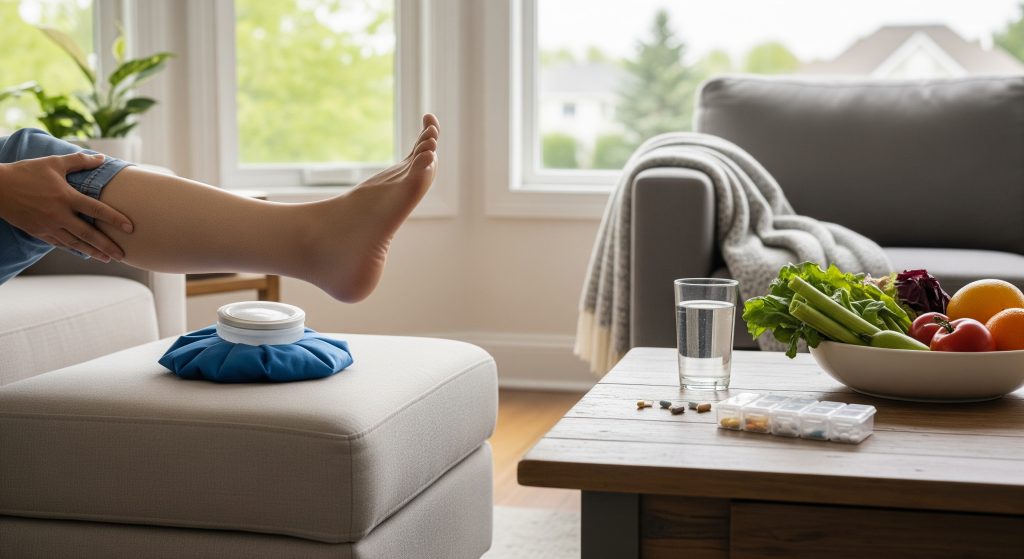
Combine with rest, ice, and elevation for additive benefit.
When NSAIDs are unsuitable, colchicine or corticosteroids are logical alternatives within Gout Treatment protocols.
Corticosteroid Injections and Oral Therapy
Systemic or intra-articular corticosteroids can rapidly settle a flare, especially if NSAIDs cannot be used. As USPharmacist reports, short oral courses or targeted joint injections yield fast relief and minimise exposure when injected locally.
-
Oral burst: for example, a short taper over 3 to 5 days.
-
Intra-articular injection: helpful for single-joint flares.
-
Monitor for glycaemic effects and fluid retention.
These agents treat inflammation, not the urate burden. Continue or initiate urate-lowering therapy in parallel as part of an integrated Gout Treatment plan.
Understanding Gout Causes and Risk Factors
Genetic and Hereditary Influences
Genetics heavily shape baseline urate handling and gout risk. As The genetics of hyperuricaemia and gout notes, heritability is high and variants in urate transporters such as SLC2A9 and SLC22A12 are implicated. Family history therefore signals a lower threshold for active prevention.
-
Transporter variants influence urate reabsorption and excretion.
-
Risk differs by sex and ancestry to some extent.
-
Genes load the gun; lifestyle often pulls the trigger.
Genetics are not destiny. They set the baseline. Treatment choices still determine outcomes.
Foods to Avoid with Gout
Dietary purines add to the urate load, so adjust intake with precision rather than adopting extreme bans. As Harvard Health Publishing advises, emphasise plant-forward meals, limit red meat and shellfish, and avoid concentrated fructose sweeteners. Alcohol, especially beer and spirits, increases risk of flares.
-
Prefer low-fat dairy and high-fibre foods.
-
Reserve red meat and organ meats for rare occasions.
-
Check labels for high-fructose corn syrup in drinks and sauces.
Hydration is non-negotiable. It supports renal excretion and complements Gout Treatment by lowering saturation risk.
Obesity and Metabolic Syndrome Connection
Adiposity and insulin resistance increase urate levels and flare frequency. As The role of obesity, type 2 diabetes, and metabolic factors in gout indicates, the link is causal to a meaningful extent. Central obesity also correlates with more severe disease.
-
Weight reduction lowers urate and improves comorbid risk.
-
Prioritise gradual, sustainable loss, not crash diets.
-
Combine nutrition, exercise, and sleep for compounding benefits.
This is strategy, not blame. The plan targets biology that favours crystal formation.
Kidney Disease and Uric Acid Retention
Renal handling drives most urate elimination, so kidney disease magnifies gout risk and complexity. As Gout: global epidemiology outlines, reduced excretion raises serum urate and accelerates progression. Monitoring renal function is therefore central to safe dosing and durable control.
In practical terms, you will often need lower starting doses and slower titration. This protects kidney function while keeping to the urate target that anchors Gout Treatment.
Medication-Induced Hyperuricaemia
Several common drugs reduce urate excretion and increase flare risk. As Assessment of drug induced hyperuricemia reports, diuretics are frequent contributors and the time to onset can be short. Discuss alternatives with your prescriber where clinically appropriate.
-
Loop and thiazide diuretics can raise urate.
-
Review new medicines after initiation for early signs.
-
Document changes in urate when therapy begins.
Polypharmacy complicates gout causes and management. A medication review is part of good Gout Treatment, not a side task.
Recognising and Managing Gout Symptoms
Early Warning Signs and Initial Symptoms
Early flares often strike overnight with intense monoarticular pain, swelling, and warmth, classically at the great toe joint. As Gout: diagnosis and management notes, redness and dramatic tenderness are typical. Fever can occur, which sometimes confuses the picture for non-specialists.
-
Big toe involvement is common but not universal.
-
Sleep disruption and difficulty weight bearing are frequent.
-
Symptoms usually peak within hours, not days.
Recognising these gout symptoms early leads to faster therapy and shorter flares.
Stages of Gout Progression
Gout moves through recognisable stages. As StatPearls summarises, the phases include asymptomatic hyperuricaemia, intermittent attacks, intercritical periods, and chronic gouty arthritis with tophi. Time spent at target urate shortens the entire disease arc.
-
Elevated urate, no symptoms.
-
Acute flares with rapid onset pain.
-
Quiet intervals between flares.
-
Tophaceous gout with structural damage.
Consistent Gout Treatment can prevent progression to the destructive stage.
Differentiating Between Gout and Other Arthritis
Gout is metabolic and episodic. Rheumatoid arthritis is autoimmune and symmetric. As Gout: diagnosis and management explains, crystal identification on joint aspiration confirms gout and rules out sepsis. Imaging can help when aspiration is not feasible.
Here is the quick lens: sudden severe monoarthritis, high urate, and target joint involvement favour gout. Chronic symmetric small-joint swelling, serology, and erosions favour RA.
Managing Tophi and Joint Damage
Tophi reflect long-standing crystal deposition and predict damage if untreated. As Gout: diagnosis and management notes, sustained urate lowering dissolves deposits and reduces flares. Complex cases may need combination therapy and, occasionally, surgical debridement.
-
Achieve and maintain urate below the crystallisation threshold.
-
Use imaging to monitor tophus resolution where helpful.
-
Educate on adherence to avoid avoidable disability.
Think in months and years. That is how you reverse cumulative damage.
When to Seek Emergency Treatment
Seek urgent care if pain is unbearable, multiple joints are involved, or there are systemic features such as fever and rigors. As Arthritis Foundation advises, suspected infection warrants immediate evaluation. The priority is rapid gout pain relief and exclusion of septic arthritis.
If you are immunosuppressed, have a prosthetic joint, or have poorly controlled diabetes, err on the side of caution. Early assessment prevents complications and protects joint function.
Long-Term Gout Pain Relief Strategies
Urate-Lowering Therapy Guidelines
Treat-to-target defines modern Gout Treatment. As American College of Rheumatology guidance emphasises, you can start urate lowering during a flare if anti-inflammatory cover is in place. The practical target is serum urate below 6 mg/dL, with lower thresholds for severe tophaceous disease.
-
Start low, go slow, and titrate to the laboratory target.
-
Use HLA-B*5801 testing in high-risk groups for allopurinol hypersensitivity.
-
Document dose changes and flare frequency at each review.
Urate control is the lever. Everything else in Gout Treatment amplifies or protects that lever.
Lifestyle Modifications and Weight Management
Lifestyle choices support medical therapy and improve comorbid risk. As Lifestyle interventions for chronic gout notes, weight loss, reduced alcohol, and structured hydration reduce flares. Low-fat dairy and vitamin C rich foods may help modestly.
-
Plan steady weight reduction, not rapid loss.
-
Prioritise whole foods, legumes, and vegetables.
-
Set a daily water target and track it.
It is essentially risk stacking in reverse. Each small change lowers serum urate a little and flares a lot less.
Dietary Approaches and Hydration
Diet is a tool, not the whole toolkit. You will see best results when nutrition aligns with pharmacology. As Harvard Health Publishing highlights, plant-forward patterns and diligent hydration support renal clearance.
|
Foods to avoid with gout |
Organ meats, anchovies, sardines, shellfish, sugary drinks |
|
Better choices |
Low-fat dairy, eggs, whole grains, fruits, vegetables |
|
Alcohol |
Minimise beer and spirits; consider abstinence during stabilisation |
|
Hydration |
Aim for clear urine through the day |
These choices provide meaningful gout pain relief over time, especially when combined with urate-lowering therapy.
Exercise and Physical Therapy
After a flare settles, progressive activity restores mobility and reduces recurrence risk. As Physical activity for chronic pain shows, exercise improves pain and quality of life. Begin with range-of-motion and low-impact work, then add strength and balance.
-
Walking, cycling, and pool work reduce joint load.
-
Calf and foot mobility drills help the first MTP joint.
-
Two short sessions most days beat one long session weekly.
Training consistency supports weight control and cardiometabolic health. That synergy reinforces Gout Treatment outcomes.
Monitoring Serum Urate Levels
Measurement drives management. As Evidence review for serum urate target notes, keeping urate below 6 mg/dL reduces flares decisively, and lower thresholds may speed tophus resolution.
-
Check more often during titration, then at stable intervals.
-
Record flares, dose changes, and adherence at each visit.
-
Use reminders to improve test frequency and continuity.
Earlier we noted the centrality of urate control. That single number explains much of your long-term trajectory.
Managing Comorbidities and Complications
Hypertension, dyslipidaemia, diabetes, and chronic kidney disease cluster with gout. As Gout treatment and comorbidities reports, these conditions shape prescribing and outcomes. Coordinate care to align targets across specialties.
-
Prefer agents that are urate neutral when options exist.
-
Screen for cardiovascular risk and sleep apnoea.
-
Use vaccination and infection prevention for immunosuppressed patients.
Manage the whole patient, not the single joint. You will gain stability and fewer surprises.
Conclusion
Gout Treatment is straightforward in principle. Lower serum urate to below the saturation point and suppress inflammation quickly when flares occur. The practice requires methodical titration, proactive prophylaxis, and steady lifestyle alignment. Aim for measurable targets, review medications that raise urate, and protect kidney and cardiovascular health. Do this consistently and you convert a painful, disruptive condition into a manageable, quiet one.
Frequently Asked Questions
What is the most effective immediate relief for gout pain?
Fast gout pain relief usually comes from a short course of NSAIDs, colchicine at flare onset, or a corticosteroid burst. Choice depends on kidney function, cardiovascular risk, and drug interactions. An intra-articular steroid injection can settle a single hot joint within hours. Combine rest, ice, elevation, and hydration for additive benefit.
How long does gout treatment typically take to show results?
Anti-inflammatory therapy reduces pain within 24 to 48 hours in most cases. Urate lowering is slower. Expect fewer flares after several weeks and visible tophus change after months. Durable control arrives as you maintain serum urate below 6 mg/dL consistently.
Can gout be completely cured with proper treatment?
Gout can be brought to clinical remission if you dissolve crystals and prevent reformation. That means sustained urate control and rapid flare management. The underlying predisposition remains, but symptoms and damage can be stopped.
What foods should I absolutely avoid if I have gout?
Limit organ meats, anchovies, sardines, and shellfish. Avoid sugary drinks with high-fructose corn syrup. Reduce beer and spirits. Prioritise low-fat dairy, vegetables, and whole grains. These choices support Gout Treatment and reduce triggers.
Is gout treatment safe for people with kidney disease?
Yes, with dose adjustments and careful selection. Allopurinol can be used with renal dosing and slow titration. NSAIDs are often avoided. Colchicine and corticosteroids may be preferred for flares, with attention to interactions and monitoring.
When should I start long-term urate-lowering therapy?
Start if you have recurrent flares, tophi, urolithiasis, or chronic kidney disease. Therapy may begin during a flare if anti-inflammatory cover is provided. The goal is to hit target quickly and stay there.
What are the warning signs of allopurinol hypersensitivity?
Watch for rash, fever, facial swelling, mucosal involvement, and systemic symptoms. Stop the drug and seek urgent care if these occur. High-risk groups may benefit from HLA-B*5801 testing before initiation.

