






 We do what's right for you...


Gentle and Natural Face Rash Cures for Sensitive Skin Types in India
Dr. Payal Gupta
The common advice is simple: apply a strong cream and wait. That often backfires on sensitive skin. It is basically careful soothing, consistent routines, and sensible prevention. If the goal is also how to reduce facial redness naturally, the same principles apply, just with everyday discipline.
Natural Remedies for Care of Sensitive Skin
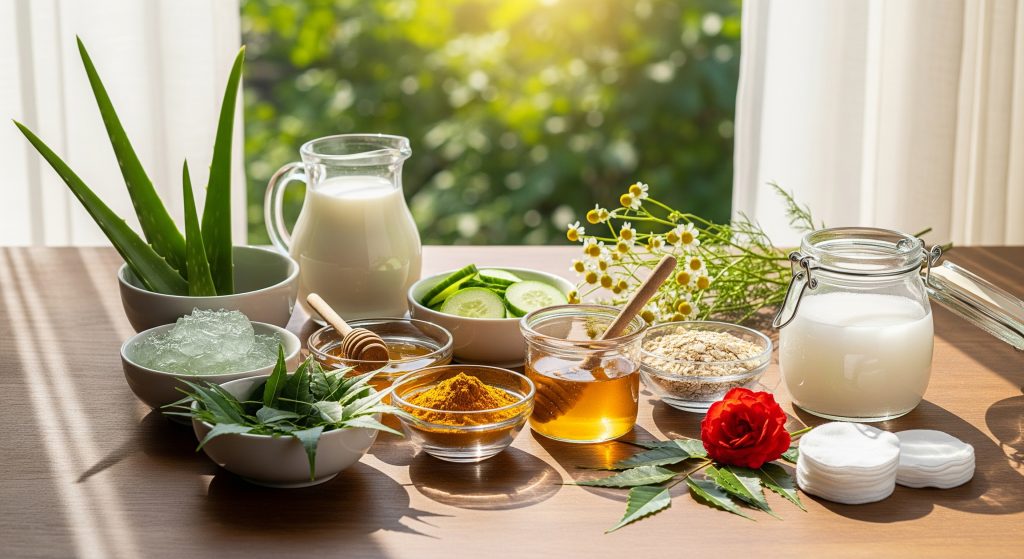
I am very cautious when someone asks how to cure rashes on face naturally. Each remedy below is gentle, affordable, and practical for Indian conditions. Patch test first on the jawline. Then build a simple rotation rather than throwing everything at the skin at once.
1. Aloe Vera Application Methods
Aloe fits sensitive skin because it hydrates while calming visible irritation, start with chilled fresh gel. Apply a thin layer after cleansing and leave it for 15 minutes. Then rinse with cool water and follow with a bland moisturiser.
-
Use pure gel only. Fragrance and colourants defeat the purpose.
-
Keep it cold for an extra cooling effect during Indian summers.
-
Layer under a ceramide moisturiser to lock in hydration.
Can pair it with cucumber juice for a quick calm-down mask. This simple approach supports irritaed face naturally without clogging pores.
2. Turmeric and Honey Paste
Turmeric provides measured anti-inflammatory support and honey gives humectant moisture. But use a micro-thin application for sensitive faces. Thick layers are unnecessary. Mix 1 teaspoon honey with a pinch of turmeric and apply for 8 to 10 minutes. Rinse with cool water.
-
Choose kitchen turmeric, not a stained cosmetic blend.
-
Add yoghurt if the skin feels warm or reactive.
-
Avoid the eye area and any broken skin.
It is gentle, but still effective.
3. Neem Leaf Treatment
Neem can assist with oil balance and mild irritation.But reserve for oily skin not for dry skin. Steep a handful of clean leaves in hot water, cool fully, and use the liquid with soft cotton pads on the rash for 5 minutes.
-
Do not scrub. Just press and lift.
-
Follow with a light moisturiser to prevent dryness.
-
Can use twice weekly
-
When oiliness is clear, a tiny amount of neem powder in an oatmeal base works well. But still, keep contact time short.
4. Cucumber and Rose Water Compress
This is a fast, low-risk option for midday flare-ups. You can grate chilled cucumber, squeeze the juice, and mix with rose water. Then soak cotton pads and rest them on the cheeks for 5 to 7 minutes.
-
Refrigerate both liquids before use for extra relief.
-
Use this before sunscreen if redness spikes in heat.
-
Great for use during summer.
The compress cools the skin and reduces the urge to scratch. Small win. Important win.
5. Oatmeal Face Masks
Oatmeal forms a soft film and takes the heat out of red patches. Grind plain oats to a flour, mix with water into a thin paste, and apply for 10 minutes. Rinse with cool water and dab dry.
-
Add honey for extra moisture in winter.
-
Add aloe for post sun soreness.
-
Add yoghurt to help balance skin microbiome.
This is a foundational method. It is steady, repeatable, and safe for most.
7. Cold Milk Compress
A cold milk compress is useful for sudden warmth or prickly discomfort. Soak cotton pads in chilled milk and rest them over the rash for 5 minutes. The cooling effect eases redness and helps the skin settle.
-
Rinse with cool water after the compress to avoid residue.
-
Follow with a fragrance free moisturiser.
It is not fancy. It works.
8. Chamomile Tea Rinse
Chamomile acts as a mild soothing rinse, especially in the evening. Brew two tea bags, cool completely, and use as a final splash after cleansing. Pat dry gently and moisturise. This helps maintain a calm baseline.
-
Avoid if allergic to plants in the daisy family.
-
Use two to three nights a week for steady results.
One small practice. Less background redness. That is how to cure rashes on face naturally with patience.
It is a pragmatic step toward how to cure rashes on face naturally, especially in humid months.
Reducing Facial Redness Naturally Through Daily Routines
Redness responds to consistent, light touch routines. This is where how to reduce facial redness naturally becomes an everyday practice. It is not dramatic. It is reliable.
Morning Skincare Routine for Redness
Keep mornings crisp and minimal. The aim is to calm, protect, and leave no residue that could irritate in heat.
-
Cleanse with a very mild gel or cream. No fragrance. No scrub particles.
-
Apply aloe gel or an oat toner to settle the skin.
-
Use a barrier repair moisturiser with ceramides or panthenol.
-
Finish with broad spectrum sunscreen. SPF 30 or higher for daily India sun.
A question arises. How to prevent redness while using sunscreen daily? Choose a mineral or hybrid formula with zinc oxide, then patch test. The right formula will not sting.
Evening Calming Treatments
Night is for recovery. Remove sunscreen with a gentle cleanser, then layer a thin aloe sheet of hydration. On alternating nights, use the oatmeal mask for 10 minutes. Can finish with a simple moisturiser..
-
Keep actives to a minimum during a flare. No strong acids.
-
If retinoids are necessary, buffer with moisturiser and reduce frequency.
Calm first. Actives later.
Dietary Changes for Skin Health
Diet alone will not fix a rash, but it can lower the baseline level of inflammation. I prioritise omega 3 rich foods like fish or flaxseed, colourful vegetables, and nuts. I keep refined sugar and fried snacks in check.
-
Hydration matters for nutrient transport to skin.
-
Stable meals prevent sudden histamine like reactions in some individuals.
This is a supportive layer for how to cure rashes on face naturally. Not a cure all. A contribution.
Hydration and Water Intake
Consistent hydration assists cellular repair and barrier function. As WHO outlines, water supports nutrient delivery and broader physiological balance, which includes skin integrity.
-
Keep a bottle nearby and sip through the day.
-
Add electrolytes during heat waves or workouts.
In practice, hydrated skin tolerates treatment masks better.
Avoiding Common Irritants
For sensitive skin, the easiest win is removing the irritant. Avoid fragrance, strong alcohol, harsh foaming agents, and overuse of exfoliants. Fabrics matter too. Switch to soft cotton pillowcases and wash them often.
|
Potential Irritant |
Practical Swap |
|
Fragranced cleanser |
Fragrance free gel or cream cleanser |
|
Physical scrub |
Oatmeal paste, short contact |
|
Heavy essential oils |
Plain squalane, 1 to 2 drops |
|
Rough towels |
Microfibre cloth, pat dry |
These swaps ease the path to settle down rashes on face naturally. Less friction. More calm.
Prevention and Long-Term Care for Sensitive Facial Skin
Prevention is cheaper than reactive care. I treat long term routines as an insurance policy for the skin. This is where how to cure rashes on face becomes how to prevent them reliably.
Identifying Rash Triggers
Triggers vary. Common ones include fragranced skincare, wool fabrics, hot showers, seasonal pollen, and stress. Track flare ups in a simple note. Date, products used, weather, and food highlights. Patterns emerge within two weeks.
-
Change only one product at a time.
-
Patch test new items on the jawline for 48 hours.
-
Limit long hot showers. Lukewarm water is enough.
This disciplined approach supports because it reduces unknowns. Fewer surprises. Better control.
Building Skin Barrier Strength
The barrier is the gatekeeper. When it holds, sensitivities fade. Use moisturisers with ceramides, cholesterol, and fatty acids to rebuild the lipid matrix. Niacinamide at low concentration also helps with resilience.
-
Keep cleansing gentle to avoid stripping.
-
Moisturise within two minutes of washing.
-
Add occlusion at night to seal hydration.
A stronger barrier means fewer flares, and shorter ones.
Seasonal Skincare Adjustments
India’s climate swings demand small tactical changes. In summer, cool products in the fridge and rely on gels and mists. In winter, shift to creams . During monsoon, tighten hygiene, change pillowcases more often, and avoid heavy occlusion.
-
Summer: aloe, cucumber, frequent rinses.
-
Winter: ceramide creams, spot occlusion, humidifier if possible.
-
Monsoon: short contact masks, fast drying textures.
Seasonal agility keeps the plan for how to cure rashes on face naturally relevant all year.
Natural Sun Protection Methods
Sun exposure amplifies redness and slows recovery. Always use broad spectrum sunscreen daily, protective clothing, and shade during peak hours. A hat is not optional on high UV days.
-
Reapply sunscreen every two to three hours outdoors.
-
Choose mineral filters if chemical filters sting.
This discipline prevents setbacks and sustains how to cure rashes on face naturally without constant firefighting.
Conclusion
A calm, resilient face is the product of steady habits, not one miracle product. The plan is straightforward. Use soothing single ingredient remedies like aloe, oatmeal, cucumber, and short contact turmeric blends. Hold a light, consistent routine morning and night. Remove irritants and build the barrier brick by brick. That is how to reduce facial redness naturally without drama. The skin responds to patience and precision.
Frequently Asked Questions
How long does it take for natural remedies to cure face rashes?
Meant only for mild irritant rashes, usually see improvement within 48 to 72 hours, provided triggers are removed. If symptoms worsen or persist, seek clinical advice. This timeline aligns with how to cure rashes on face naturally without over treating.
Can I use multiple natural remedies together for faster results?
I recommend sequencing, not stacking. Use one remedy in the morning and another in the evening. For example, aloe in the morning and oatmeal at night. This reduces the risk of reactivity while progressing how to cure rashes on face naturally with clarity.
Are these natural remedies safe for children and elderly skin?
Most are gentle when used correctly, but I always patch test and shorten contact time. Prefer oatmeal, aloe, and cold compresses first. Consult a clinician if there is broken skin, infection, or concurrent medication. Safety before speed.
What should I do if the rash worsens after using natural treatments?
Stop all new products immediately. Switch to a minimalist routine: cool water rinse, plain moisturiser, and shade from sun. Seek professional opinion as early as possible. If swelling, oozing, or pain escalates, consult a dermatologist
. How often should I apply aloe vera gel on face?
Once to twice daily is sufficient for most. Apply a thin layer after cleansing and rinse after 10 to 15 minutes, then moisturise. For maintenance, reduce to every other day. This cadence supports without overhydrating the surface.
Which natural remedy works best for heat rashes in Indian climate?
Cold compresses with cucumber and rose water are reliable for heat spikes. Aloe gel from the fridge is a close second. During peak summer, often rotate both. It is a simple toolkit for how to cure rashes on face naturally in hot, humid weather.

