






 We do what's right for you...


Fistula Home Remedies: Natural Ways to Ease Symptoms
Dr. Shiv Chopra
The advice most people receive about anal fistulas goes something like this: wait and see, try some cream, hope it heals on its own. For years, that was the standard approach. But here’s the uncomfortable truth – that passive strategy often leads to worsening symptoms, increased discomfort, and delayed treatment that could have provided relief much sooner. Managing fistula symptoms at home isn’t about replacing medical care. It’s about actively supporting the healing process while working with healthcare professionals to find the right solution.
Fistula home remedies have become increasingly popular for good reason. They offer genuine symptom relief, reduce discomfort between medical appointments, and can complement professional treatment plans. But not all remedies work equally well, and some common practices waste precious time. This guide cuts through the noise to focus on what actually helps – the treatments worth trying, the dietary changes that make a real difference, and the lifestyle modifications that support long-term healing.
Effective Fistula Home Remedies for Symptom Relief
Let’s be practical about expectations here. Home remedies for anal fistula treatment don’t cure the underlying condition – the abnormal tunnel connecting the anal canal to the skin needs proper medical intervention in most cases. What these remedies DO accomplish is significant: reduced pain, less inflammation, better hygiene, and improved quality of life during the healing process.
1. Sitz Bath Therapy
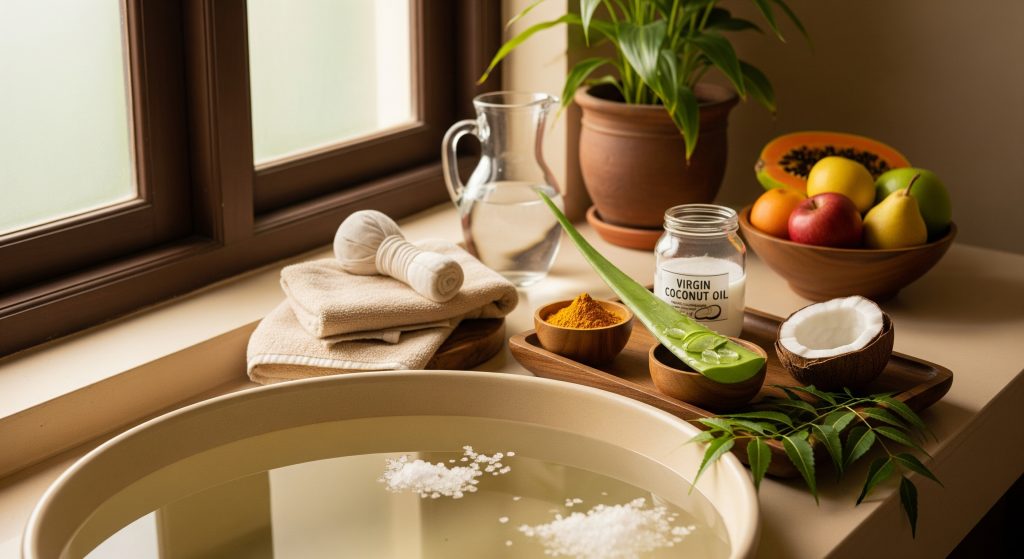
If you only try one remedy from this entire list, make it this one. A sitz bath – basically sitting in warm, shallow water – sounds almost too simple to be effective. It isn’t. The warm water increases blood flow to the affected area, promotes natural cleaning, and provides immediate pain relief.
Here’s how to do it properly:
-
Fill a clean basin or sitz bath attachment with warm (not hot) water – around 40°C works well
-
Add a tablespoon of Epsom salts if desired, though plain water works fine
-
Sit for 15-20 minutes, two to three times daily
-
Pat the area completely dry afterwards – dampness encourages bacterial growth
The key mistake I see people make? They do it once, feel better, and stop. Consistency matters enormously here. Think of it like brushing teeth – the benefit comes from regular practice, not occasional effort.
2. Turmeric Application Methods
Turmeric has earned its reputation in traditional medicine, and modern research supports its use. MauryaAyurveda highlights turmeric as a key herb in Ayurvedic treatments due to its anti-inflammatory and antibacterial properties. The active compound, curcumin, genuinely reduces inflammation and promotes wound healing.
There are two main approaches:
Topical Application:
-
Mix turmeric powder with coconut oil to form a paste
-
Apply gently to the external opening of the fistula
-
Cover with a clean gauze pad
-
Repeat twice daily after sitz bath sessions
Internal Consumption:
-
Add half a teaspoon of turmeric to warm milk
-
Drink once daily, preferably before bed
-
Include black pepper to enhance absorption by up to 2000%
A word of caution from DrAzharAlam: while turmeric provides symptomatic relief, it doesn’t cure the underlying fistula. Use it as support, not a standalone solution.
3. Aloe Vera Gel Treatment
Fresh aloe vera gel offers cooling relief and promotes tissue repair. The plant contains compounds that reduce inflammation and support healing – and it’s remarkably gentle on sensitive tissue.
For best results:
-
Use fresh gel from a plant leaf rather than commercial products with additives
-
Slice a leaf, scoop out the clear gel
-
Apply directly to the affected area after cleaning
-
Allow to air dry before dressing
Store unused aloe leaves in the refrigerator. The cool gel provides extra comfort during application.
4. Tea Tree Oil Solutions
Tea tree oil is potent – and that’s precisely why it needs careful handling. Its antimicrobial properties can help prevent secondary infections around the fistula opening, but applying it undiluted will cause significant irritation.
The correct dilution ratio:
|
Carrier Oil |
Tea Tree Oil Drops |
Total Volume |
|---|---|---|
|
Coconut oil (1 tablespoon) |
2-3 drops |
~15ml |
|
Olive oil (1 tablespoon) |
2-3 drops |
~15ml |
Apply with a clean cotton swab to the external area only. Never insert any oil-based treatment into the fistula tract itself.
5. Coconut Oil Benefits
Coconut oil works double duty as both a carrier for other remedies and an effective treatment in its own right. Its lauric acid content provides antimicrobial benefits, while the oil itself keeps tissue supple and prevents cracking.
Simple application method:
-
Warm virgin coconut oil slightly between palms
-
Apply a thin layer to the perianal area
-
Particularly useful after bowel movements to reduce irritation
Keep a small jar in the bathroom for convenience. Regular application makes a noticeable difference in comfort levels.
6. Neem Paste Applications
Neem has been used in traditional Indian medicine for centuries, and its antibacterial properties are well-documented. For fistula care, neem paste can help keep the area clean and reduce bacterial load.
Preparation steps:
-
Grind fresh neem leaves with a small amount of water
-
Create a smooth paste consistency
-
Apply to the external fistula opening
-
Leave for 15-20 minutes, then rinse gently
Neem has a strong, bitter scent – this is normal and indicates quality. If fresh leaves aren’t available, neem powder mixed with water works as an alternative.
7. Honey and Ghee Mixture
This traditional combination might sound unusual, but there’s logic behind it. Honey offers antimicrobial properties and promotes wound healing, while ghee (clarified butter) provides lubrication and contains butyric acid, which supports tissue repair.
The mixture:
-
Combine equal parts raw honey and pure ghee
-
Mix until smooth
-
Apply as a thin layer to the affected area
-
Cover with a clean dressing
This works particularly well overnight, allowing the ingredients time to work while minimising friction and movement.
Ayurvedic Treatment for Fistula
Ayurveda approaches anal fistula treatment differently from conventional medicine – it focuses on balancing the body’s systems while addressing local symptoms. What drives me crazy about how Ayurvedic treatments are often presented is the mystification. These are practical, time-tested methods with real mechanisms of action.
Triphala Powder Benefits
Triphala – a combination of three fruits (Amalaki, Bibhitaki, and Haritaki) – forms the foundation of many Ayurvedic approaches to fistula. Its primary benefit? It keeps bowel movements soft and regular, reducing strain on the affected area.
How to use it:
-
Mix one teaspoon of Triphala powder in warm water
-
Drink before bed on an empty stomach
-
Start with half a teaspoon if new to Triphala – it’s a gentle laxative
The taste is… challenging. Bitter, astringent, slightly sour. Most people mix it with honey to make it palatable. Within a week of consistent use, bowel movements typically become easier and more regular.
Kshar Sutra Preparation
Now this is where ayurvedic treatment for fistula gets genuinely fascinating. Kshar Sutra is a medicated thread used in a minimally invasive procedure that has been practised for centuries. Research from JAIMS details how the preparation involves coating surgical thread with herbal extracts including Apamarga, Snuhi Ksheera, and Haridra (turmeric) in precise proportions.
The thread preparation requires 21 layers of coating, with each layer contributing specific therapeutic properties. These include antimicrobial and anti-inflammatory effects essential for successful treatment outcomes.
The thread facilitates gradual cutting and healing simultaneously – essentially allowing the fistula tract to close naturally while preventing the complications of open surgery.
This isn’t a home remedy – it requires a trained Ayurvedic surgeon. But understanding the preparation helps when evaluating practitioners and treatment options.
Panchakarma Approaches
Panchakarma translates to “five actions” – a comprehensive detoxification process that aims to eliminate toxins and restore balance. For fistula patients, specific Panchakarma treatments can reduce inflammation and improve overall digestive health.
Relevant procedures include:
-
Virechana – therapeutic purgation to cleanse the digestive tract
-
Basti – medicated enemas that deliver healing herbs directly to the affected area
-
Snehana – internal and external oleation therapy
These should only be undertaken at qualified Ayurvedic centres under proper supervision. The preparation period (typically 3-7 days of dietary modification) is as important as the procedures themselves.
Herbal Oils and Medicated Ghee
Jatyadi Taila and Jatyadi Ghrita are traditional formulations specifically designed for wound healing. The oil version works for external application; the ghee preparation can be used both externally and (in some protocols) internally.
Common ingredients in these preparations:
-
Jatiphala (nutmeg)
-
Neeli (indigo)
-
Nimba (neem)
-
Patola (pointed gourd)
-
Haridra (turmeric)
Apply medicated oil after sitz bath therapy, allowing it to absorb before dressing the area. The ghee preparation is particularly soothing for raw, irritated tissue.
Yashtimadhu Applications
Yashtimadhu – liquorice root – brings anti-inflammatory and wound-healing properties to fistula treatment. It’s typically used internally as a powder or tea rather than applied topically.
Simple preparation:
-
Steep half a teaspoon of Yashtimadhu powder in hot water for 10 minutes
-
Strain and drink once daily
-
Alternatively, take with honey for easier consumption
Note: people with high blood pressure should avoid Yashtimadhu as it can elevate blood pressure with regular use. Always check for contraindications with existing conditions.
Diet for Fistula Patients
Here’s a scenario that might sound familiar: someone manages their fistula symptoms carefully, uses all the right remedies, maintains excellent hygiene – and then undoes their progress with poor food choices. Diet for fistula patients isn’t a nice-to-have supplement to other treatments. It’s fundamental to the healing process.
High-Fibre Foods to Include
Soft, well-formed stools reduce strain and prevent trauma to the fistula site. The single most effective way to achieve this? Fibre. Lots of it.
Top choices:
|
Food Category |
Best Options |
Daily Target |
|---|---|---|
|
Whole grains |
Oats, brown rice, quinoa |
3-4 servings |
|
Vegetables |
Leafy greens, carrots, sweet potato |
5+ servings |
|
Fruits |
Papaya, pear, apple (with skin) |
2-3 servings |
|
Legumes |
Lentils, chickpeas, kidney beans |
1 serving |
Increase fibre gradually over two weeks. Jumping from low-fibre to high-fibre eating too quickly causes bloating and gas that nobody needs.
Probiotic-Rich Options
A healthy gut microbiome supports digestive function and reduces inflammation throughout the body. Probiotics – the beneficial bacteria found in fermented foods – play a crucial role.
Include regularly:
-
Natural yoghurt (unsweetened)
-
Buttermilk
-
Fermented vegetables like sauerkraut
-
Kefir
-
Miso (in soups and dressings)
For those who don’t tolerate dairy well, water kefir and fermented vegetables provide excellent alternatives without the lactose.
Foods to Strictly Avoid
Honestly, the only dietary factor that really matters is avoiding foods that cause hard stools, diarrhoea, or inflammation. Everything else is secondary. Don’t even bother perfecting your probiotic intake until you’ve eliminated these problem foods:
-
Processed foods – lack fibre, contain inflammatory additives
-
Spicy foods – increase discomfort and can irritate healing tissue
-
Red meat – difficult to digest, often leads to constipation
-
Refined carbohydrates – white bread, pastries, white rice
-
Alcohol – dehydrating and inflammatory
-
Excessive dairy – can cause constipation in sensitive individuals
-
Fried foods – slow transit time and harden stools
The improvement in symptoms after removing these foods typically becomes noticeable within 3-5 days.
Hydration Requirements
Water makes fibre work. Without adequate hydration, all that fibre you’re eating becomes a dense, dry mass that’s harder – not easier – to pass. This isn’t complicated.
Practical targets:
-
Minimum 2 litres of water daily
-
Add another 500ml if exercising or in hot weather
-
Herbal teas count toward the total
-
Coffee and black tea are mildly dehydrating – don’t count them
An easy check: urine should be pale yellow. Darker urine signals inadequate hydration.
Meal Planning Guidelines
The structure of eating matters almost as much as what you eat. Irregular meals lead to irregular bowel movements lead to unpredictable symptoms.
Practical framework:
-
Eat meals at consistent times each day
-
Three main meals plus two small snacks works well
-
Largest meal at midday when digestion is strongest
-
Light dinner at least three hours before bed
-
Never skip breakfast – it triggers the gastrocolic reflex that promotes morning bowel movements
What does this actually look like? Porridge with fruit for breakfast. A substantial lunch with grains, vegetables, and legumes. A lighter evening meal of soup or stew. Fruit and nuts as snacks. Simple, sustainable, effective.
Lifestyle Modifications and Preventive Measures
Managing fistula symptoms is a bit like tending a garden. You can’t just plant seeds and walk away. The daily attention, the small consistent actions, the prevention of problems before they start – that’s what produces results. And like gardening, the rewards of these lifestyle changes extend far beyond the immediate issue.
Hygiene Practices
This section could save you significant discomfort. Poor hygiene around the perianal area increases infection risk and slows healing. Get this right and many other problems diminish.
Essential practices:
-
Wash the area with warm water after every bowel movement
-
Use fragrance-free, gentle soap only – or no soap at all
-
Pat dry with soft, clean towels (never rub)
-
Wear cotton underwear that allows airflow
-
Change underwear if it becomes damp
-
Keep nails trimmed to prevent accidental scratching
Consider keeping a small squeeze bottle of water in the bathroom for gentle cleaning. It’s more effective and less irritating than toilet paper alone.
Exercise Recommendations
Physical activity promotes circulation, reduces inflammation, and maintains regular bowel function. But not all exercise suits fistula patients equally.
Recommended:
-
Walking – 30 minutes daily minimum
-
Swimming – gentle and non-jarring
-
Yoga – specific poses support pelvic floor health
-
Light stretching
Avoid during active symptoms:
-
Cycling – pressure on the perineum
-
Heavy weight lifting – increases abdominal pressure
-
High-impact activities – jarring movements irritate the area
The goal is movement that supports circulation without creating pressure or friction in the affected area.
Stress Management Techniques
There’s a connection between stress and digestive symptoms that gets overlooked too often. The gut-brain axis – the communication pathway between intestines and brain – means psychological stress directly affects bowel function and inflammation levels.
Practical approaches:
-
Deep breathing exercises – even five minutes daily helps
-
Progressive muscle relaxation before bed
-
Regular sleep schedule – 7-8 hours nightly
-
Reducing caffeine intake, especially after noon
-
Brief meditation or mindfulness practice
The single most frustrating part of this? Stress often worsens the very symptoms that cause more stress. Breaking the cycle requires conscious effort, but it’s possible with consistent practice.
When to Seek Medical Help
Home remedies and lifestyle modifications work well for symptom management. They don’t replace proper medical evaluation and treatment. Recognising when professional help is needed protects against complications.
Seek immediate medical attention if you experience:
-
Fever above 38°C
-
Increasing pain despite home treatment
-
Significant swelling or redness spreading from the area
-
Heavy discharge that’s foul-smelling or bloody
-
Inability to have bowel movements
-
Signs of infection such as chills or malaise
Schedule a consultation if:
-
Symptoms persist beyond 2-3 weeks of home treatment
-
New fistula openings appear
-
Previous treatments seem less effective
-
You’re unsure whether what you’re experiencing is normal
Delays in seeking help when needed can lead to abscess formation, spreading infection, or increased complexity of eventual surgical treatment.
Making Fistula Home Remedies Work for You
I spent the first three months of researching this topic overwhelmed by the sheer number of remedies, treatments, and approaches available. It was like standing in an aisle with a hundred different products, all claiming to solve the same problem. The real breakthrough came from understanding that consistency beats variety.
Choose three or four approaches from this guide and commit to them for at least four weeks:
-
Daily sitz baths (non-negotiable)
-
One topical remedy – turmeric, aloe, or coconut oil
-
Dietary changes – fibre increase and hydration
-
Hygiene protocol after every bowel movement
Track your symptoms in a simple notebook. Rate pain on a 1-10 scale. Note any changes. This data becomes invaluable when discussing progress with healthcare providers.
Remember: fistula home remedies support healing – they don’t replace proper medical evaluation. Work with qualified healthcare practitioners to determine the best overall treatment approach for your specific situation. Some fistulas resolve with conservative management; others require procedures like Kshar Sutra or surgical intervention. The home remedies and lifestyle changes discussed here complement whatever treatment path you follow.
Frequently Asked Questions
Can anal fistula heal completely with home remedies alone?
In most cases, no. Simple, superficial fistulas occasionally close with conservative treatment and excellent hygiene, but complex fistulas typically require medical intervention. Home remedies effectively manage symptoms and support healing but shouldn’t be relied upon as the sole treatment. Always consult a healthcare professional for proper diagnosis and treatment planning.
How long should I continue Ayurvedic treatment for fistula?
Ayurvedic treatment timelines vary based on fistula complexity and individual response. Herbal supplements and dietary modifications are typically continued for 3-6 months minimum. Procedural treatments like Kshar Sutra follow specific protocols lasting 4-8 weeks depending on fistula length. Your Ayurvedic practitioner should provide a personalised timeline with regular progress assessments.
Which foods trigger fistula symptoms most commonly?
Spicy foods, alcohol, red meat, and refined carbohydrates are the most common triggers. These either cause constipation (leading to straining), diarrhoea (causing irritation), or increase inflammation. Individual triggers vary – keeping a food diary helps identify personal problem foods. Caffeine and excessive dairy products also cause issues for many people.
Is it safe to use multiple home remedies simultaneously?
Yes, with sensible limitations. Combining a sitz bath with one topical treatment (like turmeric paste or aloe vera) and dietary modifications is generally safe and effective. Avoid layering multiple topical treatments in the same session – this can cause irritation and makes it difficult to identify what’s helping. Internal remedies like Triphala and Yashtimadhu can be combined, but check for interactions if taking other medications.
What are the warning signs that home treatment isn’t working?
Watch for fever, increasing pain, spreading redness, worsening discharge, or new opening development. If symptoms remain unchanged after 2-3 weeks of consistent home treatment, reassess your approach with a healthcare provider. Escalating symptoms despite treatment indicate the need for immediate medical evaluation. Trust your instincts – if something feels wrong, seek professional assessment sooner rather than later.

