






 We do what's right for you...


Explainer: Understanding Heart Disease Medication Options
Dr. Hriday Kumar Chopra
Disclaimer: The content shared here is for informational purposes only. Always consult a specialist doctor before attempting any treatment, procedure, or taking any medication independently.
One-size-fits-all advice for heart disease rarely holds up. The drug that rescues one patient can hamper another. I wrote this guide to clarify the major classes of heart disease medication, how they work, the trade-offs, and how I approach decisions in practice. It is a straightforward map, not a substitute for individual clinical judgement. The goal is simple. Better decisions and steadier outcomes.
Common Heart Disease Medications
1. ACE Inhibitors
ACE inhibitors are a cornerstone heart disease medication for hypertension, heart failure, and recovery after a heart attack. They reduce the formation of angiotensin II, which allows blood vessels to relax and lowers blood pressure. I often consider agents such as ramipril, lisinopril, or enalapril when kidney protection or heart failure benefit is a priority.
-
Typical benefits: lower blood pressure, reduced afterload, kidney pressure relief in diabetes.
-
Frequent effects: cough, dizziness, raised potassium, occasional fatigue.
-
Monitoring: blood pressure, kidney function, and potassium after dose changes.
For many patients, this heart disease medication provides structural protection for the heart and kidneys over time. But sensitivity varies, so I adjust slowly and monitor early labs.
2. Angiotensin Receptor Blockers (ARBs)
ARBs are a closely related heart disease medication class that block the receptor for angiotensin II. The result is similar vessel relaxation without the bradykinin-mediated cough that can occur with ACE inhibitors. Common choices include losartan, valsartan, candesartan, and others when cough, intolerance, or specific indications steer me away from ACE inhibitors.
-
Typical benefits: blood pressure control, heart failure support, kidney protection.
-
Frequent effects: dizziness, raised potassium, rarely swelling.
-
Monitoring: as with ACE inhibitors, with careful attention to potassium.
When patients ask about ace inhibitors vs arbs, I explain that both lower pressure but through different nodes in the same system. The clinical choice often hinges on tolerance and comorbidities.
3. Beta Blockers
Beta blockers are a versatile heart disease medication used in coronary artery disease, heart failure, and arrhythmias. They slow heart rate and reduce contractility, which lowers oxygen demand and stabilises rhythm. I reach for agents like bisoprolol, metoprolol, or carvedilol in heart failure and for angina control.
-
Typical benefits: heart rate control, reduced angina, lower arrhythmia risk.
-
Frequent effects: fatigue, cold extremities, sleep disturbance, sexual dysfunction.
-
Monitoring: resting heart rate, blood pressure, and symptom response.
Introduced carefully, this heart disease medication can improve quality of life and survival in the right setting.
4. Calcium Channel Blockers
Calcium channel blockers relax vascular smooth muscle or slow conduction through the AV node, depending on the subclass. As a heart disease medication, they are valuable in angina, hypertension, and some arrhythmias. Amlodipine targets vessels; diltiazem and verapamil have rate control effects.
-
Typical benefits: blood pressure reduction, angina relief, rate control.
-
Frequent effects: ankle swelling, flushing, constipation, headache.
-
Monitoring: blood pressure, heart rate with non-dihydropyridines, oedema.
I avoid rate-slowing variants with decompensated heart failure. Choice is specific to physiology and goals.
5. Statins
Statins are the backbone heart disease medication for lipid lowering and atherosclerotic risk reduction. They inhibit HMG-CoA reductase to lower LDL cholesterol and stabilise plaque. In higher-risk profiles, I find atorvastatin or rosuvastatin effective due to potency and dosing flexibility.
-
Typical benefits: reduced heart attack and stroke risk, plaque stabilisation.
-
Frequent effects: muscle aches, digestive upset, mild enzyme elevations.
-
Monitoring: lipid panel response and symptom check for muscle issues.
Patients often ask how do statins work. The short version is that they reduce hepatic cholesterol synthesis, which pulls more LDL from the blood. This heart disease medication changes risk trajectories over years, not days.
6. Diuretics
Diuretics help the body excrete excess fluid and sodium. As a heart disease medication, they ease symptoms in heart failure and support blood pressure control. Thiazides suit hypertension. Loop diuretics relieve congestion and oedema.
-
Typical benefits: lower blood pressure, reduced breathlessness, less swelling.
-
Frequent effects: electrolyte shifts, increased urination, dizziness, cramps.
-
Monitoring: sodium, potassium, kidney function, and weight trends.
Used judiciously, they offer rapid symptom relief. Overuse can unsettle electrolytes. Balance is the art.
7. Antiplatelet Agents
Antiplatelets reduce platelet aggregation to prevent arterial clots. As a heart disease medication, they are central after stent placement and for established coronary disease. Aspirin is foundational. Clopidogrel, prasugrel, or ticagrelor are selected by indication and bleeding risk.
-
Typical benefits: reduced risk of stent thrombosis and recurrent events.
-
Frequent effects: bruising, dyspepsia, bleeding risk.
-
Monitoring: bleeding symptoms and adherence, especially during dual therapy.
Duration decisions depend on stent type, event risk, and bleeding profile. Precision matters here.
8. Anticoagulants
Anticoagulants target the clotting cascade to prevent venous and cardiac chamber clots. They are a different heart disease medication from antiplatelets. Indications include atrial fibrillation, venous thromboembolism, and some valve conditions. DOACs and warfarin remain mainstays.
-
Typical benefits: stroke prevention in atrial fibrillation, clot treatment.
-
Frequent effects: bleeding, drug and diet interactions with warfarin.
-
Monitoring: renal function for DOACs, INR for warfarin, bleeding signs.
Agent choice depends on kidney function, comorbidities, and patient preference. I discuss reversal and procedures upfront.
9. Nitrates
Nitrates relax veins and arteries through nitric oxide pathways. As a heart disease medication, they provide rapid angina relief and can help with chronic symptom control. Sublingual tablets work within minutes. Long-acting forms need a nitrate-free interval to avoid tolerance.
-
Typical benefits: swift relief of chest discomfort, improved exercise tolerance.
-
Frequent effects: headache, flushing, light-headedness.
-
Monitoring: blood pressure response and frequency of use.
I advise careful timing with erectile dysfunction therapies. The interaction can dangerously lower blood pressure.
How Heart Medications Work
ACE Inhibitors vs ARBs Mechanism
Both classes act on the renin-angiotensin-aldosterone system, but at different points. In practical terms, ace inhibitors vs arbs is a choice between reducing angiotensin II production and blocking its receptor. The physiological endpoint is similar: lower vascular tone and less strain on the heart.
|
Mechanism |
ACE Inhibitors |
ARBs |
|---|---|---|
|
Primary action |
Reduce angiotensin II formation |
Block angiotensin II receptor |
|
Cough risk |
Higher due to bradykinin |
Lower, cough uncommon |
|
Potassium effect |
May increase |
May increase |
|
Kidney benefit |
Strong in diabetes and proteinuria |
Comparable benefit |
I move between these classes based on tolerance, renal profile, and prior response. The underlying haemodynamics are aligned, but the side effect patterns differ.
How Do Statins Work
The question how do statins work deserves a precise answer. Statins inhibit the hepatic enzyme HMG-CoA reductase. The liver then increases LDL receptor expression, which clears more LDL cholesterol from the circulation. Over time, this reduces lipid content in plaques and improves stability.
-
Primary effect: lower LDL cholesterol, modest triglyceride reduction, slight HDL rise.
-
Pleiotropic effects: improved endothelial function and lower vascular inflammation to an extent.
-
Clinical result: lower risk of heart attack and stroke in appropriate risk groups.
This heart disease medication yields benefit cumulatively. I measure impact over months and years, not days. Patience and adherence are rewarded.
Beta Blocker Function
Beta blockers antagonise beta-adrenergic receptors in the heart and vessels. The result is slower heart rate, lower contractility, and reduced blood pressure. This heart disease medication decreases myocardial oxygen demand and blunts harmful sympathetic surges after a heart attack.
-
Rate control: targets atrial fibrillation, sinus tachycardia, and ectopy.
-
Remodelling: in heart failure, selected agents aid ventricular recovery.
-
Trigger protection: reduces exertional or stress-induced angina.
Dosage starts low and rises stepwise. Small increments, steady outcomes.
Blood Thinners Action
Blood thinners is an umbrella phrase. Antiplatelets prevent platelet clumping in arteries. Anticoagulants interrupt the coagulation cascade to stop fibrin-rich clots. Each heart disease medication in this area serves a distinct vascular problem.
-
Antiplatelets: best for stents and coronary disease where plaque rupture drives clots.
-
Anticoagulants: best for atrial fibrillation and venous clots where stasis dominates.
-
Bridging and peri-procedural plans: tailored to risk and drug half-life.
Mixing both increases bleeding risk. I combine only when the indication is compelling and time-limited.
Combination Therapy Approaches
Most patients benefit from a targeted combination rather than a single heart disease medication. In heart failure, I follow GDMT (guideline-directed medical therapy) that layers an ACE inhibitor or ARB, a beta blocker, a mineralocorticoid receptor antagonist, and often an SGLT2 inhibitor. Each addresses a different pathophysiological lever.
-
Hypertension: RAAS blocker plus calcium channel blocker or thiazide often provides complementary control.
-
Coronary disease: antiplatelet plus statin and a beta blocker builds protection and symptom relief.
-
Atrial fibrillation: anticoagulant for stroke prevention plus rate or rhythm control strategy.
I also consider pill burden, cost, and adherence. A workable plan beats a perfect plan that is not followed.
Side Effects of Heart Medications
Common Statin Side Effects
Statins are well studied, yet they are not without effects. The headline issues are muscle aches, digestive upset, and occasional rises in liver enzymes. Serious muscle injury is uncommon. In practice, I adjust dose, change molecule, or alter timing to improve tolerance.
-
Muscle aches: consider a brief stop, rechallenge, or switch within the class.
-
Digestive issues: take with food or change dosing time.
-
Lab monitoring: check enzymes if symptoms persist or worsen.
This heart disease medication is central to risk reduction. Collaborative adjustments usually preserve benefit while limiting discomfort.
ACE Inhibitor Reactions
Persistent dry cough remains the classic reaction. Dizziness can occur when starting or titrating. Potassium may rise, especially with kidney disease. Rarely, angioedema occurs and requires immediate cessation.
-
Cough: switch to an ARB if chronic and intrusive.
-
Potassium rise: review diet, supplements, and interacting drugs.
-
Angioedema: urgent care is required; avoid future exposure.
I frame ACE inhibitors as high-value, but I also set expectations at the outset. No surprises is the aim.
Beta Blocker Effects
Common experiences include fatigue, cold hands, and reduced exercise tolerance as the dose rises. Sleep changes and vivid dreams can appear with lipophilic agents. Sexual dysfunction is reported and deserves a direct, respectful conversation.
-
Bradycardia: titrate carefully and check heart rate.
-
Asthma: prefer a beta-1 selective option if needed.
-
Mood: monitor for low mood in susceptible individuals.
This heart disease medication requires careful, incremental adjustments. The right dose feels steady rather than sluggish.
Anticoagulant Risks
Bleeding is the central risk. Minor bruising is common. Serious bleeding is rare but critical. I stratify risk, choose an agent accordingly, and review renal function and interacting drugs regularly.
-
Red flags: black stools, persistent nosebleeds, prolonged gum bleeding, coughing blood.
-
Procedures: plan cessation and restart based on half-life and procedural risk.
-
Falls risk: balance stroke prevention against injury likelihood.
Clear instructions reduce anxiety and improve safety. Uncertainty fuels errors, so I document plans explicitly.
Managing Medication Interactions
Interactions are predictable with a deliberate review. This is not abstract. It is the difference between a stable heart disease medication plan and a cascade of side effects of heart medications. I prioritise a short, reliable list of checks at each visit.
-
ACE inhibitor or ARB plus NSAIDs: higher kidney risk and potassium increase.
-
Statins with strong CYP3A4 inhibitors: heightened muscle symptoms risk; adjust statin choice or dose.
-
Warfarin diet swings: vitamin K variability changes INR; keep intake steady.
-
Grapefruit and some calcium channel blockers: higher levels and more side effects.
-
Herbal supplements: St John’s wort lowers DOAC levels; ginseng and ginkgo may increase bleeding.
I ask directly about over-the-counter medicines and supplements. Many issues start there. A two-minute check saves weeks of discomfort.
When to Contact Your Doctor
Knowing when to escalate is as important as choosing the right heart disease medication. Early contact prevents complications. I give clear thresholds.
-
New or worsening chest pain, breathlessness, or fainting.
-
Swelling of lips, tongue, or face after starting an ACE inhibitor.
-
Black or bloody stools while on an anticoagulant or antiplatelet.
-
Severe muscle pain or weakness while on a statin, especially with dark urine.
-
Heart rate persistently below **50** beats per minute on a beta blocker with symptoms.
If unsure, seek advice. Safety first, always.
Making Informed Decisions About Heart Disease Medication
Good decisions are shared decisions. I frame options, quantify likely benefit, surface risks, and match choices to the person’s values. This applies to every heart disease medication decision from statins to anticoagulants.
-
Clarify goals: symptom relief, event prevention, or both.
-
Estimate risk: use ASCVD risk (atherosclerotic cardiovascular disease) and relevant calculators.
-
Prioritise adherence: fewer daily doses and simpler regimens improve consistency.
-
Mind cost: generic options are often effective and easier to maintain.
-
Set a review cadence: early follow-up after changes, then regular checkpoints.
I also translate jargon when needed. For example, GDMT in heart failure is a structured bundle with proven survival benefit. It is basically the playbook. The particulars change by patient, but the principles hold steady.
Strong therapy is not the same as maximum therapy. It is the right heart disease medication, at the right dose, at the right moment.
There is a contrarian point worth stating. Lifestyle change is not a rival to medicines; it is a force multiplier. Diet quality, activity, sleep, and smoking cessation improve the effect size of every heart disease medication in this guide. And yet, the best plan fails if it is unworkable. Practical beats theoretical every time.
Frequently Asked Questions
Can I stop taking heart medication if I feel better?
Stopping a heart disease medication because symptoms eased can invite relapse or sudden deterioration. Many therapies prevent events rather than treat daily symptoms. I advise discussing any change first. A planned taper or switch is safer than abrupt cessation.
-
Never stop beta blockers or clonidine suddenly. Rebound effects can be dangerous.
-
Statins protect over years. Short breaks rarely help and may harm risk control.
Feeling better is welcome. It is not proof that risk has disappeared.
What’s the difference between generic and brand heart medications?
Generic and brand versions contain the same active ingredient and are held to bioequivalence standards. Cost is usually lower for generics. For a heart disease medication with a narrow therapeutic window, I keep the same manufacturer when possible to reduce variability.
-
If a switch brings new symptoms, report it. A different filler or release profile can matter.
-
Document the exact product name on the record and prescriptions.
Consistency supports adherence and predictable outcomes.
How long does it take for heart medication to work?
Onset varies by class and by goal. Nitrates act within minutes. Beta blockers and ACE inhibitors may require days to weeks for the full effect. Statins change risk curves over months. I set timelines in advance so expectations are realistic.
-
Symptom relief: minutes to days.
-
Blood pressure stabilisation: days to a few weeks.
-
Lipid reduction and event prevention: weeks to months.
The correct interval avoids premature changes that muddy the waters.
Can heart medications be taken with other supplements?
Supplements can interact with a heart disease medication and alter safety or efficacy. I prefer to review each product explicitly. Some are harmless, some carry real risks.
-
St John’s wort can reduce DOAC and some statin levels.
-
High-dose vitamin K interferes with warfarin control.
-
Omega-3 oils may modestly increase bleeding with anticoagulants.
Disclosure is key. A short list on a phone works well during visits.
Are there natural alternatives to heart disease medication?
Dietary patterns, weight loss, exercise, and smoking cessation are potent. For mild hypertension or borderline lipids, structured lifestyle change can reduce the need for drugs. For established coronary disease, heart failure, or atrial fibrillation, lifestyle is complementary rather than a replacement.
-
Mediterranean-style diet, regular aerobic activity, and sleep regularity help.
-
Evidence for many supplements is limited or mixed at best.
In short, natural measures amplify treatment. They rarely replace a necessary heart disease medication in higher-risk states.
What happens if I miss a dose of my heart medication?
Actions depend on the drug and timing. As a general rule, if it is close to the missed time, take it. If the next dose is near, skip and resume. Do not double up unless explicitly advised.
-
For anticoagulants: if within several hours, take the dose; otherwise, skip and continue.
-
For beta blockers and clonidine: avoid double dosing; contact the care team if unsure.
-
For statins: take when remembered the same day; if the day has passed, resume next scheduled dose.
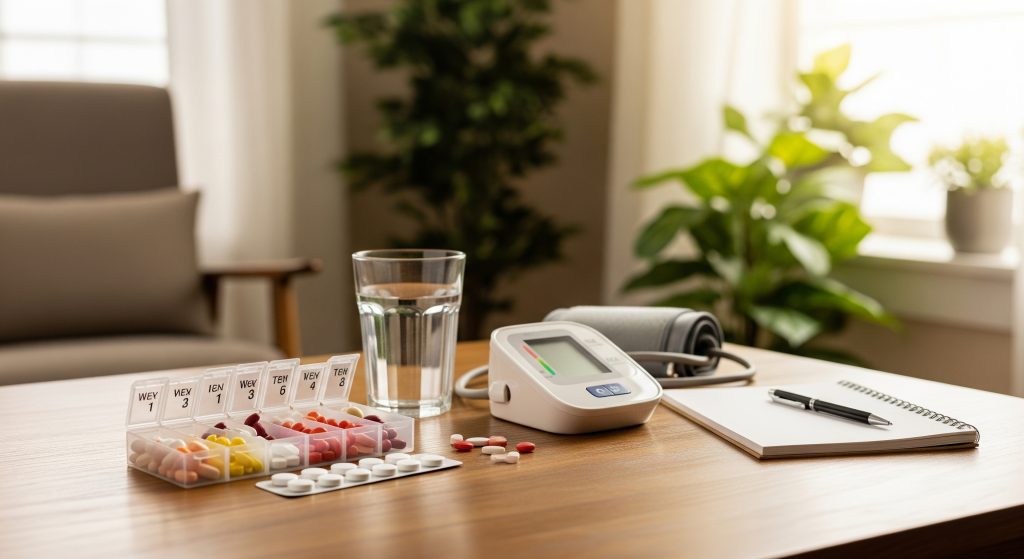
A simple pill organiser and reminders reduce missed doses. Small tools, big payoff.
Final take: Effective care rarely hinges on a single pill. It rests on a coherent plan, clear monitoring, honest dialogue, and steady habits. That is how a heart disease medication does its best work.

