






 We do what's right for you...


Explainer: Effective Neck Pain Home Treatment Made Simple
Dr. Neetan Sachdeva
Stretching harder and resting longer are common suggestions for neck discomfort. They often miss the point. Effective neck pain home treatment relies on small, precise actions that reduce irritation, restore movement, and keep strain from creeping back. I will show a practical sequence that works for busy people and for persistent pain patterns, with clear guardrails to stay safe.
Quick Relief Techniques for Neck Pain at Home
Hot and Cold Therapy Application Methods
I start with temperature because it modulates pain fast. For a fresh strain or sharp flare, I use cold packs for 10 to 15 minutes. I place a thin cloth between skin and pack, then repeat every 2 hours for the first day. For stiffness or muscular tightness, I switch to heat. A warm pack or shower for 15 to 20 minutes can relax guarding muscles. I avoid falling asleep on a heating pad to prevent skin irritation.
Here is why the sequence matters. Cold can calm inflammatory signals after recent overload. Heat encourages circulation when muscles feel rigid. For mixed symptoms, I alternate: 10 minutes cold, then a 20 minute break, then 10 minutes heat. Simple, repeatable, and kind to tissues. This is a sensible entry point for neck pain home treatment.
Self-Massage Techniques for Immediate Relief
I use three methods that are easy to learn at home. First, gentle kneading with the fingers along the upper trapezius. I press, release, and move a centimetre at a time from shoulder to neck. Second, small circular motions on tight spots beside the spine. Third, targeted pressure on tender points at the base of the skull, holding for 10 seconds, then easing away. These patterns reduce local tone and can improve blood flow.
Tools can help when hands tire. A simple lacrosse ball against a wall lets me treat the shoulder blade border safely. I roll slowly, breathe, and keep sessions to 3 to 5 minutes. Massage guns or wraparound neck massagers may assist. Used on low settings and kept away from the throat, they can be practical adjuncts. In practice, self-massage slots neatly into a daily neck pain home treatment plan.
-
Work within a 4 to 6 out of 10 pressure level.
-
Stop if pain radiates or if numbness appears.
-
Hydrate afterwards to support recovery.
Over-the-Counter Pain Management Options
Over-the-counter options can reduce pain while mobility is restored. I consider paracetamol for baseline relief. Some people use non-steroidal anti-inflammatories for short courses, provided there are no contraindications. Topical gels can be useful when oral medicines are not desired. I avoid layering multiple products with the same ingredient. I also schedule any medicine around planned neck pain relief exercises, so movement feels more tolerable and form stays correct.
Gentle Stretching for Acute Pain
Acute pain benefits from movement, not aggressive stretching. I prefer short sets of controlled range work. I sit tall, soften my shoulders, and guide my head to a mild stretch. I hold for 5 to 8 seconds, then return to neutral. I repeat 5 times in each direction. This prevents spasm and avoids irritation. It is basically a warm start for a wider neck pain home treatment routine.
-
Flexion: nod slightly as if saying yes.
-
Rotation: look right and left without forcing end range.
-
Lateral flexion: ear towards shoulder with the opposite shoulder relaxed.
Rest Positions That Reduce Strain
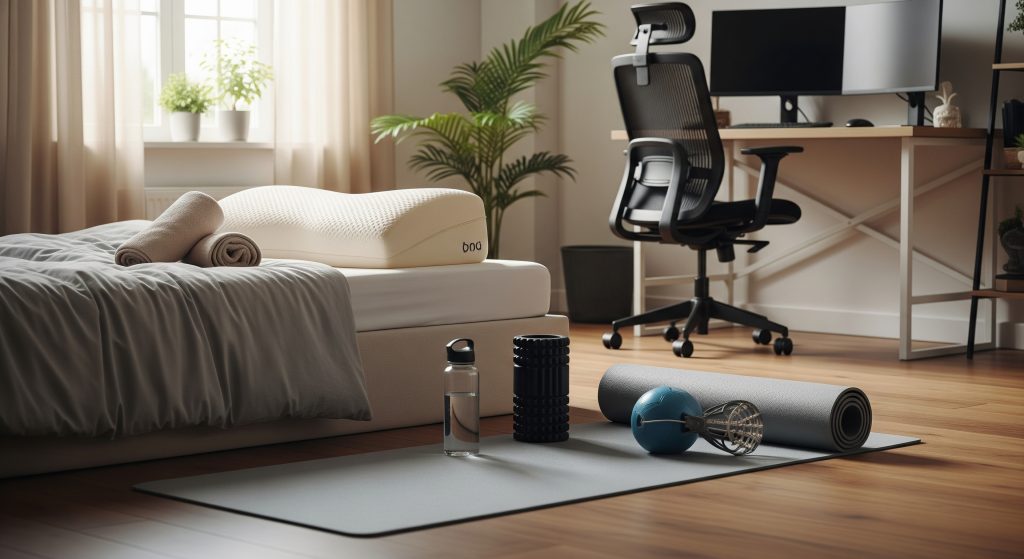
Rest positions matter because micro-strain accumulates fast. I use a thin pillow under the head and a small towel roll under the neck curve when lying on the back. Side lying works well with a pillow that fills the gap between ear and shoulder. A small pillow under the arm can relax the trapezius. I avoid stomach sleeping because the head twists for hours. This simple change supports ongoing neck pain home treatment through the night.
Neck Pain Exercises and Relief Stretches
1. Neck Rotation Exercises
Rotation restores confidence and reduces guarding. I sit supported and rotate the head to the right until a mild stretch. I hold for 5 seconds, return to centre, then rotate left. I perform 10 slow repetitions each side. I keep the chin level to avoid extension. If pain increases, I cut the range and continue gently. This is a foundation within neck pain exercises that supports daily function.
2. Shoulder Blade Squeezes
Shoulder blade control protects the neck. I sit or stand tall. I pull the shoulder blades back and slightly down, as if tucking them into back pockets. I hold for 5 seconds, relax for 5 seconds, and repeat 12 times. Two sets per day are sufficient. These build endurance in mid-back muscles, which reduces load on the neck. They also prime posture before neck pain relief exercises.
3. Chin Tuck Exercise
The chin tuck builds deep neck flexor strength. I imagine a string pulling the crown of the head upward. I glide the chin straight back without tilting, creating a gentle double chin. I hold for 5 seconds and repeat 10 times. On a wall, the back of the head touches lightly, then releases. The deep stabilisers respond well to this work. It is a quiet but powerful step in neck pain home treatment.
4. Side Neck Stretches
For lateral flexion, I sit tall and keep both shoulders heavy. I tilt my head to the right. I feel a stretch along the left side of the neck. I hold for 20 seconds and breathe slowly. I repeat on the other side. I avoid pulling the head with the hand in acute phases. Over time, I may add gentle overpressure. This maintains range that supports other neck pain exercises.
5. Upper Trapezius Stretch
I sit upright, hold the seat with one hand, and tilt my head away from that side. I rotate slightly towards the armpit to bias fibres. I hold for 20 to 30 seconds and repeat 2 times each side. If there is tingling, I release at once. The goal is relief, not provocation. This drill links well with shoulder blade squeezes in a daily neck pain home treatment plan.
6. Levator Scapulae Stretch
This muscle often feels grippy at the upper inner shoulder blade. I sit tall, look down towards the opposite armpit, and gently bow the head. I hold the seat with the same side hand to stabilise the shoulder. I hold for 20 to 30 seconds and repeat 2 times per side. Improved levator flexibility often reduces morning stiffness.
Modified Exercises for Different Age Groups
Adjustments keep exercises safe across ages. For older adults, I reduce hold times and use chair support. I prioritise slow tempo over intensity. For active adults, I add light resistance with a band for chin tucks and rows. For teenagers with tech posture, I limit volume and emphasise frequent micro-breaks. A phased approach makes neck pain relief exercises sustainable and measurable.
-
Start with low volume: 1 to 2 sets per day.
-
Increase by 10% weekly if symptoms allow.
-
Track symptoms morning and evening for trend insight.
Sleep Solutions and Best Pillow Selection
Optimal Sleeping Positions for Neck Support
Back and side sleeping are the most supportive. On the back, I choose a low to medium pillow with a slight neck roll. On the side, I ensure the pillow fills the ear-to-shoulder space. I keep the spine aligned and avoid sink. Good night support multiplies the effect of neck pain home treatment performed in the day.
Memory Foam vs Orthopaedic Pillows
Memory foam conforms to shape and spreads pressure. It suits those who prefer a cradled feel. Orthopaedic pillows include contours or cut-outs that guide alignment. They can stabilise side sleeping position well. The best pillow for neck pain is the one that preserves neutral alignment reliably, even with position shifts. Personal preference matters, but alignment matters more.
Cervical Support Pillow Features
I assess features systematically. A gentle central dip for back sleeping. Higher side bolsters for side sleeping. A breathable cover to limit heat. Removable inserts for height adjustment. Non-toxic foam certifications are a bonus for sensitive users. These details help the best pillow for neck pain perform night after night.
|
Feature |
Why it matters |
|---|---|
|
Neck roll |
Supports cervical curve without pushing the head forward. |
|
Adjustable height |
Matches shoulder width and mattress firmness. |
|
Side bolsters |
Prevents side-sleep collapse into flexion or rotation. |
|
Breathable cover |
Reduces heat build-up that can disturb sleep. |
Pillow Height and Firmness Guide
Height depends on shoulder width and mattress sink. Broad shoulders on a firm mattress need a taller pillow. Narrow shoulders on a soft mattress need less height. Firmness should support without creating pressure points. I test by lying down for two minutes and checking if the jaw feels level and the neck muscles feel relaxed. If I wake with forehead tension, the pillow is often too high.
Alternative Support Options
Not ready to change pillows yet. I use a rolled towel inside the pillowcase to create a neck roll. For travel, an inflatable U-shaped pillow can prevent dozing with the head slumped. In recovery phases, a small body pillow between the arms helps the upper back relax. These small adjustments support a broader neck pain home treatment programme.
Mattress Considerations for Neck Health
Mattress feel shapes pillow choice. A very soft mattress lets the shoulder sink, which reduces the required pillow height. A very firm mattress does the opposite. I aim for a medium or medium-firm feel that keeps the spine aligned. I also rotate the mattress on schedule to maintain support zones. Sleep is not passive recovery. It is a structured part of neck pain home treatment.
Prevention and Long-Term Management Strategies
Workstation Ergonomics Setup
An ergonomic desk setup prevents repeat flares. I set the top of the screen at or just below eye level. I keep the monitor about an arm’s length away. I place the keyboard so elbows rest at roughly 90 degrees, close to the body. The chair supports the mid-back. I leave a fist-sized gap behind the knees. I also bring the phone to eye level, not the head to the phone. These basics outperform complex gadgets when applied consistently.
-
Screen centre: within 15 degrees of eye height.
-
Reach zone: mouse and keyboard within close range.
-
Breaks: stand and reset posture every 30 to 45 minutes.
Daily Posture Correction Habits
Posture is behaviour under load. I use micro-cues across the day. Ears over shoulders while walking. Shoulders gently down while typing. Chin tuck at red lights. One notebook reminder that says tall. These cues create repetition without strain. Over weeks, endurance builds. This helps neck pain home treatment stick.
Screen Time Management Tips
Prolonged flexion is the quiet trigger. I set a timer for 30 minutes and take a minute to move. I use larger font sizes to avoid peering forward. I employ a stand for tablets and a separate keyboard. Blue light settings help sleep, which in turn helps recovery. Small changes reduce daily load and protect the benefit of neck pain relief exercises.
Strengthening Exercises for Prevention
Strength is the long-term stabiliser. I add three moves after pain settles:
-
Prone Y and T raises with light weights for shoulder girdle endurance. 2 sets of 12.
-
Band-resisted rows focusing on scapular depression. 3 sets of 10.
-
Isometric neck holds in neutral. 5 holds of 10 seconds in each direction.
Progress slow and steady. Increase volume by 10% weekly if symptoms remain stable. This is the engine room of neck pain home treatment when the goal is resilience.
Lifestyle Modifications That Help
Recovery is multifactorial. I walk 30 minutes most days to promote blood flow. I manage stress with breathing sets: 4 seconds inhale, 6 seconds exhale, for 5 minutes. I keep a water bottle on the desk. I carry bags with both straps to reduce asymmetry. These are unglamorous steps. They work.
When to Seek Professional Help
Home care has limits. I seek assessment if pain persists beyond two to three weeks despite structured work. I seek help at once for red flags: arm weakness, hand clumsiness, progressive numbness, fever, unexplained weight loss, night pain that does not settle, or a recent significant fall. Clinical evaluation clarifies diagnosis and protects long-term function. Neck pain home treatment complements care; it does not replace it.
Making Neck Pain Home Treatment Work for You
A plan beats good intentions. I use a three-block structure that fits real life:
-
Block 1 – Relief: temperature therapy, self-massage, gentle range drills. 10 to 15 minutes.
-
Block 2 – Restore: chin tucks, rotation, scapular squeezes. 10 to 12 minutes.
-
Block 3 – Protect: posture resets, short walks, sleep alignment checks. 5 to 8 minutes.
I schedule this on weekdays and a lighter version on weekends. I track three signals: morning stiffness, range for rotation, and perceived effort during desk work. If two of three improve, I maintain the load. If any worsen for two days, I reduce volume by 25% and retest. This measured loop keeps neck pain home treatment adaptive and safe.
Two small examples illustrate the approach. A software tester with chronic tightness cut screen marathons into 40 minute blocks and added scapular squeezes. Symptoms eased within two weeks. A delivery driver moved from a tall, rigid pillow to an adjustable cervical option. Morning headaches fell away. These are modest changes. And yet, the compounding effect is substantial.
Strong necks are trained, not wished for. Daily exposure to good positions and light strength work builds that strength.
Frequently Asked Questions
How long does neck pain typically last with home treatment?
Most uncomplicated neck strains improve within one to three weeks with consistent care. Early gains often appear in the first seven to ten days. Recovery timelines vary with workload, sleep quality, and adherence. If progress stalls beyond three weeks, I recommend professional assessment to confirm diagnosis. Structured neck pain home treatment shortens recovery in many cases, though not without exceptions.
Can neck pain exercises make the pain worse?
Yes, if range is forced or volume jumps too quickly. I keep intensity below a 4 to 6 out of 10 discomfort level. I avoid end-range holds in the first days of a flare. I use slow tempo and crisp form. If pain lingers past 24 hours at an increased level, I scale back. Well-chosen neck pain exercises should decrease fear and improve control.
What’s the best sleeping position for chronic neck pain?
Back or side sleeping are usually best. Back sleeping with a slight neck roll supports the curve without thrusting the head forward. Side sleeping works when a pillow fills the ear-to-shoulder space. Stomach sleeping twists the neck for hours and commonly aggravates symptoms. The best pillow for neck pain is the one that holds neutral alignment all night.
Should I use heat or ice for neck pain relief?
Use ice for fresh, irritated pain after recent overload. Use heat for chronic stiffness and muscular tightness. When unsure, I trial each for 10 minutes and observe which reduces guarding. Alternating can help mixed presentations. Integrate the chosen method before neck pain relief exercises to improve comfort and movement quality.
When should neck pain be considered serious?
Serious signs include progressive weakness, loss of hand coordination, spreading numbness, fever, unexplained weight loss, night pain that does not settle, or recent trauma. These warrant prompt medical review. If typical symptoms do not improve within two to three weeks of structured work, I also seek evaluation. Neck pain home treatment should complement, not delay, medical care when red flags appear.
Are cervical pillows suitable for all age groups?
They can be, with size and firmness matched to the user. For smaller frames or children, full orthopaedic shapes may be too large. In those cases, a low-profile pillow with a small roll or a towel insert is preferable. For older adults, adjustability is valuable as posture and muscle tone change. Fit, not the label, determines suitability.
How often should neck pain relief exercises be performed?
For flare management, I perform gentle mobility work two to three times daily in short sets. For strengthening, I schedule one focused session per day, five days per week. I add micro-breaks every 30 to 45 minutes for posture resets. Consistency outperforms intensity. The rhythm matters more than heroic single sessions.
This article integrates neck pain home treatment with structured routines, progressive loading, and sleep alignment advice. It also highlights neck pain exercises and neck pain relief exercises, alongside guidance on finding the best pillow for neck pain.

