






 We do what's right for you...


Everything You Need to Know About the 2D Echo Test
Dr. Hriday Kumar Chopra
Disclaimer: The content shared here is for informational purposes only. Always consult a specialist doctor before attempting any treatment, procedure, or taking any medication independently.
Most advice on cardiac testing focuses on invasive procedures and exotic scans. That bias wastes time and money. A 2D Echo Test often answers the central question faster: how well your heart pumps and how its valves behave in real time. It is basically the workhorse of heart imaging and the first step that guides smarter decisions.
What Conditions Does a 2D Echo Test Diagnose
Heart Valve Disorders and Abnormalities
A 2D Echo Test shows valve structure and function while blood flows. You can see leaflet motion, thickening, calcification, and regurgitation jets. This helps distinguish stenosis from regurgitation and estimate severity. In practice, you and your clinician correlate symptoms with quantifiable measures like jet area and pressure gradients. The aim is simple. Confirm what the valve does under load and plan targeted care.
-
Detects stenosis severity through valve area and gradient estimates.
-
Identifies regurgitation and its mechanism, such as prolapse or tethering.
-
Assesses prosthetic valve function and complications.
Congenital Heart Defects in Children
For paediatrics, a 2D Echo Test maps septal defects, outflow tract issues, and complex anatomy. You get structural clarification without radiation. Colour Doppler reveals shunt direction and size. Timing matters in children, so this test supports decisions on monitoring versus early intervention. Precision improves outcomes, especially when anatomy is subtle.
Cardiomyopathy and Heart Muscle Problems
Cardiomyopathies change wall thickness, chamber size, and contractility. A 2D Echo Test highlights hypertrophic patterns, dilatation, or restrictive physiology. You see global systolic function and segmental changes. That distinction guides therapy. For example, hypertrophic obstructive disease needs different management from dilated cardiomyopathy. Small images, large consequences.
Blood Clots and Tumours
Intracardiac thrombi and masses alter stroke risk and treatment plans. A 2D Echo Test can visualise thrombus in a ventricle with poor function. It also flags atrial masses or myxomas. Transoesophageal views refine detail when needed. You get a direct look before planning anticoagulation or surgery. That clarity reduces guesswork.
Pericardial Diseases
Pericardial effusion, tamponade physiology, and constrictive patterns are evident on imaging. A 2D Echo Test identifies fluid, chamber collapse, and respiratory variation of flows. These are decisive signs. When pressure rises, the right heart tells the story first. Early detection shortens the path to pericardiocentesis or tailored therapy.
Heart Failure Assessment
Heart failure is not one disease. It is a syndrome with varied mechanics. A 2D Echo Test measures ejection fraction, diastolic parameters, and valve lesions that drive symptoms. You also see pulmonary pressures and right ventricular function. This shapes medication choices and timing of device therapy. Better measurement, better fit.
Post-Heart Attack Evaluation
After myocardial infarction, a 2D Echo Test quantifies wall motion abnormalities. You can detect complications such as ventricular aneurysm, papillary muscle dysfunction, or thrombus. It also tracks recovery over weeks. Those images inform rehabilitation intensity and secondary prevention. Progress becomes visible, not assumed.
How the 2D Echo Test Procedure Works?
Transthoracic Echocardiogram Process
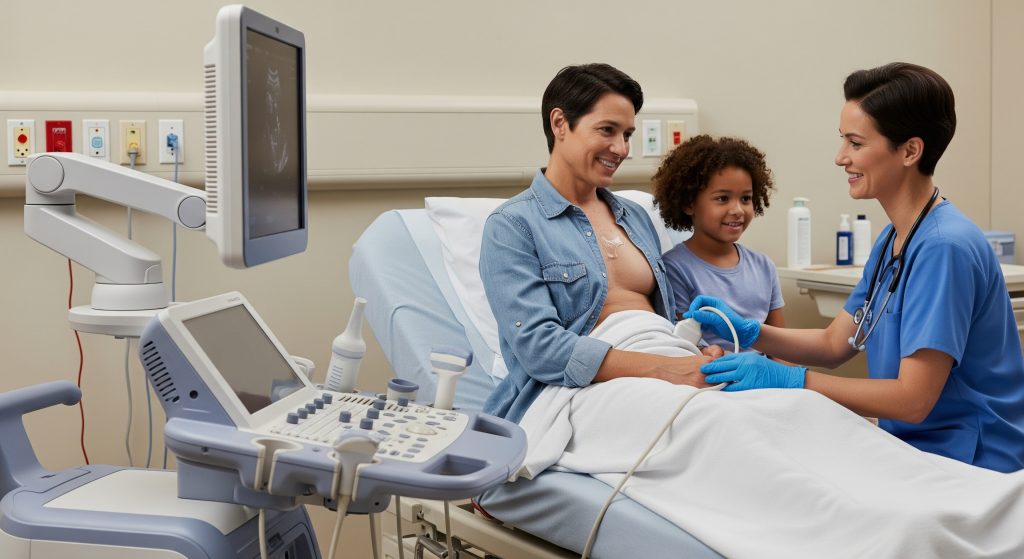
Transthoracic echocardiography is the standard approach. A sonographer applies gel and uses a transducer on your chest to acquire images. You lie on your left side to bring the heart closer to the chest wall. The device sends high-frequency sound waves and captures their echoes. The result is a live view of chambers, valves, and motion.
-
Identification and consent.
-
Electrode placement for heart rhythm tracking if needed.
-
Gel application and probe positioning in set windows.
-
Acquisition of 2D, colour, and Doppler sequences.
-
Preliminary review to ensure diagnostic completeness.
Transoesophageal Echocardiogram Steps
Transoesophageal imaging offers higher resolution, especially for atria and posterior structures. You fast beforehand. Sedation and throat numbing aid comfort. The probe passes into the oesophagus, which lies close to the heart. Images are then captured with minimal lung or rib interference. The trade-off is invasiveness for richer detail.
-
Pre-sedation checks and fasting confirmation.
-
Local anaesthetic spray and careful probe insertion.
-
Targeted imaging of valves, septum, and atrial appendage.
-
Observation post-procedure until alert and safe to leave.
Stress Echocardiogram Protocol
Stress echocardiography evaluates how your heart responds to workload. You either exercise on a treadmill or receive medication to raise heart rate. Images are captured at rest and at peak stress. The goal is to uncover ischaemia through new wall motion changes. It is a functional test, not just structural. Performance under stress tells the deeper story.
Doppler Ultrasound Integration
Doppler enables velocity measurement of blood flow. It quantifies gradients across valves and estimates pressures. With colour maps, you visualise regurgitant jets and shunt direction. This moves the 2D Echo Test beyond pictures to physics. Numbers are not decorative. They guide thresholds for intervention.
Duration and Patient Positioning
A standard transthoracic study usually lasts **20 to 45** minutes. A transoesophageal study may take **30 to 60** minutes, including recovery. You lie mainly in the left lateral decubitus position. Minor posture adjustments improve window quality. Comfort improves image quality, so small adjustments matter.
What the Technician Measures
Sonographers and clinicians collect core metrics. These include chamber dimensions, wall thickness, ejection fraction, and valve gradients. They also measure regurgitant volumes, estimated pulmonary pressure, and right ventricular performance. Clear measurements enable trend tracking. That is how you turn a single scan into a longitudinal record.
|
Parameter |
What it shows |
|---|---|
|
Left ventricular ejection fraction |
Pump performance and systolic function |
|
Left atrial size |
Chronic pressure load and rhythm risk context |
|
Valve gradients and areas |
Stenosis severity and intervention thresholds |
|
Regurgitant volume |
Leak severity and surgical timing |
|
Right ventricular function |
Prognosis and pulmonary pressure effect |
Preparing for Your 2D Echo Test
Pre-Test Instructions for Adults
For a routine transthoracic 2D Echo Test, you usually require no fasting. Continue normal hydration. Wear loose clothing, and avoid heavy lotions on the chest. Bring a current medication list and past relevant reports. Arrive slightly early. Small details reduce artefacts and administrative delay.
Special Considerations for Children
Children benefit from clear preparation and calm scheduling. Explain the gel and probe in simple terms. Bring a comfort item if permitted. For infants, feeding and nap timing can help stillness. If sedation is considered, follow paediatric fasting and consent rules precisely. The goal is cooperation without distress.
Medications to Discuss
Discuss beta-blockers, antiarrhythmics, and anticoagulants with your clinician. For stress echo, heart rate targets matter. Some medicines may be paused under supervision. For transoesophageal studies, review reflux disease and swallowing issues. Also mention allergies to anaesthetics. Preparedness prevents avoidable interruptions.
Clothing and Personal Items
Wear a two-piece outfit for easier access to the chest. Remove necklaces and chest piercings beforehand. Carry a photo ID, referral letter, and insurance details if relevant. Keep valuables minimal. Practical choices shorten setup time.
Fasting Requirements for TEE
For transoesophageal studies, do not eat or drink for **6 to 8** hours before the test. This reduces aspiration risk under sedation. Confirm exact timing with your centre. Afterward, wait until the throat reflex returns before eating. Safety first, images second.
Understanding Your 2D Echo Test Results
Normal vs Abnormal Findings
A normal 2D Echo Test typically shows normal chamber sizes, preserved wall motion, and competent valves. Flows are laminar with trivial leaks at most. Abnormal results range from mild enlargement to severe dysfunction. Context matters. A mild change may be stable in an older adult, yet material in a younger athlete. Read the findings with clinical context in mind.
Ejection Fraction Percentages
Ejection fraction (EF) estimates the proportion of blood ejected per beat. Roughly speaking, a typical left ventricular EF is **50 to 70 percent**. Borderline values may sit in the **41 to 49 percent** range. Reduced EF is **40 percent** or below. These bands vary slightly by method and lab. Methodology influences the number, not the clinical need to act.
EF is a compass, not a verdict. It points to function and directs therapy intensity.
Chamber Size Measurements
Chamber dimensions reflect pressure and volume loads over time. For example, an enlarged left atrium often signals longstanding diastolic pressure. Ventricular dilatation suggests volume overload or cardiomyopathy. Tracking size over serial scans shows whether treatment works. It is an honest feedback loop.
Wall Motion Abnormalities
Regional wall motion abnormalities imply ischaemia or infarction in a coronary territory. Global hypokinesis suggests diffuse disease or cardiomyopathy. Stress echo can unmask inducible changes. If segments recover at rest over time, viability is present. If not, scarring is likely. That distinction shapes revascularisation decisions.
Valve Function Assessment
Valve assessment combines structure, flow, and quantified severity. For stenosis, gradients and valve area guide timing. For regurgitation, jet characteristics and volumes matter. Decision points often hinge on symptom burden and objective severity. Balanced judgement prevents both premature and delayed intervention.
-
Stenosis severity aligns with valve area and mean gradient.
-
Regurgitation severity aligns with effective regurgitant orifice and volume.
-
Symptoms and ventricular response set urgency.
Follow-Up Tests and Monitoring
Your next steps depend on findings and symptoms. Options include repeat 2D Echo Test for surveillance, stress testing, advanced imaging, or ambulatory rhythm monitoring. Blood tests and blood pressure optimisation may be added. The principle is straightforward. Match test intensity to clinical risk and uncertainty.
When to Seek Second Opinion
Seek a second opinion when the findings are borderline, when surgery is proposed, or when symptoms and images conflict. Complex valve disease and inherited cardiomyopathies merit subspecialty review. A measured second view can resolve ambiguity. It is a safeguard, not a challenge.
Making Informed Decisions About Your Heart Health
A 2D Echo Test converts symptoms and suspicion into visible data. Use that data with discipline. Ask what the main driver of risk is and what can be changed now. Then agree clear thresholds for action. For instance, define when regurgitation severity or EF decline should trigger referral.
Consider practical factors as well. Choose a centre with strong reporting standards and consistent protocols. Request copies of images and structured reports. Keep them for future comparisons. Continuity matters more than any single clever metric.
In clinical practice, two points carry weight. First, use the 2D Echo Test to establish baseline status before starting or escalating therapy. Second, repeat the study at sensible intervals to confirm benefit. That is evidence, not hope.
There is a final consideration. Lifestyle changes complement pharmacology. Blood pressure control, aerobic activity, and smoking cessation influence geometry and function. The scan will show it. And yet, many delay the basics while chasing new tests. Rebalance the effort toward what moves the needle.
-
Clarify the clinical question before ordering tests.
-
Choose the least invasive scan that answers that question.
-
Act on results with defined thresholds and timelines.
Maybe that is the point. Better heart decisions start with better intent and disciplined follow-through.
Frequently Asked Questions
Is a 2D echo test painful or uncomfortable
A routine transthoracic 2D Echo Test is not painful. You feel cool gel and gentle probe pressure on the chest. Transoesophageal studies can be uncomfortable due to the throat probe, but sedation and numbing reduce discomfort. Most patients tolerate both well.
How accurate is a 2D echo test in detecting heart problems
Accuracy is high for valve disease, chamber size, and systolic function. Sensitivity for small thrombi or subtle defects improves with transoesophageal imaging or contrast. Results are strongest when combined with your clinical picture. Imaging and symptoms should tell a coherent story.
Can I eat before a standard 2D echo test
Yes. You can usually eat and drink normally before a standard transthoracic 2D Echo Test. Fasting is required for a transoesophageal study and sometimes for stress protocols, based on local guidance.
How often should I have a 2D echo test done
Frequency depends on condition severity and treatment changes. Stable mild valve disease may need annual or biennial scans. Significant disease or new symptoms warrants earlier follow-up. Set an interval with your clinician and review it if symptoms change.
What’s the difference between 2D echo and ECG
An ECG records electrical activity and rhythm. A 2D Echo Test provides moving images of structure and function. They answer different questions and often complement each other. Rhythm plus structure creates a fuller diagnosis.
Are there any risks associated with a 2D echo test
Transthoracic studies carry minimal risk. Skin irritation from gel or electrodes is rare. Transoesophageal studies carry small risks related to sedation and throat instrumentation. These include aspiration or oesophageal injury, which are uncommon with proper protocols.
How much does a 2D echo test cost without insurance
Costs vary widely by region, facility, and whether contrast or stress protocols are used. Private centres may charge several hundred units of local currency. Hospital tariffs differ. Confirm inclusions such as reporting and follow-up discussion. Transparent pricing reduces surprises.

