






 We do what's right for you...


What Is Cholecystectomy Laparoscopic and How Is It Done?
Dr. Sonal Kumar Jha
Early advice often promised that any minimally invasive approach would do. That view is outdated. Cholecystectomy Laparoscopic is safe and efficient, but it succeeds on disciplined technique and careful aftercare. This guide shows how the operation is performed, how you recover, who benefits, and what risks remain.
Step-by-Step Laparoscopic Cholecystectomy Procedure
Pre-Surgical Preparation Requirements
Preparation for Cholecystectomy Laparoscopic starts with structured assessment and optimisation. As StatPearls notes, you typically receive antibiotics within 30 minutes of incision, and your comorbidities are reviewed and stabilised. You will have blood tests, imaging, and a review of your medication list, including any blood thinners.
Risk reduction begins with anatomy. As World Journal of Gastroenterology explains, preoperative planning includes anticipating variations in the hepatocystic triangle and documenting strategy to avoid biliary injury. Some situations are unusual. As Annals of Medicine and Surgery reports, situs inversus requires altered port placement and manoeuvres, yet lap chole can still proceed safely with meticulous planning.
Follow fasting guidance and arrange transport home.
Share a complete medication list and allergies.
Adopt a short pre-op diet if advised.
Where available, a brief low carbohydrate, low fat diet can shrink liver volume and improve exposure. As RUH Bath advises, focus on hydration and protein while avoiding fatty, high calorie foods. Small changes now, smoother surgery later.
Patient Positioning and Anaesthesia
Safe Cholecystectomy Laparoscopic depends on positioning and stable physiology. As Journal of Minimal Access Surgery describes, the team coordinates communication, checks padding and pressure points, and prepares for the effects of insufflation on ventilation and circulation. You are positioned supine, often with reverse Trendelenburg and slight left tilt.
The anaesthetist manages pneumoperitoneum effects. As StatPearls highlights, these changes require tailored ventilation and vigilant monitoring. Proper positioning also protects nerves and improves access for the lap chole procedure.
Creating the Pneumoperitoneum
Insufflation provides working space for Cholecystectomy Laparoscopic. Entry methods vary. A large series showed fewer access injuries with open entry compared with closed Veress needle access. As Surgical Endoscopy reported, the overall access complication rate was about **0.41%**, with lower rates using open technique.
Different techniques can be safe in expert hands. As Canadian Journal of Surgery notes, more than **80%** of surveyed surgeons preferred open transumbilical access with a Hasson trocar. Alternatives like direct trocar insertion also show high success. As Annals of Punjab Medical College reported, direct insertion succeeded in **98.26%** of cases with low complications.
Open (Hasson), closed (Veress), or direct trocar insertion can be used.
Choice depends on habit, prior surgery, BMI, and equipment.
Port Placement and Trocar Insertion
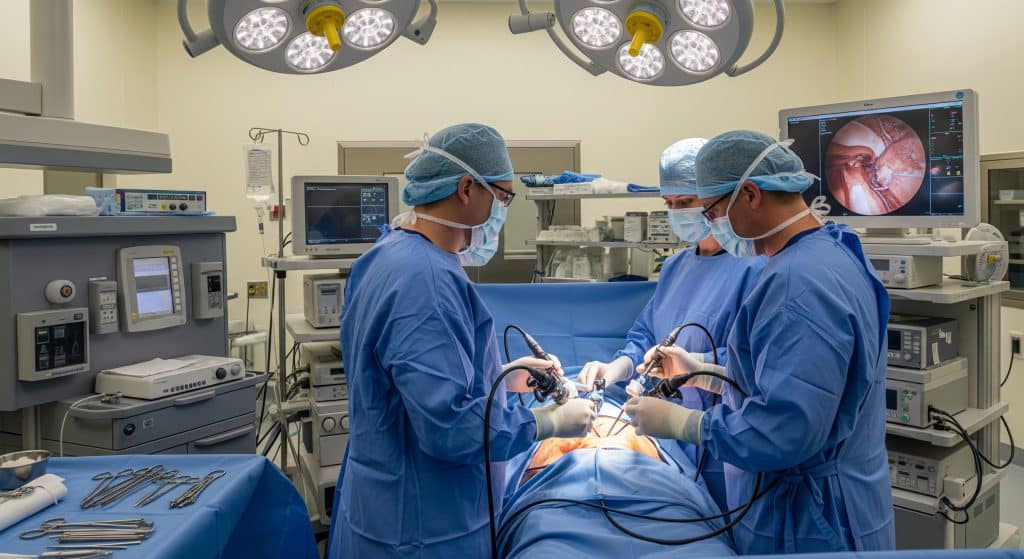
Four ports are standard for Cholecystectomy Laparoscopic: one optical and three working ports. As StatPearls explains, careful triangulation improves reach and reduces instrument conflict. Most surgeons favour a peri-umbilical camera port.
Entry injuries are uncommon but consequential. As Surgical Endoscopy documents, visceral or vascular injuries can occur during trocar or Veress placement, so direct visual control and controlled force matter. Newer approaches like single port access exist, but they demand specific training.
Peri-umbilical camera port.
Right upper quadrant working ports under vision.
Assistant port for retraction.
Visualisation and Inspection
Once inside, the surgeon surveys the abdomen and targets the gallbladder. Modern imaging aids can enhance safety in Cholecystectomy Laparoscopic. Indocyanine green fluorescence outlines the biliary tree in real time. As JSLS reports, fluorescence cholangiography improves anatomical identification and surgeon confidence.
Intraoperative ultrasound adds further detail without radiation. As GE HealthCare notes, it helps confirm ducts and vessels when the view is distorted. If needed, traditional cholangiography can be performed to clarify stones or anatomy.
Critical View of Safety
The Critical View of Safety (CVS) is the non-negotiable checkpoint in Cholecystectomy Laparoscopic. As Annals of Medicine and Surgery summarises, three elements define CVS: clear the hepatocystic triangle of fat and fibrous tissue, detach the lower third of the gallbladder from the liver, and confirm that only two structures enter the gallbladder.
Adjuncts and teaching improve CVS rates. As Surgical Endoscopy showed, focused education increased documented CVS from **69%** to **82%** among trainees. Novel methods, like the 111 technique and D-line approach, also show promise with high CVS achievement and minimal injuries.
CVS protects against misidentification. It is your best defence against a major bile duct injury.
Dissecting Hepatocystic Triangle
Dissection proceeds with blunt and sharp techniques to expose cystic structures. The goal in Cholecystectomy Laparoscopic is deliberate progress without traction injury or bleeding that obscures the view. Fat and fibrous tissue are cleared methodically to define safe planes.
Maintain counter traction on the gallbladder fundus and infundibulum.
Stay close to the gallbladder until CVS is achieved.
Pause and reassess if the field becomes hazy.
Clipping and Dividing the Artery
Only once CVS is satisfied should you ligate the cystic artery. As JSLS notes, creating a safe Triangle of Safety reduces the risk of injuring the common bile duct. Two clips on the patient side and one on the specimen side is a common pattern.
Alternative technologies exist. As World Journal of Gastrointestinal Surgery explains, ultrasonic energy or sutures can seal or ligate vessels, though clip familiarity remains widespread. The key principle stays constant: identify, secure, then divide.
Clipping and Dividing the Duct
The cystic duct is handled similarly in Cholecystectomy Laparoscopic. As Cureus emphasises, you must see only the cystic duct and cystic artery entering the gallbladder before clipping. Misidentification here is the classic route to a bile duct injury.
Where the duct is wide or inflamed, consider a secure ligature or an energy device validated for ductal sealing. Visualization first, action second. That order prevents regret.
Gallbladder Dissection from Liver
With duct and artery divided, the gallbladder is peeled off the liver bed. As World Journal of Gastroenterology notes, traction strategy matters. Excessive cautery risks bleeding and bile leaks, while poor counter traction hides the correct plane.
Modern variants, including whole layer dissection, aim to follow avascular planes and reduce bleeding. The core principle in Cholecystectomy Laparoscopic is simple. Respect the anatomy and keep the field clean.
Specimen Retrieval and Port Removal
Extraction is usually through the umbilical port. As Annals of the Royal College of Surgeons of England reports, routine retrieval bags may not always be necessary in elective, non-inflamed cases. Avoiding a bag can reduce fascial stretching and pain, though many surgeons still prefer a bag when inflammation or friability is present.
Care during Cholecystectomy Laparoscopic extraction prevents spillage. As StatPearls notes, control of the neck and gentle manipulation reduce the risk of bile leaks. Ports are removed under vision to avoid omental entrapment or bleeding.
Wound Closure and Recovery Room
Port sites of 10 mm or larger usually require fascial closure to reduce hernia risk. Skin is closed with sutures, glue, or staples. In the recovery room, you receive analgesia and antiemetics as needed. As JSLS shows, many patients can go home the same day after stable observations.
Discharge criteria are structured. As Mayo Clinic explains, you leave with clear advice on pain control, wound care, activity, and safety alerts. Steady steps, not heroic leaps, define early recovery.
Benefits, Risks and Potential Complications
Key Benefits of Lap Chole Surgery
Cholecystectomy Laparoscopic offers faster recovery and fewer wound problems than open surgery. As StatPearls notes, you can expect reduced pain, shorter stays, and lower overall morbidity. Even in acute inflammation, the laparoscopic approach is feasible and safe in experienced hands.
Smaller incisions and lower infection risk.
Quicker return to work and daily activity.
Less postoperative pain and better cosmesis.
Common Post-Operative Symptoms
Typical symptoms after Cholecystectomy Laparoscopic include port site soreness, shoulder tip pain from gas, and temporary bloating. As UNC Surgery explains, these are expected and usually settle within days. Persistent biliary-type pain can signal post-cholecystectomy syndrome and warrants evaluation.
Pain control uses staged analgesia. As Healthgrades notes, a combination of NSAIDs, paracetamol, and limited opioids balances relief and function.
Bile Duct Injury Risk
Major bile duct injury is rare but serious. Current data suggest higher rates with robotic assistance than standard laparoscopy. As JAMA reports, the rate requiring reconstruction surgery is higher with robots across risk groups.
Risk increases with acute cholecystitis and in male patients. As Annals of Hepato-Biliary-Pancreatic Surgery outlines, preoperative risk stratification and strict adherence to CVS mitigate this hazard.
Conversion to Open Surgery
Conversion protects you when visibility or safety is compromised. As Clinical Establishments guidance states, surgeon experience, resources, and case complexity all inform the threshold. Conversion is not a failure. It is judgement.
Port-Site Complications
Port site infection and hernia are the main concerns after Cholecystectomy Laparoscopic. As Cureus reviews, hernias cluster at umbilical sites and correlate with larger trocars and poor fascial closure. Infection rates vary with contamination, particularly when bile or pus has spilled.
Close fascia for 10-12 mm ports.
Minimise torque and manipulation at the umbilical site.
Keep wounds dry and watch for redness or discharge.
When to Contact Your Surgeon
Call for fever, worsening abdominal pain, jaundice, persistent vomiting, or increasing wound redness. As Alberta Health notes, recovery is usually swift after laparoscopy, but these signs demand attention. New severe diarrhoea, dark urine, or pale stools can also indicate bile issues.
Digestive symptoms will usually settle. As Cleveland Clinic advises, your team can adjust diet and medications to ease the transition while you heal.
Recovery Timeline and Aftercare Guidelines
First 24 Hours Post-Surgery
Early mobilisation, safe analgesia, and light nutrition speed recovery after Cholecystectomy Laparoscopic. As Cureus explains, ERAS programmes emphasise walking within hours, controlled pain, and gradual oral intake. Many patients tolerate fluids on day zero.
Expect shoulder discomfort and mild nausea. As NHS guidance confirms, simple analgesics and brief supervision at home improve safety. Use NSAIDs if tolerated and add a small opioid dose only if necessary.
Walk every few hours while awake.
Start with clear fluids, then light, low fat foods.
Support wounds when coughing or rising.
First Week Recovery Milestones
By day three to five, you should feel lighter and move more comfortably. Incisions remain tender, but pain is manageable. Short walks, light chores, and desk work are often possible with breaks.
Keep dressings clean and dry. Showering is usually allowed after **24-48** hours if wounds are sealed. Avoid soaking baths for a week.
Two to Four Weeks Progress
Most patients expand activity steadily during this phase of Cholecystectomy Laparoscopic recovery. As Cleveland Clinic notes, digestive adjustments occur as bile flows directly to the intestine. Gas, loose stools, or urgency may occur, especially after fatty meals.
Symptoms usually settle with a simple approach. As Alberta Health advises, choose low fat meals, add soluble fibre, and reintroduce heavier foods later.
Return to Normal Activities
Return to routine varies with job demands and individual response. As JSLS reports, the average return to normal activities is roughly **22** days, though many resume light duties sooner. Heavy lifting waits at least two weeks, sometimes four.
Your surgeon will tailor advice to your case. As Cleveland Clinic notes, light activity is usual within 1-2 weeks after laparoscopy, while open surgery needs longer.
Dietary Changes After Surgery
Diet after Cholecystectomy Laparoscopic is pragmatic, not punitive. Start with clear fluids, then bland, low fat foods. As Mayo Clinic advises, small frequent meals help because bile no longer pauses in a gallbladder reservoir.
Favour lean proteins, rice, oats, and cooked vegetables.
Limit fried, spicy, or highly processed foods early on.
Increase fibre gradually to avoid bloating.
Caffeine and alcohol can worsen cramping or urgency initially. As Cleveland Clinic notes, you can reintroduce them cautiously as symptoms settle.
Managing Digestive Adjustments
Temporary diarrhoea or urgency often improves within weeks after Cholecystectomy Laparoscopic. As Clinical Nutrition ESPEN suggests, personalised nutrition plans within ERAS frameworks reduce GI dysfunction and shorten stays. Soluble fibre can bind bile acids and reduce looseness.
Hydration and meal pacing matter. As Annals of Medicine and Surgery reports, early mobilisation and tailored diets cut overall complications. Talk to your clinician if symptoms persist beyond a month. There may be a treatable cause.
Follow-Up Care Requirements
Follow-up after Cholecystectomy Laparoscopic confirms wound healing and recovery progress. As Current Opinion in Anaesthesiology notes, structured discharge criteria emphasise stable vitals, controlled pain, and safe ambulation. Written instructions reduce confusion later.
Typical timeline:
Telephone review within 48 to 72 hours if day-case.
Clinic visit at 1 to 2 weeks for wound check.
Further review only if symptoms persist.
Who Needs Laparoscopic Gallbladder Surgery
Symptomatic Gallstones
For biliary colic, Cholecystectomy Laparoscopic is the standard of care. As C-GALL showed, surgery outperforms conservative care for uncomplicated symptomatic stones. Waiting prolongs pain and invites complications.
As StatPearls confirms, asymptomatic stones are usually observed, but symptoms change the calculus. The lap chole procedure provides definitive relief for recurrent attacks.
Acute and Chronic Cholecystitis
Both acute and chronic cholecystitis respond well to Cholecystectomy Laparoscopic. As StatPearls notes, early surgery for acute cholecystitis within **72** hours reduces complications and length of stay. Conversion is more likely in acute inflammation but remains uncommon overall.
Chronic disease presents fewer technical hurdles. The outcome is usually smooth when performed electively after proper optimisation.
Biliary Dyskinesia Diagnosis
Biliary dyskinesia is a functional diagnosis, not a stone problem. As HPB reports, the diagnosis involves biliary pain with normal imaging and a low ejection fraction on CCK-HIDA. Protocol variations exist between centres, which affects thresholds.
When strict criteria are met, Cholecystectomy Laparoscopic can relieve symptoms. Selection is critical, as outcomes are best in classic presentations.
Gallstone Pancreatitis
For mild cases, same-admission Cholecystectomy Laparoscopic is recommended after stabilisation. As World Journal of Gastroenterology supports, early surgery reduces recurrence without increasing complications. Severe pancreatitis requires patience and careful timing.
ERCP is reserved for cholangitis or obstructive jaundice. Unnecessary ERCP invites risk without benefit.
Gallbladder Polyps and Masses
Polyps larger than **10 mm** or those with symptoms warrant removal. As Canadian Journal of Gastroenterology explains, most small polyps are benign cholesterol lesions, yet size and growth rate guide surgery. Cholecystectomy Laparoscopic is the preferred approach when indicated.
Surveillance is appropriate for small, asymptomatic polyps. Repeat ultrasound tracks change over time.
Emergency versus Elective Surgery
Emergency surgery carries higher conversion and morbidity, though it may still be necessary. As Cureus reviews, elective cases usually have shorter stays and fewer complications. Yet delays in acute cholecystitis can trigger readmissions and sepsis.
In practice, prompt early-lap chole within policy pathways reduces total harm and waiting time.
Patient Selection Criteria
Most patients with symptomatic disease are candidates for Cholecystectomy Laparoscopic. Ambulatory selection is stricter. As Annals of Medicine and Surgery summarises, day-case criteria often include ASA I-II, age under **70**, BMI under **35**, and no duct stones.
Exclusions for laparoscopy are now fewer. They include uncontrolled sepsis, unstable cardiopulmonary disease, and inability to tolerate anaesthesia. Judgement matters more than dogma.
Conclusion
Cholecystectomy Laparoscopic is reliable, efficient, and, when performed with a safety-first mindset, remarkably forgiving. The essentials are consistent across settings. Prepare well. Achieve the Critical View of Safety. Clip only identified structures. Close carefully. Then guide a measured recovery with clear instructions and early mobilisation. That combination delivers the outcomes that matter: fewer complications, quicker function, and confident return to normal life after gallbladder removal surgery.
Frequently Asked Questions
How long does laparoscopic cholecystectomy surgery take?
Most operations last **45-90** minutes for routine cases of Cholecystectomy Laparoscopic. Complex inflammation can extend this window. The total theatre time also includes anaesthesia and positioning.
Can I eat normally after gallbladder removal surgery?
Yes, but advance gradually. Start with fluids, then light, low fat meals. Most people resume a normal diet within several weeks. Fat tolerance improves with time.
What size are the incisions in lap chole procedure?
Typical incisions are **5 mm** for three ports and **10-12 mm** at the umbilicus. Some surgeons use smaller optics and ports where feasible.
Is laparoscopic gallbladder surgery considered major surgery?
It is a major operation performed through small incisions. Cholecystectomy Laparoscopic still requires general anaesthesia and carries risks, though complication rates are low in experienced hands.
When can I drive after laparoscopic gallbladder surgery?
You may usually drive once you are off opioids, can perform an emergency stop, and feel comfortable. For many, that is **3-7** days. Confirm with your insurer and surgeon.
What happens if laparoscopic surgery converts to open?
The incision is extended under full sterile conditions. Hospital stay and recovery lengthen. Conversion maintains safety when inflammation or anatomy blocks progress.
Do I need special tests before cholecystectomy laparoscopic?
Most patients need blood tests and an ultrasound. Some require MRCP or liver tests if duct stones are suspected. Your team will individualise the workup.

