






 We do what's right for you...


Chickenpox Home Remedies: Natural Ways to Soothe Symptoms
Dr. Sanjay Siddharth
Everyone talks about “waiting it out” when chickenpox hits. Just let the virus run its course, they say. Slather on some cream and hope for the best. That advice isn’t wrong exactly, but it’s maddeningly incomplete. Because anyone who’s watched a child (or an adult, for that matter) covered in angry, itchy blisters knows that doing nothing feels impossible. The good news? There’s a middle ground between medical intervention and suffering in silence. Chickenpox home remedies can genuinely transform those miserable 10-14 days into something far more manageable.
The thing is, most people underestimate how much relief natural treatments can provide. I’ve seen families go from sleepless nights of constant scratching to calm, restful recovery simply by applying a few targeted remedies. This isn’t about replacing medical care. It’s about making the healing process less brutal for everyone involved.
Effective Home Remedies for Chickenpox Relief
When those telltale spots appear, the urge to scratch becomes almost unbearable. The chickenpox symptoms that follow – the fever, the spreading rash, the general misery – require a multi-pronged approach. Here are the remedies that actually work.
Calamine Lotion Application
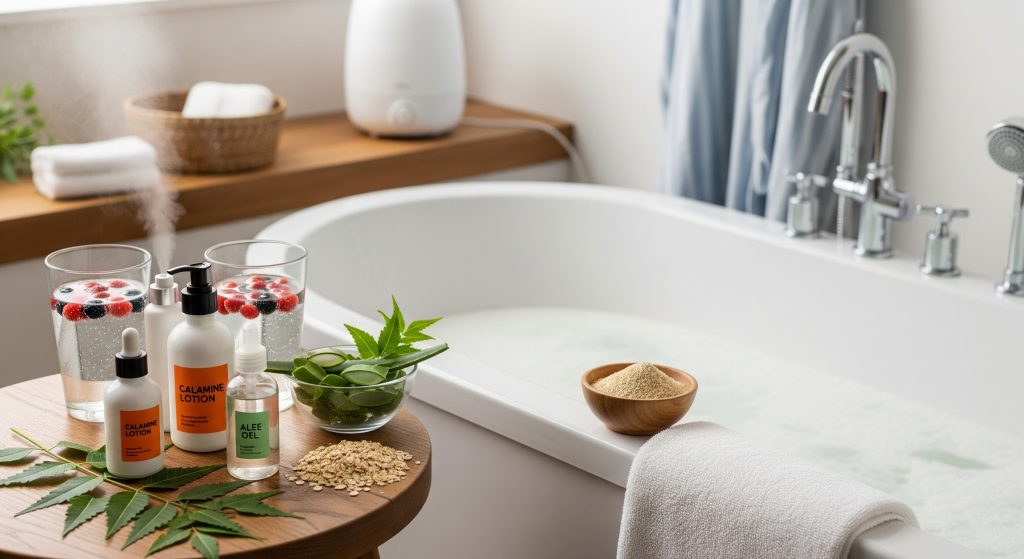
Calamine lotion has been the go-to chickenpox treatment for generations, and there’s a reason it’s stuck around. The zinc oxide and ferric oxide in the formula create a cooling sensation that interrupts the itch-scratch cycle. Apply it directly to blisters using cotton balls or clean fingertips, allowing it to dry completely before covering with loose clothing.
A few practical tips:
-
Apply after baths when skin is clean and slightly damp
-
Avoid getting lotion near the eyes or mouth
-
Reapply every 4-6 hours or whenever itching intensifies
-
The pink residue is normal – it’s part of the protective layer
Cool Compress Therapy
Sometimes the simplest solutions are the most effective. A cool, damp cloth applied to intensely itchy areas provides instant (if temporary) relief. The cold sensation essentially distracts the nerve endings from transmitting itch signals to the brain.
Here’s the technique:
-
Soak a clean, soft cloth in cold water
-
Wring out excess water so it’s damp, not dripping
-
Apply gently to affected areas for 5-10 minutes
-
Repeat as needed throughout the day
Never use ice directly on chickenpox blisters. The extreme cold can damage already compromised skin and increase the risk of scarring.
Aloe Vera Gel Application
Aloe vera is basically nature’s after-sun care, and it works beautifully for chickenpox blisters too. The gel contains compounds that reduce inflammation, promote healing, and provide a cooling sensation. Fresh aloe from a plant is best, but store-bought pure aloe vera gel works well too.
Slice open an aloe leaf and scoop out the clear gel. Apply a thin layer directly to blisters and allow to absorb naturally. The gel forms a protective barrier that keeps blisters hydrated while reducing the urge to scratch. Apply three to four times daily for best results.
Honey for Blisters
Raw honey isn’t just for toast. Its natural antibacterial properties can help prevent secondary infections in open blisters, while its thick consistency creates a protective covering. Manuka honey is particularly effective due to its higher concentration of methylglyoxal (MGO), the compound responsible for its antimicrobial action.
Apply a thin layer of raw honey to individual blisters that have begun to open or crust over. Cover loosely with gauze if needed to prevent mess. Leave for at least 30 minutes before gently rinsing. This treatment is especially useful for preventing scars on facial blisters.
Managing Chickenpox Symptoms Naturally
Beyond the blisters themselves, chickenpox brings a constellation of symptoms that need managing. Fever, relentless itching, and the risk of permanent scarring all require attention.
Fever Reduction Methods
Fever during chickenpox is the body’s natural response to fighting the varicella-zoster virus. Moderate fevers (below 39°C) generally don’t require intervention, but higher temperatures need management.
Natural fever reduction strategies include:
-
Lukewarm sponge baths – not cold, which can cause shivering and actually raise core temperature
-
Light, breathable clothing – overdressing traps heat
-
Increased fluid intake – dehydration worsens fever symptoms
-
Rest in a well-ventilated room – fresh air circulation helps regulate body temperature
IMPORTANT: Never give aspirin to children or teenagers with chickenpox. It’s associated with Reye’s syndrome, a rare but serious condition affecting the brain and liver.
Itch Relief Strategies
The single most frustrating part of chickenpox treatment is managing the itch. It’s relentless. It wakes people up at night. It makes children and adults alike want to claw their skin off.
Beyond the topical remedies already mentioned, consider these approaches:
-
Keep rooms cool – heat intensifies itching
-
Run a humidifier to prevent skin from drying out
-
Apply topical treatments immediately after bathing when pores are open
-
Distraction genuinely works – films, games, anything that occupies the mind
Oral antihistamines (specifically non-drowsy versions during the day and sedating versions at night) can help break the cycle. Consult a pharmacist for appropriate options.
Preventing Scratching Techniques
Scratching feels like the obvious solution to itching, but it’s actually the enemy. Broken blisters become infected. Infected blisters become scars. Scars become permanent reminders of a temporary illness.
Practical scratch-prevention measures:
-
Keep fingernails trimmed short and filed smooth
-
Have children wear cotton mittens or socks on their hands at night
-
Wear long, soft cotton pyjamas to create a barrier
-
Apply anti-itch treatments proactively, not just reactively
For young children who can’t resist scratching, gentle redirection works better than scolding. “Gentle patting” as an alternative to scratching can provide some relief without causing damage.
Scar Prevention Tips
Once the acute phase passes, preventing long-term scarring becomes the priority. Scars form when the deeper dermal layer of skin is damaged, usually through scratching or secondary infection.
To minimise scarring:
-
Allow scabs to fall off naturally – never pick or peel them
-
Keep healing skin moisturised with vitamin E oil or cocoa butter
-
Protect healing skin from sun exposure for at least six months
-
Gently massage healed areas to improve blood flow and collagen production
Existing chickenpox scars can fade significantly with consistent treatment over time, though older scars require more patience.
Dietary and Lifestyle Adjustments During Chickenpox
What goes into the body matters just as much as what goes onto it. The chickenpox incubation period (typically 10-21 days before symptoms appear) provides no warning, but once symptoms hit, dietary choices can accelerate or hinder recovery.
Hydration Guidelines
Fever and blisters both increase fluid loss. Dehydration worsens symptoms across the board – it makes skin drier (and itchier), thickens mucus, and prolongs recovery time.
Daily fluid targets during active chickenpox:
-
Children aged 1-3: 4-5 glasses of fluid daily
-
Children aged 4-8: 5-6 glasses of fluid daily
-
Older children and adults: 8-10 glasses of fluid daily
Water is best, but herbal teas, diluted fruit juices, and clear broths all count. Ice lollies can be particularly soothing if mouth blisters are present. Avoid caffeinated drinks and concentrated sugary beverages.
Immune-Boosting Foods
The immune system is already working overtime. Give it the nutrients it needs.
Focus on:
-
Vitamin C-rich foods: oranges, strawberries, kiwi, bell peppers
-
Zinc sources: lean meats, nuts, seeds, legumes
-
Vitamin A foods: sweet potatoes, carrots, leafy greens
-
Protein: eggs, chicken, fish, tofu (essential for tissue repair)
Soft, easy-to-eat foods are ideal when throat or mouth blisters make swallowing uncomfortable. Smoothies packed with berries and spinach deliver nutrients without requiring much chewing.
Foods to Avoid
Some foods actively worsen chickenpox symptoms. Don’t even bother with these until recovery is complete:
-
Salty foods: irritate mouth sores and increase dehydration
-
Citrus and acidic foods: sting mouth blisters intensely
-
Spicy foods: increase body heat and irritate skin
-
Processed sugars: suppress immune function temporarily
-
Dairy (if congested): can thicken mucus production
Rest and Recovery Tips
Chickenpox treatment isn’t just about active intervention. Rest matters enormously. The body heals during sleep, and immune function is significantly enhanced by adequate rest.
Create optimal conditions for recovery:
-
Darken the bedroom during naps and nighttime sleep
-
Maintain room temperature around 18-20°C
-
Allow unlimited rest – fighting fatigue only prolongs illness
-
Light activity is fine during wakeful periods, but avoid anything strenuous
Screen time can be a lifesaver for keeping restless patients occupied, but blue light before bed can disrupt sleep. Consider switching to reading or audiobooks in the evening.
Clothing Recommendations
What touches the skin constantly throughout the day has a cumulative effect. Wrong choices make everything worse.
Ideal clothing during chickenpox:
-
Loose, soft cotton or bamboo fabrics
-
Lightweight layers that can be added or removed as temperature fluctuates
-
Smooth seams that won’t rub against blisters
-
Easy-access designs for applying topical treatments
Avoid synthetic fabrics, tight clothing, and anything with rough textures. Freshly laundered clothes (with fragrance-free detergent) should be changed daily to prevent bacterial buildup.
Safety Considerations and When to Seek Medical Help
Chickenpox home remedies work brilliantly for most cases. But – and this is critical – they’re not a substitute for medical care in certain situations.
Age-Specific Precautions
The varicella-zoster virus affects different age groups differently. What’s a mild annoyance for a healthy five-year-old can be dangerous for others.
|
Age Group |
Risk Level |
Special Considerations |
|
Infants under 1 year |
High |
Seek immediate medical attention; immune systems are immature |
|
Children 1-12 years |
Low-Moderate |
Usually mild; home remedies typically sufficient |
|
Teenagers |
Moderate |
Often more severe than childhood cases; monitor closely |
|
Adults |
High |
Significantly higher complication rates; may need antiviral medication |
|
Pregnant women |
Very High |
Requires immediate medical supervision |
|
Immunocompromised individuals |
Very High |
Requires medical management, not just home care |
Warning Signs
Most chickenpox cases resolve without incident. But certain symptoms demand professional evaluation immediately:
-
Fever exceeding 39°C that doesn’t respond to standard fever management
-
Difficulty breathing or persistent cough
-
Blisters that become very red, warm, or ooze pus (signs of bacterial infection)
-
Severe headache, stiff neck, or confusion
-
Vomiting more than twice in 24 hours
-
Extreme lethargy or difficulty waking
Trust your instincts here. If something feels wrong, seek medical advice. Better to check unnecessarily than to miss something serious.
Complications to Monitor
While rare, chickenpox complications do occur. Awareness helps catch problems early.
Secondary bacterial skin infections are the most common complication, occurring when broken blisters become colonised by staphylococcus or streptococcus bacteria.
Other potential complications include:
-
Pneumonia: more common in adults and smokers
-
Encephalitis: inflammation of the brain (rare but serious)
-
Dehydration: especially in young children with mouth sores
-
Sepsis: from untreated bacterial infections
Chickenpox Vaccine Information
Prevention beats treatment every time. The chickenpox vaccine (varicella vaccine) is highly effective at preventing infection or significantly reducing severity if breakthrough infection occurs.
Key vaccination facts:
-
Two doses are recommended: first at 12-15 months, second at 4-6 years
-
The vaccine is approximately 90% effective at preventing any chickenpox and 95% effective at preventing severe disease
-
Adults who’ve never had chickenpox or the vaccine should consider vaccination
-
The vaccine is live-attenuated, meaning it contains a weakened form of the virus
Some parents worry about vaccinating against a “mild” childhood illness. But why not prevent suffering entirely when a safe, effective option exists?
Making Recovery Comfortable with Natural Remedies
Here’s what I’ve learned from years of helping families through chickenpox: comfort measures matter more than most people realise. Managing chickenpox isn’t just about ticking boxes on a treatment list. It’s about creating conditions where healing can happen naturally.
Think of it like gardening. The seed (the immune response) knows what to do. Your job is to provide the right environment – adequate water (hydration), good soil (nutrition), protection from harsh elements (symptom management) – and then trust the process.
The most effective approach combines multiple remedies rather than relying on any single solution:
-
Morning oatmeal bath followed by calamine application
-
Midday cool compresses and aloe vera as needed
-
Evening neem or essential oil treatment before bed
-
Continuous hydration and immune-supporting foods throughout
Recovery from chickenpox typically takes 7-10 days from the first appearance of spots to when all blisters have crusted over. The first 3-4 days are usually the most intense. After that, improvement generally comes quickly.
Chickenpox home remedies can’t eliminate the virus or shorten the infection timeline significantly. But they absolutely can transform the experience from unbearable to manageable. And sometimes, that’s exactly what matters most.
Frequently Asked Questions
How long does chickenpox incubation period last?
The chickenpox incubation period typically ranges from 10 to 21 days, with most people developing symptoms around 14-16 days after exposure. During this time, the virus is replicating in the body but no symptoms are apparent. A person becomes contagious 1-2 days before the rash appears and remains contagious until all blisters have crusted over, usually about 5-7 days after the rash first appears.
Can coconut oil help with chickenpox scars?
Coconut oil can be beneficial for fading chickenpox scars due to its vitamin E content and fatty acids that support skin healing. Apply virgin coconut oil to healed skin (never open blisters) twice daily, gently massaging to improve circulation. Results require patience – expect to see gradual improvement over 3-6 months of consistent use. Combining coconut oil with gentle exfoliation and sun protection enhances results.
What are the first chickenpox symptoms to appear?
Chickenpox symptoms typically begin with mild fever (37.5-38.5°C), fatigue, headache, and loss of appetite 1-2 days before the rash appears. The rash usually starts as small red spots on the face, scalp, or trunk before spreading to other body parts. Within hours, these spots develop into fluid-filled blisters. The combination of fever and an itchy rash that progresses through stages (spots, blisters, crusts) is the classic presentation.
Can chickenpox home remedies replace medical treatment?
For healthy children with uncomplicated chickenpox, home remedies can effectively manage symptoms without requiring prescription medication. However, home remedies cannot replace medical treatment in high-risk cases – infants, teenagers, adults, pregnant women, and immunocompromised individuals often need antiviral medication (like aciclovir) to prevent complications. Home remedies and medical treatment work best as complements, not replacements.
How to prevent chickenpox spreading at home?
Preventing spread requires isolation and hygiene measures. The infected person should remain in a separate room when possible, with their own towels, bedding, and utensils. Wash hands thoroughly after any contact. Disinfect commonly touched surfaces daily. Keep the patient away from anyone who hasn’t had chickenpox or the chickenpox vaccine, especially pregnant women and immunocompromised individuals. The contagious period ends when all blisters have crusted over completely.

