






 We do what's right for you...


Breast Cancer Prevention Made Simple: Food, Fitness, and Facts
Dr. Bimlesh Thakur
One-size-fits-all advice promises that a single superfood will guard against cancer. That claim does not survive scrutiny. Effective breast cancer prevention looks like a steady pattern of diet, exercise, weight control, less alcohol, and timely screening. It is basically a set of sustainable habits, not a miracle fix.
Top Breast Cancer Prevention Foods and Nutritional Strategies
1. Cruciferous Vegetables for Cancer Protection
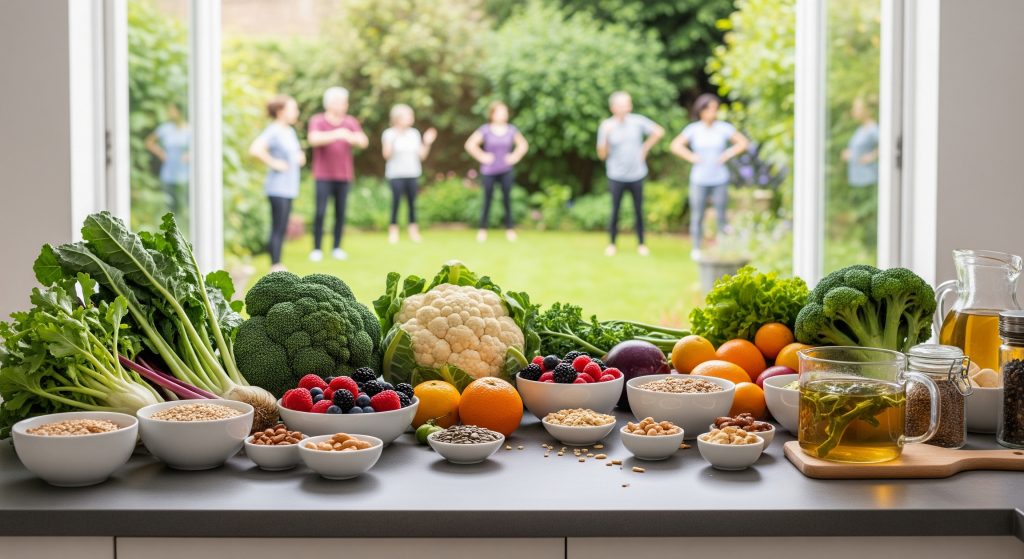
I prioritise cruciferous vegetables because the biological rationale is strong. Compounds such as sulforaphane and indole-3-carbinol help detoxification pathways and support healthy oestrogen metabolism. Evidence points in the same direction, though results vary by study design. As Fruit and vegetable consumption and incident breast cancer notes, higher cruciferous intake is associated with an 11% lower risk of oestrogen receptor positive disease.
-
Examples: broccoli, cauliflower, cabbage, kale, rocket, mustard greens.
-
Practical use: steam lightly or stir fry to retain bite and nutrients.
The point is consistency. A cup most days is realistic and useful for breast cancer prevention over the long term.
2. Antioxidant-Rich Berries and Citrus Fruits
Berries and citrus fruits offer phenolics, flavonoids, and vitamin C that counter oxidative stress. That mechanism, roughly speaking, supports cellular defence and may influence pathways linked to tumour growth. I rotate strawberries, blueberries, blackberries, oranges, and grapefruit through breakfasts and snacks.
-
Simple example: Greek yoghurt with mixed berries and toasted seeds.
-
Tip: buy frozen berries out of season to keep costs predictable.
I avoid over-claiming. The signal is supportive, not absolute. Used regularly, these fruits contribute to breast cancer prevention without relying on hype.
3. Omega-3 Rich Foods and Fish
Omega-3 fats are anti-inflammatory and likely helpful in breast cancer prevention. I recommend two servings of oily fish weekly where acceptable. Salmon, sardines, and mackerel are reliable choices. For vegetarian or vegan patterns, chia seeds, flaxseed, and walnuts add alpha-linolenic acid, which still benefits cardiometabolic health.
-
Meal idea: grilled mackerel with lemon, lentils, and steamed greens.
-
Plant option: overnight oats with ground flaxseed and berries.
The literature contains mixed human outcomes to an extent. Yet from a risk-benefit view, routine omega-3 foods support general health and dovetail with breast cancer prevention aims.
4. Whole Grains and Fibre Sources
Higher fibre intake correlates with better metabolic markers, healthier weight, and more stable insulin dynamics. That triad matters for breast cancer prevention. I advise swapping refined staples for whole grains as the default. Start with small replacements and build from there.
|
Whole grain |
Straightforward swap |
|---|---|
|
Oats |
Replace sugary cereal at breakfast |
|
Brown rice |
Alternate with white rice through the week |
|
Whole wheat roti |
Use wholemeal atta in the same recipe |
|
Quinoa or barley |
Mix into salads or soups for texture |
Target diverse fibre sources as practical: beans, chickpeas, lentils, nuts, and seeds. They help satiety and support hormonal balance linked to breast cancer risk factors.
5. Green Tea and Turmeric Benefits
Green tea catechins and turmeric’s curcumin interact with cell signalling pathways that influence proliferation and inflammation. I treat these as helpful adjuncts rather than centrepieces. Brew green tea properly and use turmeric in savoury dishes with black pepper and a little fat to aid absorption.
-
Example: masoor dal tempered with turmeric, mustard seeds, and curry leaves.
-
Note: supplements can vary in quality. Food-first is safer.
There is promise, especially alongside broader dietary quality. But still, neither replaces screening or a balanced plan for breast cancer prevention.
6. Foods to Limit or Avoid
Two reductions deliver outsized benefit. First, alcohol. Second, ultra-processed foods high in sugars, refined starches, and saturated fats. Both patterns tie to weight gain and hormonal shifts that raise risk. I use an approach that trims obvious culprits without moralising food.
-
Limit: processed meat, frequent deep-fried snacks, and sugary beverages.
-
Choose: water, unsweetened tea, and fresh fruit when cravings hit.
Moderation is not a slogan. It is a daily budgeting exercise that preserves joy and protects long-term health.
Traditional Indian Foods for Prevention
Many Indian staples map well to breast cancer prevention foods. Turmeric, garlic, ginger, amla, and pomegranate bring anti-inflammatory and antioxidant effects in a familiar format. I rely on dal, beans, leafy saag, seasonal vegetables, and spice-forward cooking to keep meals satisfying and light.
-
Quick plate: chana masala, whole wheat roti, kachumber, and a side of sautéed greens.
-
Snack: roasted chana with a squeeze of lime and a pinch of chaat masala.
This is not exotic advice. It is the everyday pattern leveraged with intent for breast cancer prevention.
Exercise and Lifestyle Changes That Reduce Risk
Recommended Physical Activities by Age Group
Exercise works across hormonal, metabolic, and immune pathways. That breadth is why it anchors breast cancer prevention. As WHO Guidelines on Physical Activity and Sedentary Behaviour indicate, adults should aim for at least 150 minutes of moderate activity weekly and include strength work on two days. Children need daily play and activity. Older adults benefit from added balance practice.
-
Ages 18 to 64: build toward 150 to 300 minutes moderate activity each week.
-
65 plus: add balance drills and functional strength to reduce falls.
I encourage a gradual ramp. Some movement most days. Then more.
1. Aerobic Exercises for Prevention
Aerobic activity improves insulin sensitivity, body composition, and inflammation. These changes support breast cancer prevention. Practical examples include brisk walking, cycling, swimming, or running. Choose the mode that fits joints, time, and access.
-
Starter plan: 30 minutes brisk walking, five days a week.
-
Progression: add intervals once weekly to raise heart rate safely.
The method is simple. Keep to a routine, track minutes, and protect recovery days.
2. Strength Training Benefits
Resistance training guards lean mass, improves insulin dynamics, and stabilises body fat. Those shifts matter for breast cancer prevention and long-term independence. Two brief sessions weekly are enough to move the needle.
-
Plan: squats, hip hinges, pushes, pulls, and core work.
-
Format: 2 to 3 sets per movement, 8 to 12 controlled repetitions.
Equipment helps, but bodyweight progressions are fine. Consistency beats complexity here.
3. Yoga and Mind-Body Practices
Yoga supports flexibility, balance, and stress control. Stress modulation influences sleep and behaviour, which in turn affects breast cancer risk factors. I recommend a short, repeatable sequence. Ten to fifteen minutes daily is feasible and valuable.
-
Elements: breath work, gentle flows, and a closing relaxation.
-
Outcome: calmer evenings and improved adherence to other habits.
Think of it as a stabiliser for the rest of the plan.
Weight Management Strategies
Excess body fat after menopause raises risk through oestrogen and insulin pathways. Weight management therefore sits at the core of breast cancer prevention. I focus on method, not gimmicks.
-
Define a realistic target and a weekly process goal.
-
Adopt a fibre-forward plate with lean proteins and vegetables.
-
Track portions for a month to calibrate energy intake.
-
Schedule exercise like any other meeting to protect time.
-
Build an environment that reduces friction and cue-induced snacking.
Digital tools can help, but the habits do the heavy lifting. Small, repeatable wins compound faster than extreme plans.
Sleep and Stress Management
Insufficient sleep and chronic stress can influence appetite, insulin, and activity levels. That cascade undermines breast cancer prevention. I set a strict wind-down, dim lights, and aim for a consistent sleep window.
-
Evening routine: light stretch, device curfew, and a brief journal page.
-
Daytime tactic: brief walks between tasks to downshift stress.
Quality sleep is not a luxury. It is leverage for diet and training consistency.
Understanding and Managing Risk Factors
Non-Modifiable Risk Factors
Some elements sit outside personal control. Age, genetics, reproductive history, and breast density belong in this group. Family history and known mutations raise baseline risk. I use these facts to refine screening, not to alarm. High risk does not negate the value of breast cancer prevention. It changes the level of vigilance.
Modifiable Risk Factors
Here is where action counts. Physical inactivity, higher body fat, regular alcohol intake, and suboptimal diet increase risk. A predominantly plant-forward pattern, structured exercise, and modest alcohol cutbacks reduce exposure to these breast cancer risk factors.
-
Focus areas: movement volume, body composition, and alcohol budgeting.
-
Diet angle: vegetables, whole grains, legumes, nuts, seeds, and olive oil.
The conclusion is practical. Align daily behaviour with long-term intent and breast cancer prevention strengthens.
Alcohol and Smoking Impact
Alcohol raises risk through hormonal and metabolic routes. The safest level is arguably as low as practical for many. I advise setting a firm weekly limit and preserving several alcohol-free days. Smoking remains a separate, direct threat to overall health and should be stopped with support.
-
Better swaps: sparkling water with citrus, alcohol-free bitters, or iced green tea.
-
If quitting smoking: combine pharmacotherapy with counselling for higher success.
Small reductions count. Then they add up.
Hormone Replacement Therapy Considerations
HRT requires an individualised assessment. Benefits for vasomotor symptoms are real. Risks vary with timing, dose, and formulation. Combined oestrogen plus progestin appears to carry higher breast risk than oestrogen alone for some women. I coordinate with a clinician to weigh severity of symptoms against personal risk profile.
Pros vs cons
-
Pros: symptom relief, bone health, and sleep quality.
-
Cons: potential breast and cardiovascular risks depending on regimen and duration.
If used, employ the lowest effective dose for the shortest reasonable duration and review annually.
Early Detection and Screening Guidelines
Early detection improves outcomes. Screening identifies disease when treatment is simpler and more effective. As Mayo Clinic advises, many should begin annual mammograms at 40, with earlier or additional imaging for higher risk profiles. Self-awareness of changes matters, but it does not replace imaging.
-
Discuss personal risk with a clinician before setting a schedule.
-
Keep results organised to track changes over time.
Use breast cancer awareness month as a nudge to book overdue appointments. The calendar reminder helps.
Making Breast Cancer Prevention Part of Daily Life
I operationalise breast cancer prevention by baking it into routines. The aim is frictionless repetition rather than heroic effort. Here is a simple weekly scaffold that balances food, movement, and monitoring.
-
Food: plan three fibre-rich dinners and repeat them next week with small variations.
-
Movement: schedule two strength sessions and three aerobic days in the diary.
-
Alcohol: set a weekly cap and choose specific days off.
-
Sleep: lights out at a fixed time, even on weekends.
-
Check-ins: a quick Sunday review to adjust the plan.
It sounds basic. That is the point. Systems beat motivation when life gets busy and messy.
Frequently Asked Questions
At what age should breast cancer prevention efforts begin?
I start with habits in adolescence if possible, because activity, sleep, and diet patterns establish early. For adults, start now and build gradually. Screening decisions depend on risk. Many begin mammography at 40, with earlier plans if indicated by genetics or history. Prevention is a continuum, not a single date.
Can vegetarian diets effectively prevent breast cancer?
A well planned vegetarian or largely plant based pattern aligns with breast cancer prevention. The emphasis is on fibre, whole grains, legumes, nuts, and diverse vegetables. Include reliable protein and B12 sources. The mechanism leans on healthier weight, better insulin control, and lower inflammatory load.
How much exercise is needed weekly for breast cancer prevention?
A practical target is 150 to 300 minutes of moderate aerobic work weekly, plus two strength sessions. Add balance drills if over 65. Short sessions accumulate. Ten minute walks count. The total dose, spread across the week, supports prevention while respecting recovery.
Do breast cancer prevention strategies differ during pregnancy?
The foundation remains similar but safety comes first. Prioritise a balanced diet, regular gentle activity, sleep, and minimal alcohol, which for most means none. Follow obstetric guidance for exercise intensity. Screening and imaging decisions become individual during pregnancy. Discuss timing with a clinician.
Which Indian spices offer the best protection against breast cancer?
Turmeric, garlic, and ginger feature most often in studies. Use them in daily cooking rather than relying on high dose supplements. Combine with vegetables, legumes, and whole grains. The broader pattern of meals matters more than any single spice, yet spices help adherence and flavour.
Can breast cancer be prevented if there’s a family history?
A family history raises baseline risk, but risk is not destiny. Breast cancer prevention still helps. Maintain a healthy weight, be active, limit alcohol, and follow an enhanced screening plan. Where appropriate, discuss genetics and tailored risk reduction with a specialist clinic. Precision improves peace of mind.

