






 We do what's right for you...


Best Food for Cancer Patients: Transform Your Recovery with Every Bite
Dr. Bimlesh Thakur
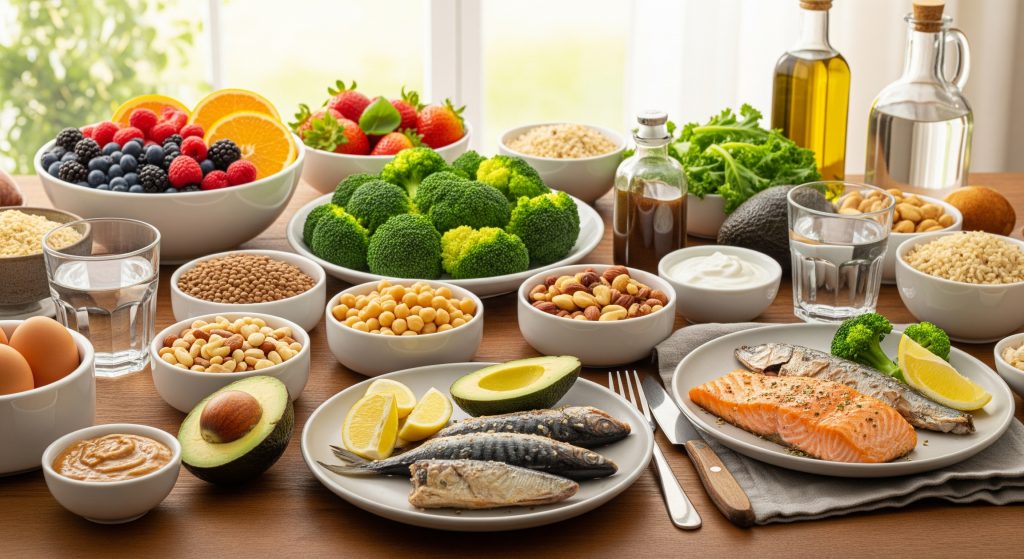
Conventional wisdom says cancer patients should simply “eat healthy” and “avoid junk food.” That advice is not just unhelpful – it’s painfully vague when someone is dealing with treatment side effects, appetite loss, and a body fighting on multiple fronts. The truth is, choosing the best food for cancer patients requires a more strategic approach. It’s basically about fuelling recovery while managing the very real challenges that chemotherapy, radiation, and surgery throw at digestion and energy levels.
Think of nutrition during cancer treatment like building a house during a storm. The foundation matters more than the decorations. Get the core elements right – protein, hydration, and calorie density – and everything else becomes easier to manage. This guide walks through the power foods that actually make a difference, the dietary supplements for cancer patients worth considering, and the foods to avoid during cancer treatment that could set recovery back.
Top 10 Power Foods for Cancer Patients During Treatment
1. Plant-Based Proteins (Beans, Lentils, and Chickpeas)
When meat becomes unappealing (and it often does during treatment), legumes step in as protein heroes. A single cup of cooked lentils delivers roughly 18 grams of protein – nearly as much as a chicken breast – without the heaviness that can trigger nausea. Beans and chickpeas bring the added bonus of soluble fibre, which helps regulate blood sugar and keeps the digestive system moving when medications threaten to slow everything down.
The beauty of legumes lies in their versatility. Blend chickpeas into hummus when chewing feels exhausting. Mash lentils into soups for easy swallowing. Toss black beans into smoothies – seriously, it works and adds creaminess without changing the flavour much.
2. Whole Grains (Brown Rice, Oats, and Quinoa)
Refined carbohydrates spike blood sugar and offer little nutritional return. Whole grains do the opposite. They provide sustained energy through complex carbohydrates, B vitamins for cellular repair, and fibre that supports gut health. Quinoa deserves special mention because it’s actually a complete protein – containing all nine essential amino acids – making it valuable when protein intake becomes a daily struggle.
Oatmeal shines during treatment because it’s gentle on inflamed mouths and throats. Cook it soft, add some maple syrup and nut butter, and suddenly breakfast becomes both tolerable and therapeutic.
3. Omega-3 Rich Fish (Salmon, Sardines, and Mackerel)
Inflammation runs rampant during cancer treatment. Omega-3 fatty acids found in fatty fish help calm that inflammatory response while supporting brain function and mood stability. The connection between omega-3s and reduced treatment-related depression is something oncology teams increasingly recognise.
Sardines and mackerel often get overlooked for salmon, but they’re actually superior choices. Lower on the food chain means lower mercury accumulation. Canned options make them convenient when cooking energy is limited. A tin of sardines on toast can provide more nutritional value than most elaborate meals.
4. Colourful Fruits (Berries, Citrus, and Pomegranates)
Here’s what drives me crazy about generic nutrition advice: telling cancer patients to “eat more antioxidants” without explaining which ones or why. Not all antioxidants behave identically. Berries – particularly blueberries and raspberries – contain anthocyanins that support immune function without interfering with most treatments. Citrus fruits provide vitamin C for wound healing and tissue repair. Pomegranates offer ellagic acid, which research suggests may help slow certain types of cancer cell growth.
But here’s the catch: always check with the oncology team before loading up on any single fruit. Some interact with medications. More on that later.
5. Nutrient-Dense Vegetables (Kale, Broccoli, and Spinach)
Cruciferous vegetables like broccoli and kale contain sulforaphane – a compound that’s generated significant research interest for its potential protective effects. Spinach brings iron and folate to the table, both crucial when treatment hammers blood cell production.
The single most frustrating part of vegetable recommendations? Nobody talks about preparation. Raw kale is nearly impossible to eat when mucositis (mouth inflammation) strikes. Steam it soft. Blend it into soups. The nutrients remain even when texture changes. What matters is getting these vegetables in, not winning awards for perfect salads.
6. Healthy Fats (Avocados, Nuts, and Olive Oil)
Calories matter enormously during treatment, and fat delivers more calories per gram than any other macronutrient. Avocados provide roughly 240 calories per fruit along with potassium and vitamin E. A quarter cup of almonds adds 200 calories plus protein. Drizzling olive oil over everything – pasta, vegetables, bread – is an easy way to boost intake without increasing portion sizes.
Don’t even bother with low-fat anything during active treatment. This isn’t the time for calorie restriction. Fat equals energy equals recovery capacity.
7. Probiotic Foods (Yoghurt, Kefir, and Fermented Vegetables)
Chemotherapy doesn’t discriminate between cancer cells and gut bacteria. The microbiome – that community of beneficial bacteria in the digestive tract – takes a significant hit during treatment. Probiotic foods help rebuild what’s been damaged. Kefir is particularly effective because it contains a broader range of bacterial strains than standard yoghurt.
Fermented vegetables like sauerkraut and kimchi work well for those who tolerate the acidity. Start small – a tablespoon at a time – and build tolerance gradually.
8. Eggs and Greek Yoghurt for Easy Protein
When appetite vanishes and nothing sounds appealing, eggs and Greek yoghurt become nutritional lifelines. One large egg delivers 6 grams of high-quality protein in an easily digestible package. Greek yoghurt provides double the protein of regular yoghurt – around 15-20 grams per serving – along with probiotics and calcium.
Scrambled eggs with cheese, prepared soft, often become a go-to meal when everything else fails. They’re bland enough for sensitive stomachs but substantial enough to prevent muscle wasting.
9. Soothing Options (Smoothies, Broths, and Oatmeal)
Some days, solid food simply isn’t happening. Mouth sores, throat irritation, or overwhelming fatigue make chewing feel like running a marathon. This is where soothing options earn their place.
Bone broth isn’t just trendy wellness culture – it provides easily absorbed amino acids and minerals when nothing else stays down. A warm bowl of broth at 3 AM when nausea wakes someone from sleep can make the difference between adequate hydration and hospital admission.
Smoothies allow for nutrient stacking: protein powder, frozen fruit, spinach, nut butter, and full-fat yoghurt blended into something that slides down without effort. It’s basically a complete meal in liquid form.
10. Calorie-Dense Additions (Nut Butters and Cheese)
Weight loss during treatment isn’t just uncomfortable – it correlates with poorer outcomes and reduced ability to tolerate treatment schedules. Calorie-dense additions help counteract this.
Two tablespoons of peanut or almond butter add nearly 200 calories to anything: toast, smoothies, oatmeal, apple slices, or eaten straight from the jar during those late-night hunger moments. Cheese melted over vegetables transforms a side dish into something with staying power. Full-fat cream cheese on crackers, small cubes of cheddar throughout the day – these strategies add up without requiring large portions.
Essential Dietary Supplements for Cancer Patients
When Multivitamins Are Necessary
The honest truth about nutritional supplements for cancer patients? Most people taking handfuls of vitamins during treatment are wasting money and potentially causing harm. A basic multivitamin makes sense when dietary intake is severely compromised – when eating has dropped to the point where food alone can’t cover nutritional bases.
But the operative word is “basic.” Mega-dose vitamins can interfere with chemotherapy effectiveness. Some antioxidants in high doses may actually protect cancer cells along with healthy ones. Always – ALWAYS – clear supplements with the oncology team first.
Vitamin D for Immune Support and Bone Health
Vitamin D deficiency is remarkably common among cancer patients, partly because treatment often keeps people indoors and partly because the body’s ability to synthesise vitamin D can be compromised. Low vitamin D correlates with increased infection risk and accelerated bone loss – both significant concerns during treatment.
Testing vitamin D levels before supplementing makes sense. The goal is typically maintaining levels between 30-50 ng/mL, though individual targets may vary based on the specific cancer type and treatment protocol.
Glutamine for Managing Mouth Sores
Mucositis – the painful inflammation of the mouth and digestive tract lining – affects a significant percentage of patients receiving certain chemotherapy regimens. Glutamine, an amino acid, has shown promise in reducing severity and duration of mouth sores when taken preventively.
The protocol typically involves swishing glutamine powder mixed with water several times daily, starting before treatment begins. It’s one of the more evidence-backed supplements for managing a genuinely miserable side effect.
Iron Supplementation for Anaemia Prevention
Anaemia during cancer treatment isn’t simply “feeling tired.” It’s a measurable drop in red blood cells that affects oxygen delivery to every tissue in the body. Iron supplementation becomes necessary when blood tests confirm deficiency and when dietary iron alone can’t keep up with demand.
The catch? Iron supplements cause constipation for many people – adding insult to injury when treatment already wreaks havoc on digestion. Taking iron with vitamin C enhances absorption, potentially allowing lower doses to achieve the same effect.
Vitamin B12 for Neuropathy Relief
Peripheral neuropathy – that tingling, numbness, or pain in hands and feet – is a devastating side effect of certain chemotherapy drugs. B12 deficiency can worsen neuropathy symptoms or mimic them entirely. Supplementation may help some patients, particularly those whose B12 levels test low before or during treatment.
Sublingual B12 (dissolved under the tongue) or injections often work better than oral supplements for patients with compromised digestive function.
Probiotics for Digestive Health
Probiotic supplements offer a more concentrated approach to rebuilding gut bacteria than food sources alone. For patients experiencing antibiotic-associated diarrhoea or significant digestive disruption, targeted probiotic strains can provide meaningful relief.
Saccharomyces boulardii is a specific strain often recommended because it’s actually a beneficial yeast rather than bacteria – making it more resilient to antibiotics that might kill bacterial probiotics.
Safe Dosage Guidelines and Quality Standards
Supplement quality varies wildly. The industry lacks tight regulation, meaning what’s on the label doesn’t always match what’s in the bottle. Look for products carrying third-party verification from organisations like USP, NSF, or ConsumerLab. These certifications indicate independent testing for purity and potency.
|
Supplement |
Typical Range |
Key Consideration |
|---|---|---|
|
Vitamin D |
1,000-4,000 IU daily |
Test levels before starting |
|
Glutamine |
10-30g daily (divided) |
Begin before treatment if possible |
|
Iron |
Varies by deficiency level |
Take with vitamin C, separate from calcium |
|
Vitamin B12 |
500-1,000 mcg daily |
Sublingual form often preferred |
|
Probiotics |
10-30 billion CFU daily |
Choose multi-strain formulations |
Critical Foods to Avoid During Cancer Treatment
Raw and Undercooked Animal Products
Neutropenia – a dangerously low white blood cell count – makes infection from foodborne pathogens a genuine medical emergency rather than a few days of discomfort. Raw or undercooked eggs, meat, poultry, and seafood harbour bacteria and parasites that a compromised immune system cannot fight.
This means no sunny-side-up eggs, no rare steaks, no sushi, no raw oysters. Cook meat to proper internal temperatures: 165°F for poultry, 145°F for fish and whole cuts of beef and pork. Use a food thermometer – don’t guess.
Unpasteurised Dairy and Juices
Pasteurisation exists specifically to eliminate harmful microorganisms. Raw milk, raw milk cheeses, and fresh-squeezed juices from juice bars all carry infection risks that simply aren’t worth taking during treatment. Listeria, E. coli, and Salmonella can be present even in products that look and smell perfectly fine.
Stick to pasteurised versions of everything. Yes, even that artisanal raw cheese that tastes amazing. Save it for post-treatment celebrations.
High-Mercury Fish Varieties
While omega-3 rich fish provide excellent nutrition, certain large predatory fish accumulate mercury at levels concerning for anyone – and particularly problematic for those already managing treatment toxicity. King mackerel, swordfish, shark, and tilefish should be avoided entirely.
Tuna falls in a grey area. Light canned tuna contains less mercury than albacore. Limiting albacore to once weekly is a reasonable compromise for those who love it.
Unwashed Raw Produce and Sprouts
Fresh produce can carry harmful bacteria on surfaces, particularly if fertilised with manure or handled by multiple people before reaching the kitchen. Thorough washing under running water helps, but sprouts present a special problem. Seeds can harbour bacteria that washing alone won’t eliminate, and the warm, humid sprouting conditions allow bacteria to multiply dramatically.
Alfalfa sprouts, bean sprouts, radish sprouts – skip them all during treatment. Cooked sprouts in stir-fries are fine if heated thoroughly.
Reheated Starchy Foods
This one surprises people. Rice, pasta, and potatoes that have been cooked, cooled, and reheated can harbour Bacillus cereus, a bacterium that produces toxins surviving reheating temperatures. The risk increases when these foods sit at room temperature before refrigeration.
The solution? Cook only what will be eaten immediately when possible. If storing cooked starches, refrigerate within one hour and consume within 24 hours. Reheat only once, and ensure food is steaming hot throughout.
Grapefruit and Drug Interactions
Grapefruit and grapefruit juice interact with enzymes responsible for metabolising numerous medications – including several chemotherapy drugs, anti-nausea medications, and immunosuppressants. These interactions can either increase drug levels to toxic concentrations or decrease effectiveness.
The effects can persist for 24-72 hours after consumption. Unless the oncology team specifically confirms that current medications don’t interact with grapefruit, it’s safest to avoid it entirely. Seville oranges and pomelos share similar compounds and should be treated with the same caution.
Alcohol and Processed Foods
Alcohol places additional burden on a liver already working overtime to process medications. It can worsen nausea, interfere with sleep quality, and contribute to dehydration. Some chemotherapy regimens absolutely prohibit alcohol due to specific drug interactions.
Processed foods – and I’m talking heavily processed items like cured meats, packaged snacks loaded with preservatives, and ready meals – provide calories without much nutritional benefit. When appetite is limited, every bite matters. Filling up on processed foods means missing opportunities for genuine nourishment.
“It’s not about perfect eating. It’s about making each meal work as hard as possible for recovery.”
Creating Your Personalised Cancer Nutrition Plan
What actually matters here? Not following generic diet rules but building a plan that accounts for individual treatment schedules, side effect patterns, and personal food preferences. The best food for cancer patients is ultimately the food that gets eaten – nutritional perfection means nothing if it sits untouched on a plate.
Start by tracking side effect timing. Many people notice nausea peaks on specific days after treatment. Planning lighter, easier foods for those days and more substantial meals during good windows maximises intake. Some patients do better eating small amounts every two hours rather than attempting three large meals.
Work with an oncology dietitian if available – these specialists understand treatment-specific nutritional challenges in ways general nutritionists simply don’t. They can calculate protein and calorie needs based on treatment type, body composition, and activity level.
Keep a food diary, but not for restriction purposes. Note what works. What stayed down? What tasted palatable when everything else seemed off? What caused unexpected problems? This information becomes invaluable as treatment progresses and patterns emerge.
Stock the kitchen with emergency options before treatment days when cooking energy vanishes: frozen smoothie portions, canned soups (low sodium versions), protein shakes, cheese and crackers, nut butter packets. The goal is never being caught hungry with nothing tolerable in reach.
Most importantly, embrace flexibility. The nutrition plan that works during week one of treatment may need complete revision by week four. Bodies change. Tastes change. What matters is adapting – not adhering rigidly to rules written before treatment showed its hand.
Frequently Asked Questions
How much protein should cancer patients consume daily during treatment?
Most guidelines suggest 1.0 to 1.5 grams of protein per kilogram of body weight daily during active treatment – significantly higher than recommendations for healthy adults. For a 70kg person, that translates to 70-105 grams of protein daily. This increased need supports tissue repair, immune function, and prevention of muscle wasting. During periods of intensive treatment or recovery from surgery, needs may increase further.
Can I take antioxidant supplements during chemotherapy?
This remains genuinely controversial. Some chemotherapy drugs work by generating free radicals that damage cancer cells, raising concerns that high-dose antioxidants could reduce treatment effectiveness. Current evidence suggests getting antioxidants from food sources is safe and beneficial, while high-dose supplements warrant caution. Never start antioxidant supplements during treatment without oncologist approval.
What are the best foods for managing nausea during cancer treatment?
Bland, dry foods often work best: plain crackers, dry toast, rice cakes, and pretzels. Ginger – in tea, crystallised form, or ginger biscuits – has genuine anti-nausea properties. Cold foods tend to be more tolerable than hot foods because they produce less aroma. Avoid cooking smells when possible. Sipping rather than gulping liquids helps, as does eating small amounts frequently rather than large meals.
Should I follow a vegetarian diet during cancer treatment?
There’s no requirement to go vegetarian during treatment. What matters is meeting protein and calorie needs through whatever sources work. For those already vegetarian or vegan, careful planning ensures adequate protein from plant sources like legumes, tofu, tempeh, and seitan. Adding eggs and dairy (for vegetarians) significantly eases meeting nutritional targets. Consult with an oncology dietitian to prevent deficiencies.
How can I increase calories when experiencing appetite loss?
Focus on calorie density rather than volume. Add fats liberally: butter on vegetables, olive oil drizzled over everything, cream in coffee and soups. Fortify foods by adding protein powder to smoothies, milk powder to mashed potatoes, or cheese to any savoury dish. Eat highest-calorie foods first before filling up. Consider commercial nutrition shakes as meal supplements when eating feels impossible.
Are organic foods better for cancer patients?
Current evidence doesn’t demonstrate significant benefit from organic foods specifically for cancer patients. Eating adequate fruits and vegetables matters far more than whether they’re organic. If budget allows and it provides peace of mind, choose organic for items on the “dirty dozen” list (those with highest pesticide residues) and conventional for others. Never let organic unavailability become a reason to skip produce entirely.
What drinks are safe during chemotherapy?
Water remains essential for medication processing and preventing dehydration. Pasteurised juices, herbal teas (after checking for drug interactions), and milk or milk alternatives are generally safe. Electrolyte drinks help during periods of vomiting or diarrhoea. Avoid unpasteurised beverages, limit caffeine if it worsens sleep or nausea, and skip alcohol unless specifically approved. Bone broth counts as both hydration and nutrition.

