






 We do what's right for you...


Appendicitis Prevention: Essential Tips to Stay Safe
Dr. Shiv Chopra
Conventional wisdom says appendicitis strikes without warning – a random bolt of abdominal lightning that sends you to the emergency room regardless of how well you’ve looked after yourself. That advice is not just incomplete; it’s potentially keeping people from making meaningful changes. While nobody can guarantee complete appendicitis prevention (the appendix can be stubborn like that), the evidence increasingly points to specific dietary patterns and lifestyle habits that genuinely reduce risk. The trick is knowing which ones actually matter and which are just noise.
Key Dietary Approaches to Prevent Appendicitis
1. High-Fiber Foods to Include Daily
Here’s the thing about fibre – it’s basically the unsung hero of your digestive tract. A high-fibre diet reduces the risk of appendicitis by promoting regular bowel movements and minimising blockages in the appendix, as Medindia explains. Think of your appendix like a tiny cul-de-sac off the main intestinal highway. Without enough fibre keeping traffic flowing, debris can accumulate and cause problems.
The appendicitis causes that concern most gastroenterologists often trace back to faecaliths – hardened faecal matter that blocks the appendix opening. Fibre prevents this by keeping everything moving. It’s that simple.
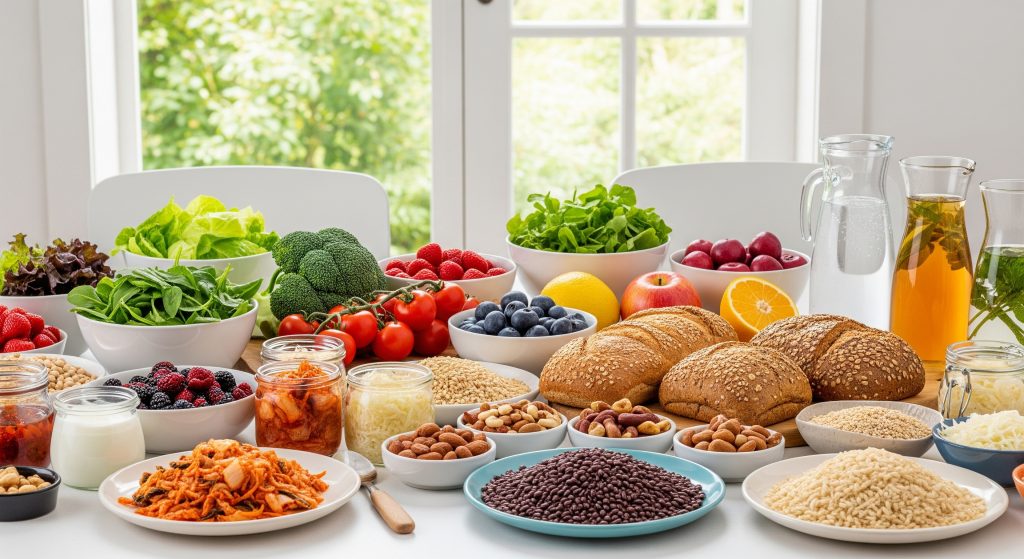
What should you actually eat? Focus on:
-
Legumes – lentils, chickpeas, black beans
-
Whole grains – oats, brown rice, quinoa, wholemeal bread
-
Fruits – apples with skin, pears, berries, oranges
-
Non-starchy vegetables – broccoli, spinach, carrots, peppers
The recommended daily intake sits at 25-38 grams of fibre, according to Harvard Health. Most people consume far less than this. The gap between what experts recommend and what people actually eat? That’s where risk lives.
One caveat worth mentioning – I’ve seen people try to fix years of low-fibre eating by suddenly downing massive amounts of bran and legumes. Bad idea. Your gut needs time to adjust. Start slowly, increase gradually over two to three weeks, and drink plenty of water alongside the fibre boost.
2. Anti-inflammatory Foods for Gut Protection
Chronic inflammation doesn’t just cause joint pain and fatigue. It creates an environment where your appendix becomes more vulnerable to infection and irritation. Understanding appendicitis symptoms starts with recognising that inflammation often precedes the acute crisis.
The anti-inflammatory diet isn’t complicated once you strip away the marketing. Green leafy vegetables, tomatoes, olive oil, nuts (particularly almonds and walnuts), and fatty fish rich in omega-3 fatty acids form the foundation. These foods actively combat the low-grade inflammation linked to various diseases.
Two spices deserve special mention here. Turmeric contains curcumin, while ginger offers gingerol – both compounds with documented anti-inflammatory effects. CDHF notes that combining turmeric with black pepper enhances curcumin absorption significantly. Without the pepper, most of that turmeric passes straight through without providing much benefit.
|
Anti-inflammatory Foods |
Pro-inflammatory Foods to Limit |
|---|---|
|
Salmon, mackerel, sardines |
Processed meats |
|
Extra virgin olive oil |
Refined carbohydrates |
|
Leafy greens (spinach, kale) |
Sugary beverages |
|
Berries and cherries |
Trans fats |
|
Walnuts and almonds |
Excessive red meat |
3. Probiotic-Rich Foods for Microbiome Balance
Your gut microbiome – the trillions of bacteria living in your digestive system – plays a bigger role in appendix health than most people realise. When harmful bacteria overwhelm beneficial strains, inflammation increases and infection risk climbs.
Probiotics are live microorganisms that restore balance to beneficial gut bacteria while combating harmful strains. Regular consumption connects with improved digestive health, reduced inflammation, and enhanced immunity.
The best sources include:
-
Yoghurt with live active cultures
-
Kefir – basically drinkable yoghurt with even more probiotic strains
-
Sauerkraut – raw, unpasteurised versions only
-
Kimchi – Korean fermented vegetables
-
Kombucha – fermented tea
-
Miso and tempeh
But here’s what drives me crazy. People rush to buy probiotic supplements thinking they’re taking a shortcut. Supplements have their place, particularly after antibiotic use, but fermented foods offer additional benefits – prebiotics, vitamins, enzymes – that pills simply cannot replicate.
One note of caution: if you’re new to fermented foods, introduce them gradually. Excessive consumption might lead to gastrointestinal discomfort in some individuals, particularly bloating or gas. Start with small portions and build up over a week or two.
4. Essential Nutrients for Appendix Health
Beyond fibre and probiotics, certain nutrients support the immune function needed to keep your appendix healthy. The appendix actually serves as a reservoir of beneficial bacteria – a sort of backup drive for your microbiome – and keeping it functional requires proper nutritional support.
Vitamin C strengthens immune response and helps fight potential infections before they escalate. Citrus fruits, bell peppers, strawberries, and broccoli provide excellent sources. Zinc plays a similar role; oysters, beef, pumpkin seeds, and lentils deliver it naturally.
Vitamin D deserves mention too. Research increasingly links vitamin D deficiency with increased infection susceptibility throughout the body. Sunlight exposure (about 15-20 minutes daily for fair-skinned individuals), fatty fish, and fortified foods help maintain adequate levels.
The single most frustrating part of nutritional advice? Most people skip straight to supplements without addressing food quality first. Food-based nutrients come packaged with cofactors that enhance absorption. Supplements remain secondary tools, not primary solutions.
5. Hydration Guidelines for Digestive Health
Water keeps everything flowing. Without adequate hydration, even a high-fibre diet can backfire – fibre without water creates dry, hard stools that move sluggishly through your system. That sluggish movement increases the chance of blockages forming near the appendix.
How much water? The standard eight glasses daily serves as a reasonable baseline, but individual needs vary based on body weight, activity level, and climate. A practical indicator – your urine should appear pale yellow, not dark amber or clear.
Herbal teas count toward fluid intake. Coffee and regular tea contribute too, despite mild diuretic effects. Alcohol, however, dehydrates and doesn’t count toward your daily target.
Timing matters somewhat. Drinking water throughout the day beats gulping large amounts at once. A glass upon waking, another before each meal, and consistent sipping between meals establishes a sustainable pattern.
Foods and Habits to Avoid
Processed and High-Fat Foods
Let’s be honest – most people know processed foods aren’t ideal. But understanding specifically why they increase appendicitis risk might motivate stricter limits.
Processed foods typically combine refined ingredients with additives that disrupt gut bacteria balance. They often lack fibre entirely while delivering excessive sodium and unhealthy fats. This combination slows digestion and promotes the inflammatory environment where appendicitis symptoms can develop more readily.
High-fat foods present their own problem. Fat slows gastric emptying, meaning food sits longer in your digestive tract. For most people, this occasionally causes discomfort. For those prone to appendix issues, prolonged digestion time may increase blockage risk.
The foods that cause the most damage include:
-
Fast food and deep-fried items
-
Packaged snacks (crisps, biscuits, pastries)
-
Processed meats (bacon, sausages, deli meats)
-
Ready meals with lengthy ingredient lists
-
Margarine and vegetable shortening
Low-Fiber Diet Risks
A low-fibre diet represents probably the single biggest dietary risk factor for appendicitis. This isn’t speculation – populations consuming traditional high-fibre diets consistently show lower appendicitis rates compared to those eating Western-style low-fibre diets.
Low fibre intake is associated with increased risk for appendicitis, as is consumption of hard-to-digest foods. Without adequate fibre, transit time through the colon increases. Longer transit time means more opportunity for faecal material to compact and potentially block the appendix opening.
What qualifies as low-fibre eating? Diets heavy in white bread, pasta made from refined flour, peeled fruits and vegetables, meat without accompanying plant foods, and processed cereals typically fail to deliver adequate fibre.
Sugary Foods and Digestive Impact
Excessive sugar feeds harmful gut bacteria at the expense of beneficial strains. This dysbiosis (gut bacteria imbalance – fancy medical term worth knowing) creates conditions favouring inflammation throughout the digestive system.
Sugar also promotes weight gain and metabolic dysfunction, both linked to increased inflammation markers. The relationship between diet, inflammation, and appendicitis treatment outcomes continues receiving research attention, with early indications suggesting dietary patterns affect recovery speed post-surgery.
The practical approach? Limit added sugars while allowing naturally occurring sugars in whole fruits. The fibre in fruit slows sugar absorption, making it metabolically different from concentrated sweeteners.
Common Dietary Misconceptions
One myth persists stubbornly – the idea that swallowing seeds or pips causes appendicitis. While theoretically possible, documented cases remain extraordinarily rare. The fear of eating tomatoes, berries, or watermelon with seeds is largely unfounded.
Another misconception suggests that eating quickly or swallowing air causes appendicitis. Air swallowing (aerophagia) can cause bloating and discomfort but shows no connection to appendix inflammation.
Perhaps the most damaging misconception? That appendicitis is entirely random and unpreventable. This fatalistic view discourages the dietary and lifestyle changes that genuinely reduce risk.
Lifestyle Modifications for Prevention
Exercise and Physical Activity Guidelines
Movement supports gut motility. When you exercise, your intestinal muscles contract more efficiently, keeping digested food moving at healthy speeds. Sedentary lifestyles correlate with sluggish digestion and increased constipation – both factors potentially contributing to appendix problems.
What type of exercise works best? Honestly, the only one that really matters is the one you’ll actually do consistently. Walking briskly for 30 minutes daily provides substantial benefits. Running, swimming, cycling, and dancing all work well. Even yoga and stretching routines promote intestinal movement.
The connection between physical activity and reduced inflammation markers adds another benefit layer. Regular exercisers typically show lower levels of C-reactive protein and other inflammatory indicators – potentially protecting against the inflammatory cascade involved in appendicitis development.
Weight Management Strategies
Excess body weight associates with increased inflammation throughout the body. Fat tissue, particularly abdominal fat, actively produces inflammatory chemicals that affect nearby organs – including the appendix.
Maintaining a healthy weight through combined diet and exercise reduces this inflammatory load. The goal isn’t achieving an arbitrary number on the scale but rather maintaining a body composition where fat tissue doesn’t dominate metabolic signalling.
Crash diets don’t help. Extreme caloric restriction can actually worsen gut health by starving beneficial bacteria and reducing fibre intake. Sustainable weight management through balanced eating and regular movement delivers lasting benefits.
Stress Reduction Techniques
The gut-brain axis is real. It’s basically a two-way communication highway between your digestive system and your brain. Chronic stress sends signals that disrupt gut function, alter bacteria composition, and potentially increase inflammation.
The real change happens when you find techniques that actually fit your life. Meditation works brilliantly for some people and feels torturous for others. Walking in nature calms certain individuals while others prefer vigorous exercise to discharge stress hormones.
Practical stress management options include:
-
Regular exercise (doubles as stress relief and gut support)
-
Adequate sleep (discussed below)
-
Social connection and laughter
-
Breathing exercises (even five minutes helps)
-
Limiting news and social media consumption
-
Creative hobbies and flow activities
Sleep and Recovery Patterns
Poor sleep compromises immune function directly. When you’re chronically underslept, your body struggles to fight infections effectively and inflammatory markers rise. Both factors potentially increase vulnerability to appendix issues.
Adults need seven to nine hours nightly. Teenagers require more – eight to ten hours ideally. The quality matters too; fragmented sleep provides less benefit than continuous rest through proper sleep cycles.
Practical sleep improvements include consistent bedtimes, dark sleeping environments, limiting screens before bed, and avoiding heavy meals late at night. What this means for appendicitis prevention is indirect but significant – better sleep supports every other preventive measure.
Hygiene Practices Against Infection
Gastrointestinal infections sometimes trigger appendicitis by causing swelling that blocks the appendix opening. Basic hygiene practices reduce infection exposure substantially.
Handwashing before eating and after using the toilet remains the simplest, most effective defence. Proper food handling – cooking meats thoroughly, preventing cross-contamination, refrigerating promptly – prevents foodborne illnesses that can affect the appendix.
When travelling, particularly to regions with different water quality, extra caution applies. Bottled water, avoiding raw salads washed in local water, and being selective about street food all reduce gastrointestinal infection risk.
Age-Specific Prevention Strategies
Children and Adolescents
Appendicitis peaks in the teen years and early twenties, making prevention particularly relevant for this age group. But getting teenagers to eat fibre-rich diets when fast food tempts them constantly? That’s the challenge every parent knows too well.
Practical approaches include:
-
Making high-fibre options convenient and tasty
-
Involving children in food preparation
-
Limiting ultra-processed snack availability at home
-
Encouraging daily physical activity through sports or active play
-
Teaching basic food hygiene habits early
Understanding appendicitis pain location helps parents recognise potential problems early. Pain typically begins around the navel before moving to the lower right abdomen. Any persistent abdominal pain in children warrants medical attention.
Young Adults
University years and early career life often bring terrible eating habits. Convenience trumps nutrition when deadlines loom and budgets tighten. This coincides exactly with peak appendicitis risk ages.
Building sustainable habits during this period pays dividends. Simple swaps work better than complete dietary overhauls – choosing wholemeal bread over white, adding a side salad to meals, keeping fruit available for snacking. These small changes accumulate into meaningful fibre increases.
Alcohol consumption deserves attention too. Heavy drinking disrupts gut bacteria, promotes inflammation, and often accompanies poor food choices. Moderation serves prevention goals.
Middle-Aged Adults
Appendicitis risk decreases somewhat in middle age but doesn’t disappear. Prevention during this life stage overlaps with general chronic disease prevention – good news for efficiency.
The anti-inflammatory diet protecting against appendicitis also guards against heart disease, type 2 diabetes, and certain cancers. Weight management becomes increasingly important as metabolism naturally slows. Stress management techniques help counter accumulating life pressures.
Colonoscopy screenings beginning around age 45-50 in many countries provide opportunity to assess overall digestive health and address any abnormalities before they become serious.
Senior Citizens
While appendicitis occurs less frequently in older adults, when it does strike, complications tend to be more severe. Atypical presentation can delay diagnosis – older adults may not experience classic appendicitis symptoms, making awareness especially important.
Maintaining adequate hydration often becomes challenging as thirst sensation diminishes with age. Explicit water intake goals help ensure sufficient hydration.
Fibre intake remains crucial, though some seniors struggle with high-fibre foods due to dental issues or digestive changes. Softer options like oatmeal, well-cooked vegetables, legume soups, and smoothies containing fruit and greens provide alternatives.
Medication review matters too. Some medications slow gut motility as a side effect, potentially increasing appendicitis risk. Discussing digestive side effects with healthcare providers allows for adjustments when alternatives exist.
Conclusion
Appendicitis prevention boils down to supporting healthy gut function through deliberate daily choices. High-fibre eating remains the cornerstone – those 25-38 grams daily genuinely matter. Anti-inflammatory foods, probiotics, and adequate hydration reinforce this foundation.
Lifestyle factors amplify dietary efforts. Regular movement, healthy weight maintenance, stress management, quality sleep, and basic hygiene practices each contribute to reduced risk. The beauty of this approach? Every measure that potentially prevents appendicitis simultaneously supports overall health.
The appendicitis treatment pathway – surgery, recovery time, potential complications – makes prevention efforts worthwhile. No guarantee exists that following these guidelines eliminates risk entirely. But stacking the odds in your favour through informed choices represents sensible self-care. The appendix might be a small organ, but the discomfort and disruption of appendicitis make protecting it worth the effort.
Frequently Asked Questions
Can appendicitis be prevented through diet alone?
Diet significantly reduces risk but cannot guarantee prevention. Appendicitis sometimes results from infections or anatomical factors beyond dietary control. That said, high-fibre diets consistently associate with lower appendicitis rates across populations. Consider diet as powerful risk reduction rather than absolute prevention.
What are the early warning signs of appendicitis I should watch for?
Classic appendicitis symptoms include pain starting around the navel that migrates to the lower right abdomen over several hours. Nausea, vomiting, loss of appetite, low-grade fever, and inability to pass gas often accompany the pain. The appendicitis pain location typically becomes very tender when pressed. Any combination of these symptoms warrants urgent medical evaluation.
Does jumping or exercising after eating cause appendicitis?
No evidence supports this common myth. Exercise after eating might cause temporary discomfort (side stitches, for example) but does not cause appendicitis. Regular physical activity actually supports gut health and potentially reduces appendicitis risk.
How much fiber should I consume daily to reduce appendicitis risk?
Adults should aim for 25-38 grams daily – 25 grams for women and 38 grams for men represent typical guidelines. Most people consume only 15-17 grams daily. Increasing intake gradually prevents digestive discomfort during the adjustment period.
Are probiotics helpful if I’ve already had my appendix removed?
Yes. The appendix serves as a bacterial reservoir, so after removal, supporting gut bacteria through probiotics and fermented foods becomes even more important. These foods help maintain microbiome diversity that the appendix previously helped protect.
Can stress trigger appendicitis?
Stress doesn’t directly cause appendicitis but may contribute indirectly. Chronic stress alters gut function, suppresses immune response, and increases inflammation – all factors that could theoretically increase vulnerability. Managing stress supports overall digestive health and immune function.
Is appendicitis hereditary and should family history concern me?
Some genetic component exists – having a parent or sibling who experienced appendicitis increases your risk somewhat. However, lifestyle and dietary factors likely explain more variation than genetics alone. Family history should prompt extra attention to preventive measures rather than fatalism about inevitable appendicitis.

