






 We do what's right for you...


Anal Fissure Diet: A Simple Guide for All Age Groups
Dr. Urvashi Gupta


The conventional wisdom around healing anal fissures tends to focus heavily on creams and medications. But here’s what most people miss – the real battle is won or lost at the dinner table. Think of your digestive system like a plumbing system. Pushing through hard, compacted waste is like forcing a brick through narrow pipes. Something’s going to crack. The right anal fissure diet doesn’t just support healing – it fundamentally changes the mechanical stress placed on damaged tissue every single day.
Anal fissure symptoms typically include sharp pain during bowel movements, bleeding, and that lingering burning sensation afterwards. These symptoms aren’t just uncomfortable – they’re signals that the tissue needs specific nutritional support to repair itself. The good news? Most people can significantly reduce their anal fissure healing time through strategic dietary changes alone.
Essential Foods for Anal Fissure Healing
High-Fibre Foods for Softer Stools
Here’s the thing about fibre – it’s basically your digestive system’s best friend during fissure recovery. Mayo Clinic emphasises that increasing fibre intake is essential for softening stools, which alleviates pressure on anal fissures during bowel movements. But not all fibre works the same way.
Both soluble and insoluble fibres play distinct roles in managing fissures. Soluble fibre absorbs water and forms a gel-like consistency, making stools easier to pass. Insoluble fibre adds bulk and helps move everything along smoothly. It’s not enough to just eat more vegetables – understanding this distinction matters.
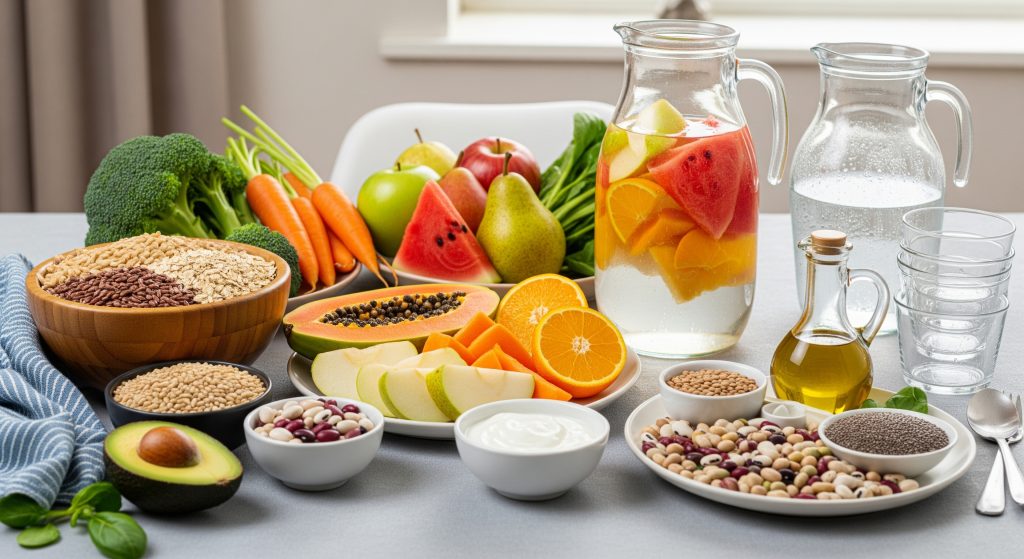
Top high-fibre foods for fissure healing:
-
Whole grains like oats, brown rice, and quinoa
-
Beans and lentils (start slowly to avoid gas)
-
Prunes and prune juice – these contain sorbitol, a natural stool softener
-
Apples and pears with skin
-
Broccoli, carrots, and leafy greens
The magic number most experts recommend is 25-30 grams of fibre daily. That sounds straightforward enough, right? The catch is that most people barely hit half that amount on a typical day.
Hydrating Fruits and Vegetables
Fibre without water is like cement. It can actually make constipation worse. This is where hydrating foods become crucial allies in your anal fissure diet.
Healthline highlights that fruits like watermelon, cucumber, and strawberries contain up to 92% water content. Celery sits at 95% water, tomatoes at 94%. These aren’t just refreshing snacks – they’re actively contributing to the hydration your digestive system desperately needs.
Citrus fruits deserve special mention. They provide hydration and enhance collagen production, which is critical for tissue repair. That healing tear in your anal canal? Collagen is literally the building material your body uses to patch it up.
Hydrating foods to prioritise:
|
Food |
Water Content |
Additional Benefits |
|---|---|---|
|
Cucumber |
95% |
Cooling, easy to digest |
|
Watermelon |
92% |
Natural sugars for energy |
|
Oranges |
87% |
Vitamin C for tissue repair |
|
Papaya |
88% |
Contains digestive enzymes |
|
Tomatoes |
94% |
Antioxidant-rich |
Whole Grains and Legumes
The fibre in whole grains does something rather clever. It maintains a regular bowel schedule and prevents hard stools from forming in the first place. This isn’t reactive treatment – it’s preventive maintenance.
Legumes bring a double benefit. They’re rich in both protein and fibre, and they improve gut microbiota. A healthier gut microbiome means better overall digestive function. Better digestive function means less straining. Less straining means faster healing. It’s a beautiful chain reaction.
Whole grain and legume options:
-
Oatmeal for breakfast
-
Brown rice or quinoa as side dishes
-
Whole wheat bread instead of white
-
Black beans, chickpeas, and kidney beans
-
Lentil soups and dals
One word of caution – if your diet has been low in fibre, increase gradually over two weeks. Jumping straight to high-fibre eating can cause bloating and gas, which adds pressure to the already sensitive area. Nobody needs that complication.
Probiotic-Rich Foods
The gut microbiome – that’s the community of bacteria living in your intestines – plays a larger role in digestive health than most people realise. Probiotics help maintain this balanced ecosystem, which directly influences how smoothly things move through your system.
According to Cleveland Clinic, probiotics help maintain a balanced gut microbiome, which is essential for digestive health and can alleviate symptoms of constipation that complicate fissure recovery. This isn’t just about yoghurt, though yoghurt is certainly helpful.
Probiotic-rich foods to include:
-
Natural yoghurt (without added sugars)
-
Kefir – a fermented milk drink
-
Kimchi and sauerkraut
-
Fermented soya products like tempeh
-
Idli and dosa (fermented rice and lentil preparations)
The fermentation process naturally creates probiotics. These foods have been part of traditional diets across cultures for centuries – long before anyone understood the science behind them.
Healthy Fats and Oils
Think of healthy fats as internal lubricant. They coat the intestinal lining and make stool passage smoother. Olive oil, in particular, functions as a natural laxative while providing antioxidant properties that promote tissue repair.
Omega-3 fatty acids deserve attention here. Found in fatty fish like salmon and mackerel, as well as flaxseeds and chia seeds, omega-3s reduce inflammation. When you’re dealing with a torn piece of tissue, reducing inflammation isn’t optional – it’s essential.
Healthy fat sources:
-
Extra virgin olive oil (drizzle on salads or vegetables)
-
Avocados – one of the most versatile options
-
Fatty fish twice weekly
-
Flaxseeds and chia seeds
-
Coconut oil – has anti-inflammatory properties that soothe the affected area
Foods to Avoid During Recovery
Spicy and Acidic Foods
The single most frustrating part of fissure recovery is that favourite foods often become temporary enemies. Spicy foods irritate the digestive tract on their way through and can cause burning sensations that intensify existing anal fissure symptoms.
Acidic foods pose similar problems. They can irritate the gut lining and increase inflammation in an already sensitive area. This doesn’t mean permanent elimination, but during active healing, these foods need to take a back seat.
Foods to temporarily avoid:
-
Chilli peppers and hot sauces
-
Citrus fruits in excess (small amounts are fine)
-
Tomato-based sauces
-
Vinegar-heavy dressings
-
Pickled foods
Processed and Refined Foods
Here’s something that drives me crazy about modern diets – processed foods are designed for shelf stability, not digestive health. They’re stripped of fibre and loaded with additives that slow digestion.
Processed foods lacking in fibre hinder the repair of anal fissures by resulting in hard stool and constipation. White bread, white pasta, most packaged snacks – these convenient options come with a hidden cost during recovery.
Processed foods to limit:
-
White bread and refined pasta
-
Packaged biscuits and cakes
-
Instant noodles
-
Processed meats
-
Frozen ready meals
Constipating Foods
Some foods actively work against your healing goals. High-fat foods like fried items and heavy dairy can slow digestive motility. They sit in your system longer, allowing more water to be absorbed and stools to harden.
Common constipating culprits:
|
Food Category |
Specific Examples |
Why It’s Problematic |
|---|---|---|
|
Refined grains |
White rice, white bread |
Low fibre content |
|
Fried foods |
Chips, fried snacks |
High fat slows digestion |
|
Red meat |
Beef, lamb |
Takes longer to digest |
|
Full-fat dairy |
Cheese, cream |
Can cause sluggish bowels |
Alcohol and Caffeine
Both alcohol and caffeine are diuretics – they make you urinate more and can lead to dehydration. Remember that cement analogy? Dehydration turns your fibre intake into exactly that.
According to GEM Hospitals, alcohol consumption exacerbates anal fissures by causing dehydration and hardening stools, increasing the risk of pain during bowel movements. Alcohol also inflames the gastrointestinal tract, complicating digestion and leading to either constipation or diarrhoea – neither of which helps healing.
Caffeine presents a similar challenge. While that morning coffee might seem essential, excessive consumption contributes to harder stools. Limiting intake to one or two cups daily and compensating with extra water makes a significant difference.
Age-Specific Dietary Modifications
Diet for Toddlers and Children
Children experience anal fissures more commonly than most parents realise. The challenge? Getting a three-year-old to eat high-fibre foods isn’t exactly straightforward.
Encouraging consumption of whole grains, fruits, vegetables, lean proteins, and healthy fats can prevent constipation, which is a common issue leading to fissures in children. The key is making these foods appealing.
Child-friendly high-fibre options:
-
Mashed bananas and avocados
-
Soft-cooked vegetables like sweet potato
-
Wholemeal bread fingers
-
Smoothies with hidden spinach
-
Oatmeal with fruit toppings
Hydration is equally crucial for children. They often don’t recognise thirst signals, so offering water regularly throughout the day prevents dehydration from sneaking up on them.
When transitioning from breastfeeding to solid foods, introducing fibre-rich options early helps establish healthy digestive patterns. Legumes pureed into soups, soft fruits, and whole grain cereals set the foundation for lifelong digestive health.
Teen and Young Adult Considerations
Teenagers present unique challenges. They’re old enough to make independent food choices but often gravitate towards fast food, energy drinks, and skipped meals. This combination creates a perfect storm for constipation.
Balanced nutrition is particularly crucial during adolescence for ensuring optimal growth and digestive function. But let’s be honest – telling a teenager to eat more vegetables rarely works. The approach needs to be practical.
Teen-friendly strategies:
-
Keep whole fruits easily accessible
-
Choose wholemeal options when eating out
-
Swap energy drinks for water with natural flavouring
-
Include fibre-rich toppings on pizza and pasta
-
Encourage regular eating times rather than sporadic snacking
The anal fissure healing time for teenagers can be quite rapid when dietary changes are implemented consistently, thanks to their generally faster tissue regeneration.
Dietary Adjustments for Seniors
Older adults face distinct digestive challenges. Metabolism slows, appetite often decreases, and certain medications can cause constipation as a side effect. These factors combine to make seniors particularly vulnerable to fissures.
As people age, dietary adjustments become crucial to manage gastrointestinal issues, including constipation and nutrient absorption difficulties. The emphasis should be on nutrient-dense foods that deliver maximum benefit in smaller portions.
Senior-specific recommendations:
-
Smaller, more frequent meals rather than three large ones
-
Soft, cooked vegetables rather than raw ones
-
Prune juice as a gentle daily habit
-
Adequate hydration even when thirst signals diminish
-
Oatmeal and porridge for easy-to-digest fibre
WHO emphasises the necessity of tailored dietary interventions for older adults. Avoiding trigger foods like spicy and processed items becomes even more important as the digestive system becomes more sensitive with age.
Natural Remedies and Healing Support
Sitz Baths and Warm Compresses
The real change in my own recovery came down to something surprisingly simple – sitting in warm water. The sitz bath is a warm water bath focused on the perineal region, and according to Cleveland Clinic, soaking for about 15-20 minutes promotes blood circulation, relaxes the anal sphincter muscles, and enhances healing.
A sitz bath doesn’t require special equipment. A shallow basin or simply filling a bathtub with a few inches of warm water works perfectly. The warmth increases blood flow to the area, delivering nutrients and oxygen needed for tissue repair.
How to take an effective sitz bath:
-
Fill a clean basin with warm (not hot) water
-
Add Epsom salts if desired – about half a cup
-
Sit for 15-20 minutes, two to three times daily
-
Pat dry gently afterwards
-
Apply any recommended topical treatments
The best times for sitz baths are after bowel movements and before bed. This timing addresses discomfort when it’s most acute and promotes healing during sleep.
Stool Softeners from Kitchen
Before reaching for pharmacy options, the kitchen holds some remarkably effective natural stool softeners. These anal fissure home remedies have been used for generations with good reason – they work.
Chia seeds and flaxseeds contain soluble fibre that absorbs water and creates a gel-like consistency in the stool. Add a tablespoon to your morning smoothie or sprinkle over porridge. The effect builds over a few days of consistent use.
Olive oil acts as a lubricant for the intestines, helping in easier stool movement. A tablespoon on an empty stomach each morning provides gentle stimulation without harsh effects.
Kitchen stool softeners:
-
Chia seeds – soak in water overnight for best results
-
Flaxseeds – ground form releases oils more effectively
-
Prunes or prune juice – the sorbitol content acts naturally
-
Aloe vera juice – gentle and soothing
-
Warm water with lemon – first thing in the morning
Healing Timeline and Recovery
How long does anal fissure healing time actually take? This is the question everyone wants answered immediately. The honest answer is – it depends.
Acute fissures – those that have existed for less than six weeks – typically heal within four to six weeks with proper dietary management and home care. Chronic fissures that have persisted longer may take two to three months or occasionally require medical intervention.
The healing process moves through distinct stages:
-
Acute phase – Initial pain and bleeding. High-fibre diet and hydration are critical.
-
Inflammation reduction – Swelling decreases, scab formation begins. Anti-inflammatory foods help.
-
Granulation tissue formation – New tissue grows to fill the wound. Protein intake matters here.
-
Epithelialisation – Skin cells cover the new tissue. Maintain consistent dietary habits.
Monitoring food intake and making necessary adjustments can significantly influence the healing timeline and overall recovery experience.
The week I finally got serious about my fibre intake was transformative. Morning bowel movements went from something I dreaded to something unremarkable. That’s the goal – unremarkable, effortless elimination.
Daily Meal Planning Tips
Theory is helpful. Practical application is essential. Here’s what a day of eating for fissure healing actually looks like.
Sample daily meal plan:
|
Meal |
Food Options |
Why It Works |
|---|---|---|
|
Breakfast |
Oatmeal with prunes and flaxseeds |
Fibre + natural laxative |
|
Mid-morning |
Natural yoghurt with berries |
Probiotics + hydration |
|
Lunch |
Brown rice, lentils, mixed vegetables |
Complete fibre profile |
|
Snack |
Apple slices with almond butter |
Fibre + healthy fats |
|
Dinner |
Grilled fish, quinoa, steamed broccoli |
Omega-3s + fibre |
Hydration deserves its own focus. Aim for at least 8-10 glasses of water daily. The goal, crude as it sounds, is clear or pale yellow urine. Dark urine signals dehydration – and dehydration undermines all other dietary efforts.
Post-fissure surgery, a diet rich in fibre (25-30 grams daily) is essential for healing, preventing constipation, and maintaining regular bowel movements. These same principles apply whether recovering from surgery or managing fissures conservatively.
Conclusion
Managing an anal fissure diet isn’t complicated once the core principles click into place. High fibre and plenty of water form the foundation. Probiotics support digestive health. Healthy fats provide lubrication. Certain foods need temporary elimination. Age-specific modifications address individual needs.
The anal fissure home remedies discussed – sitz baths, kitchen stool softeners, consistent meal planning – complement dietary changes effectively. Most people notice significant improvement in anal fissure symptoms within two to three weeks of consistent dietary adjustment.
Don’t bother with complicated supplement regimes or expensive products until you’ve mastered the basics. Honestly, the only things that really matter are fibre, water, and consistency. Get those right first. Everything else becomes secondary.
Recovery is possible. It requires attention and patience, but the path is clear. Start with one meal, one day, one week – and build from there.
Frequently Asked Questions
How long does it take for an anal fissure to heal with proper diet?
Most acute anal fissures heal within four to six weeks when dietary changes are consistently applied. Chronic fissures may take two to three months. Key factors affecting anal fissure healing time include fibre intake (25-30 grams daily), adequate hydration, and avoiding constipating foods. Some individuals experience relief from symptoms within the first week of dietary adjustments, though complete healing takes longer.
Can I eat rice and chapati with anal fissures?
Yes, but choose wisely. Brown rice offers significantly more fibre than white rice and actively supports healing. For chapati, opt for whole wheat flour rather than refined flour versions. These wholegrain options provide the bulk needed for softer stools. White rice and refined flour chapatis can contribute to constipation if eaten in large quantities without adequate fibre from other sources.
What are the warning signs that my anal fissure isn’t healing?
Persistent or worsening symptoms after six to eight weeks of conservative treatment warrant medical attention. Warning signs include increased bleeding, severe pain that doesn’t respond to sitz baths, discharge or pus from the area, fever, or difficulty controlling bowel movements. Chronic fissures sometimes develop a skin tag or visible crack that indicates the wound has become established and may require medical intervention.
Is curd beneficial for anal fissure recovery?
Absolutely. Curd (natural yoghurt) provides probiotics that support gut health and regular bowel movements. It helps maintain the balance of beneficial bacteria in the digestive system, reducing constipation risk. Choose plain, unsweetened varieties for maximum benefit. Avoid flavoured yoghurts with added sugars, as excess sugar can disrupt gut bacteria balance and potentially worsen digestive issues.
Should pregnant women follow different dietary guidelines for anal fissures?
Pregnant women should follow the same high-fibre, high-hydration principles but with additional considerations. Pregnancy hormones naturally slow digestion, making constipation more common. Iron supplements, often prescribed during pregnancy, can worsen constipation. Pregnant women should increase fibre gradually, stay well-hydrated, and discuss any persistent fissure symptoms with their healthcare provider. Certain stool softeners may be recommended during pregnancy – always consult before using any remedies.

