






 We do what's right for you...


A Beginner’s Guide to Peptic Ulcer Home Remedies
Dr. Urvashi Gupta
Conventional wisdom says drinking milk will coat the stomach and soothe an ulcer. For decades, that advice was practically gospel. Here’s the problem: research has shown milk can actually stimulate acid production, making things worse rather than better. So much for the old remedies. The truth about peptic ulcer home remedies is far more nuanced than most people realise, and getting it wrong means prolonging that gnawing pain that interrupts sleep, ruins meals, and generally makes life miserable.
What actually works? That’s what this guide is about. I’ve spent considerable time sorting through the evidence, separating the genuinely helpful approaches from the well-meaning but ineffective ones. Some of these remedies might surprise you. Others will confirm what your grandmother told you (because sometimes, the old advice gets it right). Either way, by the end of this article, you’ll have a practical toolkit for managing peptic ulcer symptoms at home while understanding exactly when it’s time to see a doctor.
Top Science-Backed Home Remedies for Peptic Ulcers
Before diving into specific remedies, let’s be clear about something: these approaches work best alongside medical treatment, not as replacements for it. If you have a diagnosed peptic ulcer, your doctor has likely prescribed antibiotics (if H. pylori bacteria are involved) or acid-reducing medications. Home remedies can accelerate healing and ease discomfort. They’re not magic bullets.
1. Cabbage Juice for Rapid Healing
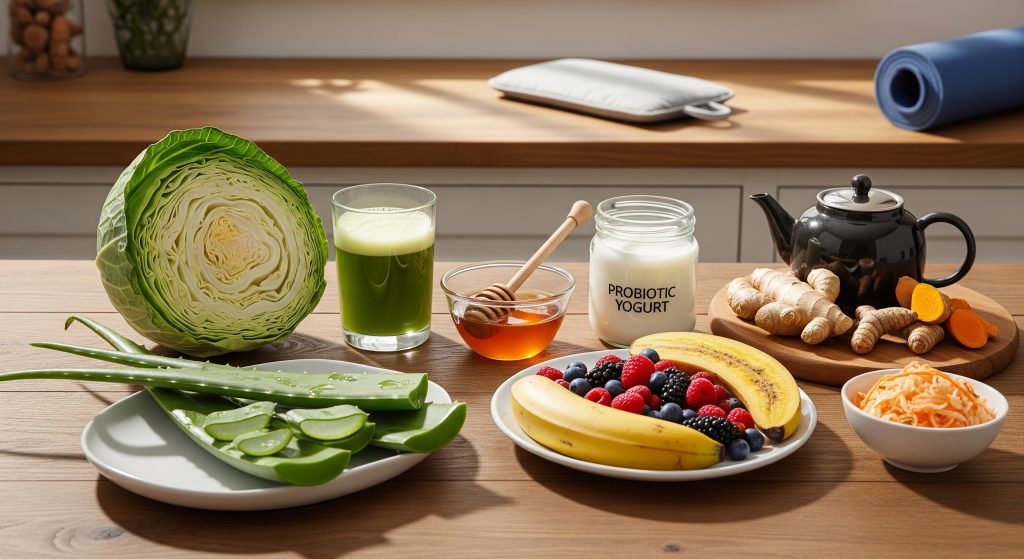
This one sounds odd, I know. Drinking cabbage juice isn’t exactly appetising. But here’s why it matters: cabbage contains a compound called glutamine, which helps strengthen the stomach’s mucosal lining. Studies from the 1950s (yes, this remedy has been around that long) showed that patients drinking fresh cabbage juice experienced significantly faster healing times.
The practical approach? Juice half a head of fresh cabbage and drink about 250ml daily. It tastes better when mixed with carrot juice, honestly. Most people notice reduced discomfort within two to three weeks of consistent use. The key word there is consistent. Trying it once and giving up won’t accomplish much.
2. Honey as Natural Antibacterial Agent
Honey, particularly raw Manuka honey, has been used medicinally for thousands of years. Its antibacterial properties aren’t just folklore. They’re well-documented. Honey can inhibit H. pylori growth while simultaneously coating and soothing irritated stomach tissue.
Take one tablespoon of raw honey on an empty stomach each morning. Some people mix it with warm water or herbal tea. Avoid adding it to boiling liquids, though, as high temperatures can destroy beneficial enzymes. The antimicrobial compounds in honey work gradually, so expect to maintain this practice for several weeks before noticing substantial improvement.
3. Probiotics and Fermented Foods
Here’s where natural remedies for stomach ulcers get genuinely interesting. Your gut microbiome plays a crucial role in ulcer healing, and probiotics can tip the balance in your favour. Research published in the Zahedan Journal of Research in Medical Sciences found that probiotic yogurt enhanced patient tolerance to H. pylori treatment regimens while reducing side effects like dysgeusia (that metallic taste) and diarrhoea.
The evidence suggests probiotics have emerged as significant adjuncts in managing Helicobacter pylori-induced peptic ulcer disease, helping restore gut microbial balance to mitigate ulcer symptoms. Fermented foods like kefir, sauerkraut, kimchi, and miso provide diverse probiotic strains that support digestive health.
Best sources of probiotics for ulcer healing:
-
Live-culture yogurt (look for labels specifying active cultures)
-
Kefir (fermented milk drink with higher probiotic diversity than yogurt)
-
Sauerkraut (unpasteurised, refrigerated varieties)
-
Kimchi (Korean fermented vegetables)
-
Kombucha (fermented tea)
Aim for at least one serving of probiotic-rich food daily. It’s basically like sending reinforcements to help your stomach fight the battle already underway.
4. Aloe Vera for Soothing Relief
Aloe vera isn’t just for sunburns. The gel from this plant contains compounds that reduce inflammation and promote tissue healing throughout the digestive tract. Everyday Health reports that aloe vera juice can help soothe gastrointestinal discomfort and decrease inflammation, which is crucial for healing peptic ulcers.
Drink 60-120ml of pure aloe vera juice twice daily, ideally before meals. The juice works by enhancing the mucosal lining of the stomach, providing a protective barrier against irritants. One word of caution: ensure you’re using a product specifically designed for internal consumption. Not all aloe products are suitable for drinking.
5. Licorice Root (DGL) Protection
Licorice root has been used in traditional medicine for gastrointestinal issues for centuries. The active compound, glycyrrhizin, helps protect the stomach lining and increases mucus production. Here’s the catch, though. Regular licorice can cause side effects like high blood pressure and potassium depletion when consumed in large amounts.
The solution? Deglycyrrhizinated licorice, or DGL. This form retains the protective properties while minimising risks. Healthline notes that DGL is particularly recommended for ulcer treatment as it minimises glycyrrhizin’s side effects while retaining protective properties. Studies suggest licorice root can promote healing by enhancing blood circulation to the stomach lining.
Chew one or two DGL tablets (380mg each) about 20 minutes before meals. This timing allows the protective compounds to coat your stomach before food arrives.
6. Plantain Bananas for Mucus Production
Not the sweet yellow bananas you’re thinking of. Plantains, especially when unripe, contain compounds that stimulate mucus production in the stomach. This mucus acts as a protective layer, shielding damaged tissue from stomach acid and allowing healing to occur.
The high starch content in unripe plantains provides essential carbohydrates that assist in mucus production and lining protection. Mashed plantains offer a gentle, soothing food option that aids healing. Cook green plantains by boiling or steaming, then mash them. Add a bit of salt if needed. It won’t win any culinary awards, but your stomach will thank you.
7. Flavonoid-Rich Foods and Berries
Flavonoids are plant compounds with powerful anti-inflammatory and antioxidant properties. Research indicates they may inhibit H. pylori growth while strengthening stomach tissue. Berries are particularly rich in these compounds.
Top flavonoid sources for ulcer support:
-
Blueberries
-
Cranberries (the unsweetened kind)
-
Raspberries
-
Apples (with skin)
-
Green tea
-
Dark leafy greens
Incorporate two to three servings of flavonoid-rich foods daily. Cranberry juice, specifically, has shown promise in reducing H. pylori colonisation in the stomach. Just watch the sugar content in commercial juices.
8. Turmeric and Ginger Benefits
Both of these kitchen staples offer genuine therapeutic benefits for ulcer sufferers. Turmeric contains curcumin, a compound with potent anti-inflammatory properties that can help reduce stomach inflammation and support tissue healing. Ginger calms digestive upset and may help protect the stomach lining from damage.
Add fresh turmeric and ginger to cooking, or prepare a simple tea by steeping sliced fresh ginger and a pinch of turmeric powder in hot water for ten minutes. Adding a bit of black pepper to turmeric preparations enhances curcumin absorption by up to 2000%. That’s not a typo. Piperine in black pepper dramatically increases bioavailability.
Natural Pain Management Techniques
Living with peptic ulcer pain is exhausting. That burning sensation that wakes you at 2 AM and ruins your appetite and makes you dread mealtimes. Beyond dietary remedies, several physical techniques can provide genuine relief.
Hot Compress Applications
Heat therapy works by increasing blood flow to the affected area, which can ease muscle tension and reduce pain perception. Apply a warm (not hot) compress or heating pad to your upper abdomen for 15-20 minutes when pain flares. The warmth relaxes the abdominal muscles surrounding your stomach, often providing noticeable relief within minutes.
Don’t have a heating pad? Fill a clean sock with uncooked rice, tie the end, and microwave for 90 seconds. Works brilliantly.
Gentle Abdominal Massage
Light, circular massage of the upper abdomen can help relieve tension and promote digestive movement. Use gentle pressure, moving in clockwise circles. This technique is particularly helpful after meals when discomfort often peaks. The real change comes from the sound of your breathing slowing down as tension releases. It’s a subtle thing, but significant.
Avoid massage during acute pain episodes or if you notice any signs of bleeding. When in doubt, skip it.
Eating Small, Frequent Meals
This one matters more than most people realise. Large meals trigger substantial acid production, overwhelming damaged stomach tissue. Smaller, more frequent meals keep acid levels stable and reduce the burden on your digestive system.
Aim for five to six small meals throughout the day rather than three large ones. Each meal should be roughly the size of your fist. Keep healthy snacks available so you’re not tempted to overeat when hunger strikes.
Proper Posture and Positioning
How you sit and sleep matters. Slouching compresses the abdomen and can worsen symptoms. When sitting, maintain an upright posture with your shoulders back. After eating, remain upright for at least two to three hours before lying down.
At night, elevate the head of your bed by 15-20 centimetres using blocks under the bedposts (pillows alone don’t work as well). This positioning uses gravity to keep stomach acid where it belongs.
Stress Reduction Methods
What drives me crazy is how often stress gets dismissed as a factor in ulcer healing. Stress doesn’t directly cause ulcers (that’s usually H. pylori or NSAIDs), but chronic stress absolutely delays healing and worsens symptoms. The stress-acid connection is well-established.
Effective stress reduction approaches:
-
Deep breathing exercises (even five minutes daily helps)
-
Progressive muscle relaxation
-
Meditation or mindfulness practice
-
Gentle yoga
-
Regular physical activity (walking counts)
The single most frustrating part of this is how simple these techniques seem compared to how difficult they are to implement consistently. Start with just five minutes of deep breathing before bed. Build from there.
Foods to Avoid with Peptic Ulcers
Knowing what to eat matters. Knowing what NOT to eat matters just as much. These foods to avoid with peptic ulcers can irritate damaged tissue, increase acid production, or delay healing.
Spicy Foods and Hot Peppers
Capsaicin, the compound that makes peppers hot, irritates the stomach lining. While some research suggests small amounts might actually have protective effects, most gastroenterologists recommend avoiding spicy foods during active ulcer healing. The potential risk outweighs theoretical benefits.
This includes chilli peppers, hot sauces, curry dishes with significant heat, and Mexican or Thai food with substantial spice levels. Once your ulcer has healed, you can gradually reintroduce mild spices to see how your system responds.
Acidic Foods and Citrus Fruits
Citrus fruits and tomato-based products create an acidic environment that aggravates ulcer symptoms. Healthline notes that citrus fruits such as oranges, lemons, and grapefruits are highly acidic and can exacerbate symptoms of acid reflux and peptic ulcers. Tomato-based products containing significant acidity are also recommended for avoidance in a peptic ulcer diet.
Foods to limit or avoid:
-
Oranges, lemons, limes, grapefruit
-
Tomatoes and tomato sauce
-
Vinegar and vinegar-based dressings
-
Pickled foods
-
Fruit juices (especially citrus)
Caffeinated and Carbonated Beverages
Caffeine stimulates acid secretion, which is precisely what you don’t want with an open sore in your stomach. Coffee is the primary offender, but tea, energy drinks, and certain fizzy drinks also contain significant caffeine.
Carbonation itself adds another problem. The bubbles can cause bloating and increase pressure in the stomach, leading to discomfort. Switch to herbal teas (chamomile is particularly soothing) and still water during the healing period.
Alcohol and Smoking
Let’s be honest here. Alcohol directly irritates the stomach lining and increases acid production. Smoking reduces blood flow to the stomach, impairing the body’s ability to heal damaged tissue. Both significantly slow peptic ulcer healing time.
If you’re serious about healing, eliminating both substances is non-negotiable during recovery. I know that’s not what anyone wants to hear. It’s still true.
Fried and High-Fat Foods
High-fat foods take longer to digest, meaning they stay in your stomach longer and trigger more prolonged acid production. Fried foods are particularly problematic because the frying process adds inflammatory compounds.
|
Foods to Avoid |
Better Alternatives |
|---|---|
|
Fried chicken |
Baked or grilled chicken |
|
French fries |
Baked potato or sweet potato |
|
Doughnuts |
Whole grain toast with honey |
|
Fatty red meat |
Lean fish or poultry |
|
Full-fat dairy |
Low-fat yogurt with probiotics |
Chocolate and Mint Products
Both chocolate and mint relax the lower oesophageal sphincter (LOS, it’s basically the valve between your oesophagus and stomach), allowing acid to splash upward. This doesn’t directly worsen stomach ulcers, but it exacerbates overall digestive discomfort and can contribute to additional irritation.
Peppermint tea, while seemingly soothing, can actually worsen symptoms for some ulcer sufferers. Stick with chamomile or ginger tea instead.
NSAIDs and Pain Medications
Non-steroidal anti-inflammatory drugs like ibuprofen, aspirin, and naproxen are among the leading causes of peptic ulcers. These medications inhibit protective prostaglandins in the stomach lining, making tissue more vulnerable to acid damage.
If you require pain relief, paracetamol is generally safer for ulcer patients. Always discuss medication options with your doctor, especially if you’re on long-term NSAID therapy for conditions like arthritis.
Understanding Peptic Ulcer Healing Time
One question comes up constantly: how long until this heals? Understanding realistic timelines helps set appropriate expectations and reduces frustration.
Typical Recovery Timeline
With proper treatment (usually a combination of antibiotics for H. pylori and acid-reducing medications), most peptic ulcers heal within 4-8 weeks. Smaller ulcers often heal within four weeks. Larger or more severe ulcers may require the full eight weeks or longer.
Home remedies can accelerate this timeline, but they rarely replace medical treatment entirely. Think of them as accelerators, not substitutes.
Factors Affecting Healing Speed
Several variables influence how quickly your ulcer heals:
-
Ulcer size and depth: Larger, deeper ulcers take longer
-
Cause: H. pylori-related ulcers require complete bacterial eradication
-
Compliance with treatment: Skipping medications or continuing problematic habits delays healing
-
Underlying health conditions: Diabetes, immune disorders, and poor nutrition slow healing
-
Age: Older adults typically heal more slowly
-
Smoking status: Smokers heal significantly more slowly than non-smokers
Signs of Proper Healing
How do you know things are improving? Watch for these positive indicators:
-
Gradual reduction in burning pain intensity
-
Fewer nighttime pain episodes
-
Improved appetite
-
Less discomfort after eating
-
Reduced need for antacids
Healing isn’t linear. You might have good days and bad days. The overall trend matters more than any single day’s symptoms.
When to Seek Medical Help
But what happens when things aren’t improving? Certain warning signs demand immediate medical attention:
Seek urgent medical care if you experience: Black or tarry stools, vomiting blood (bright red or coffee-ground appearance), sudden severe abdominal pain, unexplained weight loss, difficulty swallowing, or persistent vomiting.
These symptoms may indicate complications like bleeding, perforation, or obstruction. Don’t wait and see. Get help immediately.
Preventing Ulcer Recurrence
Once healed, peptic ulcers can return. Prevention involves addressing root causes and maintaining protective habits:
-
Complete all prescribed antibiotic courses to fully eradicate H. pylori
-
Avoid long-term NSAID use when possible
-
Continue probiotic-rich foods regularly
-
Manage stress effectively
-
Maintain healthy eating patterns
-
Limit alcohol consumption
-
Stop smoking (permanently)
Recurrence rates drop significantly when people address underlying causes rather than just treating symptoms.
Creating Your Personalised Peptic Ulcer Recovery Plan
Every person’s ulcer situation differs. What works brilliantly for one person might not suit another. Here’s how to build a recovery approach tailored to your specific circumstances.
Step 1: Start with medical diagnosis and treatment. Get a proper diagnosis. Understand whether H. pylori is involved. Follow your prescribed treatment protocol.
Step 2: Implement dietary changes immediately. Remove trigger foods from your kitchen. Stock up on healing foods like cabbage, plantains, probiotic yogurt, and ginger. Plan your meals in advance.
Step 3: Add home remedies gradually. Don’t try everything at once. Start with one or two remedies (cabbage juice and probiotics are excellent starting points) and assess their effects over two weeks before adding others.
Step 4: Track your symptoms. Keep a simple daily log noting pain levels, foods eaten, remedies used, and stress levels. Patterns often emerge that help identify personal triggers.
Step 5: Address lifestyle factors. Implement stress reduction techniques. Adjust meal timing and portions. Modify sleep positioning if nighttime symptoms occur.
Step 6: Schedule follow-up appointments. Verify healing is occurring. Adjust approaches as needed based on progress.
Honestly, the only factor that really matters for long-term success is consistency. Sporadic efforts produce sporadic results. Daily commitment to healing practices, maintained over weeks and months, produces genuine recovery.
Frequently Asked Questions
Can peptic ulcers heal completely without medication?
Some small ulcers may heal on their own with dietary changes and home remedies, but complete healing without medication is rare and risky. H. pylori-related ulcers specifically require antibiotic treatment for bacterial eradication. Relying solely on home remedies increases the risk of complications and prolonged suffering. Home remedies work best as complementary approaches alongside medical treatment.
How quickly do home remedies work for peptic ulcer relief?
Symptom relief from home remedies typically begins within one to two weeks of consistent use, though full healing requires several weeks to months. Remedies like aloe vera and licorice root may provide soothing relief within days, while dietary changes and probiotics take longer to show measurable effects. Patience and consistency are essential.
Is milk beneficial or harmful for peptic ulcers?
Despite longstanding beliefs, milk is generally not beneficial and may actually worsen ulcer symptoms. While milk temporarily buffers stomach acid, it stimulates additional acid production shortly afterward, potentially irritating the ulcer. Low-fat fermented dairy products like yogurt and kefir offer probiotic benefits without the rebound acid effect, making them better choices.
What are the warning signs that a peptic ulcer is getting worse?
Warning signs include increased pain intensity or frequency, pain that no longer responds to antacids, black or tarry stools indicating bleeding, vomiting blood, sudden severe abdominal pain suggesting perforation, unexplained weight loss, and difficulty swallowing. Any of these symptoms require immediate medical evaluation. Don’t dismiss worsening symptoms as normal fluctuations.
Can stress alone cause peptic ulcers?
Stress alone rarely causes peptic ulcers. Most ulcers result from H. pylori infection or NSAID use. Extreme physiological stress (severe burns, major surgery, critical illness) can cause stress ulcers, but everyday psychological stress typically doesn’t create new ulcers. Chronic stress does, however, delay healing and worsen symptoms of existing ulcers, making stress management an important component of recovery.
Are peptic ulcer home remedies safe for children and elderly?
Most home remedies require modification for children and elderly individuals. Dosages must be adjusted for children’s smaller body weight, and certain remedies like licorice root carry specific risks for older adults with high blood pressure or heart conditions. Always consult a healthcare provider before using home remedies for children under 12 or adults over 65. Professional guidance ensures safety while maximising benefit.

